How to Make Grilled & Pan-Seared Fish Recipes
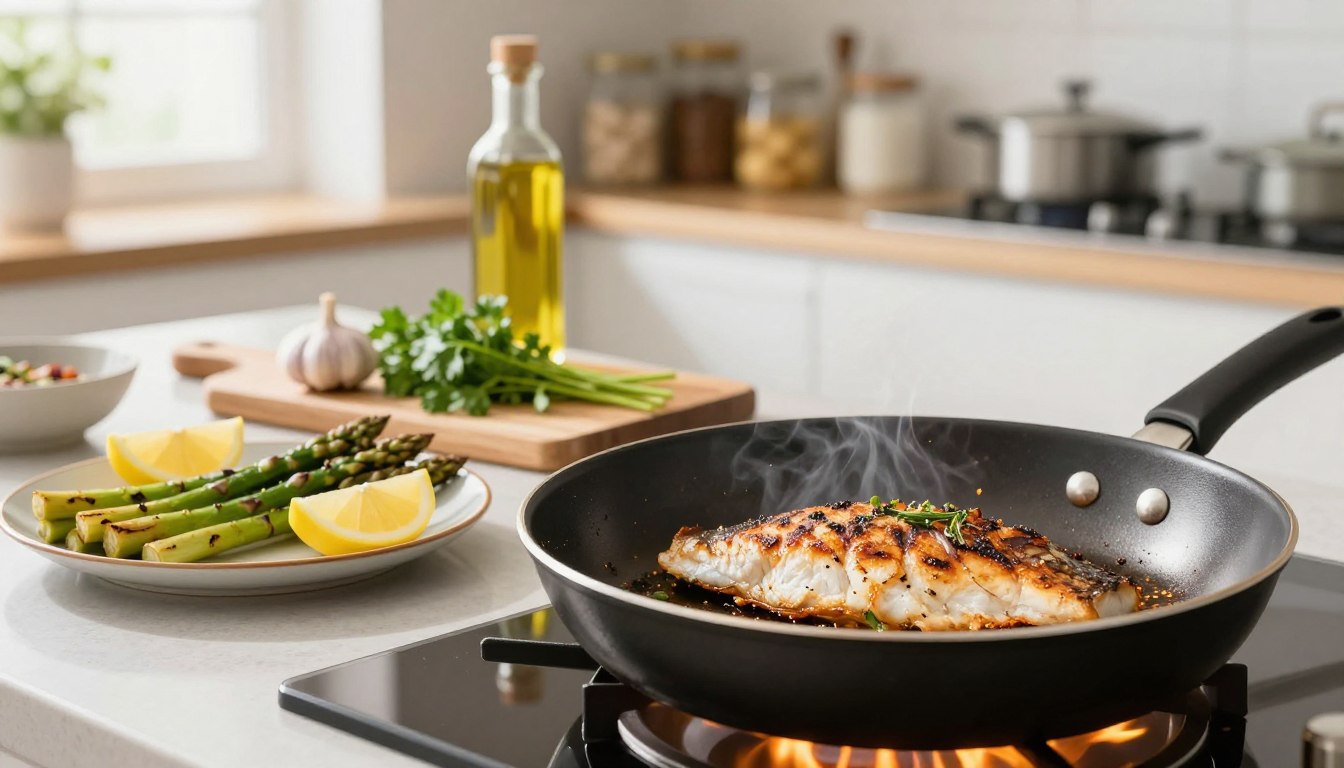
There’s something special about the moment a fish fillet hits a hot skillet. It sizzles and transforms from pale to golden in minutes. This feeling of accomplishment is within your reach.
Cooking fish at home is easier than you think. Whether you prefer grilled or pan-seared fish, the techniques are simple. Once you learn the basics, healthy fish dinners will become a regular part of your week.
This guide will teach you to make fish dishes that taste like they’re from a seafood restaurant. You’ll learn which fish varieties are best, the right equipment, and how to get the timing right. The secret is understanding how fresh fish reacts to heat and how to avoid overcooking.
Learning how to cook fish with grilling and pan-searing opens up a world of possibilities. You’ll be able to serve different meals based on your mood and the weather. By the end of this guide, you’ll have the skills to create delicious, nutritious meals that rival your favorite restaurants, saving time and money.
Key Takeaways
- Most fish fillets cook in under 15 minutes, making them ideal for busy weeknights
- Target internal temperature of 135°F ensures perfectly cooked fish that’s moist and flaky
- Pan-searing creates a crispy golden crust in just 3-6 minutes depending on fillet thickness
- Cast iron and stainless steel skillets deliver the best results for pan-seared fish recipe preparation
- Fresh fish should feel firm, smell clean, and be displayed on ice at your grocery store
- Firm fish varieties like salmon and halibut work best for grilling and hold moisture well
- Proper seasoning and minimal movement during cooking are the secrets to restaurant-quality results
Why Grilled and Pan-Seared Fish Are Perfect for Healthy Weeknight Dinners
Fish should be on your dinner table every week. It’s a healthy seafood dinner that’s quick and easy. It’s full of lean protein, great for fitness goals or just eating well.
Preparing a quick weeknight fish meal is easy and fast. Fish fillets cook in just 5 to 6 minutes. This means you can have a healthy dinner in under 20 minutes, making busy nights better.
High-Protein, Omega-3 Rich Foods for Your Diet
Fish is a great high protein, low carb dinner. It has 23 grams of protein and very few carbs. This is perfect for a filling meal without too many calories.
Omega-3 rich foods like fish are good for your heart and brain. They reduce inflammation and improve heart health. Choosing a healthy grilled fish dinner helps your overall wellness.
Quick Cooking Methods That Save Time
Grilling and pan-searing are the fastest ways to cook fish. Your quick 20-minute seafood dinner recipe is easy to make because:
- No marinating required—simple seasonings work perfectly
- Fillets cook through in minutes, not hours
- Minimal cleanup with one-pan cooking
- Temperature control keeps meals consistent every time
These methods keep fish’s natural flavors and nutrients. You get a restaurant-quality meal at home. Your weeknight dinners will be healthier and faster with these techniques.
Choosing the Best Fish for Grilling and Pan-Searing
Not all fish are good for every cooking method. The type of fish you choose greatly affects your meal’s taste and texture. Knowing which fish are best for grilling and pan-searing helps you make the right choice every time.
When buying fish, look for freshness. Fresh fish should feel firm, smell like the ocean, and look bright and clear. The thickness of the fillets also matters. Thin fillets are better for pan-searing, while thicker ones are better for grilling.
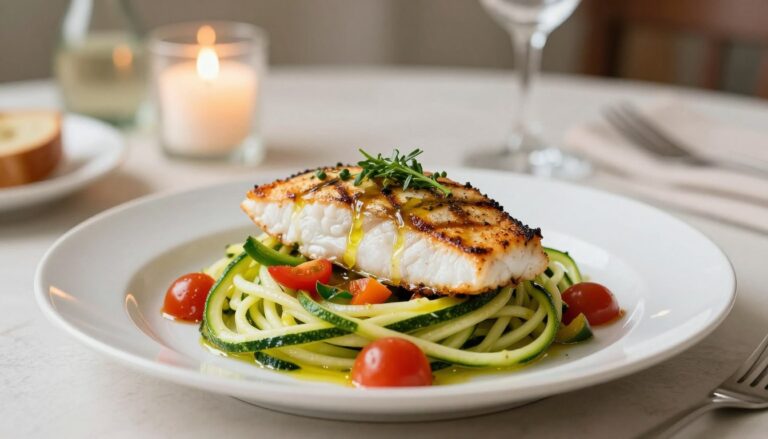
Pan-searing works well with thin fillets, about ½ inch thick or less. For grilled white fish recipes, choose cod, sole, flounder, red snapper, and grouper. These fish get a nice golden crust and stay tender inside.
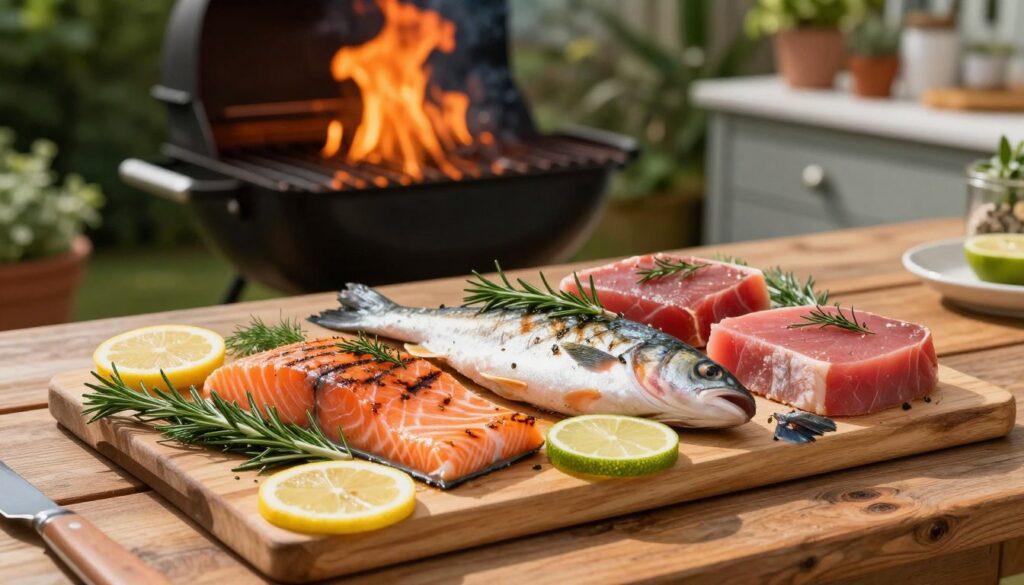
For grilling, you need sturdier fish that can handle heat. Choose thicker fillets, ¾ to 1 inch, for grilling. Halibut, sea bass, striped bass, swordfish, and Mahi-Mahi are great choices. They hold their shape well and get beautiful char marks.
Salmon is a great choice for both grilling and pan-searing. Its fat content keeps it moist during cooking. Salmon’s rich flavor pairs well with simple seasonings and gets a delicious crust when grilled.
| Fish Type | Best Thickness | Ideal Cooking Method | Key Features |
|---|---|---|---|
| Cod | ½ inch or less | Pan-searing | Mild, flaky, holds shape well |
| Sole | ½ inch or less | Pan-searing | Delicate, quick cooking |
| Flounder | ½ inch or less | Pan-searing | Light, tender texture |
| Red Snapper | ½ inch or less | Pan-searing | Slightly sweet flavor |
| Grouper | ½ inch or less | Pan-searing | Firm, mild white meat |
| Halibut | ¾ to 1 inch | Grilling | Dense, meaty texture |
| Sea Bass | ¾ to 1 inch | Grilling | Firm, versatile flavor |
| Striped Bass | ¾ to 1 inch | Grilling | Rich taste, sturdy flesh |
| Swordfish | ¾ to 1 inch | Grilling | Very firm, handles high heat |
| Mahi-Mahi | ¾ to 1 inch | Grilling | Meaty, sweet flavor |
| Salmon | ½ to 1 inch | Both methods | High fat content, moist |
Choose fish that’s sustainable. The Monterey Bay Aquarium’s seafood guide can help you make eco-friendly choices. Sustainable fishing keeps the ocean healthy and ensures fish populations stay strong.
When shopping for fish, ask about the catch date and where it came from. Fresh, local fish tastes better and supports your community. Learning fish recipes for every cooking style helps you understand how different fish perform with different techniques.
The success of your fish dish often depends on choosing the right fish for your cooking method. Thin white fish is best for pan-searing, while thicker, firmer fish is better for grilling. By selecting quality fish, your dinner will taste like it’s from a restaurant.
Essential Equipment and Tools for Cooking Fish at Home
Having the right gear is key when cooking fish at home. The right tools make cooking fish easy and fun. You don’t need a lot, but what you do need should be top-notch and fit your cooking style.
Selecting the Right Skillet or Grill
Your cooking surface is crucial. For pan-searing, a heavy 10-inch cast-iron or nonstick skillet is best. Cast iron holds heat well, helping you get a crispy fish with a golden crust. Nonstick skillets also work well if they’re heavy and can handle high heat.
For grilling, a clean grill grate that holds heat well is essential. Set your grill to medium-high temperatures, between 375-450°F. This allows for flexibility when cooking different fish types.
Must-Have Kitchen Tools for Perfect Results
Here are the essential items you’ll need:
- A thin, flexible fish spatula for flipping delicate fillets safely
- An instant-read thermometer to check doneness at 145°F
- Paper towels for patting fish dry before cooking
- A shallow dish for dredging in flour or seasonings
- Quality tongs for handling food safely
- A spoon for basting with butter or sauce
Patting your fish dry is crucial for a crispy exterior. Moisture on the surface prevents browning and creates steam instead of a crust. These tools help ensure your fish cooks evenly and looks great.
“The right tools in your kitchen make cooking fish less intimidating and much more rewarding.”
With this equipment, you’re ready to grill and pan-sear fish with confidence. You’ll get excellent results every time you cook.
How to Prepare Fish Fillets Before Cooking
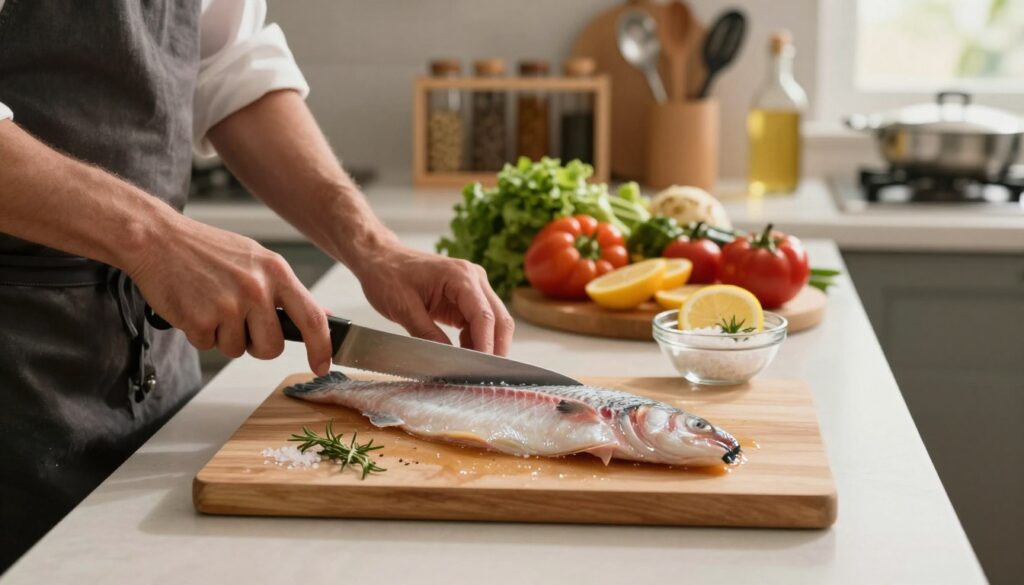
Getting your fish fillets ready right is key to making great dishes at home. Many skip important steps, leading to poor results. The secret to amazing fish dishes is in the prep work.
First, take your fish out of the fridge 15 minutes before cooking. This lets it warm up to room temperature. Cold fish cooks unevenly and stays cool in the middle.
The most important step is to dry your fillets with paper towels. Moisture on the surface causes steam, which stops the fish from getting a nice crust. Make sure to press hard on both sides, and don’t forget the skin side if it’s on.
- Remove fish from refrigerator 15 minutes before cooking
- Pat fillets dry with paper towels on both sides
- Season generously with kosher salt and black pepper
- Consider dusting with flour for extra crispiness
- Decide whether to remove the skin or cook skin-on
When seasoning, use kosher salt and black pepper. Don’t hold back on the seasoning—fish needs enough salt to taste good. For grilled fish fillets recipe ideas, lightly dust with flour and shake off the extra.
If your fillets have skin, you can remove it. Use a sharp knife to gently cut between the flesh and skin. If you keep the skin on, make sure it’s dry for a crispy texture. These steps will help you achieve professional results every time.
Grilled Fish Recipes: Mastering the Perfect Grill Technique
Learning to grill fish opens up a world of tasty weeknight dinners. It’s all about heat control, prep, and a few key techniques. Mastering these skills lets you make restaurant-quality meals at home that everyone will love. The secret is to respect the fish’s delicate nature while using bold heat to add flavor.
Starting with easy grilled fish means knowing the basics. Your grill setup and temperature control are key to success. These steps can turn your fish into a delicious bbq dish that wows everyone.
Best Temperature to Grill Fish Fillets
The ideal temperature for grilling fish fillets is between 375 to 400 degrees Fahrenheit. This heat creates nice grill marks and a charred outside while keeping the inside tender. Make sure your grill is preheated for at least 10 minutes before cooking.
For beginners, keeping the temperature consistent is crucial. If it’s too cool, the fish steams instead of searing. If it’s too hot, the outside burns before the inside is cooked. Use a grill thermometer to check your heat.
The cooking time varies based on the fillet’s thickness. Thinner fillets, about ½ inch, cook in 4 to 5 minutes per side. Thicker cuts, around 1 inch, need 5 to 6 minutes per side. Generally, cook fish for 8 to 10 minutes per inch of thickness.
How to Make Perfectly Grilled Fish Without Sticking
Sticking is a common issue when grilling fish. The solution begins with prep. Clean your grill grates well with a brush before cooking. Then, preheat them for even heat.
Here’s how to grill fish without sticking:
- Oil your grill grates by holding an oil-soaked paper towel with tongs and rubbing it across the bars
- Use high-heat oils like canola or grapeseed oil, not butter
- Brush your fish fillets lightly with oil on both sides
- Place fish skin-side up first on the grill
- Resist moving the fish for 3 to 4 minutes
- Flip only once when the fish releases easily from the grates
- Cook the other side for 2 to 3 minutes until done
For an easy grilled fish approach, consider using a fish basket or cedar grilling plank. These tools help keep delicate fillets from sticking while you get better at grilling.
| Fish Type | Fillet Thickness | Total Cooking Time | Temperature |
|---|---|---|---|
| Salmon | ¾ to 1 inch | 8 to 10 minutes | 375-400°F |
| Cod | ½ to ¾ inch | 6 to 8 minutes | 375-400°F |
| Tilapia | ½ inch | 4 to 6 minutes | 375-400°F |
| Mahi-Mahi | ¾ to 1 inch | 8 to 10 minutes | 375-400°F |
Mastering these techniques can transform your outdoor cooking. You’ll become confident in making impressive easy grilled fish for any event. With practice, you’ll impress everyone at your table.
Pan-Seared Fish Recipe: Achieving Crispy Skin Every Time
Learning to pan-sear fish with crispy skin is a great skill. It turns simple fillets into a stunning dinner. The key is mastering heat, timing, and technique, not fancy ingredients.
To start, you need the right tools and heat. Heat your skillet to medium-high or high. This high heat is crucial for a golden exterior. Use oil with a high smoke point, like canola or grapeseed, and let it shimmer before adding your fish.
Place your seasoned fillets skin-side down first. Press gently with a spatula for about 20 seconds. This helps prevent the skin from curling. Then, do not move your fish. Cook it undisturbed for 2 to 3 minutes until the edges are golden and it releases easily.
After flipping, make your lemon butter sauce. Add 2 to 3 tablespoons of butter, fresh lemon juice, and capers to the pan. Tilt the skillet so the butter pools at one end. Baste the fish with this mixture for 45 to 90 seconds. This keeps the fish moist and adds flavor.
- Heat skillet to medium-high or high temperature
- Add 2-3 tablespoons of canola or grapeseed oil
- Place fillets skin-side down and press gently for 20 seconds
- Cook without moving for 2-3 minutes until golden
- Flip and add butter, lemon juice, and capers
- Baste for 45-90 seconds until fully cooked
Serve your pan-seared fish right away. Spoon the buttery pan sauce over it and garnish with fresh herbs. This easy method makes your fish taste like it’s from a restaurant.
Delicious Marinades and Seasonings for Your Fish
Fish is a blank canvas for bold flavors. The right seasoning can turn a simple fillet into a gourmet meal. Choose flavors that enhance the fish’s taste, not overpower it. Fresh citrus, herbs, and quality fats make the best marinades.
When making a marinade, citrus-based ones work fast. Acid-based marinades should not stay on fish for more than 10 to 15 minutes. Salt and pepper the fish before adding the marinade for better flavor.
Lemon Herb Grilled Fish Variations
Lemon herb grilled fish is a favorite for good reasons. A mix of lemon juice, zest, olive oil, and herbs makes a great marinade. Here’s what you need:
- One-half cup extra virgin olive oil
- Two tablespoons fresh lemon juice
- Fresh herbs like parsley, tarragon, or chives
- Lemon zest for bright flavor
Brush this mix on your fish for about five minutes before grilling. You can also use it on veggies. This method is great for white fish and salmon.
Try a Mediterranean fish recipe for a tangy flavor. It combines olive oil, lemon, oregano, garlic, and more. You can also add fresh orange, white balsamic vinegar, and smoked paprika for a sweet-tangy taste.
Garlic Butter Fish Recipe Options
The garlic butter fish recipe is a home cooking favorite. It involves melting butter with garlic, thyme, and lemon juice. Here’s what you need:
| Ingredient | Amount | Purpose |
|---|---|---|
| Unsalted butter | One-half cup | Rich base for the sauce |
| Fresh garlic, minced | Three cloves | Aromatic flavor |
| Fresh parsley, chopped | Two tablespoons | Bright herb notes |
| Fresh dill or thyme | One tablespoon | Earthy depth |
| Lemon zest | One-half teaspoon | Citrus brightness |
| Salt | Pinch | Flavor enhancement |
Mix softened butter with these ingredients and spoon it over fish during the last minute of cooking. A garlic butter fish recipe is perfect for grilled salmon. You can make this butter up to three days ahead and keep it in the fridge.
Your seasoning ideas should aim for balance and freshness. Dry rubs are better for grilling, creating a flavorful crust. Try a mix of smoked paprika, garlic powder, onion powder, and dried herbs for grilled fish seasoning. Whether you choose lemon herb grilled fish or a rich garlic butter fish recipe, aim to enhance the fish’s flavor with complementary seasonings.
Simple Side Dishes to Serve with Your Fish Dinner
Choosing the right side dishes can make your healthy grilled fish dinner complete. You want sides that enhance the fish’s flavor without taking over. Opt for light, fresh veggies and grains to keep your meal balanced and quick.
Fresh veggies are a great match for grilled fish. Try blanching asparagus in salted water for 2-3 minutes. Then, dress it with a simple vinaigrette or lemon butter. Broccolini and green beans also cook quickly. For sautéed options, spinach with garlic or roasted Brussels sprouts tossed in olive oil and herbs are tasty choices.
Grains add substance and soak up tasty sauces from your fish. Here are some filling options:
- Fluffy rice or jasmine rice
- Quinoa with fresh herbs
- Couscous dressed with lemon and olive oil
- Roasted potatoes seasoned with rosemary
- Cauliflower rice for low-carb meals
For grilled fish tacos, prepare fresh toppings. You’ll need shredded cabbage, pico de gallo, sliced avocado, and a cilantro-lime crema. These toppings make the meal light and flavorful.
Mediterranean sides are also great with fish. Try a simple arugula salad with lemon and olive oil, or a tomato and cucumber salad for brightness. Crusty bread is perfect for sopping up any remaining sauce, adding comfort to your meal.
| Side Dish | Preparation Time | Best For |
|---|---|---|
| Blanched Asparagus | 5 minutes | Light, elegant dinners |
| Roasted Potatoes | 20 minutes | Hearty, comforting meals |
| Quinoa | 15 minutes | Protein-rich meals |
| Sautéed Spinach | 3 minutes | Quick weeknight dinners |
| Grilled Fish Taco Toppings | 10 minutes | Casual, fun meals |
The secret to a great meal is keeping sides simple and quick. Avoid complicated recipes that take too long. Use fresh ingredients, minimal seasoning, and straightforward cooking methods. This way, you can enjoy a meal that tastes like it came from a restaurant, but fits your busy weeknight schedule.
Common Mistakes to Avoid When Cooking Fish
Cooking fish at home can be tricky. But knowing the common mistakes helps you make great meals. Learning these lessons will make you cook fish with confidence every time.
Most fish cooking mistakes come from simple errors. Timing, temperature, and technique are key. Let’s look at the mistakes to avoid.
Overcooking and Temperature Control
Overcooking is the biggest enemy of good fish. Fish cooks fast, which is both good and bad. It keeps cooking after you take it off the heat.
So, pull your fish off the heat a bit before it looks done. The safe internal temperature for fish is 145°F. Check with a thermometer in the thickest part. The flesh should be opaque and flake easily.
To avoid dry fish, know how fast different cooking methods work. When learning to cook fish without overcooking, remember these times:
- Pan-seared fillets: 3-4 minutes per side for thin cuts
- Grilled fish: 3-5 minutes per side for thin fillets; 6-8 minutes for thicker ones
- Baked fish: approximately 10 minutes depending on thickness
Never cook fish straight from the fridge. Let it sit at room temperature for 10-15 minutes before cooking. This helps even heat distribution.
Heat is crucial when cooking fish. Use medium-high or high heat for a golden, crispy exterior. Preheat your pan for 3-5 minutes and add oil right before cooking.
Don’t overcrowd your cooking surface. Too much fish lowers the temperature, leading to steamed, pale fish. Cook in batches if needed.
| Cooking Method | Temperature Setting | Cooking Time Per Side | Target Internal Temperature | Doneness Visual Cue |
|---|---|---|---|---|
| Pan-Seared | Medium-High to High | 3-4 minutes | 145°F | Opaque, flakes with fork |
| Grilled (Thin Fillets) | Medium Heat | 3-5 minutes | 125°F-130°F | Slightly translucent center |
| Grilled (Thick Fillets) | Medium Heat | 6-8 minutes | 145°F | Opaque throughout |
| Baked | 375°F-400°F | 10 minutes (varies) | 145°F | Flesh is opaque |
Don’t move your fish around too much. Let the first side cook undisturbed for 3-4 minutes. Only flip when it releases easily. Use an offset spatula to check, then flip once.
Understanding common fish cooking mistakes and how to fix them sets you up for success. Season your fish well with salt and pepper. This enhances the natural flavor.
Always let your fish rest for 2-3 minutes after cooking. This allows juices to redistribute, keeping the fish moist and tender. Your patience during this step will pay off in flavor and texture.
Conclusion
You’ve finished learning how to cook fish at home. It’s easier than you thought. Now, you can make great meals any day of the week.
You know how to choose the best fish for grilling or pan-searing. You also know how to prepare fillets and cook them well.
The main points you learned are simple and useful. High heat, the right seasoning, and timing are key to avoid overcooking. Whether you prefer grilling or pan-searing, you’re ready to do it well.
Try top recipes for grilling freshwater fish to add variety to your meals. Use lemon-herb seasonings and Mediterranean flavors to keep things interesting.
Cooking fish at home makes healthy meals easier. Each time you cook, you get better. You learn to tell when fish is perfectly cooked.
Practice makes perfect in the kitchen. Your taste buds will learn to recognize the perfect balance of tenderness and flavor. You can now make quick, healthy dinners that taste great and are good for you.
Start using what you’ve learned right away. Try different fish and flavors. Visit the complete fish recipe guide for more ideas. Your kitchen is ready for delicious fish dinners that are good for you.