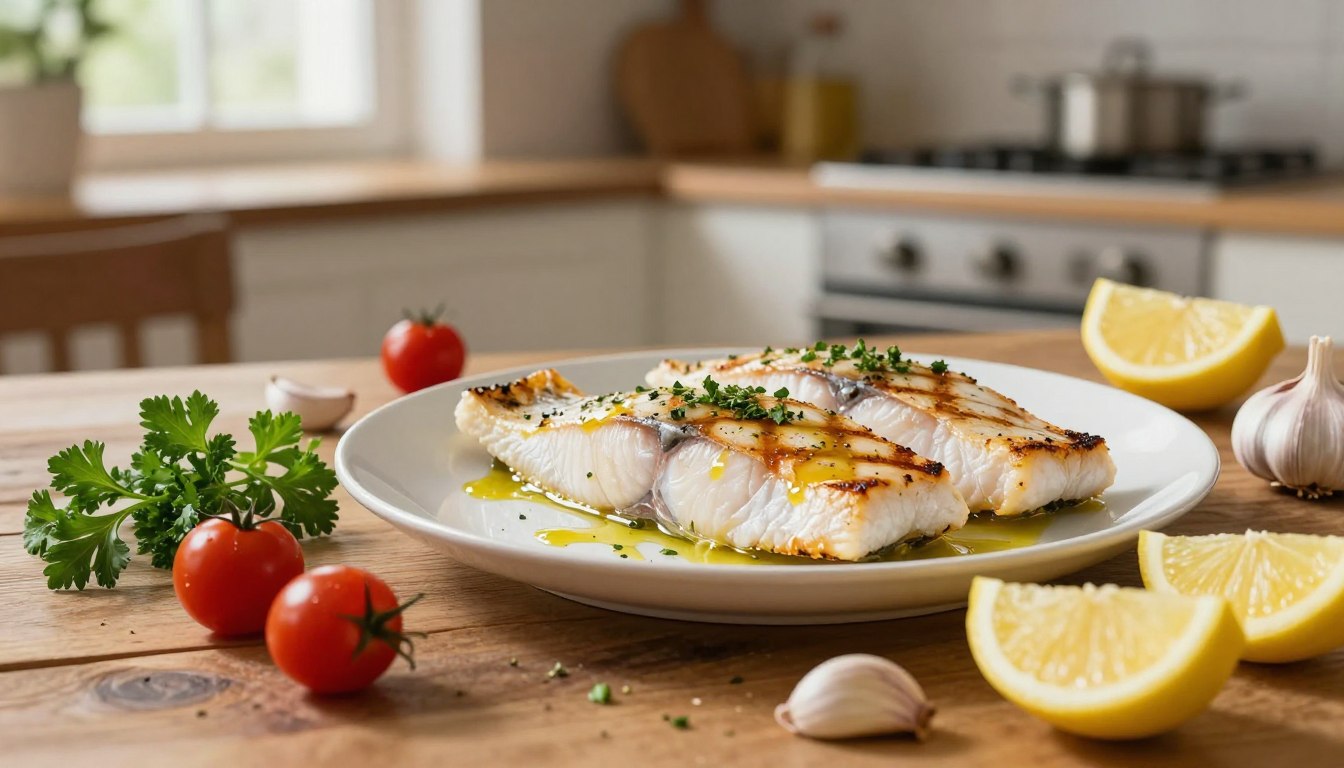
How to Make Bonito Italian Style
When you smell a fresh catch at the market, memories come flooding back. You might think of summers by the Tuscan coast or special dinners. This guide will help you make bonito Italian style at home, with simple steps and flavors that feel timeless.
Bonito has a firm, dark flesh like tuna and is prized along Italian shores for being seasonal and affordable. Ancient cooks paired roasted bonito with a pungent sauce. This sauce blended pepper, lovage, celery seed, mint, rue, dates, honey, vinegar, wine, and oil. You can read more about this in a short historical note from a respected source on Roman cooking: ancient Roman bonito recipe.
Today, chefs like Andrea Sarri suggest serving bonito medium-rare to keep it tender. You’ll find easy bonito recipe variations later that adapt these techniques for weeknight meals. Whether you want a full traditional sauce or a quick sear with olive oil and white wine, you’ll learn both classic and modern ways to prepare and preserve this versatile fish.
Key Takeaways
- Bonito is a tuna-like, seasonal fish popular on Italian coasts and ideal for affordable, flavorful meals.
- This guide combines ancient sauce traditions with modern techniques for an authentic italian bonito fish recipe.
- You can learn how to make bonito Italian style at home with simple tools and pantry staples like olive oil, wine, and white pepper.
- Serve bonito medium-rare for best texture; tuna is a practical substitute when bonito is unavailable.
- Preserving methods and quick weeknight variations make bonito a practical choice for meal prep and family dinners.
Why Bonito Is a Classic Mediterranean Fish Choice
Bonito, also known as palamita in Italian, is a key fish in Mediterranean recipes. Its dark flesh is firmer than tuna but softer than mackerel. Chefs love it for its flexibility: it can be served raw, seared, baked, or preserved.
What bonito is and how it compares to tuna and mackerel
Bonito is a tuna-like fish, but it’s a bit smaller and less expensive. It has a meaty taste, but it’s not as oily as mackerel. This makes it perfect for many recipes, offering a strong flavor and easy handling.
Health and nutritional benefits of pesce azzurro (oily fish)
Bonito is rich in omega-3s, protein, and nutrients found in mackerel and tuna. Eating oily fish like bonito is good for your heart and brain. Traditional recipes keep it simple to preserve its health benefits.
Regional Italian traditions and festivals celebrating bonito
Coastal towns in Italy celebrate bonito season with fairs and dishes. In Tuscany, there’s a festival called la festa della palamita. Here, fresh palamita is grilled, stewed, or jarred. Recipes often come from family traditions passed down through generations.
Essential Ingredients for a Traditional Italian Bonito Recipe
To make a traditional bonito recipe, start with fresh fish. Look for whole bonito with bright eyes and firm flesh. If you can’t find bonito, tuna is a good substitute.
For preserved palamita sott’olio, buy whole fish. Cut steaks about 5–6 cm thick, keeping skin and bones.
Fish and freshness: selecting whole bonito or steaks
Choose fish with clear eyes and shiny skin. It should have no bad smell. Press the flesh; it should spring back.
When buying steaks, ask for skin and a bit of bone. This adds flavor. Freshness is key for the best recipe.
Pantry staples: olive oil, white wine, white wine vinegar, honey
Quality olive oil is crucial for searing. White wine brightens sauces and deglazes pans. White wine vinegar adds a lift in dressings and marinades.
A little honey or dates balance acidity in sauces. These items are the base of many recipes.
Aromatic herbs and spices: mint, rue, parsley, lovage, celery seed, white pepper
Use mint and parsley for fresh flavors. Rue adds a bitter taste, use it sparingly. Lovage and celery seed add depth.
White pepper adds mild heat. Balance strong herbs with milder ones to avoid overpowering the fish.
Optional add-ins: dates, bay leaves, peppercorns, chili
Dates or a single chopped date add sweetness. Bay leaves and whole peppercorns are good for long-term storage. Fresh chili or red pepper flakes add heat.
For preservation recipes and cooking techniques, see simple fish recipes.
When gathering ingredients, think about texture and balance. Panko and grated Parmesan make a crisp crust. Butter adds a silky lemon-butter finish.
Pair the fish with creamy mashed cauliflower, garlic white bean mash, or a bright salad for a complete meal.
Tools and Equipment You Need
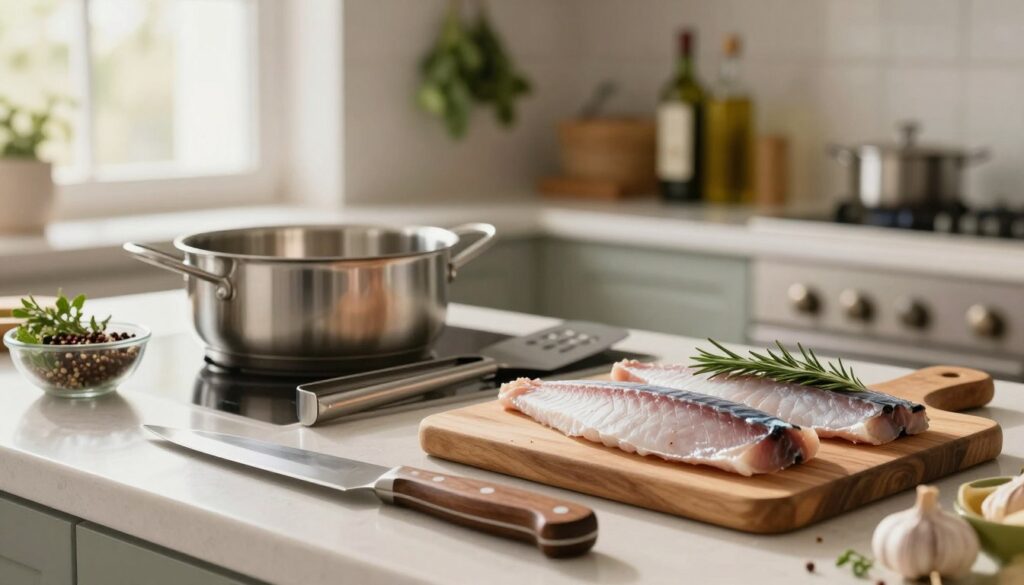
To cook bonito well, you need a small set of reliable gear. Choose tools that make cleaning, cutting, searing, baking, and preserving safe and efficient. The right items speed prep and protect the fish’s texture and flavor.
Kitchen tools for cleaning and cutting whole bonito
Start with a sharp fillet knife or a Victorinox boning knife for gutting, filleting, and cutting steaks. Use a large wooden or plastic cutting board so the fish fits comfortably. Kitchen shears help trim fins and small bones. If your bonito has scales, a simple fish scaler saves time.
Keep disposable gloves and clean towels nearby to handle the fish safely and to pat fillets dry.
Cookware options: griddle, skillet for pan-searing, baking dish for baked preparations
For a crisp sear, use a heavy cast-iron skillet or a flat cast-iron griddle. An oven-safe skillet lets you move from stovetop to oven without extra pans. Choose a glass or ceramic baking dish when you make baked bonito italian style; the even heat gives tender results.
A shallow sauté pan works well for finishing sauces.
Bring an instant-read thermometer to the counter. For pan-seared bonito recipe equipment, aim for about 120–125°F for a medium-rare center, adjusting to your taste. Use tongs with a silicone tip to flip without tearing the flesh.
Preserving gear for palamita sott’olio (jars, canning supplies)
When you preserve bonito, assemble sturdy jars like Mason or Weck with tight lids. Use a large pot for brining or salt-cooking, plus bowls for soaking and rinsing. A funnel makes filling jars neater. Kitchen twine and waterproof labels keep track of dates and recipes.
Follow safe canning or refrigeration steps to extend shelf life. For longer keeping, use tested canning methods; for short-term storage, refrigerate jars in a cool, dark spot. These preserving bonito sott’olio tools keep your work sanitary and reliable.
- Quick checklist: fillet knife, cutting board, shears, scaler, cast-iron skillet, griddle, oven-safe dish, instant-read thermometer, Mason/Weck jars, funnel.
- Pro tip: Match tools to technique. Use pan-seared bonito recipe equipment for fast, high-heat cooking and switch to preserving bonito sott’olio tools when making oil-packed batches.
how to cook bonito fish: Basic Techniques for Best Results
There are three easy ways to cook bonito. Each method highlights different textures and tastes. Pick the one that suits your meal and schedule.
Pan-searing to medium-rare: timing and temperature tips
Try pan-searing for a quick, tasty dish. Heat a heavy skillet or griddle until it’s very hot. Dry the steaks or loins, brush with oil, and sear for about a minute on each side.
Use a thermometer or press the meat to check if it’s done. Serve right away to keep it tender. This method is great for a Mediterranean-style dish, bringing out fresh flavors.
Baked bonito Italian style: when to choose baking and suggested oven temps
Opt for baking for thicker cuts or a more relaxed cooking method. Set the oven between 350°F and 400°F. Lower temps roast slowly, while higher temps cook faster and crisp the edges.
Check the fish often and take it out when it’s just cooked. A baked bonito dish goes well with white wine, olive oil, and herbs.
Simmering and poaching for preserved bonito sott’olio
To preserve bonito, simmer steaks in salted water for one-and-a-half to two hours. Use about 600 grams of rock salt in 3 liters of water. Adjust as needed for your batch.
After cooking, drain, debone, and chill the fish. Remove skin and press to get rid of excess moisture. Pack the fillets in jars with bay leaves and peppercorns, then cover with oil. Store in a cool, dark place or fridge; flavors improve over time.
For a historical twist, see the ancient Roman bonito recipe at ancient Roman bonito recipe.
bonito Italian style recipe
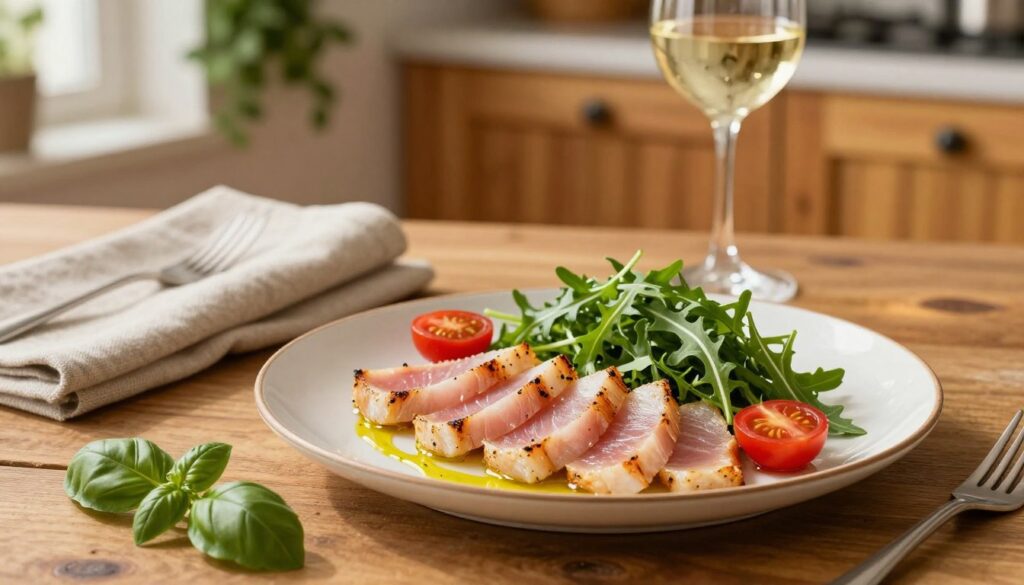
You can add ancient Roman flavor to your kitchen with a simple ius in cordula assa. This guide offers a clear recipe for an authentic Italian bonito dish. It balances sweet, tangy, and herbal flavors.
Ancient-inspired sauce (ius in cordula assa)
Gather celery seed, lovage, and white pepper. Add fresh mint and a small piece of rue if you have it. Mix in one date or a teaspoon of honey, a splash of white wine and vinegar, and extra-virgin olive oil.
Modern adjustments
Use white pepper for a bright spice. If rue is not available, use parsley, oregano, or young celery tops. Use the date sparingly to avoid too much sweetness.
Step-by-step method
Grind celery seed, lovage, and white pepper until fine. Mince mint and the date, then mix with the spices to make a paste.
Whisk in honey, white wine, vinegar, and olive oil. This makes a loose, emulsified sauce. Pat your bonito dry and cut into thick steaks or slices.
Heat a heavy skillet or griddle until hot. Sear the bonito for a quick crust, or cook to your liking. You can also bake the fish for a gentler finish.
Brush or spoon the sauce over the fish before serving. Or serve it on the side for guests to choose how much they want.
Serving suggestions
Keep sides simple to honor Italian tradition. Offer crusty bread, roasted or boiled potatoes, or a salad of cannellini beans with red onion. Dress with red wine vinegar and olive oil.
Tossed pasta with fresh tomato and basil is a good choice. You can also garnish with parsley or extra mint. Historical companions like boiled eggs and bitter herbs add a rustic touch.
| Component | Traditional Ingredient | Modern Option |
|---|---|---|
| Base spice mix | Celery seed, lovage | Celery seed, dried lovage or parsley |
| Herbs | Mint, rue | Mint, parsley or oregano |
| Sweetener | Dates | One date or 1 tsp honey |
| Acid | Vinegar, wine | White wine and white wine vinegar |
| Fat | Oil | Extra-virgin olive oil |
| Cooking method | Quick sear as Apicius notes | Sear 1 min per side or bake to preference |
This method creates a classic Italian bonito dish. It feels rooted in history but fits modern tastes. Adjust herbs and sweetness to your liking.
Easy Italian Bonito Recipe Variations for Weeknight Dinners
These three weeknight ideas are quick and flavorful. Each one suits a different mood: a saucy pasta, a fresh salad, or a simple bake. You can use fresh steaks or preserved palamita sott’olio, depending on what you have.
Quick pan-seared bonito with tomato and basil for pasta
Heat a skillet until hot. Add olive oil and sear bonito steaks for about 1.5 to 2 minutes per side. Let them rest, then slice thin. Mix with a simple tomato and garlic sauce, fresh basil, and pasta for a quick, tasty dinner.
Simple bonito with white beans and red onion salad
Flake bonito over cannellini beans. Dress with red wine vinegar, olive oil, salt, and red onion. Serve on toasted bread or as a salad. This recipe is quick, protein-rich, and ready in under 15 minutes.
Light Mediterranean-style baked bonito with lemon and oregano
Place bonito steaks in a baking dish. Add lemon slices and oregano, season, and drizzle with olive oil. Bake until just cooked. This recipe is family-friendly and easy, yet packed with Mediterranean flavors.
Below is a quick comparison to help you pick the right weeknight option.
| Variation | Time | Key Steps | Best For |
|---|---|---|---|
| Tomato & Basil Pasta | 20–25 minutes | Seared steaks, quick tomato sauce, toss with pasta | Comfort dinners and date nights |
| White Beans & Red Onion Salad | 10–15 minutes | Flake bonito, mix with beans, dress and serve | Light, protein-rich meals and packed lunches |
| Lemon & Oregano Bake | 25–30 minutes | Arrange steaks, add lemon and oregano, bake gently | Family dinners and easy batch cooking |
Preserving and Preparing Bonito for Make-Ahead Meals
You can turn a fresh catch into a pantry staple that feeds weeknight dinners and guests. This guide will show you how to salt-cook, chill, bottle, store, and use your bonito. This way, your make-ahead bonito recipe will work every time.
Palamita sott’olio starts with simple steps. Cut off the head and tail, then slice into 5–6 cm steaks. Keep bones and skin on. Rinse with vinegar and water, then soak in cold water for 2–3 hours. Change the water to remove blood and slime.
Next, prepare a large pot of well-salted water. Use 3 L water for 600 g rock salt. Simmer the steaks, covered, for 1.5–2 hours until they’re cooked. Drain and cool briefly, then remove the central bone and skin. Break the flesh into bite-size pieces and pat dry.
Press and chill the fish in the refrigerator for several hours. Pack the cold pieces into sterilized jars with bay leaves and whole peppercorns. Cover with neutral vegetable oil or extra virgin olive oil for flavor. Seal jars and store in a cool, dark place or refrigerate. The jars will get better with age; wait at least one month before tasting.
When preserving bonito, follow safety rules. Properly prepared palamita sott’olio stored in the fridge will last weeks to months. After opening, refrigerate and use within recommended timelines. For shelf-stable canning, use tested methods and follow local food-safety guidelines to avoid risk.
Preserved bonito uses are flexible and fast. Toss flakes into a white bean and red onion salad, fold into a quick pasta sauce, or build a panino. Spread on crostini as antipasti or mix into a simple potato salad. This makes for an easy bonito recipe that shines on busy nights.
If you want a make-ahead bonito recipe that saves time, keep a jar or two on hand. Use small portions straight from the jar for pizza, salads, or an instant sandwich. Enjoy the layered flavors of preserved fish when you need fast, flavorful dinners and snacks.
Flavor Tips and Troubleshooting
Start by tasting as you go and keep flavors simple. A traditional italian bonito recipe uses five key ingredients: good oil, salt, pepper, lemon, and the fish. These help build brightness and balance before adding strong herbs.
Balancing strong herbs
Rue and lovage have strong flavors that can overpower a sauce. Use a small amount of rue and mix it with fresh mint and parsley to balance it. If rue is hard to find, try parsley, oregano, or young celery tops instead.
Grind celery seed and lovage carefully. Add white pepper or a bit of paprika to enhance flavors without hiding the fish. Add herbs at three stages: before cooking, during, and as a fresh finish to keep the aroma alive.
How to avoid overcooking oily fish
Bonito is oily and cooks best with quick, high-heat methods. For thin steaks, sear for about one minute on each side for a medium-rare center. For thicker cuts, sear and then finish in a hot oven briefly.
Pat the fillets dry and let them come to room temperature for 15–20 minutes before cooking. Heat the pan until a water droplet sizzles and disappears. Use 1–2 tablespoons of oil and add butter in the last 30 seconds for extra flavor without burning the dairy.
Substitutions and adjusted timing
Tuna is a good substitute and cooks like bonito; aim for a medium-rare center. Sardines are good for sauces or preserved dishes but cook faster and need gentle handling. Canned or preserved tuna and sardines are great for salads and spreads.
When substituting for bonito, reduce cooking time for smaller fish and watch the texture closely. For more oil and timing tips, check out this guide at the most versatile fish recipe.
| Ingredient or Swap | When to Use | Cooking Notes |
|---|---|---|
| Bonito | Main ingredient for traditional italian bonito recipe | Sear high heat 1 min/side for thin steaks; remove at 140°F |
| Tuna | Direct substitute for medium-rare preparations | Same sear times as bonito; rests to finish carryover cooking |
| Sardines | Use in sauces, small fillets, or preserved versions | Cook quickly; reduce sear/bake time; great in tomato-based sauces |
| Parsley / Oregano | Substitute for rue when unavailable | Milder, add fresh at the end to brighten dishes |
| Refined olive oil / Avocado / Grapeseed | High-heat searing | Use 1–2 tbsp for pan; add butter at the last 30 seconds for flavor |
Conclusion
You now know how to make the best Italian bonito recipe. It combines old techniques with simple coastal cooking. Start with fresh fish and use olive oil, white wine or vinegar, and herbs.
This method makes a meal that tastes authentic and clean. You can sear or bake it, depending on your preference. This way, you can enjoy bonito Italian style without any hassle.
Palamita sott’olio is a great way to preserve fish for later. It’s perfect for salads, pasta, and sandwiches. This method is easy and convenient for busy days.
By following these steps, you can make a preserved staple for quick meals. Adjust the herbs and cooking time to suit your taste. This way, you can enjoy a delicious Italian bonito dish at home.
Making an authentic Italian bonito fish recipe is affordable and rewarding. You only need basic tools and pantry staples. This lets you honor Italian traditions while keeping meals simple and tasty.
Experiment with different herbs and serving ideas. See how this versatile fish can become a staple in your meals. Enjoy the flavors and traditions of Italian cooking in your own kitchen.