How to Make African Spiced Grilled Fish
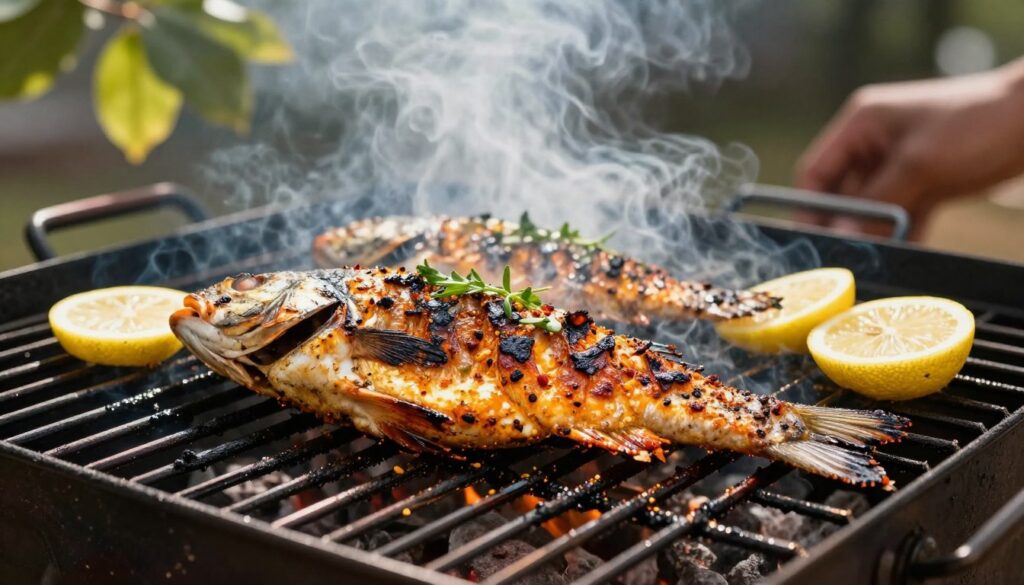
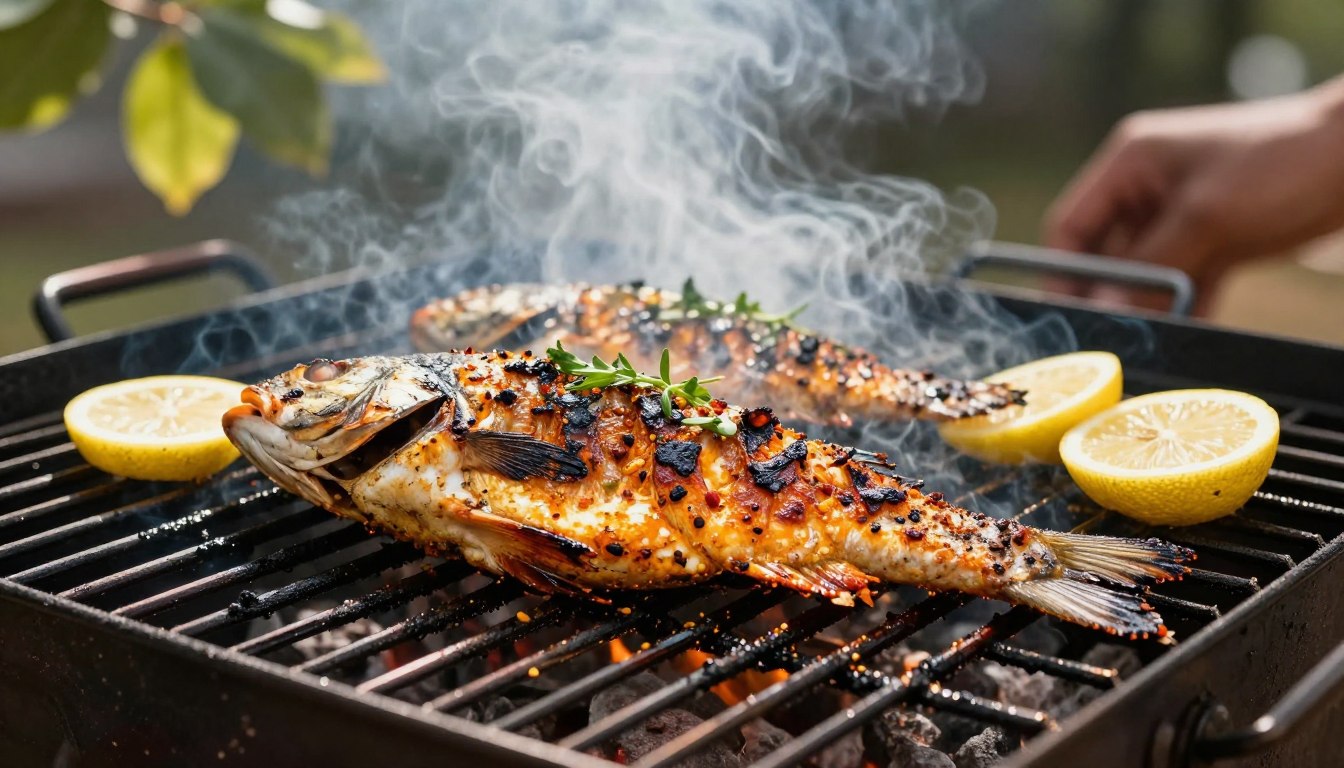
Ever tasted something so flavorful it took you somewhere else? That’s what african spiced grilled fish does. It brings the taste of African kitchens to your backyard grill. It’s more than just cooking fish; it’s honoring traditions from across the continent.
The magic of african spiced grilled fish is in its bold flavors and simple elegance. You mix spices like cayenne, berbere, suya, and peri peri with fresh ginger, garlic, and chili peppers. These ingredients create something truly special. When you learn how to cook fish the African way, you see that technique is just as important as ingredients.
Choosing the right fish is key. Whether it’s salmon, snapper, tilapia, or halibut, proper preparation is crucial. You need to marinate the fish right, control the grill temperature, and balance the flavors. The good news? Making authentic african spiced grilled fish at home is easy. You don’t need fancy equipment or years of experience.
This guide will teach you everything. You’ll learn which fish are best for grilling. You’ll discover how to mix spices that taste authentic. You’ll master grilling techniques for restaurant-quality results. By the end, you’ll be confident making this incredible dish whenever you want.
Key Takeaways
- Firm fish varieties like salmon and halibut handle high heat better than delicate white fish
- African spice blends such as berbere, suya, and peri peri create the signature bold flavor profile
- Proper marination time balances citrus, oil, and spices for maximum taste development
- Grilling temperature should reach 400°F-450°F with careful monitoring to prevent overcooking
- Internal temperature of 135°F-140°F ensures moist, perfectly cooked fish every time
- Keeping the fish skin on during grilling protects the flesh and retains important moisture
- Fresh aromatics like ginger, garlic, and chili peppers complement traditional African spice blends
Understanding African Spiced Grilled Fish Traditions
Exploring grilled fish with African spices takes you back centuries. Coastal communities in Africa developed unique cooking methods. These methods were shaped by trade, climate, and cultural exchanges.
These traditions have influenced how we cook seafood today. Grilled fish with African spices tells stories of merchants, explorers, and home cooks. They perfected their craft over generations.
The flavors in grilled fish with African spices come from historical connections. Arab traders, Portuguese explorers, and Indian merchants brought ingredients to East Africa. These influences mixed with local herbs and spices, creating something new.
Understanding this background makes every bite special. It shows the effort and history behind the flavors and techniques.
The Rich Heritage of Swahili Coastal Cooking
Swahili cuisine is a beautiful mix of cultures along the East African coast. Preparing grilled fish with African spices in the Swahili way honors centuries of trade and cultural exchange. This style uses vibrant spices, fresh chilis, and aromatic ingredients brought by traders.
Samaki wa Kupaka is a famous Kenyan dish you should try. It features fish marinated and grilled over hot charcoal. Then, it’s topped with a spicy coconut sauce. The combination of charred fish skin and creamy, tangy sauce is unforgettable.
| Key Swahili Influences | Main Ingredients | Flavor Profile |
|---|---|---|
| Arab Influence | Cumin, coriander, cardamom | Warm and aromatic |
| Portuguese Influence | Chili peppers, garlic | Bold and spicy |
| Indian Influence | Turmeric, ginger, fenugreek | Rich and complex |
| Local African Touch | Fresh herbs, coconut milk | Fresh and creamy |
Regional Variations Across the Continent
Grilled fish with African spices varies greatly from region to region. Each area has its own spice palette and cooking philosophy. Local ingredients shape every dish, making African cuisine special.
Different regions add unique flavors to their preparations:
- West African style features suya spices and groundnut influences, creating nutty, savory flavors
- North African approach uses chermoula marinades with cilantro and preserved lemon for bright, tangy notes
- Southern African tradition emphasizes peri peri preparations with Portuguese-influenced chili sauces
- Ethiopian method showcases berbere spice blends with distinctive fenugreek and cardamom
Despite differences, all regions share a common thread. Bold, aromatic seasonings enhance fresh fish in every tradition. The cooking method might change, but the commitment to vibrant spices remains constant. Understanding these regional traditions reveals why grilled fish with African spices tastes so extraordinary.
Selecting the Perfect Fish for Grilling
Choosing the right fish is key to making delicious spicy grilled tilapia African style. The fish you pick will affect how well it takes in the marinades and spices. Look for fish that is slightly firm with white or light flesh. This type of fish will hold up well on the grill without falling apart.
Tilapia is the traditional choice for spicy grilled tilapia African style. It has a mild flavor that absorbs bold African seasonings well. For authentic presentations, use medium-size whole tilapia weighing 1 to 2 pounds. If you prefer quicker cooking, 3-ounce filets are a great option.
There are other great fish options too. Salmon has a richer, oilier texture that pairs well with coconut-based sauces. Snapper has sweet, delicate meat that’s perfect for grilling. Sea bass is great for special occasions, and mackerel offers a robust flavor for adventurous cooks.
When buying whole fish, look for clear and bright eyes, firm flesh, and a fresh ocean smell. The skin should be moist and shiny. For grilled fish recipes, make sure filets are even in thickness for even cooking.
You can choose between whole fish and filets. Whole fish looks great and stays moist during grilling. Filets are easier to cook and faster. Ask your fishmonger to scale and gut whole fish before you take it home. This saves you time and ensures your dish turns out perfectly.
| Fish Type | Size Recommendation | Texture | Best For | Cooking Time |
|---|---|---|---|---|
| Tilapia | 1-2 lbs whole or 3 oz filets | Firm, white flesh | Spicy African style | 5 minutes total |
| Salmon | 3-4 oz filets | Firm, oily flesh | Coconut sauces | 6-8 minutes total |
| Snapper | 1-2 lbs whole | Delicate, firm flesh | Bold seasonings | 5-6 minutes total |
| Sea Bass | 1.5-2 lbs whole | Tender, white flesh | Special occasions | 6 minutes total |
| Mackerel | 1-1.5 lbs whole | Firm, oily flesh | Robust flavors | 5-7 minutes total |
Knowing about fish helps you make better choices. Fatty fish like salmon can handle high heat without drying out. Lean fish like tilapia need gentler cooking to stay moist. Fresh fish from trusted sources makes your dish taste its best.
For fish recipes for every cooking style, preparation is as important as selection. Pat your fish dry before grilling to help seasonings stick. Cut deep slits into whole fish to let marinades penetrate the flesh. These steps can make your spicy grilled tilapia African style truly outstanding.
- Look for clear, bright eyes in whole fish
- Press the flesh to confirm firmness and spring-back
- Smell the fish—fresh ocean scent only, no fishy odor
- Choose even-thickness filets for consistent cooking
- Ask your fishmonger to scale and gut whole fish
- Purchase fish the same day you plan to grill
Your fish selection is the foundation for a great dish. Start with quality fish, and your spicy grilled tilapia African style will be a hit with authentic flavor and perfect texture.
Essential African Spices and Seasonings
African grilled fish gets its magic from spices and seasonings. These ingredients turn a simple fillet into something unforgettable. They create bold, complex flavors that define regional cooking traditions across the continent.
African fish seasoning comes from thousands of years of tradition. Different regions developed their own blends based on local ingredients and trade. Each blend tells a story of cultural exchange and local innovation.
Traditional Spice Blends: Berbere, Suya, and Peri Peri
Ethiopian berbere grilled fish features a warming blend. It includes fenugreek, coriander, cardamom, black pepper, cinnamon, cloves, and chili peppers. This complex mixture creates an earthy, layered heat that makes every bite interesting.
Suya spiced fish comes from West Africa. It combines ground peanuts with cayenne pepper, ginger, and garlic. This blend creates a nutty, spicy crust that sticks to the fish beautifully.
Peri peri grilled fish represents a Portuguese-African fusion. It packs serious heat and brightness. African bird’s eye chilis combine with lemon, garlic, and paprika to create a fiery, citrusy flavor.
East African cooking brings the Zanzibar Zest style. It blends cinnamon, cloves, ginger, and cardamom for aromatic warmth. This spice combination reflects the region’s historic spice trade and creates a more subtle, warming profile.
Fresh Aromatics: Ginger, Garlic, and Chili Peppers
Fresh ingredients form the foundation of every great fish marinade. These aromatics work together to create depth, heat, and complexity that dried spices alone cannot achieve.
Fresh ginger root adds zingy warmth and helps tenderize your fish naturally. Use ½ to 1-inch pieces, either minced or grated, depending on how intense you want the flavor. Ginger also aids digestion and brings health benefits to your meal.
Garlic cloves provide pungent depth that builds flavor throughout cooking. Plan for 4 to 6 cloves per recipe, minced finely or pressed. Fresh garlic beats garlic powder when you want maximum impact and freshness.
Chili peppers deliver heat levels from moderate to intense based on your choice. Scotch bonnet peppers bring Caribbean fire, while bird’s eye chilis offer focused heat. You can adjust the quantity to match your spice tolerance perfectly.
Fresh or dried thyme and rosemary contribute herbal notes that balance spiciness. Citrus like lime or lemon juice adds brightness and helps your marinade penetrate the fish more effectively. When you combine all these fresh aromatics, you create a homemade fish seasoning blend that tastes far superior to anything store-bought.
- Ground ginger: ½ teaspoon for dried blend
- Garlic powder: 1 tablespoon for base seasoning
- Black pepper: ½ teaspoon for bite
- Smoked paprika: 2 teaspoons for depth
- Cayenne pepper: ¼ teaspoon (adjust for heat level)
- Dried oregano: 1 teaspoon for herbal notes
- Salt: 1 teaspoon to taste
For fish grilling, use 1 to 2 teaspoons of your spice blend per fillet. This ratio works across different fish types and sizes. Flavor-packed fish recipes with simple ingredients often rely on these fundamental aromatics as their base.
Pat your fish dry before applying seasonings. This simple step helps the spices stick better and creates better browning during grilling. Dry fish also cooks more evenly and develops a better crust.
Store your spice blends in airtight containers away from direct sunlight and heat. Proper storage keeps your seasonings fresh and potent for months. Keep these blends close to your grill station so you can season with confidence and speed.
| Spice Blend | Origin Region | Flavor Profile | Best Fish Types | Heat Level |
|---|---|---|---|---|
| Ethiopian Berbere | Ethiopia | Earthy, warming, complex | Salmon, sea bass, sturdy white fish | Medium to High |
| Suya Blend | West Africa | Nutty, spicy, textured | Cod, tilapia, haddock | Medium to High |
| Peri Peri Mix | Portuguese-African Fusion | Bright, fiery, citrusy | Pollock, mahi-mahi, snapper | High |
| Zanzibar Zest | East Africa | Aromatic, warm, subtle | Delicate white fish, sea bass | Low to Medium |
Finding these ingredients takes some effort but rewards you with authentic flavors. Visit specialty African or international markets in your area. Many online retailers ship quality spices directly to your home. When certain items prove hard to find, acceptable substitutions exist for most ingredients without compromising your final dish.
Preparing Your Fish for Maximum Flavor
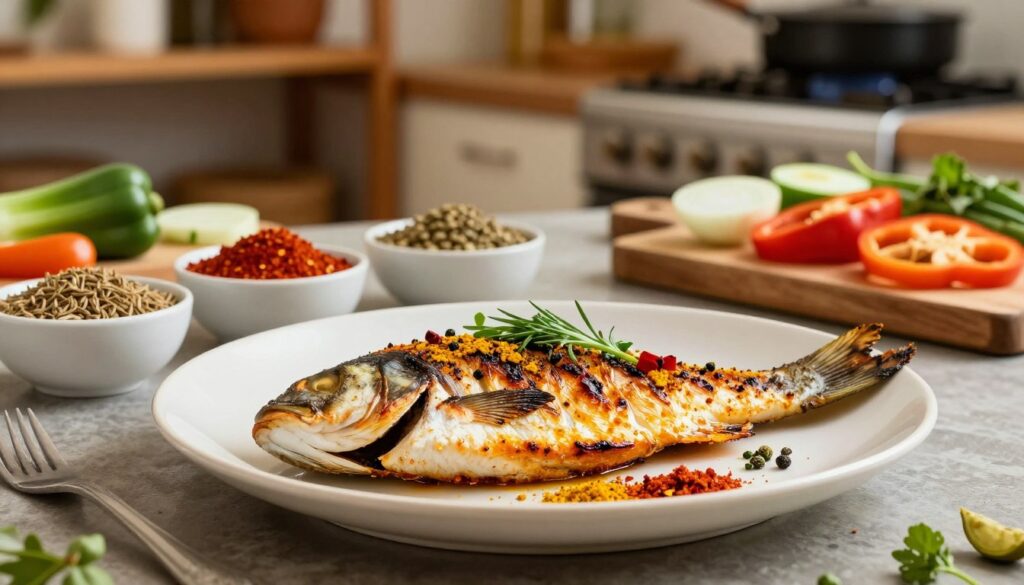
Getting your fish ready is key when making grilled fish with African seasoning. Proper preparation ensures every bite is full of flavor. Cleaning and preparing your fish correctly is crucial before you even start the marinade.
Begin by rinsing your whole fish under cold water. Use your fingers or a small knife to remove scales, starting from the tail and moving towards the head. Then, pat your fish dry with paper towels. This step is important because moisture stops the marinade from sticking well.
For whole fish, make deep incisions on both sides. Place these cuts 1 to 2 inches apart, about half an inch deep. These cuts help the flavors of the African seasoning get deep into the fish, not just the outside. This makes every bite full of flavor.
If you’re using filets, check for pin bones by feeling the meat. Use tweezers to remove any bones you find. If the skin is still on, lightly score it to prevent curling during cooking.
Think about how much fish you need. Whole fish should be 1 to 2 pounds for one serving. Filets are best at 3 to 4 ounces each.
Take your fish out of the fridge 15 to 20 minutes before grilling. This helps it cook evenly all over.
- Rinse fish thoroughly under cold water
- Scrape away scales from tail to head
- Pat completely dry with paper towels
- Make deep incisions 1-2 inches apart on whole fish
- Remove pin bones from filets with tweezers
- Allow fish to reach room temperature before cooking
When you’re ready to use your marinade, rub it into your fish well. Make sure to get it into all the incisions and cover every surface. This way, your fish will be full of flavor and taste just right.
Creating the Perfect Marinade
A great marinade is key to any west african grilled fish recipe. Mastering the mix of citrus, oil, and spices makes your fish special. It tenderizes, flavors, and keeps it moist on the grill. Let’s dive into making a marinade that’s perfect for your next dish.
Balancing Citrus, Oil, and Spices
For a winning marinade, focus on three main ingredients. Citrus juice like lime or lemon adds brightness and breaks down proteins gently. Use one tablespoon of citrus juice per pound of fish. Oil—like olive, coconut, or vegetable—carries flavors deep and prevents sticking. Start with two tablespoons of oil.
Spices give that unique African taste. For authentic flavor, mix minced garlic, ginger, and chili peppers with dried spices like cayenne pepper, thyme, and rosemary. Blend until it’s a thick paste that sticks to the fish.
- 3 to 4 minced garlic cloves
- ½ inch of fresh ginger, minced
- ½ fresh onion, finely chopped
- 1 to 2 chili peppers, minced
- 2 tablespoons olive oil
- 1 tablespoon citrus juice
- 1 teaspoon salt
- ½ teaspoon cayenne pepper
- Fresh herbs like thyme or rosemary
Marinating Time for Optimal Taste
Timing is crucial for your west african grilled fish recipe. Fish fillets need at least 20 to 30 minutes in the marinade. But, four to eight hours is best. Whole fish benefit from longer marinating—overnight in the fridge is ideal.
Remember these tips:
- Delicate fish like tilapia do well with shorter marinating times—up to four hours maximum
- Firmer fish like salmon can handle eight hours or overnight marinating
- Always cover your marinating fish with foil or plastic wrap
- Store everything in the refrigerator to prevent spoiling
Pro tip: Save some marinade before adding the raw fish. Use this reserved portion for basting during cooking. This step adds more flavor to your west african grilled fish recipe.
Making the Signature Pepper Sauce
The pepper sauce is key to your African spiced grilled fish. It’s used as a basting liquid and a dipping sauce. Making it at home is quick but adds real West African flavors to your meal.
To start, prepare fresh ingredients. You’ll need one red bell pepper, one or two scotch bonnet peppers, three garlic cloves, and a piece of fresh ginger. Blend them until you like the texture. You can choose chunky or smooth, based on your taste.
Step-by-Step Sauce Preparation
Choosing the right method is as important as the ingredients. Here’s how to make a top-notch pepper sauce:
- Heat one tablespoon of oil in a medium pan over medium heat
- Chop half an onion and sauté until it’s fragrant and translucent (about 3-4 minutes)
- Add your blended pepper mixture to the pan
- Stir in one to two Knorr cubes and salt to taste
- Lower the heat and simmer for 15 minutes, stirring occasionally
- Watch as oil settles on top of the sauce
- Carefully pour off the excess oil and discard it
This slow cooking turns your raw mixture into something amazing. It develops deep flavors and thickens the sauce. This makes it perfect for basting and dipping.
Using Your Pepper Sauce
Once your sauce is thick enough, split it in two. Use half for basting your fish on the grill. You can also put some inside the fish for extra flavor. Save the other half for serving at the table.
| Serving Option | Best Paired With | Serving Method |
|---|---|---|
| As a dip | Fried plantains | Small bowl on the side |
| As a dip | Roasted yams | Small bowl on the side |
| As a dip | Boiled rice | Spoon alongside |
| As a dip | Fufu | Small bowl on the side |
| Basting liquid | Fish during cooking | Brush on with heat-safe brush |
Your pepper sauce works with the marinade you did earlier. The marinade gets the fish ready from the inside. The sauce adds bold flavor and a caramelized outside. Together, they make the authentic African spiced fish everyone loves.
Grilling Techniques for African Spiced Grilled Fish
Grilling fish with African spices is an art. It’s about heat, timing, and technique. You need to control the temperature and know when to add sauces. This way, your fish will have a great char and be tender inside.
Temperature Control and Timing
First, heat your grill to 350-400°F (180-200°C). This is the best temperature for fish. Before grilling, grease the grates with oil. This prevents the fish from sticking.
Grilling time varies. For fish filets, follow this:
- Grill skin-side up for 7 minutes
- Flip and grill for 5 additional minutes
- Apply sauce and grill for 3 more minutes
Whole fish takes longer. Start with a 5-minute sear. Then, baste with pepper sauce and grill for 30-40 minutes. It’s done when it’s opaque and the juices run clear.
For whole fish, cook 10 minutes per inch of thickness. Turn it gently to avoid breaking the meat.
Basting Methods During Cooking
Basting adds flavor and keeps the fish moist. Apply sauce when almost done. Use a spoon or brush to coat the flesh, not the skin.
For whole fish, baste into incisions. This lets flavors reach the meat. Let the sauce caramelize for 3-5 minutes.
Don’t over-baste, as it can make the fish soggy. One or two basting sessions are enough. Proper basting and temperature control make your fish taste like it’s from a restaurant.
Alternative Cooking Methods: Oven and Broiler Options
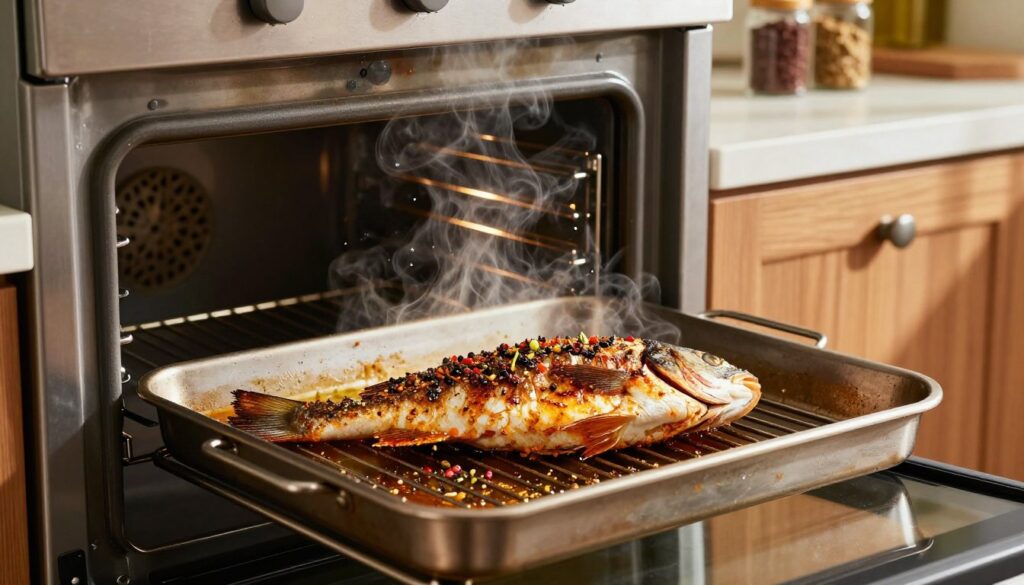
You don’t need an outdoor grill to make tasty African spiced fish. Your oven and broiler can do the job well. They let you control the heat and cooking time, perfect for beginners.
For oven cooking, set the temperature to 400°F. This method works great for fish fillets and whole fish. The fish cooks evenly, staying moist and getting a golden exterior. Oven-grilled tilapia with fried plantains shows how tender and flavorful it can be.
The broiler method uses intense heat from above. Place your oven rack 4 inches from the heat for good cooking. Cooking skin-side down keeps the bottom moist and the top charred.
| Cooking Method | Temperature/Setting | Initial Cook Time | Additional Time with Sauce | Best For |
|---|---|---|---|---|
| Oven Baking | 400°F | 20 minutes (fillets) | Brush olive oil halfway through | Even cooking, moist fish |
| Broiler Method | High heat, 4 inches from source | 8 minutes | 5-6 minutes with sauce | Charred exterior, quick cooking |
| Grill Pan (Stovetop) | Medium-high heat | 5-7 minutes per side | Until 145°F internal temperature | Indoor grilling feel |
For great indoor cooking, follow these steps:
- Use a baking tray with raised edges to catch oil and drippings
- Line your tray with aluminum foil for easy cleanup
- Watch your fish closely under the broiler since intense heat can quickly char the surface
- Crack your oven door slightly if your broiler runs very hot
- Use olive oil in your marinade to keep the fish moist during cooking
Indoor cooking produces less smoke when you use moderate oil amounts and avoid crowding your pan. Your fish will stay moist and flavorful, no matter the method. These alternatives let you cook amazing African spiced fish anytime, without needing an outdoor grill.
Crafting Coconut-Tamarind Sauce for Coastal-Style Fish
The coconut-tamarind sauce is the heart of East African coastal cooking. It turns your grilled fish into a true Swahili dish called Samaki wa Kupaka. Unlike north african chermoula fish, which uses herbs, this sauce brings the Indian Ocean’s spice to African dishes. The mix of coconut milk and tamarind makes your fish taste like it’s from a restaurant.
Knowing the right ingredients is key. Coconut milk adds creaminess and balances chili heat. Tamarind gives a sweet-tart taste, with lime juice as a backup. Garlic, chili, and spices are the base of the flavor.
Ingredients and Preparation Steps
Start by gathering your ingredients. Here’s what you need:
- 1 tablespoon oil
- 2 cloves garlic, finely minced
- 1 bird’s eye chili, finely minced
- 1.5 teaspoons Zanzibar Zest spice blend
- 1 cup full-fat coconut milk
- ¼ cup tamarind concentrate
- 1 teaspoon salt
Here’s how to make your sauce:
- Heat oil in a saucepan over medium heat
- Add minced garlic, chili, and spices to the hot oil
- Sauté for one minute until fragrant
- Reduce heat to medium-low
- Slowly pour in coconut milk and tamarind concentrate
- Stir continuously to combine smoothly
- Simmer for 15 minutes, stirring occasionally
- Season with salt to taste
Sautéing for one minute is crucial. It releases oils from spices and garlic, enhancing flavors. This step makes your sauce rich and flavorful.
Achieving the Right Consistency
The sauce’s texture is important. It should coat the back of a spoon but still pour easily. It should look glossy and creamy, not separated or grainy.
Simmering thickens the sauce naturally. Stir occasionally to avoid scorching. The 15-minute simmer time melds flavors well.
If the sauce is too thick, add water or coconut milk slowly. If it’s too thin, cook a bit longer. Whisk vigorously if it separates.
Use the sauce in two ways: brush it on fish during grilling and spoon it over after. This ensures every bite is full of coastal flavor, just like north african chermoula fish and Swahili grilled fish.
Serving Suggestions and Traditional Accompaniments
Your African spiced grilled fish needs the right sides to complete the meal. The way you serve it can make a big difference. It brings together flavors and textures that honor cooking traditions across the continent.
For a senegalese grilled fish recipe, choose starchy sides that soak up sauces well. White rice or coconut rice is perfect for this. You can add coconut milk, cardamom, and raisins to the rice for extra sweetness.
There’s more to starchy sides than just rice. Grilled fish goes great with boiled or fried yams, roasted sweet potatoes, and fried plantains. Fufu, a pounded cassava or yam dish, is also great for scooping up fish and sauce.
Fresh vegetable sides add brightness and balance to your meal:
- Simple sautéed greens like collards, kale, or African spinach
- Kachumbari salad with fresh tomatoes, onions, lime, and cilantro
- Grilled vegetables including bell peppers, zucchini, and eggplant
- Cucumber and avocado salad for cooling contrast
How you present your dish is important. Serve whole fish on a platter with lime wedges and herbs. Arrange filets over rice with sauce drizzled on top. Offer extra sauce in small bowls for dipping. Add fresh cilantro, parsley, or sliced chilis for color and flavor.
Explore Caribbean side dishes for grilled fish too. They offer tropical flavors and exciting textures.
Here are some drinks to pair with your meal:
| Beverage | Flavor Profile | Why It Works |
|---|---|---|
| Hibiscus Tea (Bissap) | Tart and fruity | Refreshing contrast to spicy fish |
| Ginger Beer | Spicy and warming | Complements African spices naturally |
| Fresh Coconut Water | Light and tropical | Hydrating with subtle sweetness |
| Light Lager Beer | Crisp and clean | Won’t overpower delicate fish flavors |
When you serve your senegalese grilled fish with these accompaniments, you create a complete meal. It respects tradition while celebrating the flavors you’ve developed. Each element on the plate plays a role in the overall experience.
Tips for Preventing Common Grilling Mistakes
Grilling African spiced fish can be amazing, but mistakes can mess it up. Knowing what to avoid helps your fish stay moist and flavorful. The biggest mistake is overcooking it. Fish keeps cooking after you take it off the grill, so remove it a bit early.
Knowing when your fish is done is key to avoid dryness. Look for these signs:
- Flesh turns opaque throughout instead of translucent
- Juices run clear rather than milky white
- Internal temperature reaches 145°F on an instant-read thermometer
- Flesh flakes easily with a fork while staying together
- Skin pulls away from the meat naturally
When using easy oven-baked fish recipes for beginners, similar signs apply for grilling or baking.
Sticking is a big no-no for presentation and meat waste. Always preheat your grill grates and oil them well. Dry the fish skin before grilling. Don’t flip too soon—let it get a crust first. Use two spatulas for flipping whole fish to avoid unevenness.
Temperature control is crucial. Too high and the outside burns before the inside cooks. Too low and it dries out. Medium-high heat, between 350-400°F, is ideal.
Don’t be shy with seasonings. Fish tastes mild, so use plenty of marinade and spices. Make sure they cover all surfaces and cuts. Timing is also important—thicker fish takes longer. Use the 10-minutes-per-inch rule as a guide.
Before grilling, pat off excess marinade to avoid flare-ups. But keep a thin layer to keep the fish moist. After grilling, let the fish rest for 3-5 minutes. This helps juices redistribute, making the fish more moist and flavorful.
Conclusion
You now have all the tools to make authentic African spiced grilled fish at home. You’ve learned about the rich culinary traditions from across Africa. Each method, from Swahili to North African, adds unique flavors to your dish.
Start with fresh, firm fish and make balanced marinades. Use the right mix of citrus, oil, and spices. Let the fish marinate well so the flavors can penetrate deeply.
When grilling, watch the temperature and cooking time closely. This prevents overcooking the fish. Try different spice blends to find your favorite flavors.
The techniques work on outdoor grills, ovens, or grill pans. They’re great with tilapia, salmon, snapper, or other fish. Adjust spices to your liking and try new sides. Share your dish with loved ones and enjoy the African cooking spirit.
With practice, you’ll get better at grilling and spicing fish perfectly. You’ll become more confident in your cooking skills.