How to Make 50 Recettes de Crustacés
Ever seen a stunning platter of shrimp or lobster at a restaurant and wished you could make it at home? That feeling is where we start.
This guide is your roadmap to mastering 50 incredible crustacean dishes. It’s inspired by the French concept of a curated collection, made just for you.
Think of it as your cookbook and cooking class all in one. You’ll learn to pick the best shrimp, crab, and lobster. We’ll teach you how to cook them perfectly every time.
Looking for a quick seafood recipe or planning a special dinner? This guide will boost your confidence. It turns that initial wish into a skill you own, making impressive seafood recipes into meals you’re proud to serve.
Key Takeaways
- This guide is a comprehensive collection of 50 crustacean dishes, from simple to sophisticated.
- You’ll learn essential skills, starting with how to select the freshest catch at the market.
- It’s designed for all skill levels, whether you’re a beginner or an experienced cook.
- The focus is on building your confidence and knowledge in the kitchen.
- You’ll gain techniques that ensure perfect results with shrimp, lobster, crab, and more.
- It serves as both a recipe book and a step-by-step cooking guide.
- The goal is to help you create impressive meals for any occasion.
Dive Into the World of Shellfish Cooking
Starting your journey with crustaceans is easy. It’s all about exploring and having fun. You don’t need a special occasion to enjoy these sea treasures. There are “1001 recipes” waiting for you, ready to take you on a tasty adventure any time of the year.
Getting into shellfish recipes connects you to a world of flavors. From Louisiana’s spicy crawfish boils to the Mediterranean’s garlic-butter langoustines, each dish has its own story. It’s not just about following a recipe. It’s about understanding the unique taste of shrimp, lobster, and crab. This lets you pick the best way to cook them every time.
The magic of crustacean recipes is their flexibility. They fit into any part of your life:
- Quick & Easy: A sauté pan, some garlic, and shrimp can become a magnificent dinner in under 15 minutes.
- Healthy & Light: Steamed crab or a chilled shrimp cocktail are protein-packed, flavorful choices for a nutritious meal.
- Spectacular & Shareable: A whole steamed lobster or a massive seafood boil transforms your table into the centerpiece of a memorable weekend feast.
This world is yours to explore. Whether you love grilling or making a rich bisque, learning a few key techniques will open doors to it all. To start, learn about mastering cooking methods for perfect results. Get ready to dive in—your journey to endless delicious creations begins here.
Gather Your Arsenal: Essential Prep Work and Tools
Great seafood dishes start with smart preparation. Getting your seafood cooking tips right from the start is key. This phase is where you set yourself up for success. Think of it as your kitchen mission control.
Organizing your steps, cooking times, and ingredients beforehand is a game-changer. It turns a potentially messy task into a smooth, enjoyable process. Let’s build your foundation.
1. How to Select the Freshest Crustaceans Every Time
Your dish’s quality is decided at the store. Knowing what to look for is your first essential skill in how to cook shellfish. Always trust your senses.
For whole lobster and crab, look for lively movement. They should be active and heavy for their size. The shells must be hard, without cracks or discoloration. A clean, briny ocean smell is good. A strong, fishy odor is a warning sign.
When buying shrimp, seek firm flesh and translucent shells. Avoid any with black spots or a slimy texture. For pre-cooked crab or lobster meat, check the sell-by date and ensure the packaging is intact.
Pro tip: Build a relationship with your fishmonger. They can give you the best advice on what’s freshest that day.
2. Your Shellfish Toolkit: From Crackers to Picks
You don’t need a fancy kitchen, but a few specialized tools make prep work safe and efficient. These items help you handle shells without struggle.
Here’s a breakdown of the essential gear every shellfish enthusiast should have:
| Tool | Primary Use | Why It’s Essential |
|---|---|---|
| Lobster Crackers/Nutcrackers | Cracking hard lobster and crab shells | Protects your hands and extracts meat cleanly without shattering the shell. |
| Seafood Forks/Picks | Picking meat from small crevices | Reaches every bit of tender meat in legs and claws, minimizing waste. |
| Kitchen Shears | Trimming shrimp, cutting lobster shells | More precise than a knife for delicate tasks like butterflying shrimp. |
| Sturdy Cutting Board | Providing a stable prep surface | Prevents slips and protects your countertops from sharp shells. |
| Steamer Pot with Basket | Gently cooking lobster, crab, and clams | Uses steam to cook meat evenly while keeping it incredibly moist. |
Other handy items include a good paring knife for deveining, a mallet for stubborn shells, and plenty of bowls for separating meat and shells.
3. Foundational Prep Techniques You Must Know
Mastering a few core methods unlocks the door to all those recipes. These techniques are the building blocks of fantastic seafood cooking tips. Practice them once, and you’ll use them forever.
Deveining and Peeling Shrimp Efficiently
Many cooks find shrimp prep tedious. A systematic approach speeds it up. Start by holding the shrimp firmly. Peel the shell starting from the legs, working it off in sections.
To devein, use a paring knife to make a shallow cut along the back curve. You’ll see a dark vein. Use the tip of your knife or a toothpick to lift it out and pull it away. For a quicker method, you can use specialized deveining tools.
Keeping shrimp chilled until the moment you prep them helps the shells come off more cleanly.
Steaming and Cracking Lobster Properly
Steaming is preferred over boiling for lobster. It preserves more flavor and prevents waterlogging. Bring an inch of salted water to a boil in a large pot. Place live lobsters in the steamer basket, cover, and steam.
Once cooked and cooled, cracking begins. Twist off the claws and tail. Use your crackers on the claw and knuckle shells. For the tail, use kitchen shears to cut along the underside on both sides. You can then push the meat out in one perfect piece.
Picking Lump and Claw Crab Meat
Picking crab is a rewarding, mindful task. After cooking and cooling, remove the apron and lift off the top shell. Discard the gills and rinse away the viscera. Use a mallet or cracker to break the body and claws into manageable pieces.
Employ your seafood pick or fork to gently coax the meat out. Lump meat from the body is perfect for salads and stuffings. The darker, stringier claw meat is full of flavor, ideal for soups and dips. This hands-on process is a core part of how to cook shellfish from scratch.
How to Master Shrimp: 15 Easy Seafood Recipe Ideas
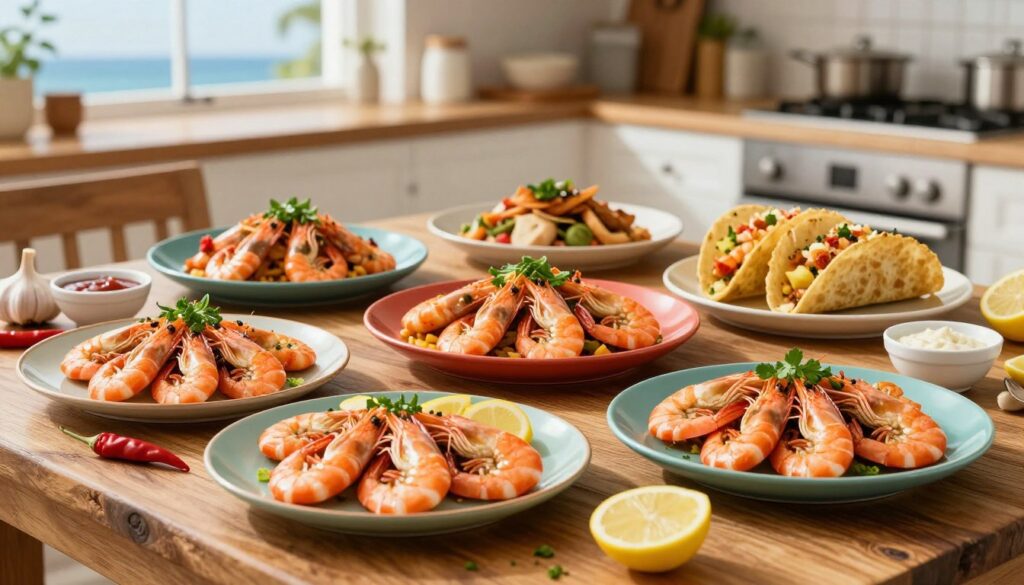
Learning to cook shrimp opens up a world of easy seafood recipes perfect for busy weeknights. This versatile crustacean cooks in minutes and fits many flavors. From sizzling sautés to smoky grills and refreshing cold dishes, we have 15 straightforward ideas to elevate your cooking. Each recipe follows a clear format—think ratings, prep time, and servings—so you can replicate success every time.
Shrimp is your go-to for impressive yet simple meals. Whether you’re feeding a family or hosting friends, these easy seafood recipes ensure delicious results. Let’s dive into three core techniques that form the foundation of countless shrimp dishes.
1. Sautéing Perfect Garlic Shrimp and Scampi
Sautéing is the fastest way to juicy, flavorful shrimp. Heat olive oil or butter in a pan over medium-high heat. Add peeled shrimp and cook for 2-3 minutes per side until pink and opaque.
For classic scampi, toss in minced garlic, a splash of white wine, and lemon juice. Finish with parsley and a pinch of red pepper flakes. This method delivers restaurant-quality shrimp recipes in under 15 minutes.
Remember: pat shrimp dry before cooking to ensure a good sear. Overcrowding the pan steams them instead of sautéing. Serve over pasta or with crusty bread for a complete quick seafood meal.
2. Creating Vibrant Grilled and Skewered Shrimp
Grilling adds a smoky char that transforms shrimp. Thread large shrimp onto skewers to prevent them from falling through the grates. Soak wooden skewers in water for 30 minutes to avoid burning.
Marinate shrimp in a mix of olive oil, lemon zest, and herbs for at least 15 minutes. Grill over direct heat for 2-3 minutes per side. The result is a vibrant, healthy dish perfect for summer cookouts.
These skewers are ideal for easy seafood recipes that feel festive. Pair with grilled vegetables or a fresh salad. For extra flavor, brush with a glaze like honey-soy or chili-lime during the last minute of cooking.
3. Whipping Up Cold Salads and Cocktails
Cold shrimp dishes are refreshing and elegant. For a classic shrimp cocktail, poach shrimp in seasoned water until just cooked, then chill. Serve with a zesty cocktail sauce made from ketchup, horseradish, and lemon.
Shrimp salads are versatile. Mix chilled shrimp with avocado, celery, and a light dressing. Or try a Mediterranean version with olives, feta, and oregano. These dishes are make-ahead stars for parties or light lunches.
This approach showcases shrimp’s adaptability in quick seafood meals that require no last-minute cooking. It’s a foolproof way to enjoy shrimp without heating up the kitchen.
With these techniques, you can master shrimp recipes that are simple, delicious, and varied. Experiment with different seasonings and presentations to keep your meals exciting.
Prepare Lobster Like a Pro: 10 Impressive Dishes
You don’t need to be a pro to make amazing lobster dishes at home. This luxurious crustacean is the star of many delicious seafood recipes. It turns any evening into a special occasion. We’ll show you ten fantastic dishes, divided into three easy categories. Get ready to make some unforgettable seafood dinner ideas.
1. The Step-by-Step Guide to Boiling and Steaming Whole Lobster
Starting with a whole lobster might seem hard, but it’s the base of many meals. Both boiling and steaming make the meat tender and sweet. The trick is to cook gently and keep an eye on the time.
For boiling, fill a big pot with salty water—it should taste like the sea. Bring it to a boil. Hold the lobster firmly behind the head and lower it in head-first. Cover the pot and start your timer.
Steaming is often better as it cooks the meat more gently. Put a couple of inches of water in the pot with a steaming rack. Bring the water to a boil before adding the lobster to the rack. Cover tightly.
Your cooking time depends on the lobster’s weight. A good rule is about 7-8 minutes per pound for boiling, and 8-9 minutes per pound for steaming. The shell will turn bright red, and the meat will be opaque. Always let it rest for a few minutes before cracking.
2. How to Make Classic Lobster Rolls and Pasta
Once you have beautiful cooked lobster meat, the fun starts. Chopped lobster is perfect for two iconic dishes: the lobster roll and creamy pasta.
For a classic New England lobster roll, you have two main styles. The Connecticut style is warm lobster tossed in melted butter. The Maine style is chilled lobster mixed with a light touch of mayonnaise, celery, and lemon. Both are served in a toasted, split-top hot dog bun.
Transforming lobster into a pasta dish is equally simple. Sauté the meat briefly in garlic butter with a splash of white wine. Toss it with fresh pasta, parsley, and a pinch of red pepper flakes. For a richer sauce, add a touch of cream or mascarpone.
| Style | Dressing | Texture | Serving Tip |
|---|---|---|---|
| Connecticut | Warm, drawn butter | Succulent, rich | Serve immediately while the butter is hot. |
| Maine | Chilled, light mayo & lemon | Cool, creamy | Chill the mixed filling for 30 minutes first. |
| Pasta Prima | Garlic butter & white wine | Silky, aromatic | Reserve some pasta water to adjust sauce consistency. |
3. Crafting Rich Bisques and Elegant Entrees
For the ultimate culinary project, a homemade lobster bisque is unbeatable. The secret is using the shells. Sauté the crushed shells with onions, carrots, and tomato paste. Simmer with stock and brandy for deep flavor.
After straining, blend the soup until it’s velvety smooth. Finish with cream and a final handful of chopped lobster meat. This process creates a restaurant-quality bisque that feels incredibly luxurious.
Elegant entrees let the lobster be the centerpiece. Try lobster Thermidor, where the meat is mixed with a creamy mustard sauce, stuffed back into the shell, and broiled. A simpler, stunning option is butter-poached lobster tails served over risotto or with grilled asparagus.
These methods show the amazing range of lobster recipes. From a casual roll to a formal bisque, you can create a spectrum of delicious seafood recipes that will wow your guests every time.
Unlock the Versatility of Crab: 15 Favorite Recipes
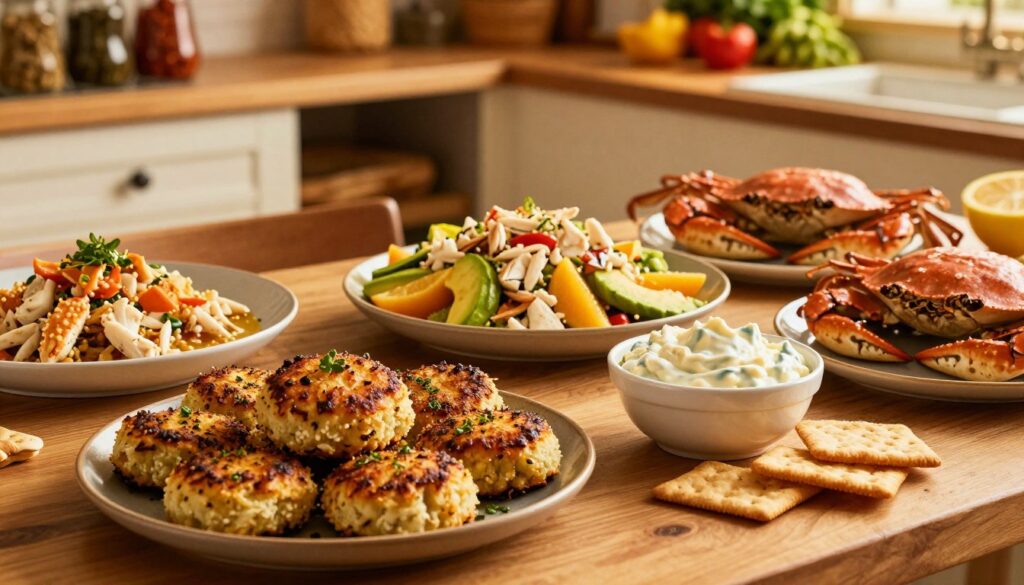
Crab is a culinary treasure, with its sweet meat and crispy texture. It’s perfect for quick dinners or fancy meals. This collection of crab recipes shows how crab can be used in many ways.
1. Forming and Frying Perfect Crab Cakes
Great crab cakes start with high-quality crab meat. Handle it gently to keep its sweetness. Avoid too much binder to let the crab shine.
Mix crab with a bit of binder and seasonings like Old Bay. Chill the cakes for 30 minutes. This helps them stay firm when fried.
Fry in butter and oil until golden. You’ll get a crispy outside and a moist inside. Serve with lemon or remoulade sauce.
2. Preparing Soft-Shell Crabs and Stir-Fries
Soft-shell crabs are a seasonal treat. They’re blue crabs without shells, ready to eat. Preparing them is easy.
After cleaning, dredge them in flour and fry in butter. You’ll get a crunchy outside and tender inside. They’re great on sandwiches or salads.
Crab also works well in stir-fries. Add it to a hot wok with veggies and sauce. It’s a quick, healthy meal any day.
3. Baking Crab-Stuffed Appetizers and Mains
Baking is easy and impressive for crab dishes. For appetizers, mix crab with cream cheese and herbs. Spoon it into mushrooms or peppers.
Bake until golden. These are perfect for parties. For a main dish, try crab-stuffed fish or chicken.
Roll fish or chicken with a crab and spinach filling. Bake to keep the crab moist. These dishes make any meal special.
These crab recipes show crab’s versatility. Whether fried, sautéed, or baked, it adds luxury to your homemade seafood recipes. Its adaptability is a kitchen asset.
Explore Unique Crustaceans: Crawfish and Beyond
Adding to your seafood recipes collection means trying crawfish boils and grilled langoustines. These unique crustaceans add excitement to your meals. They’re perfect for both lively gatherings and simple dinners.
Hosting a Flavorful Crawfish Boil
A crawfish boil is more than food; it’s a festive event. Imagine a table full of red crawfish, corn, and potatoes. The air smells of spicy broth.
Start with live crawfish. Clean them before cooking. Use a big pot and seafood boil seasoning like Zatarain’s or Old Bay.
Boil the broth with potatoes and smoked sausage first. After 10 minutes, add corn. Then, put in the crawfish.
The key to great flavor is soaking. Once the crawfish turn red and float, stop the heat. Let them soak in the broth for 15-20 minutes.
Drain the pot and serve on a newspaper-covered table. Give out napkins and cold drinks. This messy, delicious experience creates lasting memories. It’s a must-have for any adventurous seafood recipes collection.
Grilling Jumbo Prawns and Langoustines
For a quick, impressive dish, try grilling jumbo prawns and langoustines. Their meat is sweet and smoky. They cook in just minutes.
Choose prawns or langoustines with shells on. The shell keeps the meat moist. If frozen, thaw them slowly in the fridge. Pat them dry before seasoning.
A simple marinade enhances their flavor. Mix olive oil, garlic, lemon zest, and red pepper flakes. Let them marinate for 15-30 minutes.
Skewer them to prevent curling. Grill at medium-high heat for 2-3 minutes per side. They’re done when the shells are charred and the meat is firm.
Langoustines have a unique flavor, like a mix of lobster and shrimp. Grill them like large prawns. Serve with lemon wedges and herb butter.
Grilling these shellfish shows gourmet seafood can be simple. It highlights their natural flavors. Adding these dishes to your collection ensures you’re ready for any occasion.
Execute Key Cooking Methods for Perfect Results
Getting shellfish just right isn’t luck. It’s about knowing and using the right techniques. Recipes guide you, but your skills make the dish shine. Learning a few key methods will improve your cooking every time.
This part of your seafood cooking guide focuses on the hands-on skills. You’ll learn to control heat and time. These skills are the foundation for all your favorite recipes.
1. How to Season and Time a Seafood Boil
A seafood boil is a celebration of flavors. It’s a lesson in cooking layers and using bold seasonings. The goal is to flavor every piece perfectly while cooking it right.
Start with a flavorful broth. Use a big pot of salty water. Add onions, garlic, lemons, and lots of spices. Old Bay, cayenne, and bay leaves are great choices.
Timing is key. Hard veggies like potatoes and corn go first. Then add your shellfish. Shrimp usually need about 15 minutes in the broth to cook through without getting tough.
Turn off the heat when the shellfish are opaque. Let them soak for a few minutes to soak up more flavor.
2. The Technique for Grilling Shellfish Without Overcooking
Grilling adds smoky flavor. But high heat can quickly ruin delicate shellfish. The trick is in preparation and constant attention.
First, make sure your grill is hot and the grates are oiled. Dry your shellfish well. A wet surface steams instead of sears. For shrimp or prawns, a quick marinade in oil, garlic, and herbs adds flavor and protects the meat.
Place shellfish directly over the heat. Don’t leave them unattended. Shrimp and scallops cook in 2-3 minutes per side. Look for grill marks and a firm, opaque texture.
The moment it’s done, take it off. Overcooking on the grill happens fast. Using skewers or a grill basket keeps small pieces from falling through. This hands-on technique is essential for mastering shellfish preparation.
3. Gently Steaming and Baking for Moist, Tender Meat
Gentle heat is best for tender results. Steaming and baking use moist, indirect heat. This keeps the juices of crab, lobster, and clams in.
Steaming is simple. Boil water, wine, or broth in a large pot. Place shellfish in a steamer basket above the liquid. Cover tightly. The steam cooks the meat evenly and keeps it tender.
Baking is also gentle. For crab legs or lobster tails, bake them in a dish with a splash of water or butter and cover with foil. This creates a mini-steam oven. The method is foolproof for moist, tender meat.
You can also bake “en papillote” – in parchment paper packets. This traps steam and aroma for a dramatic and delicious presentation. These gentle methods are the ultimate way to honor the sweet, delicate flavor of premium crustaceans.
Incorporate Global Flavors into Your Seafood Recipes
Your spice rack is a passport, ready to take your crustacean dishes on a delicious world tour. Mastering basic cooking methods is just the start. The real adventure begins when you explore the vibrant flavor profiles of different cuisines.
This exploration is the secret to unlocking the best seafood recipe ideas that keep your meals exciting. Whether you crave light and fresh or bold and spicy, global inspiration provides endless variety.
Using Mediterranean Herbs, Lemon, and Olive Oil
The Mediterranean approach celebrates simplicity and freshness. It turns seafood into quintessential healthy seafood dishes. The magic trio of olive oil, lemon, and herbs does all the work.
Use extra virgin olive oil for sautéing or finishing. Combine it with minced garlic, oregano, thyme, and parsley. A generous squeeze of lemon juice adds a bright, clean acidity that makes flavors pop.
The beauty of Mediterranean cooking is its restraint. Let the quality of the seafood and a few pristine ingredients shine through.
This style is perfect for quick grilling or baking. Try it with shrimp, scallops, or a whole branzino. You get meals that are incredibly vibrant and light yet deeply satisfying.
Building Asian-Inspired Sauces with Soy and Ginger
Asian flavors bring depth, umami, and complexity to shellfish. Building a great sauce is a foundational skill. Start with a base of soy sauce, fresh ginger, garlic, and a touch of sesame oil.
From there, customize with mirin for sweetness, rice vinegar for tang, or chili paste for heat. These elements create glazes for grilled prawns or rich broths for noodle bowls.
This approach is fantastic for fast, flavorful weeknight meals. A simple stir-fry of crab or shrimp with vegetables in a ginger-soy glaze is a guaranteed crowd-pleaser. It’s a cornerstone of creative, best seafood recipe ideas.
Adding Heat with Cajun, Creole, and Caribbean Spices
When you want bold, festive, and spicy flavors, look to the American South and the Caribbean. Cajun and Creole blends feature paprika, cayenne, garlic powder, and thyme. They are perfect for seasoning a boil or blackening fish.
Caribican jerk seasoning adds allspice, scotch bonnet peppers, and nutmeg. It creates a fiery, aromatic crust on grilled lobster tails or jumbo shrimp.
These spice mixes transform a simple seafood boil or grill session into a lively party. The key is to coat your shellfish generously and not shy away from the heat. It’s all about big, celebratory flavor.
| Cuisine Style | Signature Ingredients | Best Cooking Methods | Dish Inspiration |
|---|---|---|---|
| Mediterranean | Olive oil, lemon, garlic, oregano, thyme | Grilling, baking, sautéing | Grilled lemon-herb shrimp, baked cod |
| Asian | Soy sauce, ginger, sesame oil, chili | Stir-frying, steaming, glazing | Ginger-soy glazed scallops, crab stir-fry |
| Cajun/Creole/Caribbean | Paprika, cayenne, allspice, thyme, garlic powder | Boiling, blackening, grilling | Cajun shrimp boil, jerk grilled lobster |
Mixing these global profiles into your cooking ensures you’ll never run out of best seafood recipe ideas. You can offer light, healthy seafood dishes one night and a spicy, communal boil the next. The world of flavor is yours to explore.
Conclusion: Your Passport to Endless Crustacean Creations
Your journey through the world of shellfish cooking is complete. You’ve explored recipes for shrimp, lobster, crab, and unique crustaceans. You learned how to pick the freshest catch and master key techniques.
Great seafood cooking is about skill and passion. Use this guide as your starting point. Don’t be afraid to try new herb blends and sauce ideas. Whether it’s a simple weeknight meal or a grand feast, you can do it.
For a perfect special dinner, try a seafood dinner recipe like Lemon Garlic Butter. It shows how elegant a crustacean dish can be.
Your passport to delicious creations is stamped and ready. Pick your favorite shellfish from the market. Fire up your stove or grill. Your ultimate seafood adventure begins right now. To your recipes!