How to Make 16 Gut-Healthy Dinner Recipes with 500 Calories
Ever felt sluggish after dinner? Wondered if what you ate was worth it? It’s a sign your digestive system needs some love. The good news is, making gut-friendly dinners doesn’t mean they have to taste bad or leave you hungry.
Creating 500 calorie meals that taste great is not just possible—it’s key to lasting healthy habits. Meals that nourish your gut and keep calories in check make you feel full and energized. You’ll also feel proud of your choices.
EatingWell has come up with 16 gut-friendly recipes that are not only healthy but also delicious. Each dish has at least 6 grams of fiber and includes foods like beans, lentils, and broccoli. These meals are easy to make and don’t need fancy ingredients. They support your digestive health, help with weight management, and lower heart disease risk.
From creamy white bean soups to cheesy skillet bakes, there’s something for everyone. Favorites include French Onion Skillet Beans and Chicken Fajita Rice Bake. These dishes show that eating well doesn’t mean giving up flavor—it’s about using the right ingredients and simple cooking methods.
Key Takeaways
- All 16 gut healthy dinner recipes contain 500 calories or fewer per serving
- Each recipe includes at least 6 grams of fiber to support digestive health
- 500 calorie meals dinner feature prebiotic and probiotic-rich ingredients like beans, lentils, and garlic
- These recipes help with weight management while protecting your heart health
- Simple cooking techniques make meal prep quick and easy for busy weeknights
- Popular options include French Onion Skillet Beans and Chicken Fajita Rice Bake
- You’ll learn that healthy eating doesn’t require exotic ingredients or complicated methods
Understanding the Connection Between Gut Health and Low-Calorie Meals
Your digestive system is filled with trillions of bacteria that are crucial for your health. Eating healthy gut meals is more than just counting calories. It’s about feeding good bacteria that aid digestion, boost immunity, and make you feel great. Low-calorie eating doesn’t mean you have to give up taste or nutrition. It’s about choosing foods that support your body’s natural functions.
Digestive health recipes use real, whole foods that are good for your microbiome. These meals include fiber-rich veggies, legumes, whole grains, and fermented foods. Your gut benefits from a variety of foods, which is why these recipes offer many plant-based options.
What Makes a Recipe Gut-Friendly
A gut-friendly recipe includes foods that feed good bacteria and support digestion. Look for meals with:
- Beans and lentils for plant-based protein
- Broccoli, garlic, and onions for prebiotic fiber
- Fermented foods like kimchi and sauerkraut
- Whole grains for sustained energy
- Colorful vegetables for diverse nutrients
The Role of Fiber in Digestive Wellness
Fiber is a big help to your digestive system. Aim for at least 6 grams of fiber per meal. Fiber helps with bowel movements, reduces inflammation, and keeps you full longer. It also helps keep blood sugar stable and lowers cholesterol risk. Recipes that focus on fiber work well with your body.
How Probiotics and Prebiotics Support Your Microbiome
Probiotics and prebiotics work together. Probiotics are live beneficial bacteria in foods like yogurt, kombucha, and fermented veggies. Prebiotics are fiber-rich foods that feed those good bacteria, such as garlic, onions, asparagus, and bananas.
| Nutrient Type | What It Is | Food Examples |
|---|---|---|
| Probiotics | Live beneficial bacteria | Yogurt, kimchi, tempeh, miso |
| Prebiotics | Fiber that feeds good bacteria | Garlic, onions, beans, asparagus |
Your microbiome does best when you eat both probiotics and prebiotics regularly. Healthy gut meals combine these to support digestion. This way of eating honors your body’s natural processes while enjoying tasty, satisfying food.
Essential Ingredients for Gut Healthy Dinner Recipes
Starting a gut-friendly kitchen means stocking the right ingredients. Having these foods makes cooking healthy dinners easy and fun. Your kitchen will help you make meals that are good for your gut and keep calories low.
Key foods for a healthy gut feed good bacteria and keep digestion smooth. Knowing what to buy makes shopping for health easier.
Beans, Legumes, and Plant-Based Proteins
Beans and legumes are great for fiber-rich meals. Make sure your pantry has these:
- White beans and cannellini beans
- Black beans and kidney beans
- Chickpeas (garbanzo beans)
- Dried and canned lentils
- Split peas
These foods are full of fiber and plant-based protein. They keep you full and feed your gut bacteria. Canned versions are perfect for quick dinners.
Prebiotic Vegetables and Flavor Builders
Garlic and onions are great in your kitchen. They add flavor to meals and feed your gut bacteria. Add fresh garlic, yellow onions, and shallots to your list.
Cruciferous veggies are also important:
- Broccoli (fresh or frozen)
- Brussels sprouts
- Cabbage varieties
- Kale and spinach
Whole Grains and Satisfying Bases
Your pantry needs whole grains for balanced meals. Brown rice, quinoa, and farro give energy and fiber. They go well with beans and veggies for complete meals.
Probiotic-Rich Additions
Fermented foods add live bacteria to your meals. Greek yogurt, unsweetened kefir, and sauerkraut boost probiotics. Look for “live and active cultures” for real benefits.
| Ingredient Category | Specific Foods | Storage Method | Shelf Life |
|---|---|---|---|
| Legumes | Canned beans, dried lentils, chickpeas | Pantry (canned); Cool, dry place (dried) | 1-2 years (dried); 3-5 years (canned) |
| Vegetables | Broccoli, Brussels sprouts, spinach, kale | Refrigerator or freezer | 5-7 days (fresh); 8-12 months (frozen) |
| Whole Grains | Brown rice, quinoa, farro | Cool, dry pantry | 6-12 months |
| Probiotic Foods | Greek yogurt, kefir, sauerkraut | Refrigerator | 1-3 weeks |
| Aromatics & Herbs | Garlic, onions, basil, parsley, cinnamon | Pantry (dried/garlic); Refrigerator (fresh) | 2-3 weeks (fresh); 1-3 years (dried) |
Pantry Staples for Easy Cooking
Keep these essentials for gut healthy dinners:
- Canned tomatoes and tomato paste
- Low-sodium vegetable broth
- Extra virgin olive oil
- Vinegar (apple cider and balsamic)
- Spices like cumin, coriander, and turmeric
Building a gut-friendly kitchen doesn’t need expensive items. Start with these basics for dinners that are good for your gut and fit your calorie goals.
Why 500 Calories Is the Sweet Spot for Dinner
Choosing the right calorie target for dinner is key to building a sustainable eating plan. A 500-calorie dinner is perfect for feeling satisfied and reaching your wellness goals. It gives you enough calories for the day while providing the nutrients your body needs.
Eating low calorie dinner recipes 500 calories is not about deprivation. It’s about making smart choices that work. This way, you’re not missing out on anything important.
The magic of 500 calories is in how you structure your meals. By mixing lean proteins, fiber-rich vegetables, and whole grains, you make meals that keep you full for hours. Your body takes time to digest these, so you feel full longer.
Balancing Satiety with Calorie Control
Satiety is the feeling of fullness that stops you from eating too much. When you eat balanced low calorie meals at 500 calories, you’re using science to your advantage. Here’s why these dinners are so satisfying:
- Lean protein (20-30+ grams per serving) keeps hunger at bay
- High-fiber vegetables add volume without excess calories
- Healthy fats from sources like olive oil or avocado enhance flavor and satisfaction
- Whole grains provide sustained energy throughout the evening
These ingredients work together to slow digestion. Your stomach feels full, your blood sugar stays steady, and your brain registers satisfaction. This means you’re less likely to snack before bed.
Supporting Weight Management Without Sacrificing Nutrition
Many people worry that eating low calorie dinner recipes 500 calories means missing out on important nutrients. But that’s not true. Each ingredient in these recipes has a purpose. Spinach gives you iron and magnesium. Beans provide fiber and plant-based protein. Sweet potatoes deliver vitamins and minerals.
A 500-calorie dinner fits perfectly into a balanced eating pattern. You still have room for breakfast, lunch, snacks, and occasional treats. If you’re more active or have higher calorie needs, you can easily add a side salad or extra vegetables without losing the gut-health benefits. This approach supports weight management while keeping your digestive system happy and your body nourished.
Gut-Healthy Dinner Recipes Featuring Beans and Legumes
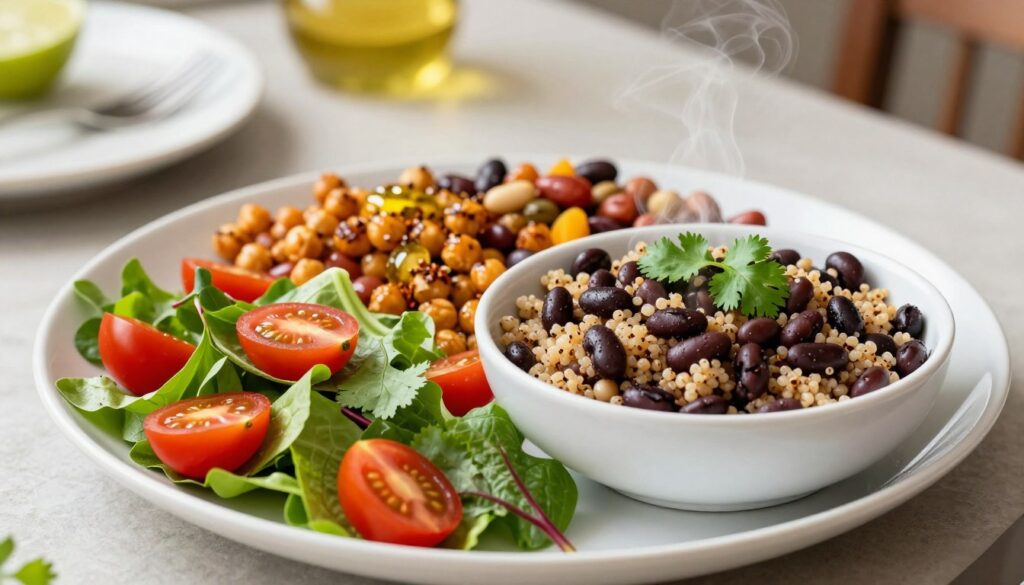
Beans and legumes are great for easy, healthy dinners under 500 calories. They turn into tasty meals that are good for your gut. Legumes, like white beans and black beans, are full of fiber and nutrients.
High fiber dinner recipes with beans keep you full without feeling heavy. You can try different flavors and textures every night. Beans work well in soups, skillet meals, or casseroles.
Check out this collection of healthy dinners that start with a can of to see the incredible range of options available to you.
Here are some standout recipes you can make tonight:
- French Onion Skillet Beans combines caramelized onions with creamy butter beans and melted Gruyère cheese with a crispy panko topping
- White Bean & Kale Soup brings sun-dried tomatoes, fresh basil, and Parmesan for a bright, nourishing meal
- Tuscan White Bean & Spinach Pasta mixes sweet onions, garlic, tomatoes, and white beans served with whole-wheat baguette
- Cabbage & Cannellini Bean Soup uses aromatic spices and lemon juice for a light yet satisfying dinner
- Portobello Fajita-Stuffed Mushrooms pairs black beans with fajita-style vegetables and Greek yogurt
| Recipe Name | Calories per Serving | Main Ingredients | Fiber Content |
|---|---|---|---|
| Ranch-Style Beans | 226 | Beans, tomatoes, spices | High |
| Healthy Turkey Chili | 200 | Turkey, beans, peppers | High |
| Easy Moroccan Chickpea Stew | 217 | Chickpeas, vegetables, spices | High |
| Chickpea and Potato Curry | 240 | Chickpeas, potatoes, curry spices | High |
| Tuna and White Bean Lettuce Wraps | 279 | Tuna, white beans, lettuce | High |
| Vegetarian Black Bean Pasta | 255 | Black beans, pasta, vegetables | High |
| Lentil White Bean Pilaf | 259 | Lentils, white beans, rice | High |
| Chili with Brown Rice | 326 | Beans, rice, tomatoes | High |
Using beans in your meals is easy and tasty. They offer complete proteins when paired with whole grains or veggies. The fiber in legumes feeds your good gut bacteria, helping with digestion and wellness.
“Beans are nature’s most perfect food. They’re the only food group that is also a cash crop.” – The Bean Institute
Beans make your meals satisfying and keep your blood sugar stable. This means you avoid energy crashes from processed foods.
Cooking with beans opens up endless dinner possibilities. You can make meals in under an hour using a slow cooker or stovetop. Batch cooking on weekends means you have nutritious meals ready for busy days.
Fiber-Rich Vegetable-Based Dinner Ideas Under 500 Calories
Vegetables should be the main attraction at dinner. They make meals that are good for your gut. These ideas show that eating plants can be both comforting and nutritious. You’ll see how veggies can turn into full meals that are both filling and low in calories.
Vegetable dinners are very flexible. You can cook them in many ways like roasting, steaming, or sautéing. Each method brings out unique flavors and textures. Your gut will love the fiber and nutrients from these meals.
Brussels Sprouts and Cabbage Creations
Brussels sprouts and cabbage are super nutritious. They have compounds that help calm your gut. Roasting Brussels sprouts makes them sweet and tasty. Mix them with whole grain pasta and Asiago sauce for a delicious, light meal.
Try these Brussels sprout and cabbage dishes:
- One-Pan Brussels Sprouts and Asiago Pasta with caramelized vegetables in herb-infused broth
- Cabbage and Cannellini Bean Soup with warming spices and aromatic garlic
- Sheet Pan Roasted Brussels Sprouts with carrots and fresh herbs
- Shredded Cabbage Stir-Fry with ginger and sesame oil for anti-inflammatory benefits
Butternut Squash and Root Vegetable Dishes
Root vegetables add sweetness and fiber to your meals. Butternut squash is great in casseroles and grain bowls. It’s creamy, so you need less fat. Look for pre-cut squash to save time on busy nights.
Build these root vegetable meals:
- Butternut Squash and Black Bean Enchilada Casserole with tomato sauce and cheese
- Late-Summer Vegetable Stew with potatoes, green beans, and warm spices served with warm naan
- Roasted Butternut Squash with chickpeas and tahini dressing
- Eggplant Parmesan layered with marinara sauce and melted mozzarella
These vegetable-based meals show that plant-focused dinners are satisfying and healthy. They give your gut the fiber it needs and support your overall health.
Protein-Packed Gut-Friendly Chicken and Turkey Recipes
Chicken and turkey are great for easy, healthy dinners that are good for your gut and low in calories. They are full of protein, which keeps you full and happy. These birds are perfect for quick, low-calorie dinners because they cook fast and go well with veggies and whole grains.
Poultry is very versatile. You can roast, grill, or simmer it. Each method brings out different flavors while keeping the nutrients your gut needs. Choosing chicken thighs or ground turkey gives you juicy, tasty meals that are far from boring.
- Chicken Fajita Rice Bake combines tender chicken thighs with beans, tomatoes with green chiles, and quick-cooking brown rice topped with melty cheese
- Chicken Fajita Guacamole Bowls feature seasoned chicken thighs, colorful vegetables, creamy guacamole, and tangy cotija cheese with fresh lime
- Sheet Pan Rosemary Chicken & Vegetables delivers rich flavor in just 357 calories with rosemary-infused chicken thighs and perfectly cooked vegetables
- Lemon Turkey Quinoa Skillet brings bright, citrus-forward taste at 355 calories with ground turkey, quinoa, olives, and spinach in a garlic-lemon sauce
- Turkey Vegetable Soup offers a light option at only 142 calories, perfect for adding rice or pasta for a heartier meal
| Recipe Name | Main Protein | Calories | Key Gut-Friendly Ingredients | Prep Time |
|---|---|---|---|---|
| Chicken Fajita Rice Bake | Chicken thighs | 480 | Beans, brown rice, tomatoes, green chiles | 15 minutes |
| Chicken Fajita Guacamole Bowls | Chicken thighs | 485 | Colorful vegetables, avocado, cotija cheese | 20 minutes |
| Sheet Pan Rosemary Chicken & Vegetables | Chicken thighs | 357 | Rosemary, mixed vegetables | 25 minutes |
| Lemon Turkey Quinoa Skillet | Ground turkey | 355 | Quinoa, olives, spinach, garlic, lemon | 18 minutes |
| Turkey Vegetable Soup | Ground turkey | 142 | Mixed vegetables, herbs, optional grains | 20 minutes |
Why these recipes work for your goals: You don’t have to eat plain chicken breast every night. Chicken thighs are juicy and flavorful, making your meals satisfying without extra calories. Ground turkey cooks in minutes, perfect for busy weeknights when you need something ready fast.
The fiber from brown rice, quinoa, beans, and fresh vegetables supports your digestive health while keeping portions reasonable. Spices like rosemary, garlic, and lemon add depth and taste without adding calories. These easy healthy dinner ideas prove that weight loss eating can be delicious and genuinely enjoyable.
“Protein at dinner helps you feel satisfied, reduces midnight snacking, and gives your gut the nutrients it needs to thrive.”
Start with the Sheet Pan Rosemary Chicken if you want minimal cleanup. Try the Chicken Fajita Rice Bake if your family enjoys crowd-pleasing comfort food. Choose the Turkey Vegetable Soup when you want the lightest option with room to customize. Each recipe proves you can eat well, lose weight, and feel great about your dinner choices.
Plant-Based Gut Health Dinners for Vegetarian Eaters
Plant-based eating is great for your digestive system and overall health. Vegetarian dinners with legumes, whole grains, and veggies feed your gut bacteria well. Foods like lentils, chickpeas, and tofu are key for a healthy gut.
These clean eating dinner recipes show that vegetarian food is delicious and good for you. It’s all about choosing the right ingredients for a healthy gut.
Check out a collection of gut-friendly vegan recipes. They show how plant-based ingredients can make nutritious dinners under 500 calories. Your meals can be both tasty and supportive of your digestion.
Lentil and Chickpea-Based Meals
Lentils and chickpeas are great for your gut. They’re full of fiber, protein, and prebiotics that your gut bacteria love. Try the Easy Shakshuka with Chickpeas for a flavorful dish with 331 calories.
The Slow Cooker Lentil Chili is another great option. It’s packed with fiber and can be topped with avocado and cilantro for just 307 calories. The Easy Chickpea Stir Fry is also a quick and nutritious meal with 345 calories.
Tofu and Tempeh Options for Probiotic Benefits
Tofu and tempeh are great for plant-based protein. The Sticky Sheet Pan Tofu Stir Fry is low in calories at 182, making it a great base for a nutritious meal.
Here are some tofu-based options for a healthy gut:
- Tofu & Broccoli Salad with Peanut Sauce (330 calories)
- Chickpea Omelet with Asparagus and avocado (452 calories)
- Hummus Pasta with over 20 grams of protein and 12 grams of fiber (340 calories)
- Colorful Vegan Quinoa dish with 10 grams of fiber (375 calories)
Plant-based eating is all about abundance, not limitation. Fill your plate with diverse, nutrient-dense foods. They nourish your gut bacteria and provide complete nutrition and amazing flavors.
Quick One-Pan and Sheet Pan Gut-Healthy Meals
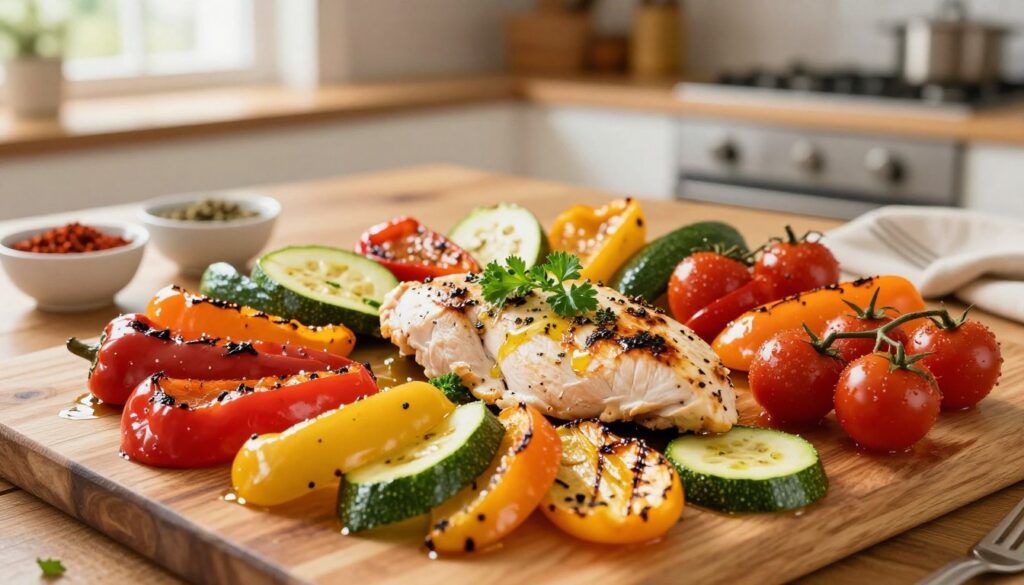
Busy weeknights need smart cooking solutions. One-pan and sheet pan meals offer great taste with less cleanup. These methods are perfect for making low calorie healthy recipes that are good for your gut. You get tasty meals without spending hours cooking.
Sheet pan cooking keeps nutrients in while making veggies caramelized. Your gut bacteria enjoy the fiber and good compounds from this gentle cooking. Plus, these methods make healthy meal prep dinners super easy.
- Sheet Pan Chicken, Green Beans, and Carrots at 440 calories pairs tender chicken thighs with roasted veggies
- Yellow Bean, Potato, and Turkey Sausage Casserole at 362 calories has creamy coconut milk and fresh herbs
- Sheet Pan Shrimp Fajitas at 300 calories serves in two corn tortillas
- Sheet Pan Greek Chicken and Veggies at 347 calories is drizzled with high-polyphenol olive oil
- One-Pan Chicken, Brussels Sprouts, and Butternut Squash at 255 calories needs just five minutes of prep
- Sheet Pan Pork Chops with Apples and Green Beans at 323 calories has maple Dijon sauce and fresh sage
- Sheet Pan Pesto Chicken, Potatoes, and Veggies at 483 calories uses store-bought or homemade pesto
These healthy meals prep quickly and clean up is minimal. Everything cooks on one pan, blending flavors while your oven works. Your gut is happy, your schedule is flexible, and your dinner table is satisfied.
Comforting Soups and Stews That Support Digestion
Soups and stews are great for your gut because they’re gentle and full of nutrients. They simmer veggies, legumes, and proteins together. This makes a warm, hydrating meal that your gut loves.
The cooking breaks down fiber, making nutrients easier for your body to use. These meals are perfect for a 500-calorie dinner and keep you full and nourished.
Soups and stews are also anti-inflammatory because they have healing spices and fiber. They support your digestive system and keep your gut healthy, especially in cooler months.
White Bean and Kale Combinations
White beans and kale make creamy soups that are good for your gut. The White Bean & Kale Soup is quick to make with sun-dried tomatoes, fresh basil, and Parmesan. It’s rich without heavy cream, thanks to the tomatoes, and kale adds minerals and fiber.
Here are some white bean and kale recipes:
- White Bean & Kale Soup with sun-dried tomatoes and fresh basil
- Tuscan White Bean & Spinach Pasta with sweet onion, tomatoes, and garlic, served with whole-wheat baguette
- Cabbage & Cannellini Bean Soup with aromatic spices and bright lemon juice
Lentil Soups with Warming Spices
Lentil soups are full of plant-based protein and become anti-inflammatory with spices like cinnamon and cumin. Adding Greek yogurt and parsley makes each bowl bright and supports your gut. Try these:
- Lentil Soup with warming spices, Greek yogurt, and fresh parsley
- Turkey Vegetable Soup at just 142 calories
- Chicken Barley Chowder with mashed squash for creaminess at 298 calories
- Late-Summer Vegetable Stew with warm spices served alongside naan
Batch cooking these soups and stews makes meal prep easy. They freeze well for up to three months. This way, you always have a ready meal for your gut health needs.
Pasta and Rice Dishes That Promote Gut Wellness
You don’t have to give up pasta and rice for a healthy gut. These foods are great in 500 calorie meals when you pick the right ingredients. Pair them with fiber-rich veggies, lean proteins, and whole grains for a healthy digestive system.
Many dishes show pasta and rice are good for your gut. The Chicken Fajita Rice Bake mixes chicken, brown rice, beans, and tomatoes for a tasty meal. Pesto Pasta with Peas combines peas, tomatoes, basil pesto, and Parmesan for a fresh taste. Your Tuna Pasta Salad has broccoli, olives, and a lemon dressing for a bright flavor.
Here are some pasta and rice dishes to try:
- One-Pan Brussels Sprouts & Asiago Pasta—pasta cooks in broth with Asiago sauce and red pepper
- Tuscan White Bean & Spinach Pasta—mixes legumes with greens for lots of fiber
- Hummus Pasta—has 20 grams of protein and 12 grams of fiber at 340 calories
- Mushroom & Spinach Pasta—features mushrooms, ricotta, and lemon
- One Pot Taco Pasta—includes lean beef, black beans, corn, and red peppers at 369 calories
Make your 500 calorie meals healthier by choosing whole grain or legume-based pastas. Brown rice is better than white rice for more nutrients. Add lots of veggies and protein to feel full without overeating. You can enjoy your favorite comfort foods and still support your gut health.
Tips for Meal Prepping Your Gut-Healthy Dinners
Healthy meal prep dinners can fit into your busy life easily. Just set aside time to prepare parts in advance. This way, weeknight cooking is just putting things together, not starting from scratch.
Choose recipes that are great for batch cooking. Soups, stews, and chili freeze well and taste better after flavors mix. Quick meal prep recipes for busy people include making big batches of ingredients like seasoned turkey or cooked lentils. These can be used in many dishes throughout the week.
Batch Cooking Strategies for Busy Weeknights
Set aside one day each week for prep work. Cook grains like brown rice and quinoa in large amounts. Chop vegetables on Sunday so they’re ready to use. This saves 20-30 minutes on busy weeknights.
- Make a large pot of lentil soup and portion it into containers
- Roast sheet pans of vegetables for multiple meals
- Cook turkey or chicken in bulk for lettuce wraps and salads
- Pre-portion proteins into individual servings
- Prepare dressings and sauces in advance
Storage and Reheating Best Practices
Use glass containers for storing your meals. They don’t absorb odors, reheat evenly, and last longer than plastic. Cool food completely before refrigerating to keep it safe.
| Dish Type | Refrigerator Storage | Freezer Storage | Best Reheating Method |
|---|---|---|---|
| Soups and Stews | 3-4 days | 3 months | Stovetop or microwave |
| Roasted Vegetables | 4-5 days | Not recommended | Oven at 350°F |
| Cooked Grains | 5-6 days | 2 months | Microwave with water |
| Cooked Proteins | 3-4 days | 2-3 months | Gentle stovetop warming |
| Jar Salads | 5 days | Not recommended | Shake and serve cold |
Label every container with the date and contents. Eat the freshest meals first, and keep frozen options for busy weeks. Your meals become easy to grab and go.
Smart meal prep means enjoying variety while keeping things simple. You’re not eating the same thing every day. With planning, you build flexibility into your routine while enjoying the benefits of home-cooked meals.
Conclusion
You now have all the info to make delicious gut healthy dinners that fit your life and health goals. These 16 recipes are packed with prebiotics, probiotics, and at least 6 grams of fiber. Each meal is under 500 calories, great for managing weight and staying healthy.
These meals do more than just count calories. They help lower heart disease risk and boost digestive health. Each dish shows that healthy food can be tasty and easy to make. Start with a few recipes that catch your eye. Then, add more as you find new flavors and ingredients you like.
Building good gut health takes time and careful choices at dinner. These recipes make it simple and lasting. You know how to pick the right ingredients and cooking methods for your gut. Every meal you make is a step towards better health, so enjoy making your dinner routine healthier and tastier.