
The Best Homemade Salad Dressings for Healthy Eating
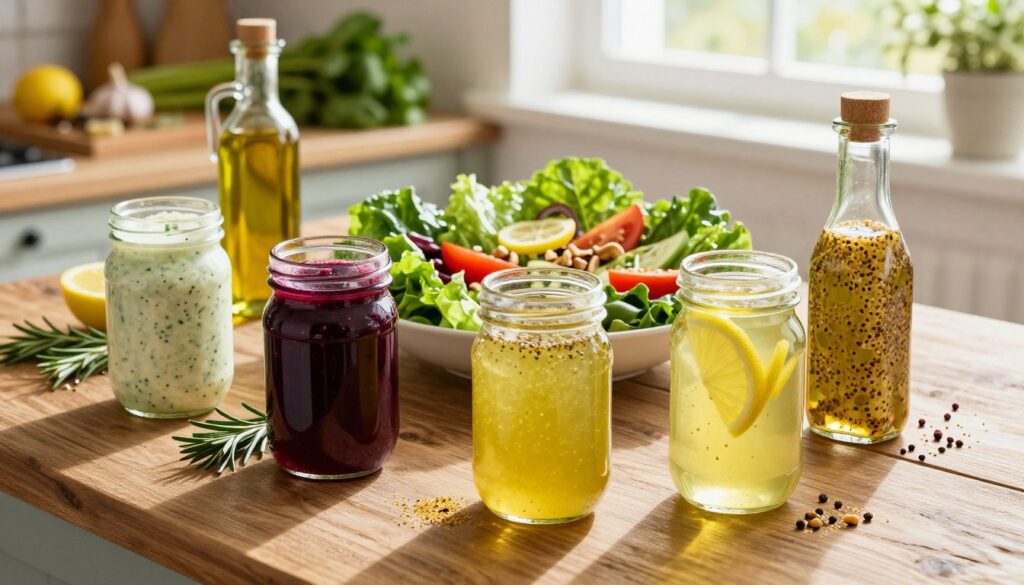
Every great salad has a secret: its dressing. I learned this during a summer cooking challenge. It changed how I eat healthy. Homemade salad dressings are more than just toppings. They turn simple greens into a colorful, nutritious meal.
Imagine making healthy salad dressings full of fresh flavors. You use ingredients you choose from start to finish. Homemade dressings are far better than store-bought ones. They’re not just tasty; they help you eat better on purpose.
This guide will show you how to make amazing dressings. You’ll learn to mix and blend simple ingredients into delicious meals. These meals will nourish you and make your taste buds happy.
Key Takeaways
- Homemade salad dressings offer complete ingredient control
- Fresh ingredients create more nutritious dressing options
- Customizing dressings allows for personalized flavor profiles
- Healthier alternatives to preservative-laden store-bought dressings
- Simple techniques can transform your salad experience
Why Homemade Salad Dressings Are Better Than Store-Bought
Exploring natural salad dressings without preservatives can change your kitchen and health. Store-bought dressings often have hidden ingredients. Making your own clean salad dressings lets you control what’s in your favorite flavors.
Taking Charge of Your Ingredients
By making your own dressings, you pick the freshest ingredients. Your kitchen becomes a place of flavor and nutrition. Here, you can:
- Choose premium olive oils
- Select organic herbs and spices
- Control salt and sugar levels
- Eliminate artificial additives
Avoiding Hidden Health Hazards
Commercial dressings often have preservatives and additives. Many “healthy” options have too much sugar or artificial stuff. Your homemade dressings can be a clean, pure alternative that helps your health goals.
Economic and Fresh Benefits
Homemade dressings also save money. A good olive oil can make many dressings at a low cost. You get fresh flavors, cut down on plastic, and make unique tastes that store-bought can’t.
Essential Ingredients for Healthy Homemade Salad Dressings
https://www.youtube.com/watch?v=AjOX97aRz00
Making tasty homemade dressing recipes is all about three key parts. These ingredients turn simple salads into amazing dishes. They make your meals healthy and fun.
Every great homemade salad dressing starts with a perfect mix of three things:
- Fat: The base that makes dressings creamy and helps nutrients soak in
- Acid: Adds brightness and a tangy taste
- Flavor Enhancers: Brings depth and complexity
For healthy homemade salad dressing ideas, try these fats:
- Extra virgin olive oil
- Avocado
- Tahini
- Greek yogurt
- Nut butters
Acids that add zest to your easy homemade salad dressing recipes are:
- Lemon juice
- Balsamic vinegar
- Apple cider vinegar
- Lime juice
Try adding fresh herbs, garlic, mustard, and spices to make unique dressings. They’ll take your salads from good to great.
The Health Benefits of Olive Oil-Based Dressings
Discover why olive oil dressings are a game-changer for your health and nutrition. They turn simple salads into powerful meals. Heart-healthy dressings can dramatically improve your overall wellness. When you choose olive oil salad dressing, you’re picking a nutrient-packed option that does more than just season.
Healthy oil-based salad dressings offer remarkable advantages for your body. Extra virgin olive oil contains powerful compounds that support cardiovascular health:
- High concentration of monounsaturated fats
- Rich in polyphenols (potent antioxidants)
- Supports cholesterol balance
Heart-Healthy Properties of Extra Virgin Olive Oil
Research shows eating 2-4 tablespoons of olive oil daily can lower heart disease risk. The magic lies in Oleic acid and polyphenols. They protect your heart by lowering bad cholesterol, reducing inflammation, and improving heart function.
“Not all fats are created equal – olive oil is a nutritional powerhouse” – Nutrition Experts
Choosing the Right Olive Oil for Your Dressings
When picking olive oil for your dressings, quality is key. Look for these signs:
- Dark glass bottles to prevent oxidation
- Harvest date within the last 15 months
- Certification seals from reputable organizations
- Single-source, robust-flavored oils
Your body absorbs important vitamins and antioxidants better with healthy fats. By choosing high-quality olive oil dressings, you’re not just adding flavor. You’re also boosting your meal’s nutritional value.
Simple Vinaigrette Recipes for Everyday Salads

Making healthy vinaigrettes at home is easy. These dressings can make your salads better and help with weight loss. You can control what goes into your dressings, making them tasty and healthy in no time.
The basic vinaigrette mix is simple: three parts oil to one part acid, plus seasonings for flavor. This mix is perfect for any salad.
Classic Lemon Vinaigrette Recipe
Here’s a simple lemon vinaigrette recipe that’s great for many salads. You’ll need:
- 1/4 cup fresh lemon juice
- 1/2 cup extra virgin olive oil
- 1 tablespoon Dijon mustard
- 1 minced garlic clove
- Salt and pepper to taste
Start by whisking the mustard and lemon juice together. Then, slowly add the olive oil while whisking. This homemade vinaigrette for weight loss is perfect for green salads, grilled veggies, and grain bowls.
Balsamic Vinaigrette Delight
Balsamic vinegar recipes add deep flavors to salads. Here’s a quick one:
- 1/4 cup balsamic vinegar
- 1/2 cup extra virgin olive oil
- 1 tablespoon dried basil
- 1 tablespoon dried oregano
- Salt and pepper to taste
Just mix everything together and whisk until smooth. This dressing lasts up to a week in the fridge, making meal prep easy.
| Vinaigrette Type | Key Ingredients | Best Used With |
|---|---|---|
| Lemon Vinaigrette | Lemon juice, olive oil, mustard | Green salads, grilled vegetables |
| Balsamic Vinaigrette | Balsamic vinegar, olive oil, herbs | Tomato salads, roasted vegetables |
Remember, always shake your vinaigrette before using. Enjoy your homemade, healthy dressings!
Creamy Homemade Dressings Without the Guilt
Want creamy homemade dressings without extra calories? You’re in luck! Making tasty, yogurt-based salad dressing recipes is simple. These DIY ranch dressing alternatives will change your salad game and keep it healthy.
The secret to creamy dressings without guilt is smart swaps. Greek yogurt is your new best friend, offering protein and amazing texture. Dairy-free salad dressing recipes are just as good, using ingredients like:
- Blended cashews for ultra-smooth consistency
- Ripe avocados for healthy fat content
- Silken tofu for protein-rich creaminess
- Tahini for nutty depth
Now, let’s explore some key techniques for creamy dressings that will elevate your salads:
| Dressing Type | Key Ingredients | Unique Twist |
|---|---|---|
| Healthy Caesar | Greek yogurt, lemon juice, Dijon mustard | Skip raw eggs, use anchovy paste |
| Vegan Ranch | Blended cashews, herbs, garlic powder | Add chipotle for extra kick |
| Avocado Dressing | Ripe avocado, lime juice, cilantro | Perfect for Mexican-inspired dishes |
Pro tip: When making your dressing, add liquid ingredients slowly for the right consistency. Most homemade dressings last 3-5 days in the fridge. This means you have quick, healthy options all week.
Tahini-Based Dressings for Added Protein and Flavor
Discover the magic of tahini-based dressings. They are a game-changer for quick homemade salad dressings. These vegan and gluten-free dressings make your salads taste amazing with little effort.
Tahini, a creamy sesame paste, is amazing for dressings. It has a rich, nutty flavor and is very nutritious. It’s a secret ingredient in healthy cooking.
Crafting Your Basic Tahini Dressing
Making a delicious tahini dressing is simple. Here’s a basic recipe for many salads:
- 1/4 cup tahini
- 2 tablespoons fresh lemon juice
- 1 minced garlic clove
- Pinch of salt
- Water to thin (as needed)
Just whisk the ingredients together until smooth. Add water slowly to get the right consistency.
Sesame Ginger Variation
Try an Asian twist on your tahini dressing. This version combines ginger’s warmth with tahini’s richness for a unique taste.
| Ingredient | Quantity |
|---|---|
| Tahini | 1/4 cup |
| Rice Vinegar | 2 tablespoons |
| Fresh Ginger | 1 tablespoon, grated |
| Maple Syrup | 1 teaspoon |
| Sesame Oil | 1 teaspoon |
These tahini-based dressings are not just tasty. They’re also packed with nutrients and protein. They’re great for vegan and gluten-free salad dressings.
“Tahini transforms ordinary salads into extraordinary culinary experiences!” – Nutrition Experts
Pro tip: Keep your homemade dressing in an airtight container in the fridge. It will last up to a week, making meal prep easy.
Fresh Herb-Infused Dressing Ideas
Turn your salads into works of art with herb-infused dressings. These mason jar dressings add flavor and nutrition. They make your meals healthier and more exciting.
Making no sugar salad dressings with fresh herbs is simple. Just pick the right herbs and mix them well. This way, you get dressings that are full of flavor and nutrients.
- Basil: Sweet and slightly peppery, perfect for Italian-inspired dressings
- Cilantro: Bright and citrusy, ideal for Mexican and Asian flavors
- Mint: Cooling and refreshing, great for summer salads
- Parsley: Clean and versatile, works with almost any herb combination
Try the Green Goddess dressing. Blend parsley, cilantro, basil, and mint with olive oil, garlic, and lemon juice. It’s a vibrant, healthy dressing that makes any salad better.
Pro tip: Keep your dressings in mason jars for easy mixing and storage. They last 2-3 days in the fridge. Make small batches for the best taste.
| Herb | Flavor Profile | Best Paired With |
|---|---|---|
| Basil | Sweet, Peppery | Tomato salads, Caprese |
| Cilantro | Bright, Citrusy | Mexican, Asian dishes |
| Mint | Cool, Refreshing | Mediterranean salads |
Experiment with fresh herbs to make dressings that are tasty and healthy. They’re full of natural flavors and good for you.
Sweet and Savory Dressing Combinations
Finding the right mix of sweet and savory can change how you see salads. Making your own low calorie salad dressings lets you play with flavors. Homemade dressings open up a world of possibilities for your salads.
Natural sweeteners can add a special touch to your dressings without too much sugar. Sugar-free options make your salads more interesting and tasty.
Exploring Honey Mustard Magic
Honey mustard dressing is a perfect mix of sweet and savory. It’s a favorite because it’s easy to make and tastes great on salads or as a dip.
- Quick to prepare
- Minimal ingredients
- Adaptable to dietary needs
Maple Dijon Vinaigrette Elegance
Try a maple Dijon vinaigrette for a taste of autumn. It combines maple syrup’s sweetness with sharp Dijon mustard for a fancy dressing that’s great for fall greens.
| Dressing Type | Key Ingredients | Best Paired Salads |
|---|---|---|
| Honey Mustard | Honey, Dijon mustard, apple cider vinegar | Spinach, green bean salads |
| Maple Dijon | Maple syrup, Dijon mustard, olive oil | Kale, roasted vegetable salads |
Making your own dressings lets you pick what goes in, cutting down on preservatives. You get to enjoy fresh, lively flavors that store-bought can’t offer.
Oil-Free and Low-Calorie Salad Dressing Options
Making low calorie salad dressings at home doesn’t mean you have to give up taste or nutrition. Learning to make tasty oil-free dressings can change how you enjoy salads. It keeps your meals both light and full of nutrients.
Not all fats are the same, and our bodies need some to absorb important nutrients. When making low-calorie dressings, pick ingredients that are full of flavor and good for you.
- Use citrus juices as a base for vibrant, tangy dressings
- Incorporate herbs and spices for intense flavor without calories
- Experiment with yogurt-based dressing alternatives
- Leverage vinegars for depth and complexity
Your homemade dressings can be both tasty and healthy. Try these innovative oil-free dressing options:
- Lemon-Herb Splash: Combine fresh lemon juice, minced garlic, Dijon mustard, and chopped herbs
- Balsamic Reduction: Simmer balsamic vinegar until thick and syrupy
- Yogurt Herb Drizzle: Mix low-fat Greek yogurt with fresh herbs and a splash of vinegar
Pro tip: A little tahini or nut butter goes a long way in creating creamy texture without excessive calories.
Remember, balanced nutrition is about using healthy ingredients wisely. Your salad dressings can be a fun way to make meals better while helping you reach your health goals.
Tips for Storing and Preserving Your Homemade Salad Dressings

Making tasty mason jar salad dressings is just the start. Learning how to store them right keeps them fresh and safe. Your homemade dressings need careful storage to keep their great taste and health benefits.
Storing mason jar salad dressings right can make them last longer and taste better. Glass containers are key, with mason jars being the top choice.
Storing Your Dressings Safely
- Always use clean, dry glass containers
- Refrigerate immediately after preparation
- Keep dressings at 40°F or below
- Fill containers to minimize air exposure
Shelf Life Guide for Homemade Dressings
| Dressing Type | Refrigerator Shelf Life |
|---|---|
| Vinaigrettes | 1-2 weeks |
| Creamy Dressings | 3-5 days |
| Herb-Based Dressings | 2-3 days |
| Garlic-Containing Dressings | 5 days |
When storing mason jar salad dressings, remember that separation is natural. Just shake the jar before use to mix ingredients again. Look out for signs of spoilage like bad smells, mold, or color changes.
Pro Storage Tips
- Label containers with preparation date
- Use clean utensils when serving
- Never return used dressing to storage container
- Consume smaller batches for optimal freshness
Quick tip: Some vinaigrettes can be frozen in ice cube trays for extended preservation!
Conclusion
Starting to make your own salad dressings is more than a fun cooking project. It’s a way to eat healthier. You’ve found a simple way to make your meals both tasty and good for you.
Homemade salad dressings do more than just taste great. They let you pick what goes into them, avoiding bad stuff. You can make dressings that are as good as those from fancy restaurants, right in your kitchen. They’re perfect for salads, veggies, grain bowls, and even as marinades.
Begin with just one or two recipes that catch your eye. Try new things, tweak flavors, and get better at it. Homemade salad dressings make healthy food fun, exciting, and tailored just for you.
Every homemade dressing you make is a step towards better health and more fun in the kitchen. Your kitchen is now a place where you can be creative with food. These dressings are just the start of your journey to eating well.