From Salmon to Sardines
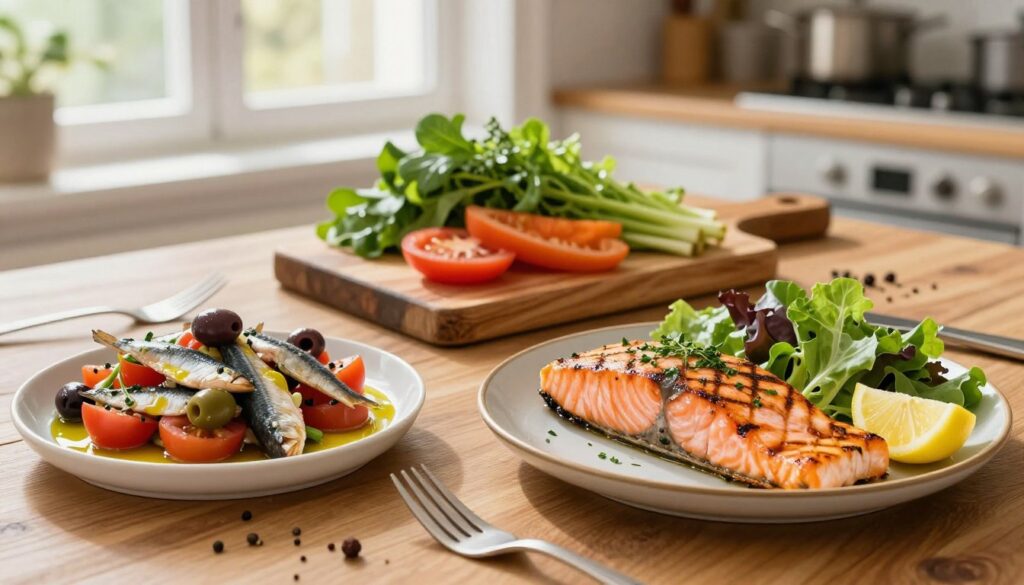
During a coastal hike, the ocean shared a secret with me. It made me question my love for salmon lunch recipes. I wondered if there were healthier, more sustainable seafood options.
I started looking into healthier fish recipes. I found that sardines, mackerel, and anchovies are not only nutritious but also good for the ocean. These small fish helped me make more eco-friendly food choices. https://amzn.to/4sIcZYK
This journey was about more than just food. It was about connecting my meals to the ocean’s health. I wanted to share this knowledge with others, so they could make sustainable seafood choices too.
Key Takeaways
- Smaller fish offer more sustainable seafood options
- Healthy fish recipes can support ocean conservation
- Personal food choices directly impact marine ecosystems
- Nutritional value doesn’t compromise with sustainable choices
- Small changes in lunch recipes can create significant environmental impact
Why I’m Making the Switch from Salmon to Smaller Fish
I started learning about sustainable seafood and was shocked by salmon farming. It has a big environmental impact that many don’t know about. I realized that what we eat affects the ocean a lot.
The seafood industry is facing a big problem. Almost one-third of fish caught worldwide are not for humans. They’re used to feed farmed fish like salmon. This makes fishing less efficient and harms the ocean.
The Environmental Impact of Salmon Farming
Salmon farming hurts the ocean a lot. The industry uses fish like sardines and anchovies to feed salmon. This causes many problems: https://amzn.to/4pES7ic
- It leads to overfishing of wild fish
- It disrupts the marine ecosystem
- It means less nutritious fish for us
- It pollutes the coast with waste
“By choosing different seafood, we can help the ocean and support good fishing practices.”
How Wild-Caught Small Fish Support Ocean Health
Wild-caught small fish are a better choice. They’re full of omega-3s and don’t harm the ocean as much. Eating sardines, mackerel, and anchovies is good for us and the ocean.
I’ve decided to eat seafood that’s better for the planet. Every meal is a chance to help the ocean.
Understanding the Nutritional Benefits of Small Fish
Small fish are nutritional powerhouses. They pack an incredible punch for my high-protein fish lunch recipes. These tiny swimmers are loaded with omega-3 rich fish nutrients that support brain health and overall wellness. They’re not just sustainable seafood options—they’re nutritional gold mines.
The nutritional profile of small fish is truly remarkable. They offer an impressive range of benefits:
- High-quality protein (20-25 grams per serving)
- Concentrated omega-3 fatty acids
- Essential vitamins D and A
- Low environmental impact
Researchers believe seafood consumption might have played a critical role in human brain development. These omega-3 rich fish provide nutrients that are easily absorbed by our bodies, making them superior to many other protein sources. https://amzn.to/45fh8t8
“Small fish are nature’s multivitamin, delivering concentrated nutrition in every bite.”
What makes these fish extraordinary is their position in the marine food chain. By eating lower on the chain, they accumulate fewer contaminants while maintaining high nutrient concentrations. My high-protein fish lunch recipes now feature sardines, mackerel, and anchovies—delivering maximum nutritional value with minimal environmental impact.
The global significance is clear: over 3.3 billion people rely on seafood as their primary protein source. By choosing sustainable small fish, I’m not just improving my diet—I’m supporting global food security.
The SMASH and ECOME Guide to Sustainable Seafood Choices
Finding sustainable seafood can be tough. I found two easy-to-remember tricks that changed how I pick fish. These tips help me choose healthy seafood lunches that also protect the ocean.
Choosing sustainable seafood doesn’t have to be hard. I want to share two simple acronyms that make planning your seafood meals easier.
Decoding SMASH: Your Sustainable Small Fish Guide
SMASH stands for five amazing fish that are good for you and the planet:
- Sardines
- Mackerel
- Anchovies
- Sprats
- Herring
These small fish are full of nutrients. They grow fast, need little fishing gear, and have less toxins than big fish. When I’m looking for a quick, healthy seafood lunch, I choose SMASH fish.
ECOME: Celebrating Sustainable Shellfish
ECOME stands for Eat Clams, Oysters, and Mussels Everywhere. These shellfish are special because they:
- Naturally clean the ocean
- Don’t need food to grow
- Help the ocean’s health
“Sustainable seafood isn’t just about what we eat, but how we choose to eat it.” – Ocean Conservation Expert
By using these tips, I’ve found tasty, healthy seafood that also helps the ocean. It’s a win-win for my meals and the planet. https://amzn.to/49ScUu5
Fish Lunch Recipes: Quick and Healthy Meal Ideas
It’s easy to make quick fish lunch recipes. Fish-based meals are fast and healthy, perfect for busy people. With a few tips, you can make tasty seafood lunches in no time.
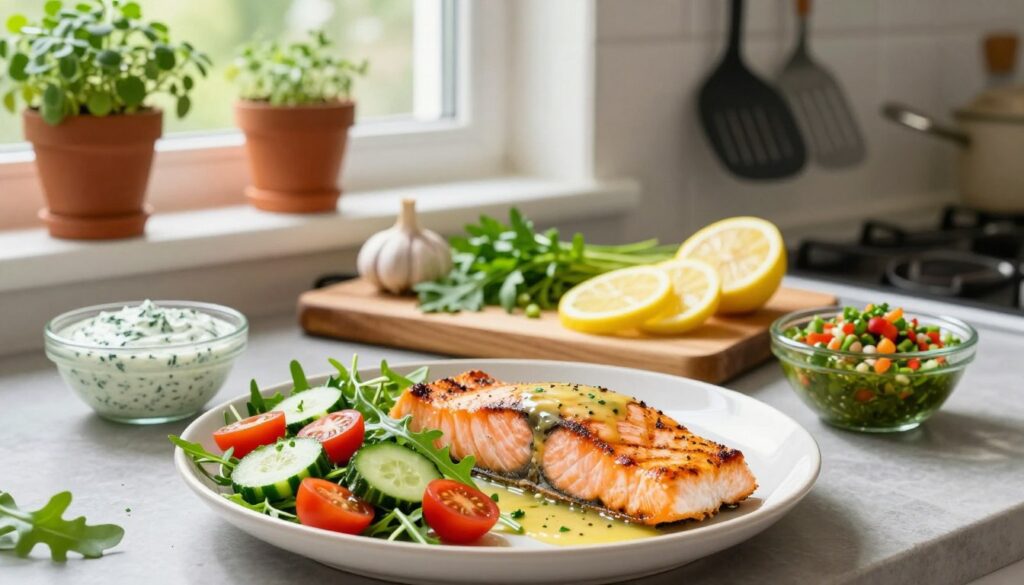
I focus on simple and quick fish lunch ideas. Canned fish like sardines, tuna, and mackerel are great. They’re full of protein and easy to prepare.
- Keep quality canned fish in your pantry
- Learn basic cooking techniques for different fish varieties
- Embrace simple preparation methods
- Prep components in advance for faster assembly
When I’m in a rush, I turn to these fish lunch recipes:
| Recipe | Preparation Time | Key Ingredients |
|---|---|---|
| Sardine Salad Wrap | 10 minutes | Canned sardines, lettuce, whole wheat wrap |
| Tuna Avocado Toast | 5 minutes | Canned tuna, ripe avocado, sourdough bread |
| Mackerel Mediterranean Bowl | 15 minutes | Canned mackerel, quinoa, cucumber, olives |
With a few quick fish lunch tricks, you can make healthy, tasty meals. These fit perfectly into your busy schedule. https://amzn.to/4pRfzJu
My Favorite Sardine Recipes for Easy Weekday Lunches
Sardines have changed how I make quick, healthy meals. They may be small, but they’re packed with flavor and nutrients. With the right cooking, sardine recipes are not only tasty but also easy to make.
Many people are unsure about sardines. But, the right cooking method makes all the difference. My Mediterranean fish recipes have turned even the most hesitant eaters into sardine fans.
Mediterranean-Style Grilled Sardines with Fresh Herbs
Grilling sardines brings out their rich flavor. My top recipe uses simple ingredients to make these small fish a gourmet lunch:
- Fresh sardines (cleaned and gutted)
- Extra virgin olive oil
- Fresh herbs (oregano, thyme, parsley)
- Lemon wedges
- Sea salt and black pepper
For perfect grilled sardines, use high heat and handle them little. Brush with olive oil, add herbs, and grill for 2-3 minutes per side. This makes the skin crispy and golden.
Pan-Seared Sardines with Lemon and Garlic
If you don’t have a grill, pan-seared fish is a great alternative. This method turns sardines into a crispy, tasty lunch in under 15 minutes:
- Pat sardines dry with paper towels
- Season with salt and pepper
- Heat a cast-iron skillet until very hot
- Add sardines and sear for 2 minutes per side
- Finish with fresh garlic and lemon juice
Pro tip: Canned sardines work wonderfully too. Simply drain and crisp them in a hot pan for a quick protein-packed meal.
These sardine recipes show that sustainable, tasty seafood is easy and fun. With little prep, you can make these small fish into high-quality lunches. They’re good for your taste buds and the planet.
Salmon Lunch Recipes: Making Sustainable Choices
Finding sustainable seafood can be tough, like with salmon lunch recipes. Not all salmon is the same. Making smart choices helps the ocean.
- Choose certified sustainable salmon sources
- Limit salmon consumption frequency
- Mix salmon with more sustainable fish options
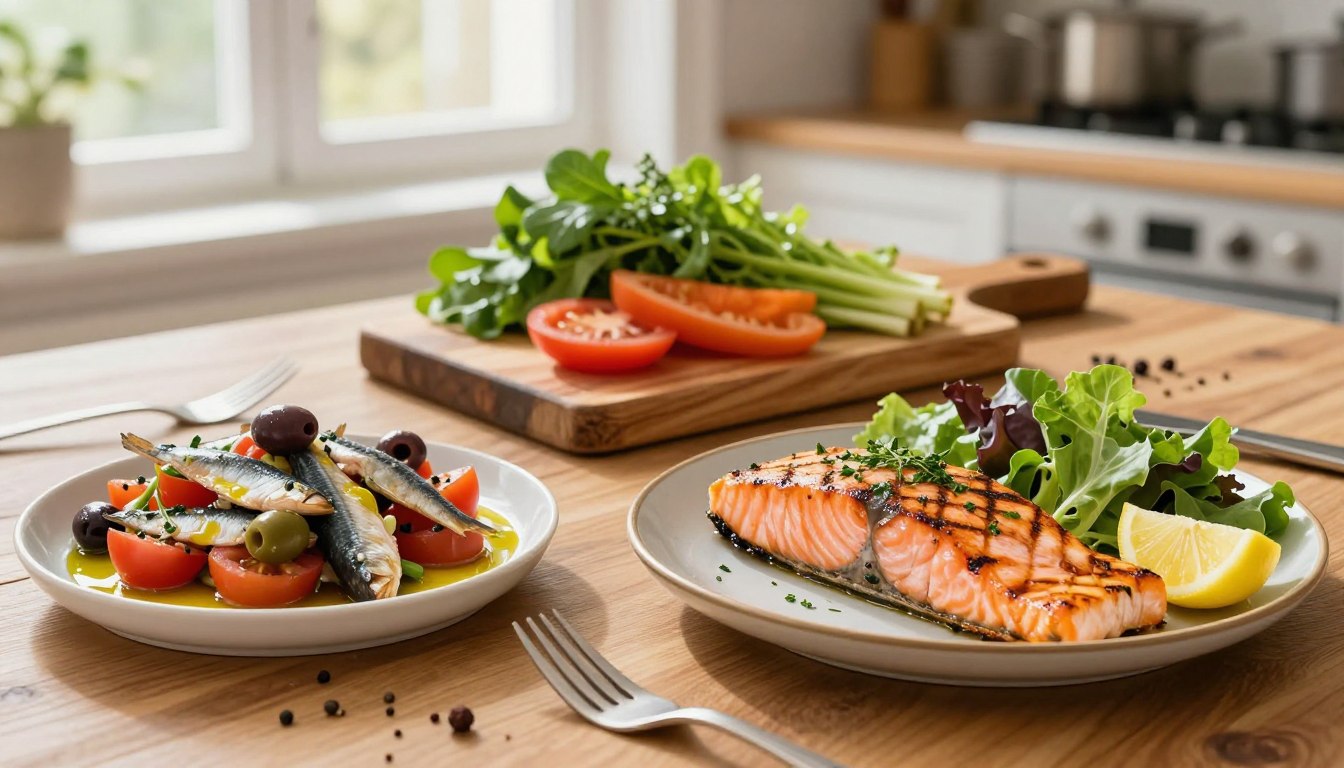
I love making easy salmon and sardine recipes. Mixing fish types reduces harm to the environment. It keeps the taste great too.
| Salmon Type | Sustainability Rating | Recommended Frequency |
|---|---|---|
| Wild-Caught Alaskan Salmon | High | 1-2 times per month |
| Farmed Atlantic Salmon | Medium | Occasional |
| ASC-Certified Salmon | High | Recommended |
When cooking salmon, look for Aquaculture Stewardship Council (ASC) certification. It means better farming and helps the ocean.
My best advice? Mix it up. Adding easy salmon and sardine recipes to your meals helps the sea. It’s tasty and good for the planet. https://amzn.to/49CuMHV
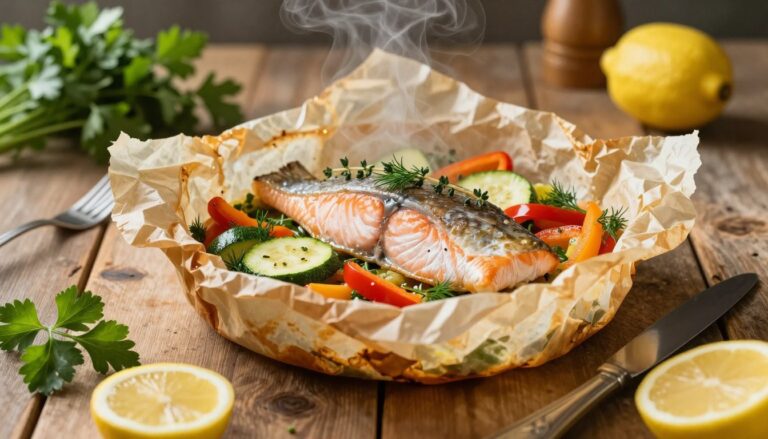
How I Prepare Tuscan-Style Salmon Sardines at Home
Preserving fish is a fun culinary adventure for me. It turns simple salmon recipes into gourmet treasures. My Tuscan-style method makes easy fish recipes special, letting me enjoy tasty seafood all month.
Gathering Ingredients for Preserved Fish
To make these tasty preserved fish, I pick the best ingredients. My must-haves are:
- Fresh salmon fillets
- High-quality olive oil
- Fresh herbs (basil, bay leaves)
- Garlic and shallots
- Red bell peppers
- Finger chiles
- Pickling spices
First, I cut salmon into 2-inch chunks and dry them with paper towels. This makes the fish perfect for preserving.
Mastering Pressure Cooking Techniques
Pressure cooking turns these ingredients into lasting treats. I layer fish and spices in clean jars for even flavor. Cooking times vary, usually 60-90 minutes, based on jar size.
My best tips for great preservation are:
- Choose high-quality canning jars
- Keep the pressure steady
- Let jars cool properly
- Store them in a cool, dark spot
The outcome is extremely tender fish with deep flavors. It’s perfect for quick, tasty meals. I use it on bread, in salads, or with eggs, making it my go-to for fast, delicious dishes.
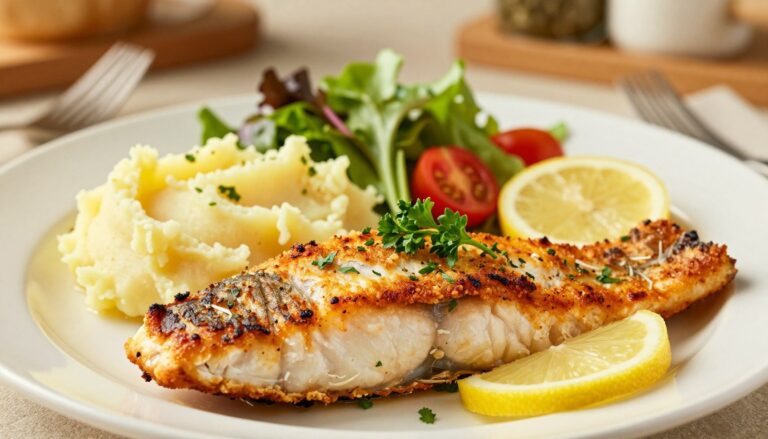
Baked Fish Recipes Using Local and Seasonal Catches
Exploring baked fish recipes has changed how I cook seafood. Local catches let me try some of the best fish recipes. These are tasty and good for the planet. Choosing fish in season helps local fishermen and ensures the best taste. https://amzn.to/45dyIxG
My favorite way to make baked fish recipes is simple:
- Select fresh, local fish from nearby waters
- Use minimal seasoning to highlight natural flavors
- Bake at moderate temperatures (375-400°F)
The secret to great baked fish is knowing when it’s done. Thin fillets might take just 12 minutes, while thicker cuts could require up to 20 minutes. Look for fish that’s opaque and flakes easily with a fork.
| Fish Type | Baking Time | Recommended Seasonings |
|---|---|---|
| Mackerel | 12-15 minutes | Lemon, fresh herbs, olive oil |
| Sea Bass | 15-18 minutes | Garlic, thyme, white wine |
| Sardines | 10-12 minutes | Oregano, chili flakes |
Embracing local, seasonal fish means turning sustainable eating into a culinary adventure.
Trying different local catches has broadened my seafood cooking. These baked fish recipes are not only eco-friendly but also add new flavors to my kitchen.
Incorporating Mussels and Other Bivalves into My Weekly Meal Plan
Discovering mussels changed how I think about seafood lunch ideas. These small sea creatures are not only tasty but also a sustainable protein source. They can change how we eat.
Mussels are packed with nutrition and good for the environment. They are a key part of healthy fish lunch ideas. They offer a great way to eat sustainably.
The Sustainability Superstar of Seafood
My research showed some amazing facts about mussels. They stand out in the seafood world for these reasons:
- Zero land or freshwater needed for farming
- Natural carbon sink abilities
- Create homes for marine life
- Help wild fish stocks grow
| Nutritional Value | Per 3-ounce Serving |
|---|---|
| Protein | 20 grams |
| B12 Vitamins | High concentration |
| Iron | Excellent source |
| Omega-3 Fatty Acids | Rich content |
I love making steamed mussels with white wine, marinated cold mussels for salads, and quick pasta dishes. Pro tip: Frozen or canned mussels are great for quick meals when fresh ones aren’t available.
Adding mussels to my diet is more than just enjoying tasty meals. It’s also about supporting ocean health and making an eco-friendly choice. https://amzn.to/3NvpnLr
Overcoming Common Concerns About Eating Small Fish

When I started looking into healthy fish dishes, I found many people were hesitant about small fish like sardines and anchovies. Research shows interesting facts about our seafood choices. In the UK, about 58 percent of people have never tried sprats, and 28 percent avoid anchovies.
My journey into fish-based meals showed me that overcoming these barriers needs understanding and strategy. The main concerns are usually about strong flavors and bones.
- Intense flavor profiles
- Potential bone complications
For taste worries, how you cook matters a lot. Cooking techniques can make a strong-flavored fish enjoyable. Try marinating in citrus, using fresh herbs, or pairing with other ingredients to lessen the “fishiness”.
Bone issues are also solvable. Many small fish are now boneless, and methods like pressure cooking can make bones soft. Learning how to prepare these fish empowers home cooks to try them confidently. https://amzn.to/49noj4T
Younger people eat less seafood because they’re not familiar with it. Introducing diverse fish dishes early through education and easy recipes can change this. My own experience shows that trying new things and creative cooking can turn hesitation into enjoyment.
Culinary exploration begins with an open mind and willingness to try new flavors.
Conclusion
Exploring quick and healthy seafood lunch options has opened my eyes to a new world. I’ve moved from big fish like salmon to smaller ones like sardines and anchovies. This change has made my meals not only tasty but also good for the planet.
Studies show that choosing local, nutrient-rich fish can make a big difference. These choices help coastal communities, cut down on carbon emissions, and balance the ocean’s health. Every small decision we make can help build a better food system.
It’s not hard to start making these changes. Try a new recipe once a week or swap one lunch for a healthier option. The SMASH and ECOME guidelines make it easy to pick seafood that’s good for you and the planet.
This journey has taught me that our food choices can lead to big changes. By picking sustainable seafood, we feed ourselves and help the ocean. Our lunch can be a way to make a positive impact on the world, one sardine at a time. https://amzn.to/4jKwY59