How to Make Recipes with Kasha Moroccan
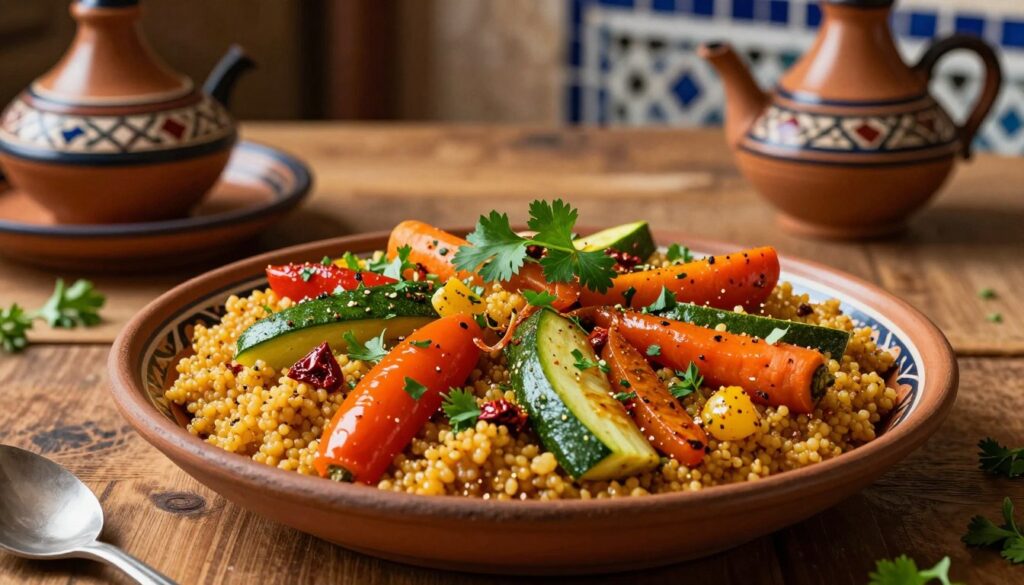
Stepping into a kitchen can be magical. You can discover flavors that take you on a journey. Mixing buckwheat’s earthy taste with North Africa’s warm spices creates dishes that are both comforting and exciting.
Kasha recipes Moroccan style use simple ingredients and bold flavors. These dishes speak to something deep in your soul.
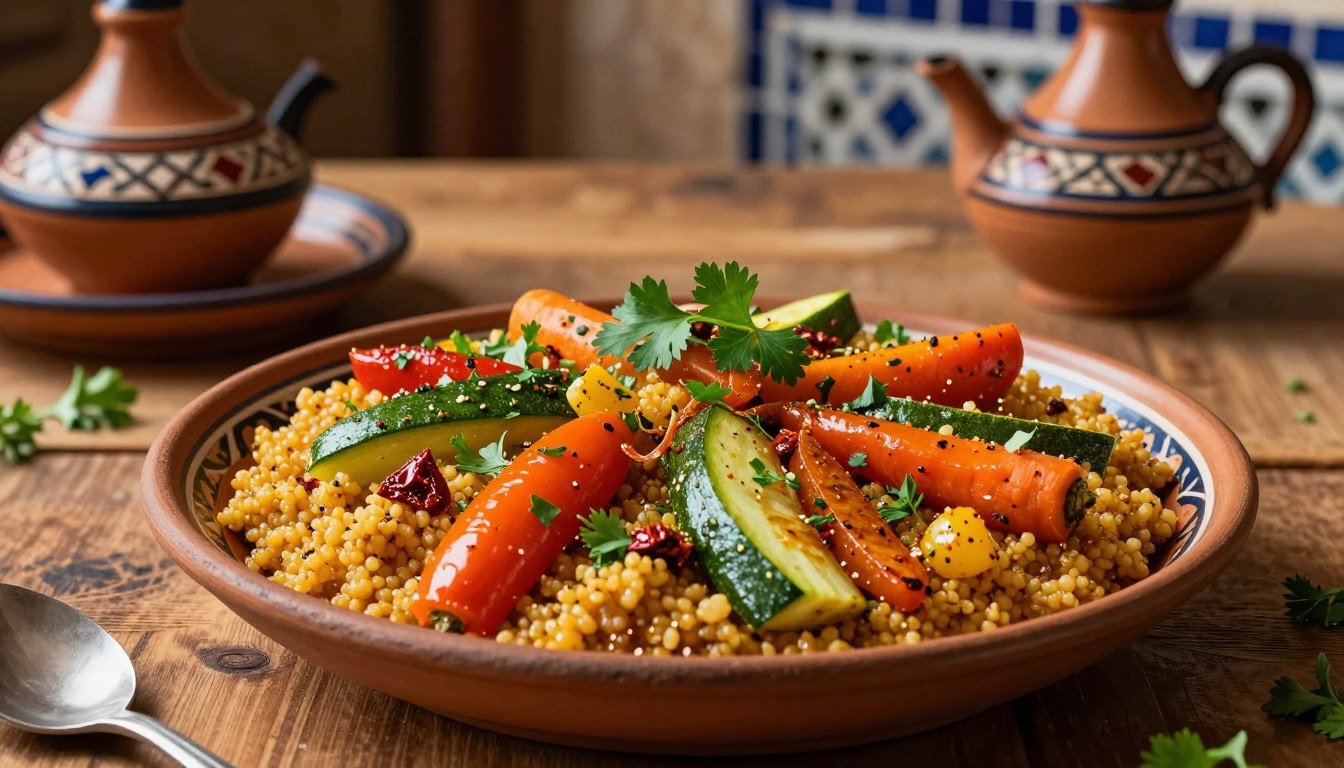
Buckwheat is more than just another grain. Moroccan kasha with vegetables turns it into something extraordinary. Toasting the groats, adding spices, and using fresh vegetables makes every bite bright and flavorful.
This guide will teach you how to make authentic Moroccan kasha dishes. You’ll learn how to prepare these grains and make three different recipes for different occasions.
Kasha is gluten-free and full of protein. Its unique flavor pairs well with warm spices like cumin and cinnamon. Try kasha pilaf with dates, pistachios, and see why these flavors are great together.
By the end of this article, you’ll be confident in making Moroccan kasha dishes. These recipes add healthy, delicious variety to your meals without needing special skills.
Key Takeaways
- Kasha recipes Moroccan style blend nutty buckwheat with aromatic North African spices for satisfying meals.
- Toasting kasha groats with egg creates fluffy, separate grains with maximum flavor development.
- Moroccan kasha with vegetables becomes more interesting when you add dates, nuts, and warm spice blends.
- Buckwheat is naturally gluten-free and high in protein, making it ideal for diverse dietary needs.
- Three simple recipe variations let you create pillows, grain bowls, and stuffed vegetables with the same basic technique.
- Proper cooking ratios and timing ensure your kasha has the perfect tender texture every time.
What Makes Moroccan Kasha Different from Traditional Buckwheat Recipes
Exploring north african buckwheat recipes opens a new world. Unlike simple Eastern European kasha, Moroccan kasha is a mix of sweet and savory. It adds dried fruits and spices, making the flavor complex.
The spice blends and cooking methods in North African cuisine make Moroccan buckwheat stand out. These bold flavors and aromas are unique to traditional moroccan grains recipes. This makes Moroccan buckwheat exotic and unforgettable.
The Role of Ras el Hanout in Moroccan Cooking
Ras el hanout is the heart of kasha with ras el hanout dishes. This spice blend includes:
- Cumin
- Coriander
- Paprika
- Turmeric
- Cayenne pepper
- Cinnamon
- Ginger
- Cardamom
You can find ras el hanout at international delis and quality spice merchants. If it’s not available, you can use harissa for a spicy kick. Or, make your own blend with pantry spices. This lets you customize while keeping the Moroccan essence.
Why Buckwheat Works Perfectly in North African Cuisine
Buckwheat is a great choice for north african buckwheat recipes. It’s high in protein and gluten-free, fitting many diets. Its nutty flavor complements Moroccan spices well.
The texture of buckwheat is hearty, like couscous or bulgur. It stands up to strong spices, keeping its own flavor. This makes dishes authentic and satisfying. Moroccan buckwheat dishes are nourishing, just like traditional North African meals.
Essential Ingredients for Moroccan Style Kasha with Vegetables
Starting a pantry for authentic buckwheat moroccan recipe dishes is exciting. Knowing what to buy is key. Your kitchen will change once you have the right ingredients. Making spiced kasha with vegetables is easy when you have everything ready.
The base of any buckwheat moroccan recipe is quality kasha. Find buckwheat groats in the health food section or natural food stores. This grain is quick to cook and is the foundation of your dish. Keep a few bags in your pantry for future meals.
Spices are essential for bringing life to your dishes. Make sure you have these seasonings:
- Ras el hanout – your primary Moroccan spice blend
- Ground cumin – warm and earthy
- Cinnamon – adds natural sweetness
- Nutmeg – subtle warmth and depth
Quality extra-virgin olive oil is your go-to for cooking and dressing. Choose a trusted brand for all your needs.
For protein and texture, gather these ingredients:
- Canned or dried chickpeas
- Pistachios – raw or roasted
- Pine nuts – for crunch and authenticity
- Dates – pitted and ready to chop
- Golden raisins – chewy sweetness
Choosing the right vegetables makes your dish special. Use fresh carrots, cauliflower, spinach, kale, onions, shallots, and garlic. These roast well and mix well with grains.
Fresh herbs and final touches complete your list. Keep cilantro, mint, lemons, pomegranate seeds, plain yogurt, rice wine vinegar, and Celtic salt handy. These add flavor, tang, and beauty to your dishes.
How to Properly Toast and Prepare Kasha for Moroccan Recipes
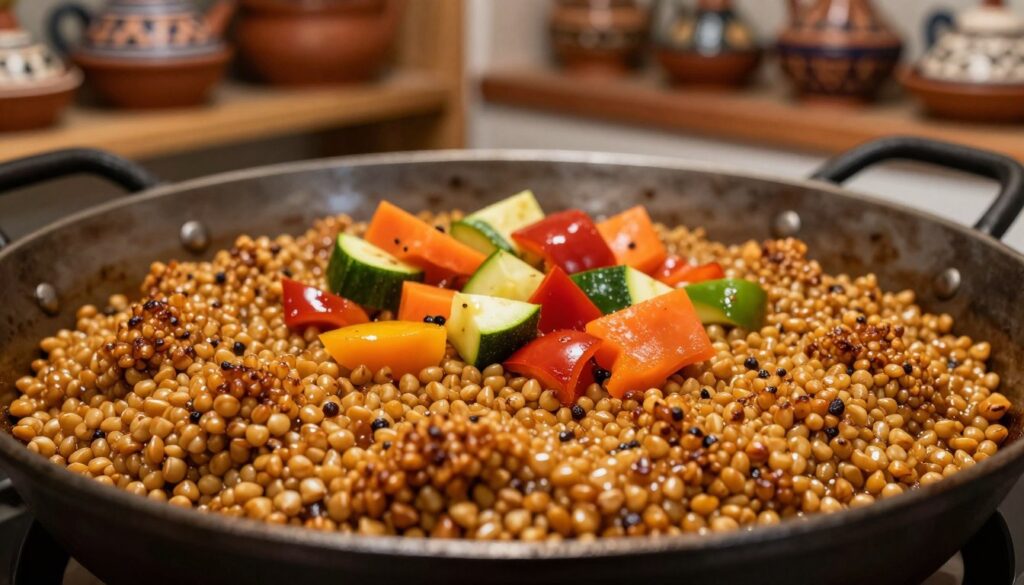
Getting your kasha ready the right way makes all the difference in Moroccan cooking. The preparation process involves two key steps. These steps transform plain buckwheat groats into something truly special. When you learn how to cook kasha moroccan style, you’ll discover that proper toasting and correct cooking ratios create the perfect foundation for your dishes. These techniques take just a little extra time but deliver impressive results every single time.
Dry Roasting Technique for Maximum Flavor
Toasting your buckwheat groats in a dry pan unlocks their natural nutty flavor. Place 125 grams of buckwheat in a large frying pan over medium-high heat. Let it toast for about 5 minutes, shaking the pan frequently to prevent burning. You’ll notice the groats become fragrant and turn a slightly deeper color. This step is crucial because it intensifies the taste and creates a more complex flavor base for your Moroccan spices.
Watch carefully during toasting to avoid scorching the grains. The moroccan style toasted buckwheat should smell wonderful and look golden, not dark brown. This dry roasting step separates good dishes from great ones.
Cooking Ratios and Timing for Perfect Texture
Getting the water-to-grain ratio right matters more than you might think. Use approximately 1.75 cups of liquid to 1 cup of buckwheat, or 220 milliliters of water for every 125 grams of buckwheat. Bring your cooking liquid to a boil with ½ teaspoon of ras el hanout and a pinch of salt. Add your toasted buckwheat and cook uncovered for 6 to 7 minutes.
Watch until the water level reaches the surface of the grains. Reduce the heat to low, cover tightly, and steam for another 8 to 10 minutes. Your kasha is ready when the buckwheat becomes tender and fluffy. This two-stage cooking method prevents mushy grains and gives you perfect texture.
| Ingredient | Measurement | Notes |
|---|---|---|
| Buckwheat groats | 125 grams (½ cup) | Dry roast first for 5 minutes |
| Water or broth | 220 milliliters (1.75 cups) | Bring to boil with spices |
| Ras el hanout | ½ teaspoon | Add to cooking liquid |
| Sea salt | Pinch | Season to taste |
Understanding how to cook kasha moroccan requires paying attention to these timing details. Let the finished kasha rest covered for a few minutes before fluffing with a fork. If any water remains, simply drain it off. Your perfectly prepared buckwheat is now ready for any Moroccan recipe. Check out Mediterranean buckwheat salad techniques to see how your prepared kasha works in fresh, delicious dishes.
- Toast buckwheat in dry pan for 5 minutes
- Shake pan frequently to prevent burning
- Use correct water ratio of 1.75 cups liquid per 1 cup buckwheat
- Cook uncovered for 6 to 7 minutes until water reaches grain level
- Cover and simmer on low for 8 to 10 minutes
- Rest covered for a few minutes before fluffing
Kasha Recipes Moroccan Style: Three Delicious Variations
Get ready to try three amazing kasha recipes. Each one brings unique flavors and textures, keeping the North African taste alive. You’ll find simple meals and impressive dishes for special occasions.
These recipes are just the beginning. Feel free to adjust them based on your kitchen’s offerings. All three are great for meal prep and taste even better the next day.
Understanding Your Three Recipe Options
Each recipe offers something special. Here’s what you’ll find:
- Moroccan Kasha Pilaf with Chickpeas and Spices is a warm, comforting dish. It combines fluffy kasha with chickpeas, sweet dates, and crunchy pistachios for a complete meal.
- A Moroccan Grain Bowl with Roasted Vegetables is a lighter, fresher option. It features caramelized cauliflower and garlicky yogurt sauce, perfect for meal prep.
- Stuffed Acorn Squash with Spiced Kasha and Kale offers an impressive presentation. It combines roasted squash sweetness with savory kasha filling, pine nuts, raisins, and warming spices.
The north african buckwheat pilaf tradition is the heart of these recipes. They use the kasha preparation techniques you’ve learned, but with new flavors and serving styles.
Each recipe is naturally vegetarian and easily adapted to be vegan by omitting dairy components.
Your choice depends on what you’re in the mood for. Need something quick? Try the Moroccan kasha pilaf. Want to impress? Go for the stuffed squash. Looking for something light? The grain bowl is your best bet.
Making Moroccan Kasha Pilaf with Chickpeas and Spices
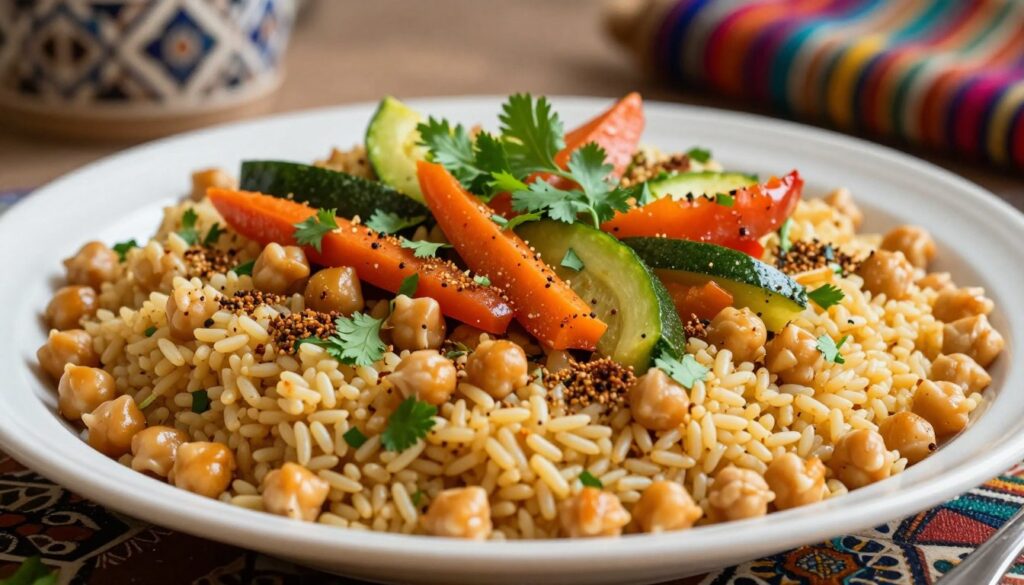
Making a Moroccan kasha pilaf with chickpeas and spices turns simple ingredients into a tasty meal. This recipe mixes buckwheat with legumes and North African flavors. It’s perfect for weeknight dinners or meal prep.
Step-by-Step Cooking Instructions
Begin by toasting your kasha using the dry roasting method from Section 4. Cook it in seasoned broth until it’s done. Let it cool a bit while you prepare the rest.
Heat olive oil in a large pan over medium heat. Add sliced onions or shallots and cook until they’re soft and golden, about five to seven minutes.
Add minced garlic and your spice blend—cumin, cinnamon, and a small pinch of cayenne pepper. Let the spices release their fragrance for about one minute. Then, add your chickpeas to the pan, stirring gently to coat them with the aromatic mixture. Let the chickpeas warm through for three to four minutes.
Mix your cooked kasha into the chickpea mixture gently. This way, the kasha and chickpeas blend together beautifully, bursting with flavor.
| Ingredient | Amount | Purpose |
|---|---|---|
| Kasha (buckwheat groats) | 1½ cups | Base grain with nutty flavor |
| Chickpeas (cooked or canned) | 1½ cups | Plant-based protein source |
| Onions or shallots | 1 medium | Aromatic vegetable base |
| Garlic (minced) | 3 cloves | Depth and warmth |
| Cumin | 1½ teaspoons | Earthy spice |
| Cinnamon | ½ teaspoon | Warm sweetness |
| Cayenne pepper | ¼ teaspoon | Gentle heat |
| Olive oil | 3 tablespoons | Cooking fat and flavor |
| Vegetable broth | 3 cups | Cooking liquid for kasha |
Adding Dates and Pistachios for Authentic Sweetness
Adding fresh dates and pistachios makes your kasha special. Chop about one cup of dates into small pieces. Their sweetness is key to Moroccan flavor. Mix them into the pilaf or sprinkle on top.
Toast pistachios lightly until fragrant, then chop them. Mix half into the pilaf and save the rest for garnish. A squeeze of lemon juice enhances all the flavors. Top with chopped cilantro or parsley for color and freshness.
- Chopped dates—one cup fresh or dried
- Raw pistachios—¾ cup roughly chopped
- Fresh lemon juice—one to two tablespoons
- Fresh cilantro or parsley—quarter cup chopped
- Sea salt and black pepper to taste
This kasha dish is packed with nutrition. Buckwheat and chickpeas provide all nine essential amino acids. It’s a filling, plant-based meal. The spices add depth without extra calories, making it a healthy choice.
Creating a Moroccan Grain Bowl with Roasted Vegetables
Making a Moroccan grain bowl is very rewarding. It’s a colorful dish that mixes roasted veggies with seasoned buckwheat. This meal looks fancy but is easy to make. It brings fresh flavors and warm spices right to your plate.
Begin by cutting your veggies. Cut cauliflower into thick slices, about three-quarters of an inch. Place these slices on a parchment-lined baking sheet. Drizzle with olive oil and sprinkle with ras el hanout, salt, and pepper. Add unpeeled garlic cloves around the cauliflower to roast until soft and sweet.
Roast everything at 425°F for 25 to 30 minutes. The cauliflower is done when it’s golden and tender. While it roasts, toast your kasha. Finish it with lemon juice, zest, and olive oil for extra flavor.
To make your grain bowl, start with kasha as the base. Add roasted cauliflower and a dollop of garlic yogurt sauce. Make the sauce by squeezing roasted garlic, mashing it, and mixing with yogurt, lemon juice, and water.
Top it off with:
- Torn fresh mint leaves
- Pomegranate seeds for tart sweetness
- Extra olive oil drizzle
- Crumbled feta cheese (optional)
Your kasha vegetable recipe easy keeps well in the fridge for 3 to 4 days. This makes it easy for busy weeks.
“A grain bowl filled with roasted vegetables and warm spices creates comfort food that nourishes both body and soul.”
You can use carrots, sweet potatoes, or eggplant instead of cauliflower. Each veggie roasts well with ras el hanout, adding its own flavor to your bowl.
Stuffed Acorn Squash with Spiced Kasha and Kale
Stuffed acorn squash is a stunning centerpiece for any vegetarian dinner. It combines roasted squash with a savory filling. This filling features moroccan vegetarian kasha and warm spices. It’s a gluten-free option that’s fancy yet easy to make.
This dish is simple and versatile. You can prepare each part at your own pace. Then, assemble it just before serving. The squash serves as a bowl, while the filling mixes toasted nuts, dried fruit, and greens in a Moroccan way.
Preparing the Squash for Stuffing
Begin with two medium acorn squashes. Cut each in half lengthwise with a sharp knife. The skin is tough, so be patient and apply steady pressure.
Next, remove the seeds and stringy membrane from the center cavity. Use a sturdy spoon for this. Then, slice a thin piece off the rounded bottom of each half. This makes the squash stable while it roasts.
Lightly coat a low-sided baking pan with oil. Place both squash halves cut-side down in the pan. Roast at 400 degrees Fahrenheit for 35 to 40 minutes. The squash is ready when a fork easily pierces the tender flesh.
This method steams the interior while the skin protects it. You’ll know the squash is ready when the flesh breaks apart easily.
Combining Pine Nuts, Raisins, and Warm Spices
While your squash roasts, prepare the filling. Start by dry roasting pine nuts in a pan over medium-high heat. Shake the pan frequently for about three to four minutes until the nuts turn golden brown and release their nutty aroma. Watch carefully since nuts burn quickly. Set them aside on a plate.
Heat olive oil in the same pan and add diced shallots or onion. Cook over medium-low heat for three to five minutes until the pieces become translucent and soft. Add three ounces of shredded kale and one tablespoon of minced garlic. Cook for five more minutes, stirring occasionally, until the kale wilts completely and becomes tender.
Now comes the magic. Sprinkle in half a teaspoon of cinnamon and one-eighth teaspoon of nutmeg. These warm spices are the soul of gluten-free moroccan recipes like this one. Fold in your cooked rice or kasha, the toasted pine nuts, and one-quarter cup of golden raisins. Mix everything thoroughly so the sweet raisins, rich nuts, earthy kale, and warm spices distribute evenly throughout.
| Ingredient | Amount | Purpose |
|---|---|---|
| Pine nuts (dry roasted) | ¼ cup | Adds crunch and richness |
| Golden raisins | ¼ cup | Brings natural sweetness |
| Cinnamon | ½ teaspoon | Warm, earthy spice |
| Nutmeg | ⅛ teaspoon | Subtle depth and warmth |
| Kale (shredded) | 3 ounces (2 cups) | Nutritious leafy base |
| Cooked rice or kasha | ½ cup | Hearty grain foundation |
Turn your roasted squash halves right-side up and fill them generously with the kasha mixture. Mound the filling about two inches above the squash. For warm presentation, return the stuffed squash to the oven for ten minutes. Serve immediately with hot sauce on the side if you’d like extra heat.
This dish is naturally vegetarian and works perfectly for anyone following a gluten-free diet. The combination of moroccan vegetarian kasha, fresh greens, and aromatic spices creates a meal that feels both nourishing and indulgent.
Moroccan Buckwheat Salad with Cumin Dressing
A refreshing Moroccan buckwheat salad is perfect for warm weather. It’s great for lunch or as a side with grilled meats. Kasha is a great kasha couscous alternative, offering protein and a nutty taste.
First, cook your kasha and let it cool on a sheet pan. This keeps the salad from getting soggy. While it cools, chop your veggies into small pieces.
Salad Ingredients You’ll Need
- 2 cups cooked buckwheat (cooled completely)
- 3 chopped carrots
- 1 small red onion (chopped)
- 2 ounces fresh spinach (chopped)
- 6 ounces cooked chickpeas
- 6 pitted dates (chopped)
- 2 green onions (chopped)
- 2 ounces fresh cilantro (chopped)
- Optional red pepper flakes for heat
Cumin Dressing Instructions
The dressing adds authentic Moroccan flavors. Cumin powder is the key ingredient. Mix all dressing ingredients in a jar and shake until smooth.
| Dressing Component | Amount |
|---|---|
| Extra virgin olive oil | 1/4 cup |
| Rice wine vinegar | 1/3 cup |
| Cumin powder | 3 teaspoons |
| Salt | 1/2 teaspoon |
Put all salad ingredients in a bowl. Add the dressing and toss until everything is coated. Serve right away for the best taste.
This salad stays fresh for a day or two, perfect for meal prep. You can also use quinoa or farro instead of buckwheat. But buckwheat’s earthy flavor makes it special.
“Cold grain salads offer flexibility—you can prep them hours ahead and enjoy fresh flavors whenever hunger strikes.”
Tips for Serving and Storing Your Moroccan Kasha Dishes
Your Moroccan kasha dishes need the right finishing touches. Knowing how to serve and store them ensures you enjoy them at their best. The flavors of your kasha recipes get better over time, making them great for meal prep. Proper storage keeps your food fresh and tasty for days.
Best Accompaniments and Side Dishes
Moroccan kasha goes well with cooling sauces that balance warm spices. Try mixing plain yogurt with lemon juice, garlic, and fresh herbs like mint or cilantro for a refreshing contrast. For those who love heat, harissa—a North African hot chili paste—adds authentic flavor. Any hot sauce works if harissa isn’t available at your local store.
Your kasha pairs well with grilled or roasted meats. Lamb, chicken, and merguez sausage complement the grain nicely. Vegetarian spreads also work well. Serve your kasha with roasted carrots seasoned with cumin, chickpea tagine, or a simple tomato and cucumber salad.
- Flatbreads like pita or naan for scooping
- Hot mint tea as an authentic beverage pairing
- Roasted vegetables with warm spices
- Fresh herb garnishes for added brightness
Reheating and Meal Prep Strategies
Most kasha dishes keep well in airtight containers in your refrigerator for 4-5 days. Traditional buckwheat recipes make generous portions that taste better after flavors meld together overnight.
When reheating, add a splash of water or broth to prevent drying. Warm your kasha gently in a covered pan on the stovetop or use your microwave for quick heating. Stuffed squash reheats best in a 350°F oven for about 15 minutes.
| Storage Method | Duration | Best For |
|---|---|---|
| Refrigerator in airtight container | 4-5 days | All kasha dishes |
| Grain salad with dressing | 1-2 days | Vegetables remain crisp |
| Freezer in portions | Up to 3 months | Cooked kasha and pilaf |
| Oven reheating | 350°F for 15 minutes | Stuffed vegetables |
For best results during meal prep, store components separately. Keep grains, roasted vegetables, dressings, and garnishes in different containers. Assemble them just before eating for the freshest taste and best texture. Thaw frozen portions overnight in your refrigerator before reheating for optimal results.
Conclusion
You now have the tools to make amazing Moroccan-style kasha dishes. These dishes bring North African flavors to your table. You’ve learned how to dry roast buckwheat and balance sweet and savory spices.
Whether you make a warm pilaf, an elegant grain bowl, or a stunning stuffed squash, you’re ready. You can cook with confidence and skill. These recipes are more than just following instructions.
You understand the principles behind each dish. This means you can swap vegetables, nuts, and dried fruits based on what you have at home. Moroccan kasha cooking is all about flexibility and turning simple ingredients into something special.
These dishes are also nutritious. Buckwheat is a great source of plant-based protein and fiber, and it’s naturally gluten-free. They work well for many dietary needs, from vegan to vegetarian choices. If you’re looking for more balanced, quick meal solutions, Asian-inspired dinner bowls offer similar versatility and nutrition in a different flavor profile.
Start with the recipe that calls to you most. Gather your spices, pick your vegetables, and dive into cooking. The aromas in your kitchen will tell you that you’re creating something special. Your meals will taste as beautiful as they look, and each bite will remind you why these Moroccan-style dishes are worth making again and again.