How to Make Pizza Dough Easy
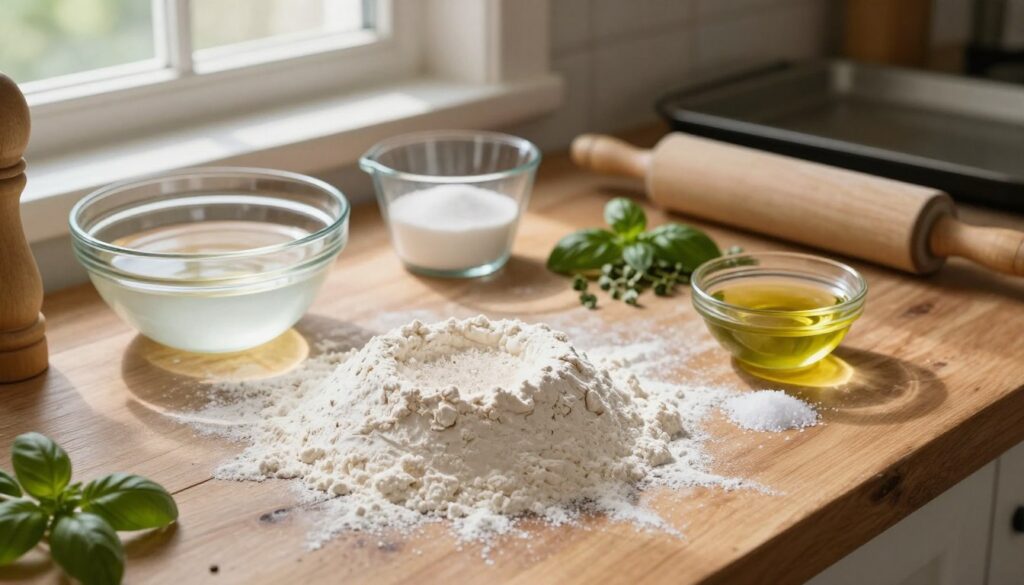
There’s something magical about pulling a homemade pizza from your oven. The smell fills your kitchen. Your family gathers around. You realize you created something special with your own hands.
Many people want to learn pizza making. Yet, many think it’s too hard or takes too long. The truth is different. Making an easy pizza dough recipe is simpler than you think.
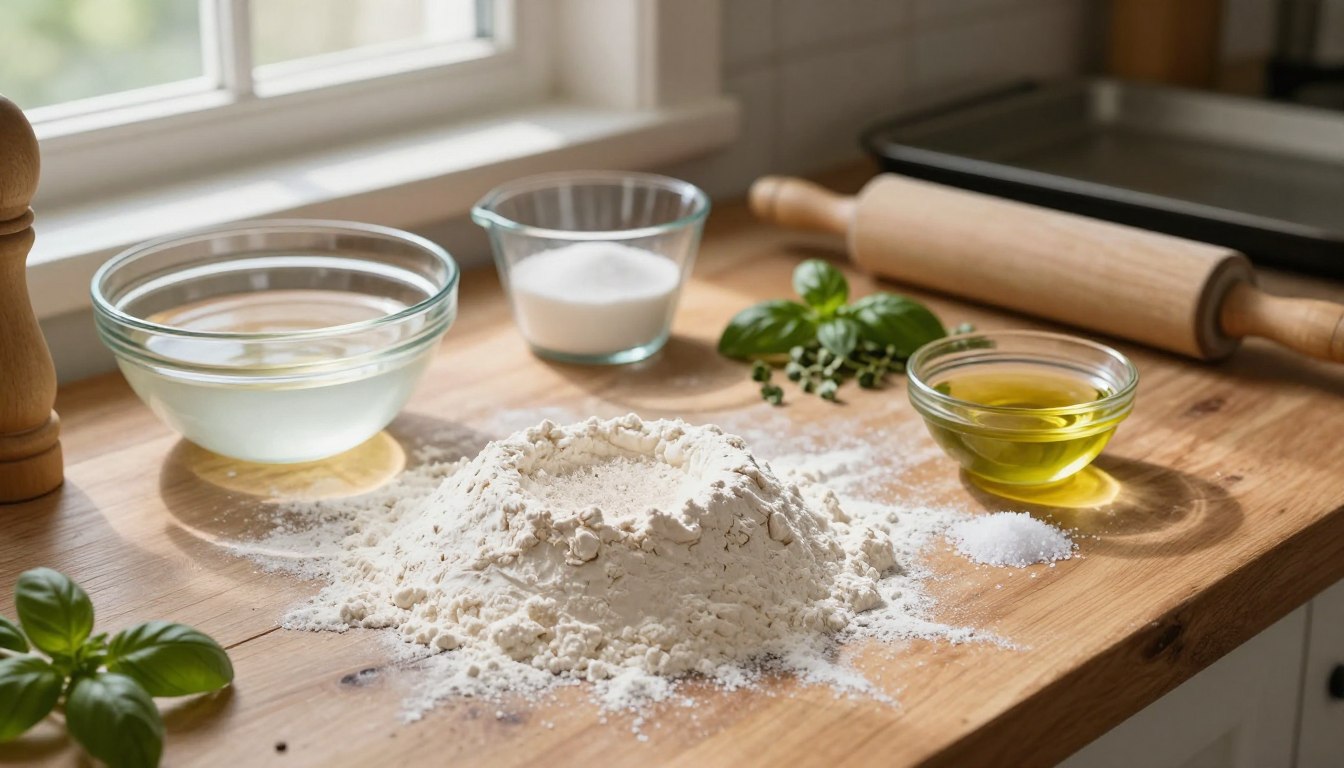
You don’t need special skills or fancy tools. What you need is the right approach and basic ingredients like flour, water, olive oil, and yeast. That’s it.
Your schedule matters. Some days you have two hours to spare. Other nights you’re rushed. The good news is you can make homemade pizza dough in either situation. A quick method takes just thirty minutes. A longer rise creates deeper flavor. You pick what works best for you.
This guide teaches you everything. You’ll learn which ingredients matter most. You’ll discover mixing techniques that actually work. You’ll master shaping your dough into perfect circles. Best of all, you’ll understand how to get that crispy-yet-chewy crust that rivals your favorite pizzeria.
Making your own pizza dough puts you in control. You choose your toppings. You decide the thickness. You create exactly what you want. Store-bought dough can’t compete with that freedom.
Key Takeaways
- An easy pizza dough recipe uses just six basic ingredients and takes under two hours total
- You can make homemade pizza dough in thirty minutes using the quick rise method
- Hand mixing works perfectly without any special equipment or stand mixer
- Proper folding and resting creates structure and better flavor in your dough
- Baking temperatures between 550°F and 285°C give you crispy, golden crusts
- Four equal dough pieces from one batch give you enough pizza for a family meal
- Pizza dough mistakes are easy to fix once you understand what causes them
Why Homemade Pizza Dough Is Worth Your Time
Making pizza dough from scratch might seem like extra work, but it’s worth it. You get better taste, texture, and quality than store-bought dough. Plus, you save money and impress your family with fresh pizza.
Many people think making dough takes too much time. But, there are quick recipes that fit into your busy schedule. You enjoy homemade flavor without spending all evening cooking.
The Difference Between Store-Bought and Homemade
Homemade pizza dough tastes better right away. Store-bought dough has preservatives and additives that affect flavor. Your homemade dough is fresh and full of taste.
The texture of homemade dough is also better. It has a great chew and crust. Your kitchen fills with the amazing smell of fresh bread. Store-bought dough can’t compare to this.
- Fresh, complex flavors from quality ingredients
- Superior texture and chew in every bite
- No artificial preservatives or additives
- Irresistible aroma while baking
- Better crust development and browning
Cost Savings of Making Your Own Dough
Homemade pizza dough is cheaper. A batch costs almost nothing to make. Store-bought dough costs $3 to $5, and delivery pizza is $15 to $25 per pie. Your homemade dough makes multiple pizzas from pantry staples.
| Pizza Option | Cost Per Pizza | Time to Prepare |
|---|---|---|
| Homemade Pizza Dough from Scratch | $0.50 – $1.00 | 30 minutes to 2 hours |
| Store-Bought Dough | $3.00 – $5.00 | 5 minutes |
| Delivery Pizza | $15.00 – $25.00 | 30-45 minutes |
Families who cook at home save a lot of money. A simple dough recipe uses flour, water, yeast, and salt. These ingredients are very cheap. Making your own dough saves hundreds of dollars a year and tastes better.
Essential Ingredients for Easy Pizza Dough Recipe
Creating a great pizza dough recipe starts with knowing what ingredients you need. You don’t need a long list or fancy items to make delicious pizza at home. Most of the time, you already have these simple ingredients in your pantry.
Let’s look at what you need for your yeast pizza dough and why each ingredient is important. Knowing how each ingredient works will make you more confident when mixing and shaping your dough.
| Ingredient | Amount | Purpose | Why It Matters |
|---|---|---|---|
| All-Purpose Flour | 2½ cups | Provides structure and texture | Creates the foundation of your crust and determines how chewy or crispy your pizza becomes |
| Instant Yeast | 2¼ teaspoons (1 packet) | Leavening agent that makes dough rise | Develops flavor and creates the airy texture you want in your finished pizza |
| Warm Water | 1 cup (100°F-110°F) | Hydrates flour and activates yeast | Water temperature is crucial—too hot kills yeast, too cold slows rising |
| Extra Virgin Olive Oil | 3 tablespoons total | Adds richness and creates golden crust | Brings tenderness and helps develop flavor during cooking |
| Kosher Salt | 1 teaspoon | Enhances flavor and controls yeast activity | Seasons throughout the dough and prevents over-rising |
Water temperature is very important. Lukewarm water between 100°F and 110°F activates your yeast without killing it. Cold water slows activation, while hot water destroys the yeast cells you need for rising.
The easy pizza dough recipe becomes much easier when you understand ingredient quality. You don’t need expensive specialty brands, but fresh yeast and good olive oil make noticeable differences in your final pizza. Check your yeast expiration date—old yeast won’t rise properly.
Here’s what happens with each ingredient:
- Flour provides backbone and texture for your crust
- Yeast pizza dough relies on active yeast to create rise and develop complex flavors
- Water hydrates the flour and activates gluten development
- Olive oil adds richness and creates a beautiful golden color
- Salt seasons your dough and prevents it from over-rising
Most recipes include these five basic ingredients, though some variations add a pinch of sugar to feed the yeast and jumpstart fermentation. Once you gather these simple items, you’re ready to start mixing your dough and creating restaurant-quality pizza at home.
Understanding the Role of Yeast in Pizza Dough
Yeast is the magic that turns dough into something special. It eats sugar and makes carbon dioxide, creating air pockets. Without it, your dough would be dense and flat.
The role of yeast in pizza dough is more than just rising. It also adds flavor through fermentation. This process makes your homemade pizza taste better than store-bought ones.
Active Dry Yeast vs RapidRise Yeast
You can choose between Active Dry Yeast and RapidRise Yeast for your dough. Each type affects your pizza differently.
| Yeast Type | Activation Method | Rise Time | Flavor Profile | Best For |
|---|---|---|---|---|
| Active Dry Yeast | Dissolve in warm water (105°-110°F) before mixing | 90 minutes to 2 hours | More developed, complex flavor | Traditional pizzas with time to spare |
| RapidRise Yeast (Instant) | Mix directly into dry ingredients | 10 minutes | Lighter, slightly less tangy | Quick pizza dough in 30 minutes or less |
Active Dry Yeast needs to be activated in warm water. It will foam and bloom when ready. This step adds richer flavor but takes a bit longer.
RapidRise Yeast skips the water step. You mix it straight into your dry ingredients. It’s perfect for a quick dough in 30 minutes.
How to Activate Yeast Properly
Activating Active Dry Yeast correctly ensures your dough rises well. Follow these steps:
- Pour lukewarm water (between 105°F and 110°F) into a small bowl
- Add a pinch of sugar to feed the yeast
- Sprinkle your yeast on top of the water
- Wait 5 to 10 minutes without stirring
- Watch for foam and bubbles to appear on the surface
That foam is your confirmation. It means the yeast is alive and active. This visual check gives you peace of mind before you mix your quick pizza dough recipe. If your water is too hot, it kills the yeast. If it’s too cold, the yeast stays dormant.
Common activation problems and fixes:
- No foam appears: Your yeast may be expired or the water temperature was wrong
- Yeast smells off: The yeast has gone bad and needs replacing
- Dough rises too slowly: Water temperature was too cool
- Dough rises too quickly then collapses: Water was too hot
With RapidRise Yeast, you skip this step. Just mix it into your flour and other dry ingredients, then add your liquid. This makes quick pizza dough in 30 minutes possible for busy weeknights.
Choosing the Best Flour for Your Pizza Dough
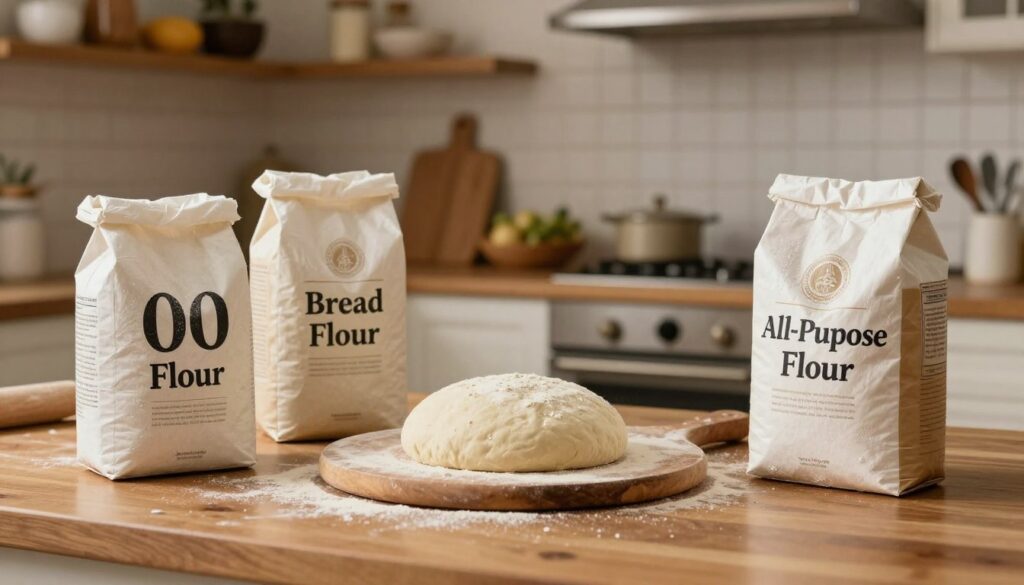
The flour you choose greatly impacts your pizza. It affects the dough’s texture, taste, and how it behaves. Knowing about flour protein content helps you pick the right ingredients for the best homemade pizza dough.
Flour protein levels affect gluten development. More protein means stronger gluten, leading to chewier, more elastic dough. This is key because gluten traps air bubbles, giving your crust its texture and structure.
- All-purpose flour contains 10-12% protein and works in a pinch for beginners
- Bread flour has 12-14% protein and creates noticeably better chew and structure
- Doppio zero (00) flour is superfine Italian flour with adequate protein that creates outstanding results
Italian pizza dough makers love 00 flour. It’s ground very fine, slowing down water absorption. This makes the dough more hydrated, leading to an airy interior and a crispy-chewy crust, just like Neapolitan-style pizza.
| Flour Type | Protein Content | Best For | Texture Result |
|---|---|---|---|
| All-Purpose Flour | 10-12% | Quick experiments and beginners | Decent crust, less chewy |
| Bread Flour | 12-14% | Home pizza makers wanting improvement | Chewy, strong structure |
| Doppio Zero (00) Flour | 12-14% | Serious pizza enthusiasts | Airy, crispy-chewy perfection |
Finding 00 flour can be a challenge. Look in specialty stores, Italian markets, or buy online from brands like King Arthur Baking Company or Bob’s Red Mill. The right flour for you depends on your skill level and budget. Beginners start with all-purpose flour. Intermediate bakers use bread flour. Serious pizza fans go for Italian pizza dough flour for the real deal.
If 00 flour is hard to find, don’t worry. Bread flour is great for pizza and is common in most supermarkets. You’ll still make crusts that wow your family and friends.
Step-by-Step Guide to Making Quick Pizza Dough
Making pizza dough is easy, even for beginners. It’s all about understanding the steps. This guide will show you how to mix, knead, and shape your dough. You’ll see that making great dough at home is simple with the right tools and tips.
Mixing Your Ingredients Together
Begin by making your yeast mixture. Use lukewarm water and a bit of sugar for Active Dry Yeast. Add the yeast and wait 10 minutes for it to foam. This foam means your yeast is active.
While waiting, prepare a large mixing bowl. Mix flour and salt, leaving a well in the center. Add the yeast mixture and stir in a circular motion. The dough will be shaggy at first.
Next, add olive oil and mix until the dough comes together. You can use a simple bowl and spoon for this step. It’s easy to mix the dough without any special tools.
Kneading Techniques for Perfect Texture
Place the dough on a floured surface. Kneading is key to developing the dough’s texture. It makes the dough elastic and gives it structure.
Here’s a kneading technique:
- Push the dough away from you using the heel of your hand
- Fold it back toward you
- Give it a quarter turn
- Repeat this rhythm for 6 to 8 minutes
Only add flour if the dough sticks. When it’s smooth and bounces back, it’s ready. This texture is crucial for a great pizza.
Don’t hurry through kneading. It’s a crucial part of making pizza dough. Each fold strengthens the dough.
The Quick Rise Method for Busy Weeknights
Homemade pizza can be ready in no time, even on busy weeknights. The quick rise method makes it easy to enjoy fresh, tasty pizza without waiting hours. It’s perfect for when your schedule is tight.
RapidRise yeast is the key to quick dough rising. After kneading, shape the dough into a ball and put it in a greased bowl. Cover it and place it in a warm spot. In just 10 minutes, it’s ready to bake, unlike traditional methods that take 90 minutes to 2 hours.
Finding the right warm spot is crucial. Try the oven, refrigerator, or a turned-off oven with the light on. These spots provide gentle warmth for rapid rising.
No-knead pizza dough is another great option for busy cooks. It uses a wetter dough and less handling. This method develops nicely without intense kneading.
Plan ahead when you can. Make dough in the morning and refrigerate it. Let it come to room temperature when you get home. This way, you get the speed you need and deeper flavors.
| Rising Method | Rise Time | Yeast Type | Best For |
|---|---|---|---|
| Quick Rise (Warm Location) | 10 minutes | RapidRise Yeast | Weeknight meals, urgent cravings |
| Traditional Rise (Room Temperature) | 90-120 minutes | Active Dry Yeast | Deep flavor development, planned cooking |
| Refrigerated Rise (Overnight) | Up to 8+ hours cold, then 90-120 minutes warming | Active Dry Yeast | Advanced planning with complex taste |
Speed and flavor are trade-offs. Quick methods mean faster eating, but longer fermentation creates complex tastes. Knowing this helps you choose the best method for your needs.
- Use RapidRise yeast for fast rising doughs
- Choose a warm spot between 75-80°F for best results
- Cover your dough to prevent drying out
- Check for slight doubling and tender texture
- Refrigerate dough in the morning for evening cooking
Whether you pick the 10-minute method, no-knead, or refrigeration, you control your pizza-making time. Busy weeknights no longer mean missing out on homemade pizza quality.
How to Knead Pizza Dough Without a Mixer
You don’t need fancy kitchen equipment to make amazing pizza at home. Making easy homemade pizza dough without a mixer shows that your hands are powerful for baking. Hand kneading lets you control the dough better and feel when it’s just right.
Hand Kneading Techniques That Work
Start by placing your dough on a lightly floured surface. Use your dominant hand’s heel to push the dough down and away from you. This stretches and flattens the dough.
Then, fold the far edge of the dough back toward you. Turn the dough a quarter turn and repeat this process. Knead for about 5 to 8 minutes.
Watch how your dough changes. It starts sticky and tears easily. But as you knead, it gets smoother and more elastic. When it springs back quickly, you’re doing it right.
- Dust with flour only when necessary to prevent sticking
- Use consistent, rhythmic motions for even development
- Feel for a smooth, skin-like texture as your target
- Stop adding flour once dough reaches proper consistency
Building Tension for a Perfect Boule Shape
Creating a tight, round ball shape helps your dough rise evenly and bake beautifully. Start by gently patting your kneaded dough to flatten it slightly.
Use the envelope folding method to build surface tension. Fold the top third down, then the bottom third up. Rotate your dough 90 degrees and repeat this folding process two more times.
Next, gather all the edges underneath your dough and pinch them together to seal them. Flip the dough seam-side down on your work surface.
Cup your hands around your dough ball while rotating it slowly. Press it gently against the counter as you turn it. This final step tightens the outer surface into a perfect sphere. Your easy homemade pizza dough without mixer is now ready to rise into a beautiful domed shape.
| Step | Action | Duration | Key Result |
|---|---|---|---|
| 1 | Push-fold-turn motion | 5-8 minutes | Smooth, elastic dough |
| 2 | Flatten dough lightly | 1 minute | Even thickness |
| 3 | Envelope fold (3 times) | 2 minutes | Built tension |
| 4 | Seal edges underneath | 1 minute | Secure closure |
| 5 | Cup and rotate motion | 2-3 minutes | Perfect round boule |
Remember, making easy homemade pizza dough without a mixer requires patience and practice. Your hands will develop muscle memory as you repeat these motions. Soon, you’ll know by touch exactly when your dough is ready for shaping.
Shaping and Stretching Your Pizza Dough
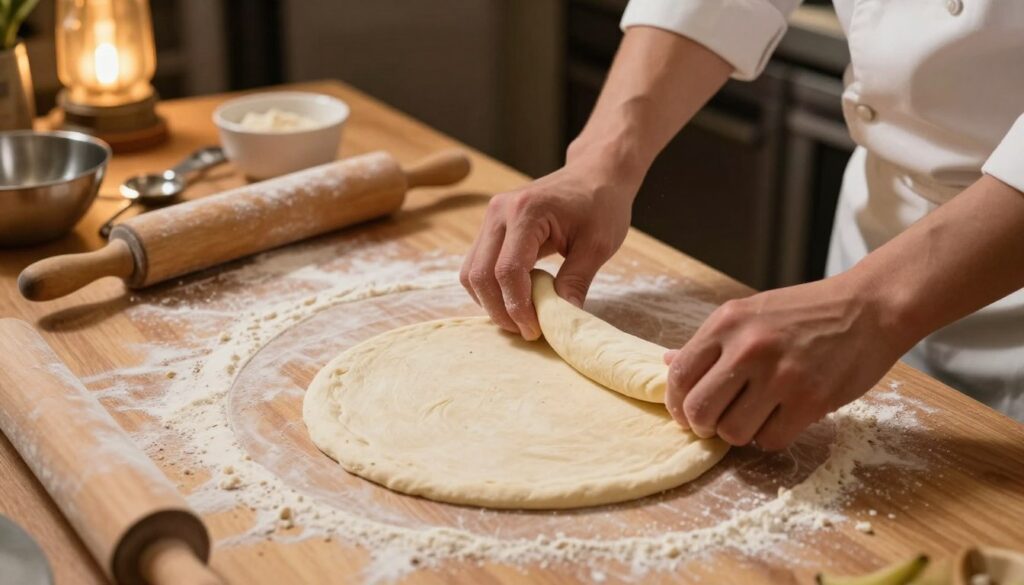
When your pizza dough is ready, the real magic begins. It turns from a simple ball into the base for an amazing pizza. Getting this right is key to a great pizza.
First, let your dough warm up to room temperature. Take it out of the fridge and wait 30 minutes before working on it. Cold dough is hard to stretch. But room temperature dough is soft and easy to shape.
Getting Your Dough Ready to Shape
Dust your work surface with flour. Place your dough ball in the center and gently press it with your fingertips. Work from the middle outward to create a flat disc. Make the edges a bit thicker for the crust.
Here are the key steps for shaping your dough:
- Dust your hands and work surface with flour to prevent sticking
- Press the dough center gently to flatten it into a round disc
- Keep the outer edge slightly thicker for the crust
- Work slowly to avoid tearing the dough
- Rotate the dough frequently as you shape it
Stretching Techniques That Work
Once you have your basic shape, it’s time to stretch. Hold one edge of the dough with both hands. Let gravity help stretch it as you rotate it like a steering wheel. Keep rotating to stretch it evenly.
Stretch your dough until it’s almost transparent in the center. But don’t make it so thin that holes appear.
If your dough tears, don’t worry. Just pinch it back together and keep going. If it shrinks back, let it rest for a few minutes before trying again.
Put your dough on a semolina-dusted pizza peel. Make any final shape adjustments. Then, add toppings and bake. Proper shaping and stretching make the best pizza dough every time.
Tips for Getting a Crispy Pizza Crust at Home
Making pizza at home is exciting. You’ve got your dough recipe down, stretched it right, and added your favorite toppings. Now, it’s time to bake. The secret to a crispy crust is temperature control and the right tools. Your oven’s heat and tools make all the difference.
Great dough is just the start. The baking process is key to a crispy, golden crust. Learning these techniques will make your homemade pizza special.
Optimal Baking Temperature for Homemade Pizza
Temperature is crucial for a crispy crust. Your oven should hit 500°F to 550°F. This high heat makes the dough rise fast before toppings release moisture.
Follow these temperature steps:
- Preheat your oven for 30-45 minutes at maximum temperature
- Ensure all surfaces are thoroughly heated
- Never open the oven door while baking
- Bake for 8-10 minutes until the crust rises and turns golden brown
- Peeking releases precious heat and extends cooking time
High heat triggers the Maillard reaction. This creates beautiful brown edges and complex flavors.
Using a Pizza Stone or Baking Steel
Your baking surface is key. Pizza stones and baking steels are top choices.
| Equipment Type | Material | Heat Retention | Best For | Price Range |
|---|---|---|---|---|
| Pizza Stone | Ceramic or Cordierite | Good | Traditional results, casual bakers | $20-60 |
| Baking Steel | Thick steel plate | Excellent | Superior crispiness, serious home cooks | $75-150 |
Both tools absorb and retain heat well. They transfer it directly to your pizza’s bottom. This creates a crispy, charred base.
- Place it on your oven’s top rack during preheating
- Dust the surface with cornmeal or semolina to prevent sticking
- Slide your topped pizza directly onto the hot surface using a pizza peel
- Allow adequate preheating time for maximum heat absorption
A Baking Steel can elevate your pizza. It brings wood-fired pizza flavor to your home oven. With these tools and techniques, achieving a crispy crust is easy.
Common Pizza Dough Mistakes to Avoid
Making an italian style pizza dough easy recipe takes practice. Learning from common mistakes helps you succeed faster. Most beginners face the same issues that stop their dough from rising or stretching right.
Water temperature is a big mistake for home bakers. If your water is too hot—above 120°F—you’ll kill the yeast. This means your dough won’t rise, and you’ll get a dense, flat crust.
On the other hand, water that’s too cold slows down yeast activation. This makes your rise time longer. The ideal temperature is between 105°F and 110°F. You can check it with a thermometer or by feeling it with your wrist—it should be warm but not hot.
Adding too much flour during kneading is another common mistake. Your dough will feel sticky at first, and that’s okay. Don’t add extra flour. It makes your dough tough and dry. Instead, add flour one tablespoon at a time if needed. A light dusting is best to prevent sticking without changing your dough’s texture.
These mistakes steal your pizza’s potential:
- Not kneading long enough—your dough won’t develop gluten strength
- Skipping the rise or rushing through it—you’ll miss flavor development
- Using cold dough straight from storage—it won’t stretch properly
- Stretching too aggressively—thin spots tear easily
- Overloading with toppings—the crust won’t crisp underneath
- Baking at low temperature—your crust stays pale and soft
Room temperature dough behaves much better than cold dough. If you’ve refrigerated your italian style pizza dough easy recipe, let it rest for 30 to 60 minutes before stretching. Cold dough tightens up and springs back stubbornly, making shaping frustrating. Warm dough relaxes and stretches smoothly.
Avoid overworking your dough after the rise finishes. Gentle handling keeps all the air bubbles inside, giving you that light, airy crust you’re after. Punch it down gently rather than aggressively kneading it again.
Creative Ways to Use Your Pizza Dough
Your pizza dough recipes open up a world of delicious possibilities. You can make many homemade pizza variations that will impress everyone. The dough you make is the base for many Italian-inspired dishes that taste great and look good on the table.
Mastering pizza dough recipes lets you make different meals from the same dough. This saves time and ingredients in your kitchen. It’s like having a blank canvas for your culinary creativity.
Making Stromboli and Calzones
Stromboli and calzones are great homemade pizza variations. They use your dough in folded and rolled formats. But they are different in important ways:
- Calzones are semicircular pockets where you fold dough over fillings and seal the edges tightly
- They typically contain ricotta cheese mixed with mozzarella and your favorite meats
- Serve them with marinara sauce on the side for dipping
- Stromboli rolls like a jelly roll with ingredients layered across the dough
- Roll it tightly into a log shape, brush with olive oil, then bake until golden
- Slice into rounds and serve with pepperoni, salami, ham, and cheese inside
| Dish | Shape | Filling Style | Sauce Serving | Best Fillings |
|---|---|---|---|---|
| Calzone | Semicircular pocket | Folded half over fillings | Marinara on the side for dipping | Ricotta, mozzarella, spinach, ham |
| Stromboli | Rolled log | Ingredients layered flat then rolled | Marinara alongside or inside | Pepperoni, salami, provolone, mozzarella |
To make calzones, roll your pizza dough into circles, place your filling on one half, fold the dough over, and crimp the edges firmly. Bake at 400°F until the crust turns golden brown. For stromboli, roll your dough into a rectangle, layer your ingredients leaving a border around the edges, roll tightly from one long side, seal the seam and ends, then bake seam-side down until crispy and golden.
Turning Pizza Dough into Garlic Bread
Garlic bread is a simple yet delicious way to use your pizza dough. Stretch your dough into a rectangle, brush it with garlic butter. The garlic butter is made from softened butter, minced garlic, fresh parsley, and salt. Add mozzarella cheese for extra richness. Bake at 425°F until bubbly and golden, then cut into strips or squares for serving.
Beyond these ideas, your pizza dough skills unlock many other dishes:
- Breadsticks dipped in marinara or garlic butter
- Focaccia topped with olive oil, salt, and fresh herbs
- Cinnamon rolls filled with brown sugar and butter
- Fried dough dusted with powdered sugar and cinnamon for dessert
Learning one dough recipe opens up dozens of dishes. Your kitchen skills grow as you try new things. Every variation teaches you something new about working with dough, making you a more skilled home cook.
Conclusion
You now know how to make pizza dough at home. You’ve learned about yeast and kneading. These skills turn simple ingredients into something amazing.
This guide has shown you different ways to make dough. Whether you have hours or just thirty minutes, you’re covered. Making homemade pizza is simple and flexible.
You found out that just a few ingredients are needed: flour, yeast, salt, water, and olive oil. These create dough as good as any pizzeria. You also learned how to shape and bake it perfectly.
Now, you can make more than just traditional pizzas. Try making Stromboli, calzones, or garlic bread. You can even experiment with new toppings and flours. Homemade pizza is cheaper and tastes better than store-bought.
Don’t worry if your first pizzas aren’t perfect. Every try makes you better. The joy of making delicious food from scratch is unmatched. You’re ready to make amazing homemade pizzas whenever you want.