The Best Frying fish Easy
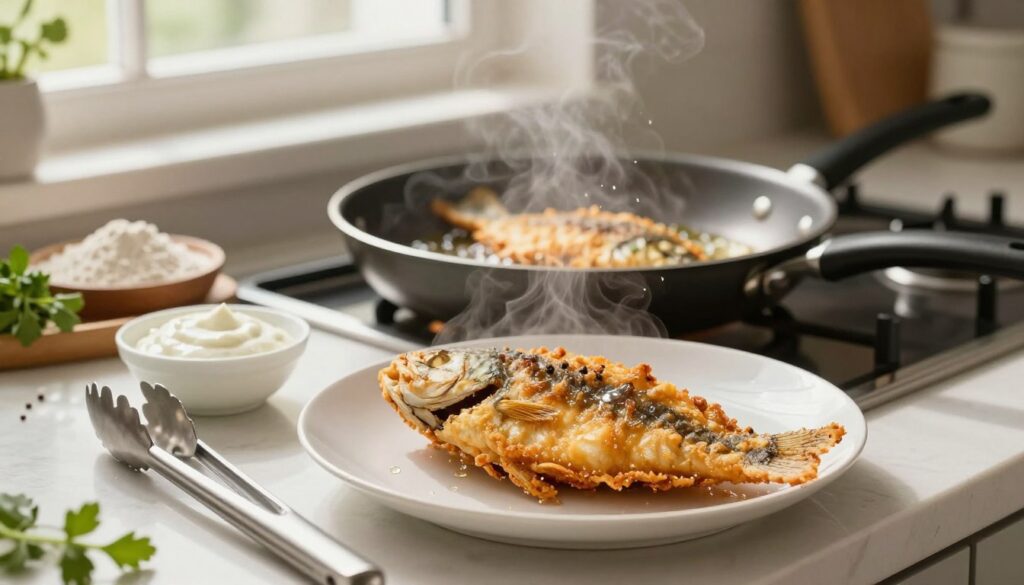
Do you remember the comforting aroma of a home-cooked meal on a lazy Sunday? It’s magical to turn simple ingredients into a golden feast. Mastering seafood at home brings pure joy.
You can get that perfect crunch while keeping the inside tender. Whether you’re new or experienced, learning how to fry fish crispy at home changes your menu. Try this southern fried fish whiting fish recipe for a classic start.
With these tips, you’ll make restaurant-quality dinner in under 30 minutes. You’ll become a confident chef at home. Let’s explore how to make the best fried fish you’ve ever had.
Key Takeaways
- Achieve a perfect golden-brown crust by maintaining a consistent oil temperature of 350°F.
- Pat your fillets completely dry before coating to ensure the breading adheres properly.
- Use a heavy-bottomed pan or cast iron skillet for even heat distribution during the cooking process.
- Let the coated fillets rest for 10-15 minutes before cooking to prevent the breading from falling off.
- Drain your finished meal on paper towels to maintain that signature crunch before serving.
Why This Easy Fried Fish Recipe Works
Creating a restaurant-quality meal is just minutes away. Mastering an easy fried fish recipe lets you make a healthy, tasty dinner quickly. The key is understanding how heat works with your ingredients.
Using a heavy-based skillet is crucial for success. It ensures even heat distribution, preventing your fish from burning or sticking. This method is so efficient that cooking fish fillets on the stove takes less than 5 minutes of active time.
This easy fried fish recipe for beginners uses simple physics for a perfect golden crust. Keeping the pan at a steady temperature locks in moisture and creates a crunchy texture. It’s a reliable method that makes pan-fried fish a favorite in many homes.
The table below shows why this method is better for your daily cooking:
| Feature | Traditional Frying | Our Pan-Fried Method |
|---|---|---|
| Cooking Time | 15-20 Minutes | Under 5 Minutes |
| Heat Control | Difficult | Very Precise |
| Cleanup | High Effort | Minimal Effort |
| Texture | Often Greasy | Light and Crispy |
By following these basic principles, you’ll always get great results. Whether you’re new or experienced, this pan-fried fish technique boosts your confidence in the kitchen. Enjoy making a meal that tastes like it came from a pro.
Selecting the Best Fish for Frying
https://www.youtube.com/watch?v=yN3zNSFT5tg
Your journey to the best fried fish begins at the seafood counter. Picking the right fish is key to a great quick fish fry at home. Quality ingredients make cooking easier.
White Fish Varieties for Beginners
For an easy fried fish recipe for beginners, choose sturdy white fish. Flounder, whiting, or cod are great because they keep their shape well. They also have a mild taste that goes well with crispy breading.
Stay away from oily fish like mackerel or bluefish. They can be too strong when fried. Go for lean, flaky white fillets instead. These let your seasonings shine. Consistency is key when learning to fry.
| Fish Variety | Texture | Best For |
|---|---|---|
| Flounder | Delicate/Thin | Quick Pan-Frying |
| Cod | Firm/Flaky | Battered Frying |
| Whiting | Mild/Sweet | Crispy Dredging |
Checking for Freshness at the Market
Always check your fish before buying it for your next pan-fried fish dinner. A fresh fillet should smell mild and clean, not strong. It should look clear and feel firm.
“The quality of your final dish is directly tied to the freshness of the ingredients you select at the market.”
If the fish looks dull or feels soft, pick another one. Properly prepared fillets are crucial for that golden, crunchy outside. Checking these details ensures your meal is always delicious.
Essential Tools for Your Kitchen
Learning to fry starts with the right tools. The right gear makes frying safer and easier for anyone. It helps control heat and oil better.
Choosing the Right Frying Pan or Dutch Oven
A cast iron skillet is the best choice. It keeps heat well, keeping oil temperature steady. This is key for best fried fish with a golden crust.
A Dutch oven is also great. It keeps oil splatters away, making your stovetop clean. Both are good for professional results at home.
Thermometers and Skimmers for Safety
Always have a digital thermometer ready. It keeps oil from smoking or getting greasy. Knowing when oil is ready makes frying easier.
A good metal skimmer is also key. It lets you remove best fried fish safely without breaking the breading. These tools make cooking better.
| Tool | Primary Benefit | Best Use Case |
|---|---|---|
| Cast Iron Skillet | Superior Heat Retention | Shallow Frying |
| Dutch Oven | Splatter Protection | Deep Frying |
| Digital Thermometer | Temperature Accuracy | Safety Monitoring |
| Metal Skimmer | Safe Removal | Handling Fillets |
Preparing Your Fish for the Perfect Fry
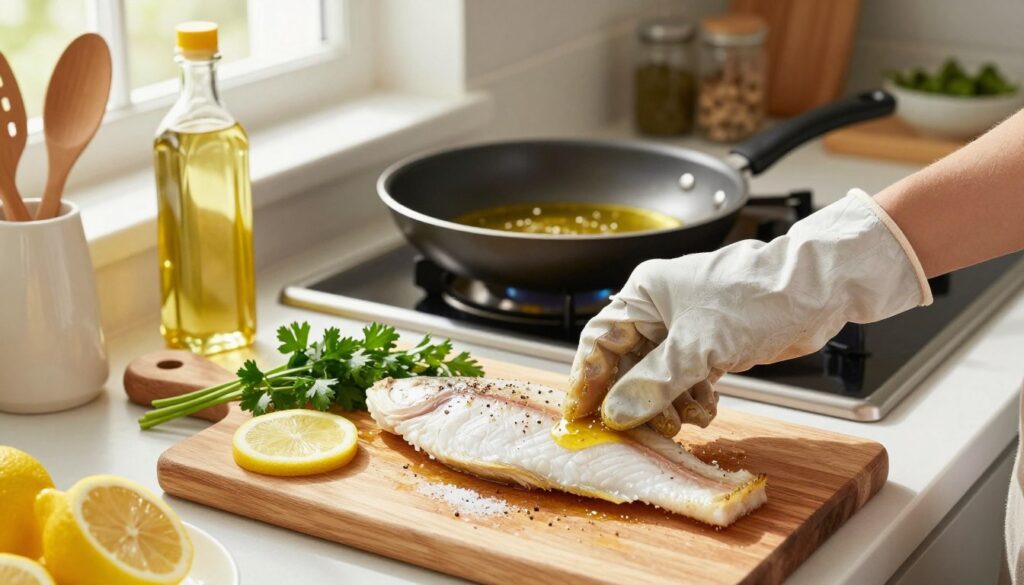
Getting a restaurant-quality meal starts before you heat up the stove. For a quick fish fry, how you prepare your ingredients is key. The right prep ensures your dish has that delightful, golden crunch everyone craves.
Cleaning and Drying Your Fillets
The first step in making a simple fried fish is to dry the fillets. Wet fillets steam instead of sear, making the breading soggy. Always pat your fish dry with paper towels until it’s bone-dry.
This simple step keeps the coating from falling off. It also makes sure the batter sticks well to the fish. For more tips on crispy fish, check out this guide here.
Portioning Fish for Even Cooking
Consistency is key for a pro-looking meal. If your fillets are different sizes, the smaller ones will cook too fast. Slice your fish into even pieces before breading.
Uniform pieces cook evenly in your pan. This careful attention to detail ensures every bite is perfect. These steps make your simple fried fish dinner easy and tasty.
Mastering the Best Seasoning for Fried Fish
Creating the best seasoning for fried fish is an art. It’s about mixing bold spices with the delicate taste of seafood. Seasoning lets you make your homemade fish fry just how you like it. The aim is to boost the fish’s mild taste without overwhelming it.
Dry Rubs vs. Wet Marinades
Choosing between a dry rub and a wet marinade affects the fish’s texture. Dry rubs make a crispy, textured crust that sticks well to the fish. Just coat the fillets in your spice mix before dredging in flour or batter.
Wet marinades, on the other hand, add deep flavor before cooking. Pat the fillets dry before coating if you go this route. Too much moisture can stop the breading from sticking, a common problem for home cooks.
Balancing Salt, Spice, and Herbs
A good blend needs a mix of salt, heat, and herbs. Many chefs use Old Bay for its mix of celery salt, red pepper, black pepper, and paprika. This classic seasoning is a solid base for any delicious fish fry.
Feel free to mix your own flavors to find your family’s favorite. Begin with salt and pepper, then add garlic powder or dried parsley for more depth. Getting these flavors right can turn a simple dinner into a hit with your guests.
Creating the Ideal Breading or Batter
https://www.youtube.com/watch?v=LAOHW6IFOuQ
Getting that golden, crunchy exterior is simpler than you think. The coating you pick is key to your crispy fish recipe. Whether you like a light coat or a thick shell, mastering these techniques will keep your fish juicy inside and crunchy outside.
The Classic Flour and Egg Dredge
A classic method involves a three-step process for a reliable barrier. First, dry your fish, then dip it in a liquid, and lastly, coat it in seasoned flour or cornmeal. Using milk as your liquid base is a great trick because it reduces fishy flavors and helps the coating stick.
After coating, let the fish rest for a few minutes before frying. This pause lets the flour hydrate, preventing the breading from falling off. You’ll get a delicate, golden crust that enhances the seafood’s natural flavor.
Beer Batter Secrets for Extra Crunch
For a thicker, more substantial texture, try a beer batter. The beer’s carbonation creates air bubbles that expand in hot oil, leading to a light finish. Always use ice-cold beer to keep the batter crisp, not greasy.
To achieve the best for your crispy fish recipe, whisk your dry ingredients with cold liquid just before frying. Avoid overmixing the batter, as small lumps are good for a better crunch. This simple trick turns a simple fillet into a restaurant-quality dish your family will adore.
Heating Your Oil to the Right Temperature
Getting the heat right is key to making great fried fish. If the oil is too cool, the breading soaks up too much fat. This makes your meal heavy and soggy. On the other hand, if the oil is too hot, the outside burns before the fish is cooked through.
Selecting Oils with High Smoke Points
Choosing the right fat is crucial for a clean taste. Look for oils that can handle high heat without breaking down. Neutral oils are best because they don’t mask the taste of your seafood.
Canola, vegetable, or peanut oil are great choices. They stay stable at high heat, giving you a crispy finish. Stay away from extra virgin olive oil or butter, as they burn easily and spoil your dish.
Monitoring Heat to Prevent Burning
The perfect frying temperature for fish is between 385° and 400°F. A digital thermometer is the best way to keep your oil at the right temperature. For more tips, check out this guide on how to fry fish.
Watching your thermometer closely helps keep the oil quality high. If the temperature drops, wait a bit for it to come back up before adding more fish. This avoids overcrowding, which can cause uneven cooking.
| Oil Type | Smoke Point | Flavor Profile |
|---|---|---|
| Canola Oil | 400°F | Neutral |
| Peanut Oil | 450°F | Slightly Nutty |
| Vegetable Oil | 400°F | Neutral |
| Grapeseed Oil | 420°F | Clean |
Step-by-Step Guide to Frying Fish Perfectly
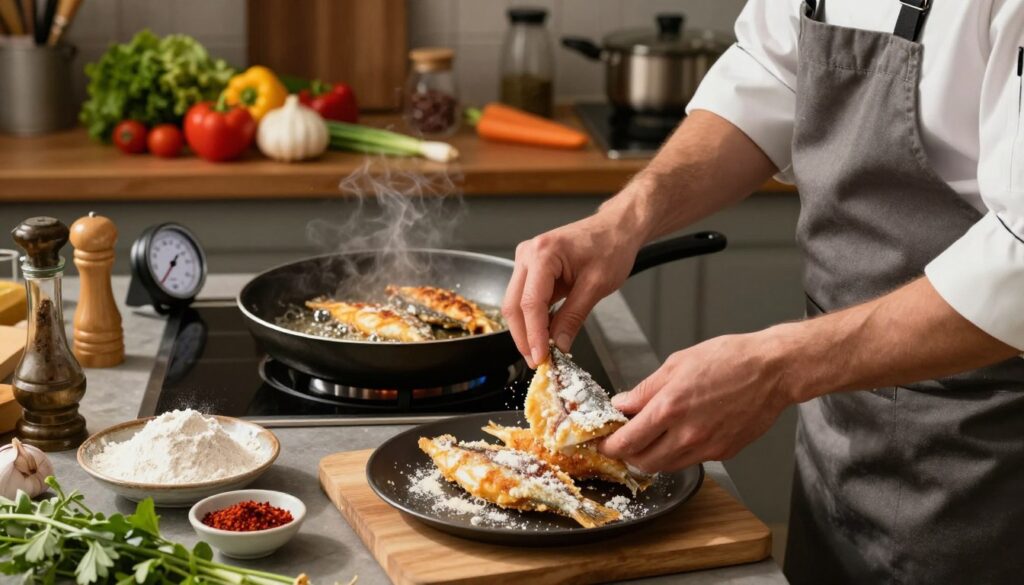
Frying fish is a skill that turns simple ingredients into a golden masterpiece. By following a structured process, you can make a simple fish fry that’s as good as your favorite local restaurant. The key to success is understanding heat and timing.
Coating the Fillets Properly
Make sure your fillets are dry before you start. A light, even coating is key for a crispy texture. For a refresher on the basics, check out how to make fish with various techniques.
Managing the Pan Capacity
Don’t overcrowd the pan. Too many pieces at once can make the oil temperature drop too fast. This leads to soggy results instead of a crisp finish. Always leave enough space between fillets to keep the oil hot and prevent steaming.
Determining When the Fish is Done
Knowing how to fry fish well takes patience and observation. When you put the fillets in the hot oil, don’t move them right away. Wait until the fish releases naturally from the pan, which means it has a beautiful golden crust.
Fry the first side for about 3-4 minutes before flipping it carefully. This timing is the secret to frying fish perfectly. When the exterior is golden brown and the meat flakes easily with a fork, your meal is ready.
How to Keep Fried Fish Crispy After Cooking
You’ve got the batter down, but now you need to keep that golden crust intact. The biggest challenge is learning how to keep fried fish crispy until it’s time to eat. If you stack the fillets on a flat plate, the steam will make your crust soft.
Using Wire Racks for Drainage
The best way to keep your delicious fish fry crispy is with a wire cooling rack. Set the rack over a baking sheet with paper towels to catch oil. This setup lets air circulate, keeping the bottom from getting soggy.
When you take the fish out of the oil, put it on the rack right away. Don’t stack the pieces. Each piece needs its own space to stay crispy for your guests.
Keeping Fish Warm Without Getting Soggy
If you’re cooking in batches, you might worry about the first pieces getting cold. Many people ask how to fry fish crispy at home while keeping everything warm. The best way is to put the rack in a low-temperature oven at about 200°F.
Don’t cover the fish with foil, as it traps moisture and makes it soggy. Instead, leave the oven door a bit open to let humidity out. By doing this, every bite of your crispy fried fish will stay crunchy.
Healthy Fried Fish Alternatives and Tips
You don’t need a deep fryer to get a perfect, golden crust on seafood. If you’re looking for healthy fried fish alternatives, you can still get that crunch without all the fat. Simple changes in how you prepare your fish can lead to tasty, balanced meals.
Lightening Up Your Breading
The secret to a crispy fish recipe often lies in the coating. Try using lighter options like panko breadcrumbs or crushed almond flour. These give a satisfying texture without soaking up too much oil.
For a thinner coating, use a light dusting of cornstarch or arrowroot powder. This keeps your fish light while still getting that golden finish. Check out these simple fish recipes for more ideas.
Using Air Fryer Techniques
Air fryers offer a modern way to get a crispy fried fish texture with less oil. They use hot air to create a crunch like deep-frying. It’s a great way to enjoy crispy fish without the extra calories or mess.
When air frying, lightly spray your breaded fish with oil. This helps the crust brown evenly and adds flavor. Here’s a table comparing different cooking methods for your next meal.
| Method | Texture | Oil Usage | Cooking Time |
|---|---|---|---|
| Deep Frying | Very Crispy | High | Short |
| Air Frying | Crispy | Low | Medium |
| Oven Baking | Lightly Crisp | Minimal | Long |
By trying these healthy fried fish alternatives, you can make a crispy fish recipe that’s both tasty and healthy. Whether baking, air frying, or just using lighter breading, your seafood stays a nutritious and delicious part of your meals.
Troubleshooting Common Frying Mistakes
Even the most skilled home cooks sometimes face issues when frying fish. The process is simple, but small mistakes can affect the taste and texture of your simple fried fish. Luckily, most problems can be fixed with a few tweaks to your method.
Why Your Breading Falls Off
Moisture is often the reason why your breading falls off. Fish has water inside, which can prevent the breading from sticking. Always dry your fish completely with paper towels before you start.
Another mistake is not removing extra flour or batter. Shake off any loose coating before frying. Pressing the breading firmly onto the fish ensures a crispy, golden finish.
Fixing Greasy or Under-Cooked Fish
Greasy fish usually happens when the oil is too cold. When the oil cools down, the fish soaks up the oil instead of searing fast. Use a kitchen thermometer to keep your oil at the right temperature.
Putting too much fish in the pan at once is another common mistake. It lowers the oil temperature too quickly. If your fish isn’t turning out right, try healthy fried fish alternatives like air frying or pan-searing with less oil.
| Common Issue | Primary Cause | Quick Fix |
|---|---|---|
| Soggy Breading | Low oil temperature | Increase heat and fry in smaller batches |
| Breading Detachment | Excess surface moisture | Pat fish dry and press coating firmly |
| Under-cooked center | Fillets too thick | Slice fish into even, thinner portions |
| Burnt exterior | Oil too hot | Lower heat and use high smoke point oil |
Conclusion
Cooking like a pro at home makes you proud. You now know how to make your dishes better with each try.
Using top-notch ingredients and controlling the heat is key. This way, you can make the best fried fish for your loved ones. They’ll love the taste that comes from fresh oil and the right cooking method.
Try out different seasonings to bring out the fish’s natural flavors. You can make your own spice mix to match your taste.
Make sure to drain the fish well to keep it crispy. A wire rack is your secret to that perfect crunch.
Invite your friends and family for a homemade fish fry. With your new skills, every meal will be a special occasion.