How to Make Quick Fresh Salmon Terrine
Ever felt excited when planning a dinner party? You want to impress but worry about kitchen time? A salmon terrine is perfect. It looks fancy but takes just minutes to make.
Picture a stunning salmon terrine on your table. Your guests will think you’re a pro. The secret? It’s easy to make. This dish blends French flair with modern ease, giving you top-notch results without the fuss.
Learning to make salmon terrine at home opens new doors for entertaining. Unlike complex recipes, this one lets you prep ahead. So, you can enjoy your guests, not just cook for them.
The beauty of this easy salmon terrine recipe is its simplicity. No fancy skills needed. Just fresh salmon, cream cheese, and dill for a dish that’s both tasty and elegant.
Choosing a quick no bake salmon terrine recipe means success. No tricky cooking or special gear needed. Just gentle baking, mixing, and chilling.
This terrine is perfect for any event, from casual to fancy. It wows without overwhelming. You’ll feel like a pro while keeping your cool.
Key Takeaways
- A salmon terrine is an elegant French-inspired appetizer that’s surprisingly easy to make at home
- Total hands-on prep time is only about 25 minutes, with the rest being chilling time
- You can prepare this dish the night before your party, eliminating last-minute stress
- No special cooking skills are needed—this recipe works great for beginners
- The finished terrine impresses guests while using simple, quality ingredients like salmon, cream cheese, and fresh dill
- You have flexibility with shaping options, including metal rings, ramekins, or traditional terrine molds
Why This Fresh Salmon Terrine Recipe is Perfect for Your Next Gathering
Looking for a dish that impresses without taking hours to make? A fresh salmon terrine is perfect. It’s elegant and simple to prepare. Your guests will be amazed by its look, and you’ll enjoy making it.
This dish is great for any event, from holidays to summer parties. It’s versatile and makes you feel confident as a host.
An Elegant Appetizer That’s Surprisingly Simple
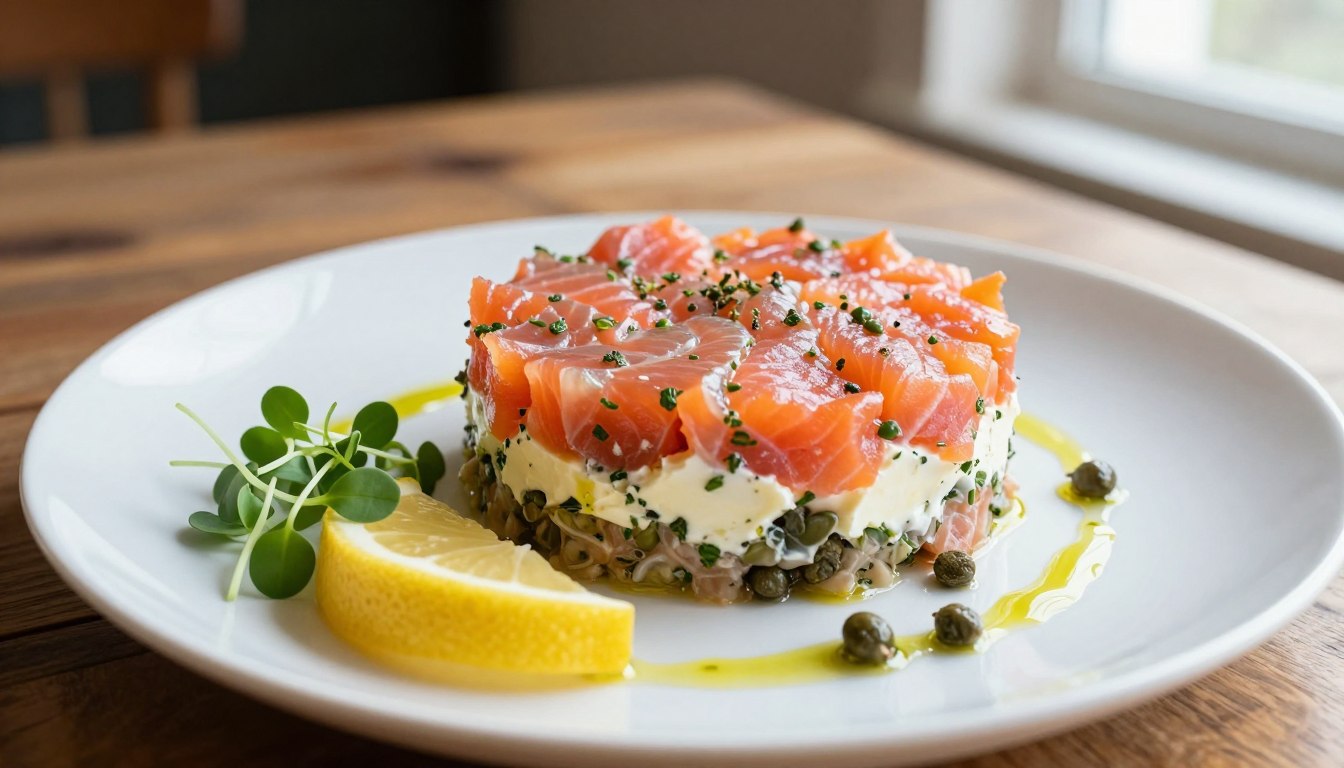
The look of a sliced salmon terrine is stunning. It has pink and white layers that look like they came from a fancy restaurant. It’s a real showstopper.
But here’s the best part: it’s easy to make. You just need basic cooking skills and simple ingredients. The layers do all the work for you, so you don’t need to be a pro.
- Impressive presentation that speaks for itself
- Simple ingredient combinations
- Minimal cooking skills required
- Maximum visual drama with minimal effort
Make-Ahead Convenience for Stress-Free Entertaining
This dish is a make-ahead wonder. You can prep it the night before or in the morning. This means you can relax and enjoy your guests.
When it’s time to serve, your appetizer is already chilled and ready. No rush or stress. You can just enjoy the moment.
| Preparation Timing | Benefits |
|---|---|
| Night Before | Maximum flavor development and texture setting |
| Morning Of Event | Fresh taste while gaining hosting flexibility |
| Up to 24 Hours Ahead | Optimal make-ahead seafood starter window |
Experienced hosts love this recipe for a reason. It lets you enjoy your event without kitchen stress. It’s a win-win.
Essential Ingredients for Your Salmon Terrine
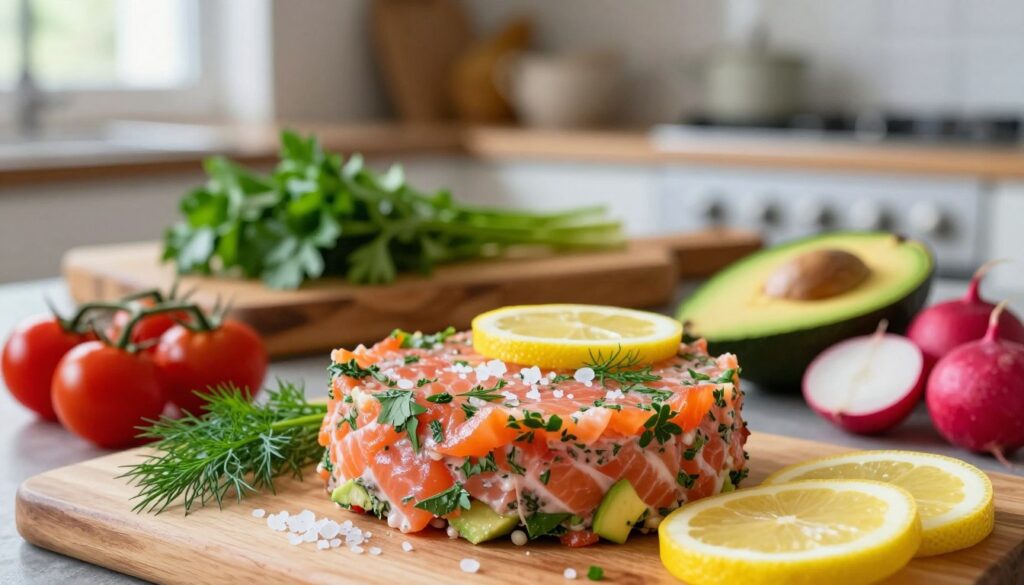
Creating a tasty salmon terrine begins with picking the best ingredients. You need fresh salmon and the right binders. Knowing each part’s role is key to making a dish that wows your guests.
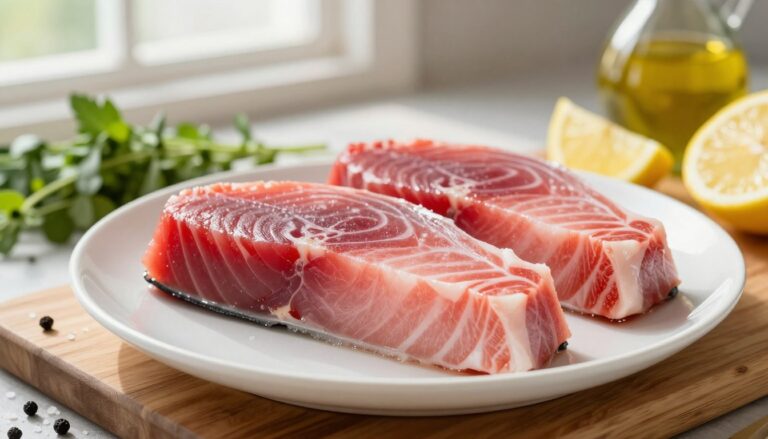
The main ingredient is the salmon. You’ll need about one pound of fresh salmon fillet or tail. Choose bright pink flesh with a mild ocean smell from your local fishmonger. The tail section is great because it’s cheaper but still full of flavor. Make sure to ask about the salmon’s source and freshness.
For binding, you have two options. A salmon terrine with cream cheese uses 200 grams of full-fat soft cheese for a creamy texture. Or, you can use unsalted butter for a traditional French touch. Both options are delicious, depending on what you like.
Fresh herbs add a burst of flavor to your terrine. You’ll need:
- Fresh dill (4 tablespoons chopped)
- Parsley (2 tablespoons chopped)
- Scallions (finely sliced)
These herbs are crucial because they balance the richness and add fresh taste. You can also add white anchovies for depth, lemon zest for brightness, or roasted bell peppers for texture. These ingredients are similar to those used in grilled salmon with garlic herb butter, which also tastes great in terrines.
Don’t forget salt, black pepper, and lemon wedges. Some recipes use gelatin for a firmer terrine, while others stick to cream cheese or butter. Pick what you prefer for texture and presentation.
Kitchen Tools and Equipment You’ll Need
Making a homemade salmon terrine is easy. You likely have most of the tools needed. Knowing which tools to use is key to making it taste like a restaurant dish.
Let’s look at the basic equipment for making your salmon terrine. You’ll find that common kitchen items are perfect for this elegant dish.
Choosing the Right Terrine Mold or Loaf Pan
A traditional terrine mold is nice, but a loaf pan works just as well. Choose one that’s about 9×5 inches or 10 inches long. Glass, metal, or ceramic pans all work great.
First, line your pan with plastic wrap. This makes it easy to unmold your terrine. Make sure to leave extra wrap hanging over the edges. This extra wrap helps a lot when unmolding.
Alternative Options for Shaping Your Terrine
When making a salmon terrine, you can get creative with the shape. Salmon terrines can be made in many ways, like individual servings, which impress guests.
Here are some ideas:
- Small ramekins lined with clingfilm for elegant individual servings
- Metal rings (5cm x 5cm) placed on a baking tray for modern presentations
- A 4-cup loaf pan if you prefer a standard rectangular shape
- Muffin tins for charming mini terrines
- Springform pans for round presentations
You’ll also need a sharp knife for cutting salmon, bowls for mixing, and a spatula for spreading. A food processor makes mixing cream cheese and herbs easy. A kitchen scale helps with exact measurements, making your recipes better.
You don’t need all these tools. Start with what you have. Buy more only if you make terrines often. This keeps your kitchen simple and affordable.
Preparing Your Salmon: Fresh vs Smoked Options
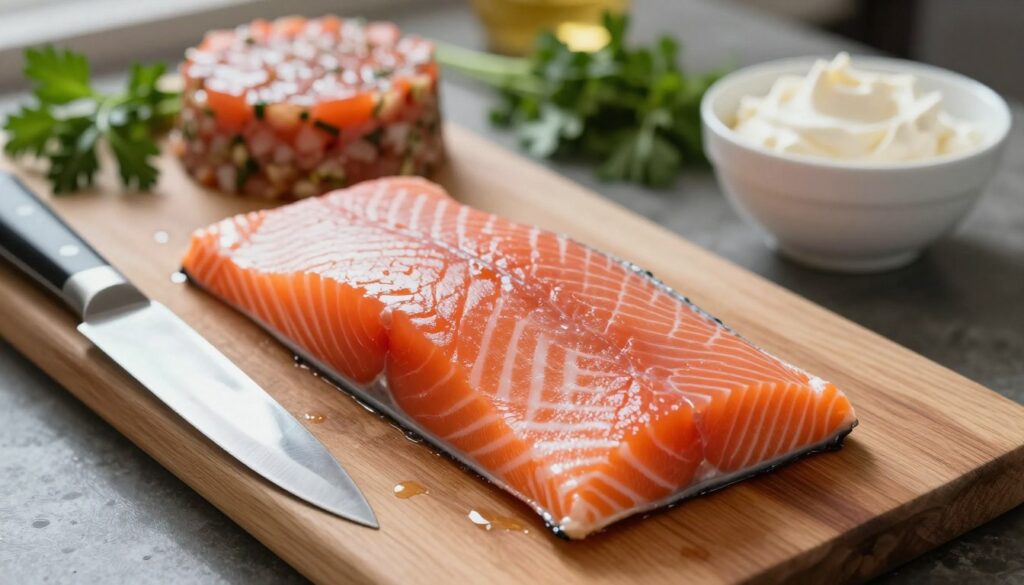
Choosing between fresh and smoked salmon changes your cold salmon terrine’s taste and texture. Fresh salmon has a mild flavor that highlights other ingredients. Smoked salmon, on the other hand, offers deep flavors and a smooth texture without cooking.
Fresh salmon quality is key. Look for clear eyes, firm flesh, and a clean smell. The skin should be shiny and without discoloration. Store it in the coldest part of your fridge for up to two days for the best taste.
To prepare fresh salmon, follow these steps:
- Season the salmon lightly with salt and pepper
- Wrap tightly in tin foil to seal in moisture
- Bake at 190°C for 15-20 minutes until just cooked through
- Leave in foil to cool completely before flaking
- Remove all pin bones carefully to ensure smooth texture
- Flake gently, preserving nice chunks rather than creating mush
Smoked salmon needs no cooking but must be handled with care. Use thinly sliced smoked salmon for your terrine. Handle these delicate slices gently to avoid tearing. Cold-smoked varieties are perfect for layered terrines.
| Salmon Type | Flavor Profile | Texture | Preparation Time |
|---|---|---|---|
| Fresh Salmon | Mild and delicate | Flaky when cooked | 20-25 minutes cooking |
| Smoked Salmon | Rich and complex | Silky and tender | No cooking needed |
Consider mixing both fresh and smoked salmon for a terrine with layered flavors. Alternating them adds visual appeal and balanced taste. Whichever you choose, proper preparation ensures your terrine is a hit with your guests.
Fresh Salmon Terrine Recipe: Step-by-Step Instructions
Making a stunning fresh salmon terrine recipe needs patience and focus. Your ingredients will turn into a beautiful dish. Follow each step carefully to make your terrine look great.
Creating the Cream Cheese and Herb Mixture
Begin by softening your cream cheese to room temperature. This makes mixing easier and prevents lumps. Mix the cream cheese with fresh dill until it’s smooth and creamy.
Add lemon zest to enhance the flavor without bitterness. Fold in the flaked salmon gently to keep its texture. Mix until the salmon is evenly spread without breaking it down.
Layering Techniques for Beautiful Presentation
Wrap your terrine mold with plastic wrap, leaving extra for easy removal. Spread a thin layer of the salmon mixture at the bottom. Press it gently to remove air pockets.
To achieve a layered look, alternate between the salmon mixture and other ingredients:
- Make each layer the same thickness
- Freeze briefly between layers to prevent mixing
- Press down gently after each layer
- Arrange ingredients for a nice look when sliced
Keep adding layers until your mold is full. Press each layer firmly to remove air. This will give your terrine a beautiful striped look when sliced.
Flavor Variations to Customize Your Terrine
Mastering the basic technique for a healthy fresh salmon terrine opens up a world of flavors. The base remains the same, but you can explore endless possibilities. Your taste and dietary needs guide each version you make.
Herbs are a great place to start. While dill is classic, you can try many others. Fresh tarragon adds a French elegance to salmon. Chives offer a mild onion taste without overpowering the fish. Basil gives a summery feel, and parsley and chervil create a traditional French fines herbes flavor.
Citrus options go beyond lemon. Lime zest adds a tropical twist. Orange zest brings a subtle sweetness. Preserved lemon adds a North African touch to your French salmon pâté.
Vegetables add nutrition, color, and texture to your terrine:
- Roasted red peppers add natural sweetness
- Cucumber slices bring refreshing crispness
- Capers offer briny flavor
- Sun-dried tomatoes add intense flavor
- Hard-boiled eggs add richness and visual appeal
You can also tweak the cream base. Greek yogurt makes it lighter for health-conscious gatherings. Crème fraîche or mascarpone make it more indulgent. Adding small shrimp adds a surf-and-turf touch.
Begin with small changes and build your confidence. Your homemade salmon terrine will be uniquely yours.
Chilling and Setting Your Salmon Terrine Properly
Getting your chilled salmon terrine just right takes time and the right steps. The chilling process turns your ingredients into a firm, sliceable dish. It’s all about the timing and a special trick to weigh it down for the best results.
This stage is key to making your dish stand out. It’s what turns a good make ahead salmon dish into an impressive one.
Freezer and Refrigeration Timing
Your terrine needs a two-step cooling process. First, freeze it for about 30 minutes. This helps the layers firm up so they don’t move around.
Then, move it to the fridge for a longer time. It should sit for at least 30 minutes, but 2 to 4 hours is even better. Leaving it overnight is the best for flavor and texture.
| Cooling Stage | Temperature | Duration | Purpose |
|---|---|---|---|
| Initial Freeze | Freezer (0°F or below) | 30 minutes | Sets the base layers |
| Primary Chill | Refrigerator (35-40°F) | 2-4 hours minimum | Firms up the entire terrine |
| Extended Set | Refrigerator (35-40°F) | Overnight (8+ hours) | Best flavor and texture |
Keep your terrine well wrapped in the fridge. This keeps it fresh and prevents odors. Following step-by-step instructions for terrine preparation makes it easier to unmold and slice.
Weighing Down for Perfect Texture
This trick makes your terrine exceptional. After layering, place a foam piece in your mold. Wrap it in foil to avoid sticking.
Then, weigh it down. Use pantry cans for pressure. This does three things:
- Eliminates air pockets between layers
- Creates a denser, more compact texture
- Makes slicing clean and precise
Leave the weights on for at least 30 minutes in the fridge. The weight should be enough to compress the layers but not too heavy. Two to three standard cans are usually perfect for a home-sized terrine.
This step makes your terrine look like it came from a pro kitchen. Your patience and proper weighting ensure it slices beautifully for your guests.
Unmolding and Serving Your Elegant Seafood Appetizer
The moment you’ve been waiting for has arrived! Revealing your finished salmon mousse terrine is exciting and rewarding. Your careful preparation and patience are about to pay off with a stunning presentation that will impress your guests. The key to success lies in proper unmolding technique and careful handling during the serving process.
Start by removing your terrine from the refrigerator just 10 to 15 minutes before serving. This timing keeps your salmon mousse terrine firm while making unmolding easier. If you used plastic wrap around a loaf pan, use the overhanging edges as handles to lift the entire terrine straight up and out. For ring molds, gently lift the ring straight upward with a smooth, confident motion.
Preparing for slicing is essential for clean, beautiful portions. Use an extremely sharp knife—a serrated blade works wonderfully for this task. Wipe your knife with a damp towel between each slice to prevent smearing and keep edges pristine. Cut your elegant seafood appetizer into slices between one-half to three-quarters inch thick. This thickness provides structural integrity while maintaining an elegant presentation.
Consider these serving techniques for maximum impact:
- Serve slices on chilled plates to maintain firmness
- Arrange on a bed of fresh salad greens
- Garnish with smoked salmon curls
- Add fresh herb sprigs and lemon wedges
- Drizzle with herb-infused oil for visual appeal
Keep your salmon mousse terrine cold throughout service. Transfer slices to chilled plates immediately after cutting to preserve texture and appearance. Your guests will absolutely love this elegant presentation!
What to Serve with Your Salmon Terrine
Your french salmon terrine needs the right sides to make a complete appetizer. The right pairings turn your classic terrine de saumon into a stunning dish. Choose quality bread, crackers, and sides to make your guests happy.
Bread and Cracker Pairings
Choosing the right bread is key when serving your salmon terrine. It adds texture and makes each bite better. Here are some great options:
- Crusty French baguette sliced thin and lightly toasted for satisfying crunch
- Dark rye bread for earthy flavor contrast
- Whole wheat toast points for nutty, wholesome taste
- Pumpernickel for rich, deep flavor
- Water crackers for neutral, delicate crispness
- Whole grain crackers for added nutrition and texture
Toasted bread works best because it keeps your dish crunchy. Aim for three to four bread pieces per person for enough servings.
Complementary Side Dishes and Garnishes
Make your terrine de saumon stand out with the right sides. Fresh veggies and garnishes add color, flavor, and beauty:
| Garnish Type | Flavor Profile | Preparation |
|---|---|---|
| Capers and cornichons | Tangy, briny | Serve chilled alongside terrine |
| Fresh microgreens | Delicate, peppery | Arrange on top for color |
| Cucumber ribbons | Refreshing, crisp | Use vegetable peeler for ribbons |
| Pickled onions | Sharp, acidic | Serve in small bowl on the side |
| Cherry tomatoes | Sweet, bright | Halve and arrange around plate |
A mixed green salad with light vinaigrette or arugula with lemon dressing pairs well. A small lemon wedge on each plate adds a bright touch that matches the salmon’s richness.
Storage Tips and Make-Ahead Timeline
A no-bake salmon terrine is perfect for busy hosts. It’s easy to prepare ahead of time. This way, you can impress your guests without stress.
Start planning early to make your terrine. You can prepare it up to a day before your event. This allows the flavors to meld and the terrine to set well in the fridge.
For a same-day dish, prepare the terrine in the morning. Let it chill for 4 to 6 hours before serving. This is great for evening events.
- Wrap it tightly in plastic wrap to block odors
- Put it in an airtight container for extra protection
- Store it on a flat shelf where it won’t get disturbed
- Keep it at 40°F or below
Your terrine stays good for 2 to 3 days in the fridge. Salmon is perishable, so follow these guidelines for safety. Freezing is not recommended for long periods as it can damage the texture and cause the cream cheese to separate.
| Timeline | Preparation Time | Chilling Time | Best For |
|---|---|---|---|
| Two Days Ahead | 30 minutes | 36-48 hours | Flavor development |
| One Day Before | 30 minutes | 24 hours | Ideal timing |
| Morning of Event | 30 minutes | 4-6 hours | Same-day service |
Leftover terrine is great for lunch or salmon sandwiches. Store it in a covered dish and use within a day. Following these storage tips makes hosting easy.
Conclusion
You now have all you need to make a top-notch appetizer at home. An easy salmon terrine recipe is simple and doesn’t need special skills or tools. Just follow the steps we shared, and you’ll impress your guests with ease.
The quick salmon terrine is both elegant and easy to make. It involves preparing salmon, mixing a cream cheese base, layering, and chilling. Start with the basic recipe to get the hang of it. Then, try different flavors to suit your taste. Even if it’s not perfect, it will still taste amazing.
Make this terrine a staple for your gatherings. It’s perfect for holiday meals, brunches, and fancy dinners. You’ll find making impressive appetizers at home is rewarding. Your salmon terrine will become a favorite dish that everyone wants more of.
Now, it’s time to get cooking and make your own stunning salmon terrine. You’re all set to entertain with flair and confidence.