How to Make a Meal Plan to Gradually Increase (Easy Guide)
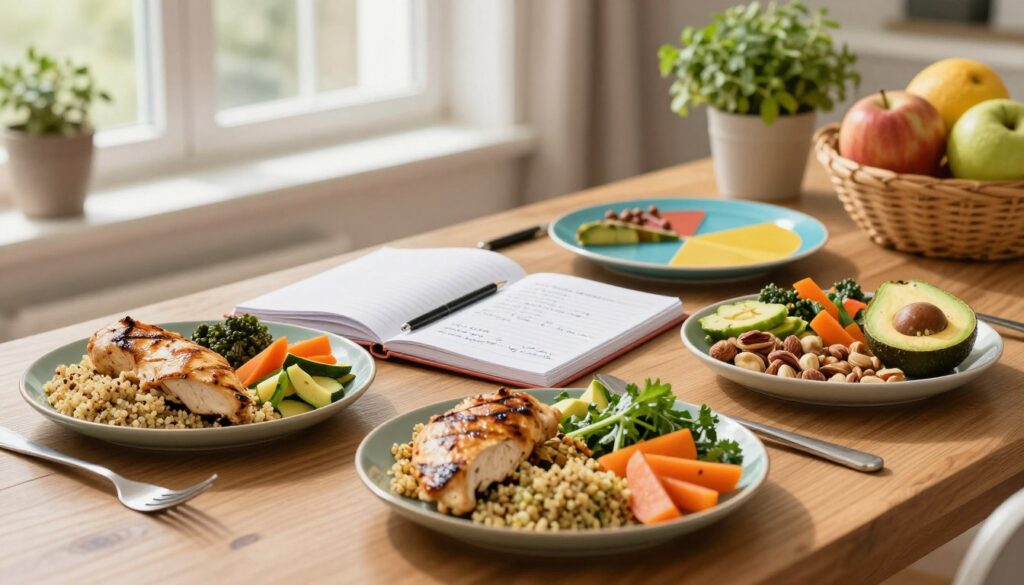
Some mornings you wake up feeling light and energized. Other days, you stare at the scale and wish you could add healthy weight. If gaining weight feels confusing or overwhelming, you’re not alone.
Many people want a clear, calm way to build strength and confidence through food. They don’t want quick fixes or empty calories.
This guide shows you a friendly, step-by-step way to build a meal plan for gradual weight gain. You’ll learn how to increase calories slowly and choose nutrient-dense foods. You’ll also learn to pair eating with strength training to turn extra calories into muscle, not just fat.
Meal planning is a powerful habit. It reduces decision fatigue, saves money, and keeps nutritious home-cooked meals within reach. Whether you prefer a rigid schedule or flexible anchored meals, planning helps you stack small changes for lasting results.
For practical examples and a sample 7-day plan, see this helpful resource on a healthy meal plan for gaining weight from Concordia Clinic: gradual weight gain diet and meal.
Key Takeaways
- Start with a modest calorie increase—about 300–500 extra calories per day—to support steady progress.
- Emphasize protein at every meal to support lean muscle growth alongside strength training.
- Use nutrient-dense foods like whole grains, dairy, avocados, nuts, and legumes to boost calories without excess volume.
- Plan 3 meals plus 2–3 snacks daily and include easy calorie-dense options like smoothies and trail mix.
- Track progress weekly and adjust portions or snacks if weight gain stalls; consult a professional for medical concerns.
Why a Meal Plan for Gradual Weight Gain Works
Having a clear plan is key when you want to gain weight slowly. A meal plan helps you eat more nutritious foods and avoid unhealthy fast food. It also saves time and money, and keeps your portions right.
Benefits of planning meals for slow, steady weight gain
Meal planning makes it easier to stick to a healthy diet. You can cook proteins and veggies in bulk, then mix them to keep meals exciting. This way, you eat less processed food and save money.
How small, consistent calorie increases support healthy growth
Small calorie increases help build muscle without adding too much fat. Adding healthy fats like nuts or olive oil to your meals is a good way to do this. It lets you see your progress and adjust as needed.
Reducing stress and decision fatigue with a predictable routine
A set routine makes busy days easier. Knowing what to buy and prep ahead of time saves time. This helps you stay on track with your diet, even when life gets busy.
For fast dinner ideas, try making protein bowls in under 20 minutes. A guide with recipes and tips shows how to make bowls that are both healthy and filling. Check out protein bowl dinner ideas for inspiration.
Assess Your Starting Point and Goals
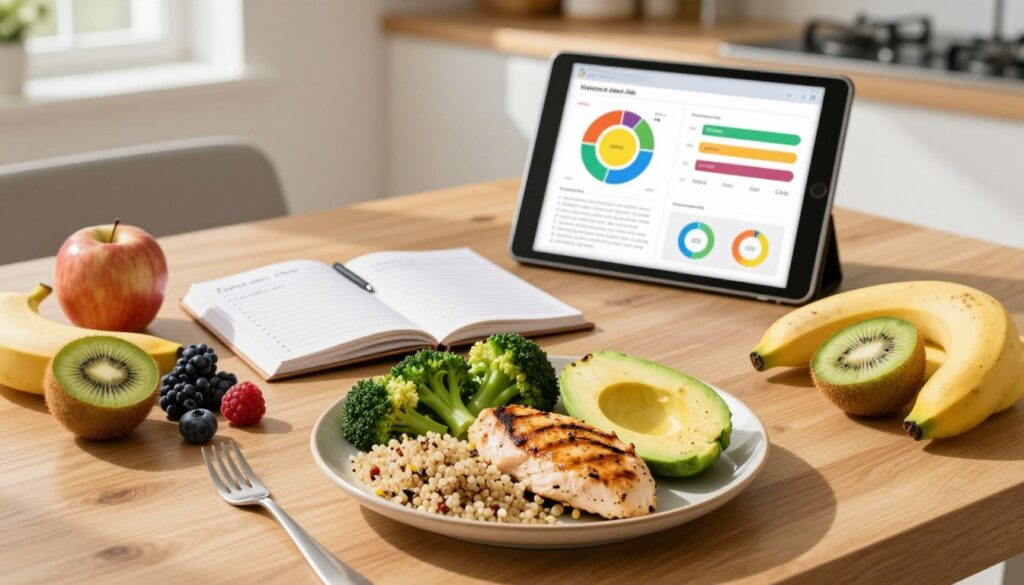
First, look at your current habits and how much structure you need. Take a few days to write down what you eat, including snacks and portion sizes. This helps you start a meal plan to gain weight slowly, without feeling overwhelmed.
Use simple tools to figure out your maintenance calories. The USDA MyPlate Plan calculator is a good tool. It considers your age, sex, height, weight, and activity level. Knowing your maintenance calories, you can add a bit more to gain weight slowly and steadily.
Calculate your current calorie needs and maintenance level
Track what you eat for three to seven days to find your average. Note down your usual meals and look for patterns. Then, estimate your maintenance calories and test small increases. Watch your weight for two weeks to see how you respond.
Set realistic weight and timeline goals for gradual weight gain
Choose goals like gaining 0.25–0.5 lb per week. This slow pace helps you adjust to eating more. Use a detailed diet plan to take small steps, and mark progress to adjust if needed.
Consider body composition goals (muscle vs. fat) and activity level
Decide if you want to build muscle or just gain weight. For muscle, add strength training and more protein. A beginner’s bulking meal plan includes workouts and slightly more calories and protein at each meal.
Practical tips: mix up your protein sources, plan for leftovers, and try batch cooking to save time. For high-protein lunch ideas, check out this guide. If you have health concerns or a history of restrictive eating, talk to a registered dietitian before increasing your calories.
Choose a Meal Planning Style That Fits Your Life
Find a meal planning style that suits your lifestyle and taste. Some like strict daily menus with exact portions. Others prefer a mix of set meals and flexible options for breakfast and lunch.
Rigid daily plans versus flexible anchored meals
If you like structure, go for a strict plan with set meals. This helps you hit calorie goals and makes grocery shopping easier. For more freedom, try anchored meals. These include reliable dinners and flexible sides and snacks.
Batch cooking and meal prep day for time savings
Set aside one day for batch cooking. Prepare grains, roast veggies, and portion proteins. This saves time during the week and helps with meal prep for weight gain.
Adapting planning style to family needs, budget, and equipment
Adjust your plan to fit your household’s needs. Cook in smaller batches if freezer space is limited. Use affordable options like canned beans and frozen veggies to save money.
Pack healthy snacks like fruit and nuts for busy days. These tips make meal planning for gradual weight gain easier for families.
| Planning Style | Best For | Time Commitment | Budget-Friendly Tips |
|---|---|---|---|
| Rigid Daily Plan | People who prefer structure and predictable results | Moderate daily prep, low daily decisions | Buy staples in bulk, use portioned recipes, rotate 3–5 dinners |
| Anchored Meals | Busy schedules needing flexibility | One prep day, flexible weekday assembly | Prep versatile bases like rice and roasted veggies, use canned beans |
| Batch Cooking | Families and people who want time savings | High prep day, minimal weekday effort | Freeze portions, use slow cooker, choose seasonal produce |
| Hybrid (Anchored + Batch) | Those seeking balance between ease and variety | One prep day plus simple daily assembly | Mix homemade meals with frozen options and smart grocery buys |
Create a Daily Calorie Increase Plan
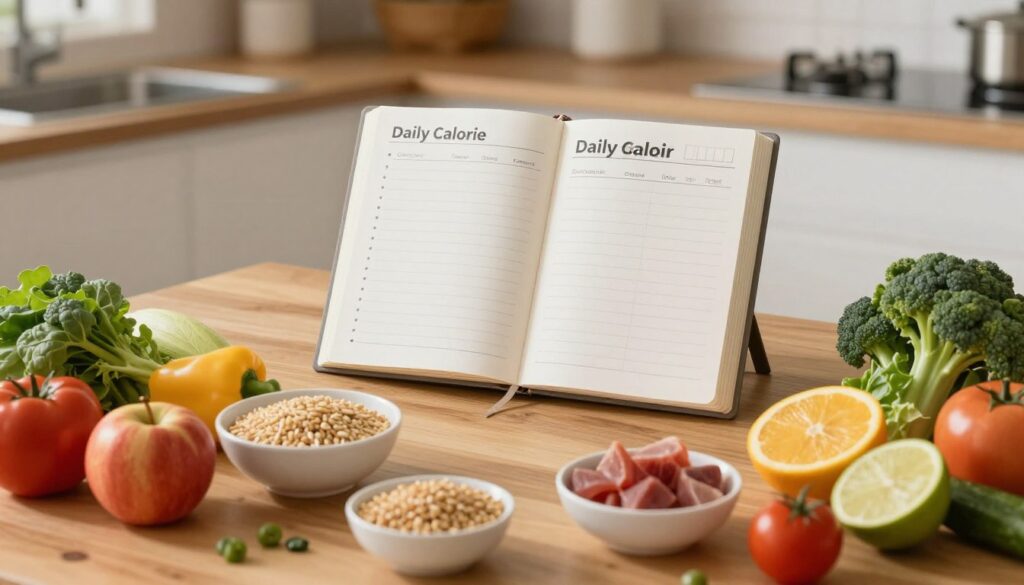
Start by adding small, sustainable changes to meals and snacks. For many people, an initial bump of 100–300 extra kcal per day works well. This helps you learn how to increase calories slowly without upsetting digestion or appetite.
How to increase calories slowly
Use a simple stepwise approach. Add 100 kcal extra for one to two weeks, then check weight and energy. If progress is steady, repeat the same increment. This method helps you increase calories safely while keeping hunger and fullness cues stable.
Daily calorie increase plan
Track portions with a notebook or an app like MyFitnessPal. Plan one extra snack or slightly larger servings at meals. A daily calorie increase plan can include an extra tablespoon of peanut butter, a half-cup of oats, or an extra egg at breakfast.
Tracking progress and adjusting targets
Weigh in once per week under similar conditions and log body changes. If weight stalls for two to three weeks, add another 100 kcal step. If weight rises faster than expected, scale back the increments. Tracking helps you tweak the plan without large swings.
Balancing increases with exercise and recovery
Pair calorie increases with a resistance program if your goal is muscle gain. Fuel workouts with carbs and repair tissue with adequate protein. Rest and sleep matter for recovery when you increase calories safely to support lean mass.
Practical tips to stay consistent
- Prep extra servings and freeze portions for busy days.
- Choose calorie-dense, nutritious foods like whole milk, nuts, and avocado.
- Use a plate-based approach to keep meals balanced as part of a gradual weight gain diet.
Build Balanced Meals for Healthy Weight Gain
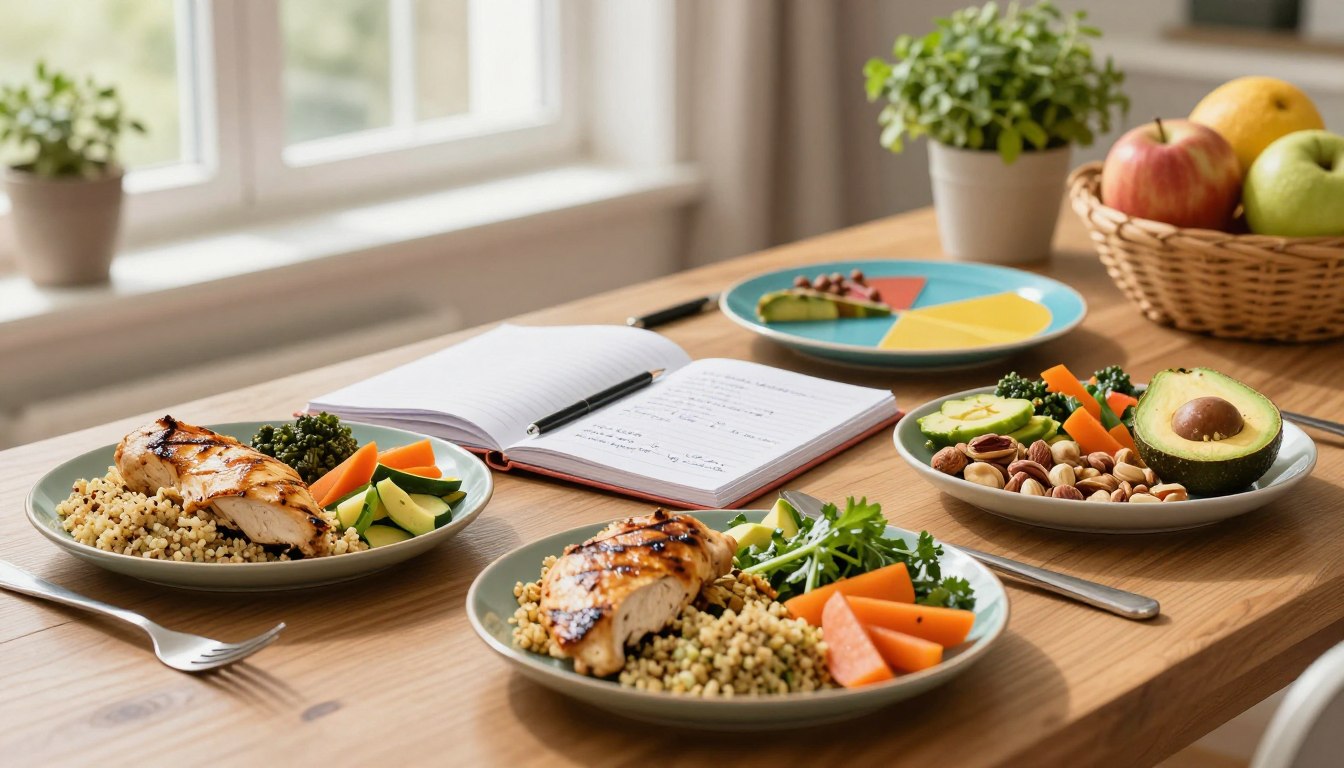
Start with a simple rule: each plate should have protein, carbs, healthy fats, and lots of produce. This keeps meals full, balances blood sugar, and helps with recovery. Make sure every main meal is part of your balanced meal plan for growth.
Plate structure: protein, carbs, healthy fats, and produce
Put lean protein like chicken, salmon, eggs, or beans on about a quarter of your plate. Use another quarter for carbs like rice, quinoa, or sweet potatoes. The rest should be veggies and healthy fats like avocado or olive oil. This layout helps you gain weight healthily without feeling too full.
High-calorie, nutrient-dense foods to include (nuts, dairy, grains)
Choose foods that are high in calories and nutrients but small in size. Full-fat dairy, nut butter, nuts, seeds, whole grains, eggs, and fatty fish are great. Try casseroles, soups, and grain bowls to mix these ingredients well. For more ideas, check out need-to-gain-weight: healthy ways to add calories.
Easy add-ins to boost calories and nutrition without extra volume
When you’re not hungry, add small amounts of calories to your food. Mix nuts or seeds into yogurt and oatmeal, or add olive oil or nut butter to smoothies. Sprinkle cheese on veggies or add a tablespoon of heavy cream to porridge. These small changes can add a lot of calories without eating more.
Plan dinners that include protein, carbs, fats, and veggies for the whole family. Simple changes like choosing brown rice over white or baked fish instead of fried can help. For dinner ideas, check out healthy dinner ideas the whole family will love.
| Meal Component | Examples | Calorie-boost Options |
|---|---|---|
| Protein | Chicken breast, salmon, tofu, eggs, lentils | Add cheese, Greek yogurt, or an extra egg |
| Carbohydrates | Brown rice, quinoa, whole-wheat pasta, potatoes | Serve larger portions, stir in butter or olive oil |
| Healthy Fats | Avocado, olive oil, nuts, nut butter | Top salads with nuts, blend nut butter into smoothies |
| Produce | Leafy greens, roasted carrots, broccoli, berries | Roast vegetables with oil, add avocado or cheese |
Use this framework to create a meal plan for healthy weight gain that fits your schedule and taste. Small, consistent changes help you stay on track with a gradual muscle gain diet while keeping your diet balanced and healthy.
Meal Plan for gradual weight gain
Creating a simple routine for steady weight gain is easy. Choose 3–4 breakfasts and dinners to repeat each week. Prep staples like grains, roasted veggies, and baked proteins. Plan for leftovers to save time on busy days.
Sample daily menus for a healthy weight gain meal plan
Balance your meals with protein, carbs, fats, and veggies. Here are sample menus you can adjust and repeat.
- Breakfast: oatmeal with Greek yogurt, banana, and peanut butter. Snack: trail mix.
- Lunch: grain bowl with brown rice, chickpeas, kale, carrots, and tahini dressing. Snack: cheese with whole-grain crackers.
- Dinner: baked salmon, quinoa, sweet potatoes, and avocado. Dessert: yogurt with berries and nut butter.
- Optional evening snack: smoothie with milk, protein, frozen fruit, and almond butter.
Beginner meal plan for bulking that increases calories slowly
Start by adding 100–200 kcal/day for 2–4 weeks. If you don’t gain weight, add another 100–200 kcal. Keep track of your weight and energy to adjust.
Make meals you can easily scale up. Double grain sides, add nut butter to snacks, or top salads with olive oil and seeds. These tweaks make bulking sustainable and enjoyable.
Meal plan to gain weight slowly while keeping meals balanced
Rotate family favorites to reduce waste and keep things interesting. Plan breakfasts like eggs with whole-grain toast, yogurt bowls, or high-calorie smoothies. Batch extra portions of dinner proteins and grains for easy lunches.
Snacks are key: keep trail mix, Greek yogurt, cheese sticks, and nut butter packets ready. Pair desserts with protein, like cottage cheese with fruit, to aid muscle repair.
| Meal | Example | Quick swap to add ~150 kcal |
|---|---|---|
| Breakfast | Oatmeal, Greek yogurt, banana, peanut butter | Add 2 tbsp peanut butter or 1/2 cup whole milk to oats |
| Lunch | Grain bowl with roasted veg, grilled chicken, tahini | Increase grains by 1/2 cup cooked or add 2 tbsp olive oil dressing |
| Snack | Trail mix with nuts, seeds, dried fruit | Include a cheese stick or 1 oz extra nuts |
| Dinner | Baked salmon, quinoa, sweet potato, avocado | Add 1/2 avocado or a side of hummus |
| Evening | Smoothie with milk, protein powder, nut butter | Use whole milk and add 1 tbsp extra nut butter |
Practical Meal Prep and Grocery Strategies
Begin by checking what you already have. A quick pantry inventory helps save money and reduces waste. Organize items into categories like proteins, grains, and produce. Keep perishables at the front to use them first.
Take inventory: pantry, fridge, and freezer
Start by checking your fridge and freezer one shelf at a time. Look for proteins, frozen veggies, and sauces to boost meals. Plan meals around items that are near expiration to avoid waste.
Grocery list tips: organizing by store section
Make grocery lists from your meal plans and mark off items you already have. Organize your list by store section to shop faster and avoid impulse buys. Use apps or printable lists to stay organized.
For inspiration, check out a 7-day bulking meal prep plan for ideas and quantities.
Time- and budget-saving prep: batch cooking and frozen options
Choose meals like casseroles and soups that keep well. Cook proteins and grains in bulk and portion them out. Freeze leftovers for steady calorie intake when you’re busy.
Use frozen veggies, canned beans, and quick-cook rice to save money. These items make quick meals and help with time-saving prep. Label containers with the date to keep things fresh.
Implement simple systems like weekly inventory checks and organized grocery lists. Batch cooking for 60–90 minutes makes meal prep a routine that supports steady progress without stress.
Maintain Flexibility and Food Variety
Start with a simple meal plan for main dishes. Then, leave room for swaps and creativity. This balance keeps you consistent without feeling trapped. You can stick to an anchored meal on busy days and try new things on weekends.
Food flexibility: why it matters and how to apply it
Food flexibility for weight gain reduces stress and slows down decision fatigue. Having a short list of go-to foods helps you meet calorie goals while staying calm. Use anchors like oatmeal with nut butter, grilled salmon with rice, or Greek yogurt with granola as reliable base meals.
Rotate family favorites while testing new nutrient-dense recipes
Rotate family favorites to keep things interesting and support long-term habits. Choose two to three trusted dinners each week. Add things like avocado, olive oil, or full-fat cheese to boost calories.
Try one new nutrient-dense recipe each week, like a quinoa bowl with roasted sweet potato. This expands your tastes without overwhelming your kitchen.
Using leftovers creatively to boost calories and convenience
Using leftovers saves time and reduces waste. Turn roast chicken into tacos with avocado and crema, or use extra rice for a quick fried rice with eggs and sesame oil. Add calorie-dense mix-ins like nuts, tahini, or shredded cheese to snacks and sides for easy boosts.
Batch cook adaptable components and mix them through the week. Keep portable, high-calorie snacks like trail mix and peanut butter sandwiches on hand for busy days. This way, you maintain variety in your meal plan while staying practical and nourishing for the whole family.
Conclusion
Creating a meal plan for gradual weight gain is easy and can transform your eating habits. By choosing a planning method that suits your lifestyle and preparing ingredients in advance, you save time and money. This approach also reduces stress from daily food choices.
Use a healthy weight gain meal plan to build a consistent eating routine. Aim for balance rather than perfection. Practical tools can help, such as setting a meal schedule, checking your pantry and fridge, and planning your portions. Using grocery lists and batch cooking are also useful.
Start small with a step-by-step meal plan guide. This makes adding calories easier as you get used to the routine. For quick breakfasts, try prepping meals ahead or explore healthy morning options like those found here: healthy breakfast ideas.
Remember to stay flexible and keep your meals balanced. Focus on increasing calories gradually, eating protein-rich foods, and doing strength exercises for recovery. If you have health concerns or a history of eating disorders, talk to a registered dietitian or doctor. With a solid plan and small steps each week, you can achieve steady, healthy weight gain while enjoying your meals and life.