How to Make Samosas: the easy recipe
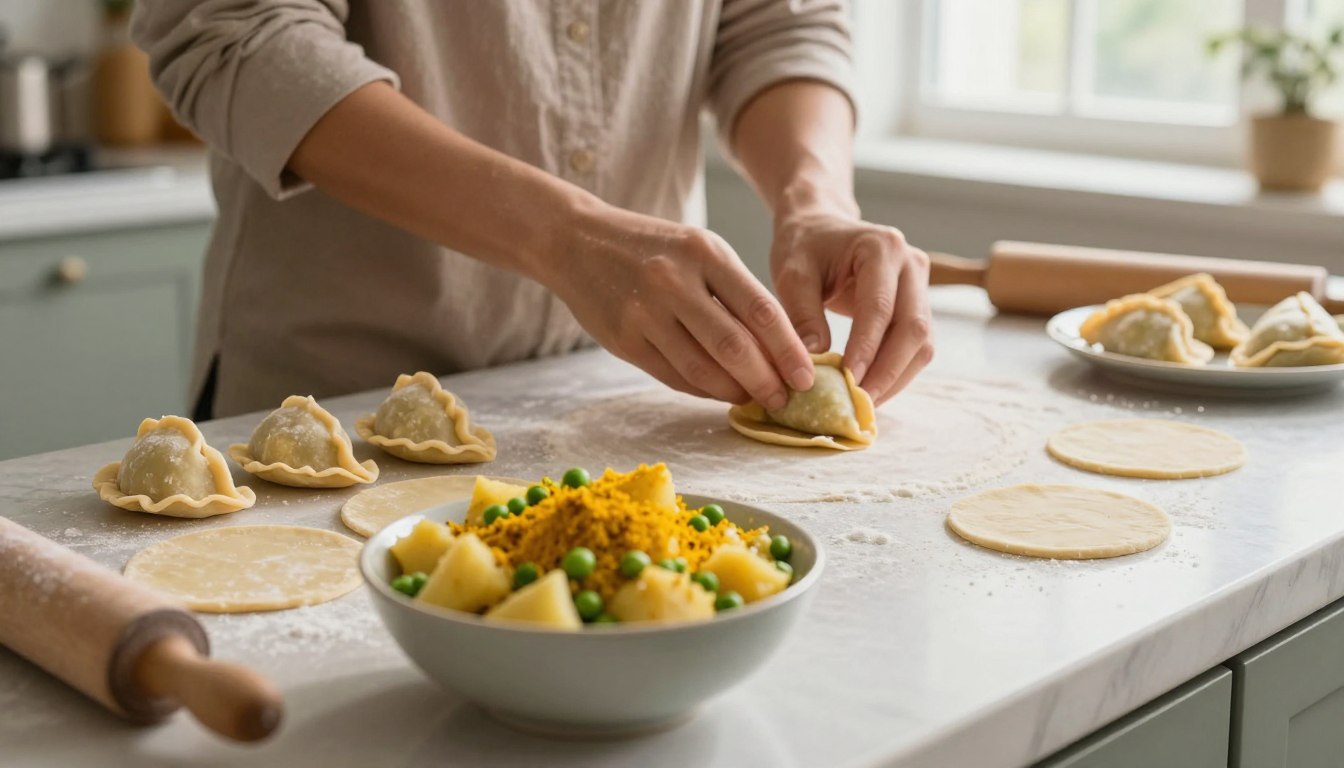
There’s magic in biting into a warm, crispy samosa. The golden pastry cracks, and the spiced potato filling spills out. It’s like a taste of bustling street markets and family gatherings. Wondering how to make samosas at home? Today, you’ll learn it’s easier than you think.
Samosas have traveled far, starting in the Middle East and becoming a key part of South Asian cuisine. They’re loved everywhere—at parties, on menus, and as street food. Their crispy pastry and savory filling make them a favorite.
Making an easy homemade samosa recipe is simple. You don’t need years of cooking or hard-to-find ingredients. This recipe is for beginners who want great results without the hassle. You can fry, bake, or air fry them, whichever you prefer.
Learning to make samosas means you control every ingredient and step. You’ll impress your family and friends with homemade samosas. From mixing the dough to folding the triangles, this guide will help you every step of the way.
Key Takeaways
- Making samosas at home is simpler than ordering them from a restaurant
- This easy homemade samosa recipe uses basic ingredients you probably already have
- You can fry, bake, or air fry your samosas based on your preference
- The samosa recipe works perfectly for beginners with step-by-step guidance
- Homemade samosas taste fresher and cost less than takeout versions
- These crispy pastries work for parties, snacks, or any occasion
What Are Samosas and Why You’ll Love This Recipe
Samosas are triangular or cone-shaped pastries with a crispy, flaky exterior. They shatter beautifully when you bite into them. Inside, a warm, aromatic filling of spiced potatoes bursts with flavor. This classic snack has been loved across India for generations.
The best samosas come from street vendors and small eateries, not fancy restaurants. These skilled vendors have perfected their craft over decades. They create a crunchy and flaky texture with minimal oil. When you make homemade samosas, you’ll see why people love them so much.
A perfect samosa should be crispy and flaky with almost no bubbles. Your vegetarian samosa recipe will focus on the classic potato version. Unlike store-bought versions, homemade samosas let you control the oil quality and ingredient freshness.
Samosas are great as appetizers, snacks, party food, or light meals. You’ll serve them with traditional accompaniments that make them special:
- Mint chutney – vibrant green and refreshingly cool
- Cilantro chutney – herby and bright
- Tamarind chutney – sweet and tangy
Some people take it further by making Samosa Chaat. It combines samosas with chickpea curry, chutneys, and crispy sev. The versatility of this snack means you’ll make them again and again.
Making homemade samosas is absolutely worth the effort. You’ll create something healthier, tastier, and more satisfying than anything you can buy. Get ready to impress your family and friends with your homemade samosas that rival the street vendors of India.
Essential Ingredients for Perfect Homemade Samosas
Before you start making samosas, gather all your ingredients. Samosas are simple yet extraordinary. You’ll find most ingredients in regular stores, with a few specialty items at Indian markets or online. Let’s organize everything into three groups so you’re ready to start.
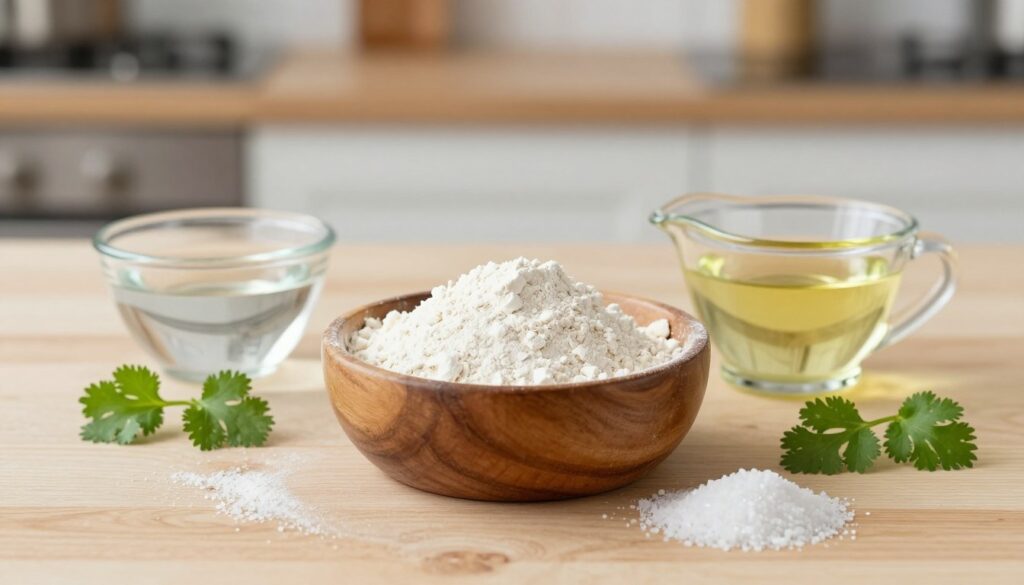
Ingredients for the Samosa Dough
The foundation of great samosas is a simple dough. You need just a few basic items for that crispy, flaky texture:
- All-purpose flour (2 cups)
- Oil or ghee (½ cup)
- Carom seeds (1 teaspoon)
- Salt (to taste)
- Water (½ cup)
Choosing between oil and ghee changes the flavor. Oil makes the dough lighter, while ghee adds a richer taste. Carom seeds give samosas a unique flavor.
Ingredients for the Potato Filling
The filling starts with basic ingredients for a delicious base:
- Potatoes (3 medium, boiled)
- Green peas (1 cup)
- Ginger (1 tablespoon, minced)
- Green chilies (2, finely chopped)
- Fresh coriander leaves (3 tablespoons)
This mix makes a traditional vegetarian filling. You can add mixed vegetables, paneer cheese, or ground meat for non-vegetarian versions.
Spices That Make Samosas Irresistible
The spice blend makes your samosas unforgettable:
| Spice | Amount | Purpose |
|---|---|---|
| Cumin seeds | 1 teaspoon | Adds warm, earthy flavor |
| Garam masala | 1 teaspoon | Creates depth and complexity |
| Red chili powder | ½ teaspoon | Brings heat and color |
| Cumin powder | ½ teaspoon | Enhances savory notes |
| Fennel powder | ¼ teaspoon | Adds subtle sweetness |
| Amchur or chaat masala | ½ teaspoon | Provides tangy brightness |
These spices create layers of flavor. Adjust the heat by reducing red chili powder for milder samosas. Having everything measured before cooking makes the process smooth and fun.
How to Make Samosas Step by Step for Beginners
Making homemade samosas is simpler than you might think. This easy recipe uses just a few ingredients. It’s divided into three easy steps: making the dough, preparing the filling, and folding everything together. You can make about 15-16 samosas in about an hour.
Timing is key. Start by boiling your potatoes. While they cook, knead your dough and let it rest. Once the potatoes are done, mix them with spices for the filling. By then, your dough is ready to shape.
Folding might seem hard at first. But, you’ll get better with just 2-3 samosas. The triangular shape becomes easy once you practice a bit. Your hands will remember the motion quickly.
Here’s what you need to know about making samosas step by step for beginners:
- Boil potatoes until soft and mashable
- Mix flour with oil to create flaky dough texture
- Knead dough until smooth and elastic
- Prepare spiced potato filling while dough rests
- Roll dough into thin circles
- Cut circles in half for easier folding
- Fill, fold, and seal each samosa cone
- Fry, bake, or air fry until golden brown
You can also prepare parts ahead. Your dough and filling can stay in the fridge for a day or two. This makes the final assembly quick when you’re ready to serve. You’ve got this!
Preparing the Crispy Samosa Dough
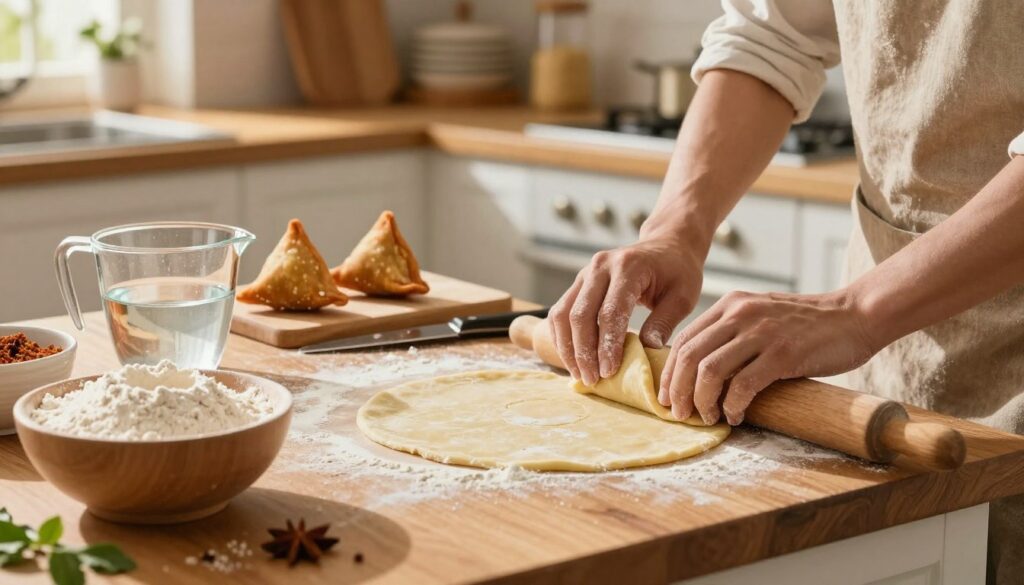
The dough is key to great samosas. Making samosa dough at home is easier than you think, but it needs focus. The secret to crispy samosas is in the dough preparation. Learning the oil-coating trick is crucial for homemade samosas to match restaurant quality.
Mixing the Flour and Oil for Flaky Texture
Begin by mixing dry ingredients in a big bowl. You’ll need two cups of all-purpose flour, three-quarters teaspoon of carom seeds, and three-quarters teaspoon of salt. Make sure they’re well mixed.
Now, add one-quarter cup of oil or melted ghee to the flour mix. Rub the oil into the flour with your hands for three to four minutes. This step makes the dough flaky, just like pie crust.
Your mix should look like breadcrumbs. Press a handful in your palm. It should stick together like wet sand. This means the oil is mixed in right.
Add water slowly, just one or two tablespoons at a time. Too much water makes samosas soft. The dough should be stiff and firm, unlike soft bread.
Kneading and Resting the Dough Properly
Once the dough is right, cover it and rest for twenty-five to thirty minutes. This lets the gluten relax and the flour absorb moisture. The dough will become easier to work with.
After resting, knead the dough for three to four minutes. Make it tight and stiff, not smooth. This ensures a crispy finish when fried.
For more detailed guidance on this samosa dough recipe, check out complete instructions for authentic samosa preparation. These tips will help you avoid common mistakes like over-hydrated dough or loose seals.
- Mix flour, salt, and carom seeds first
- Rub oil into flour for three to four minutes
- Test by pressing in your palm—should hold shape
- Add water gradually in small amounts
- Rest dough for twenty-five to thirty minutes
- Knead again for three to four minutes after resting
- Keep dough stiff and firm, never soft
Mastering these steps is the first step to making amazing samosas. Your patience in preparing the dough will pay off when you enjoy that crispy wrapper.
Making the Flavorful Potato Filling
https://www.youtube.com/watch?v=O5TuCrsNj5Y
The potato filling is the heart of your samosa. To make the best filling, cook your potatoes just right. They should be fork-tender, not mushy or falling apart.
Overcooked potatoes become waterlogged and make your samosa soggy. This ruins the crispy texture you want.
You have several ways to cook your potatoes:
- Boil on the stovetop until fork-tender (about 15-20 minutes)
- Use a pressure cooker for 2-3 whistles on medium heat
- Try an Instant Pot on high pressure for 5 minutes with quick release
Once your potatoes cool, crumble them with your hands or a fork rather than mashing. This gives a better texture with distinct potato pieces.
Now, heat oil and add cumin seeds until fragrant. This awakens the spices. Add ginger and green chilies for more aroma.
Stir in your ground spices—chili powder, garam masala, cumin powder, amchur, and fennel powder—carefully to avoid burning them.
Add peas next, letting them warm through for a minute. They absorb the flavors well. Then, add your crumbled potatoes and sauté for 2-3 minutes. This coats every piece with spices, making a cumin-spiced potato filling that tastes like it’s from a restaurant.
Finish by mixing in fresh coriander leaves. Taste and adjust the seasoning to your liking. You can also add extra vegetables like sweetcorn for variety in your vegetarian samosa recipe.
Let the filling cool completely before using it in your samosa wrappers. This keeps the dough from getting soggy and ensures your samosas stay crispy when you fold and fry them.
How to Fold Samosas Like a Pro
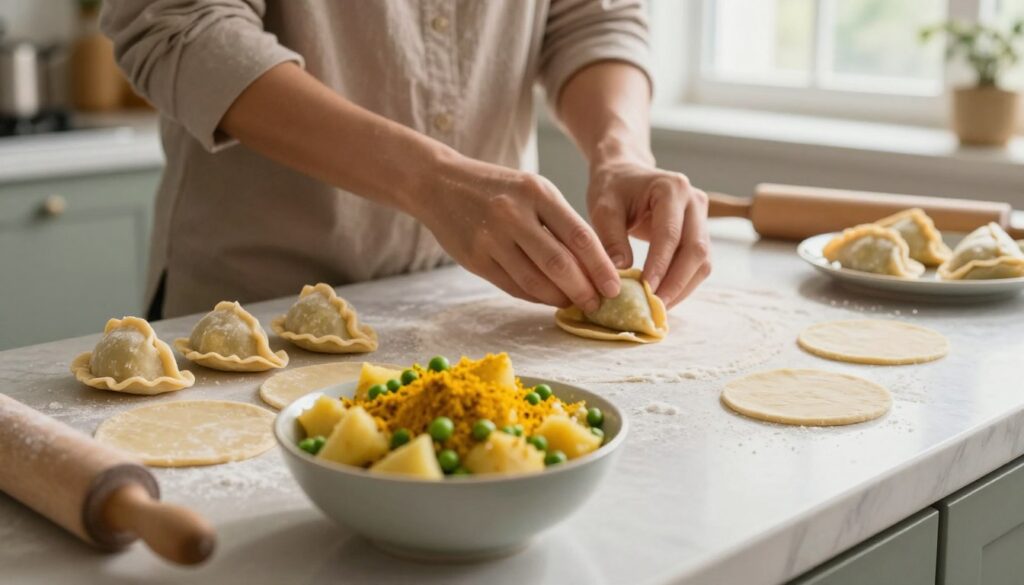
Learning to fold samosas is key to making them great. It might seem hard at first, but with practice, you’ll get it. Folding is where your dough and filling come together in a triangular shape.
Begin by dividing your dough into five parts. Each part will make two samosas, giving you ten in total. This size is perfect for beginners to practice without feeling too stressed.
Creating the Perfect Cone Shape
Roll each dough ball into an oval, about 8.5 inches long and 6.5 inches wide. Make sure it’s not too thin or too thick. This is important for it to cook right.
Here’s a trick: cut each oval in half to make two semicircles. This doubles your samosas. Wet the straight edge of one semicircle, then fold the two corners together to form a cone.
- Moisten the straight edge with water
- Overlap the corner points to form a cone
- Press the seam firmly from the outside
- Seal the seam from the inside as well
Sealing Your Samosas to Prevent Leaks
Fill your cone about three-quarters full with potato filling. Leave some room at the top for sealing. Wet the edges and press them together firmly. Make a small pleat on one side for upright serving.
“The key to preventing leaks is making sure your seams are completely sealed. Don’t rush this step—it’s worth taking an extra moment to press those edges together.”
Your first samosas might not look perfect, and that’s okay. Each one teaches you something. With practice, folding samosas will become second nature. Your hands will remember the motions, making it faster and easier.
Remember, even if samosas don’t look perfect, they still taste great. Just make sure the seams are tight to keep the filling in during cooking.
Cooking Methods: Fried, Baked, and Air Fryer Samosas
You have three great ways to cook your samosas. Each method has its own benefits. Your choice depends on your kitchen, how much time you have, and the texture you like. Let’s explore each method so you can choose the best one for you.
Deep Frying Your Samosas
Frying samosas makes them crispy and flaky. Heat your oil to a moderate temperature. To check if it’s ready, drop a small piece of dough into it. It should rise slowly with tiny bubbles.
Put your samosas in the oil and fry on low heat for 10 to 12 minutes without moving them. This helps the crust set right. Then, increase the heat to medium and fry until they’re golden brown. This method takes patience but gives the best taste.
Baking Your Samosas
Baking samosas uses less oil than frying. Brush them with oil on all sides before baking. Set your oven to 400°F and bake for 35 to 40 minutes, turning them halfway for even browning.
Baking is easy and hands-off. You can cook other dishes while your samosas bake. They’re less flaky than fried ones but still tasty and satisfying.
Using Your Air Fryer
An air fryer makes samosas crispy without deep frying. Preheat your air fryer to 380°F. Spray your samosas lightly with oil and place them in the basket without crowding.
Cook for 15 to 18 minutes total, flipping them halfway. Check them after 10 minutes. This method is quick, uses little oil, and is very crispy.
| Cooking Method | Temperature | Time | Oil Amount | Crispiness Level |
|---|---|---|---|---|
| Deep Frying | Moderately Hot Oil | 10–12 minutes (low heat), then medium heat until golden | High | Maximum |
| Oven Baking | 400°F | 35–40 minutes | Low (brush only) | Good |
| Air Fryer | 380°F | 15–18 minutes | Minimal (light spray) | Very Good |
Each method has its own benefits. Deep frying gives you the authentic taste of Indian street food. Baking is great for those who want to use less oil and prefer a simple method. Air frying is quick, uses little oil, and is very crispy.
- Deep frying: Best for authentic taste and maximum crispiness
- Baking: Ideal for health-conscious cooking with no monitoring
- Air frying: Perfect balance of speed, crispiness, and minimal oil
Choose the method that fits your lifestyle and kitchen. You’ll enjoy delicious homemade samosas no matter which method you pick.
Tips for Achieving Crispy Samosas Every Time
Getting crispy samosas right is key to making them taste like they’re from a restaurant. It’s not just luck. It’s about knowing how to manage oil temperature, the right dough, and frying techniques. With the right methods, you’ll get that golden, flaky exterior every time.
The most important thing is oil temperature management. Many people fry in very hot oil. This makes the outside brown too fast while the inside stays soft. Instead of a crispy skin, you get a bubbly, blistered surface.
Oil Temperature and Frying Techniques
Start with moderately hot oil. Don’t let it smoke. Fry on low heat for 10-12 minutes to cook the dough through. This works because your dough already has fat, so it won’t soak up too much oil.
After the first fry, turn the heat up to medium for the final crisp. This two-step process makes your samosas crispy without being greasy.
| Frying Stage | Oil Temperature | Duration | Result |
|---|---|---|---|
| Initial Cooking | Moderately hot | 10-12 minutes | Dough cooks through evenly |
| Final Crisping | Medium-high heat | 2-3 minutes | Golden, crispy exterior |
How to Avoid Common Samosa Mistakes
When making samosas, avoid these common mistakes:
- Not enough oil in dough: Creates a hard, tough crust
- Too much water in dough: Results in soft dough and greasy samosas
- Oil temperature too hot: Causes blisters, bubbles, and uncooked insides
- Poor sealing: Allows oil to seep inside, making samosas greasy
Make sure your dough has the right amount of oil. Don’t add too much water to avoid soft dough. Also, seal your samosas well to keep them crispy.
For baked or air-fryer versions, brush with oil and don’t overcrowd. These tips work for all cooking methods to get delicious, crispy samosas every time.
Serving Suggestions and Delicious Dipping Sauces
Your homemade samosa recipe deserves the perfect accompaniments to truly shine. Authentic Indian samosas pair beautifully with vibrant chutneys that enhance every bite. The right sauce transforms your crispy samosas from a simple snack into an unforgettable culinary experience that captures the essence of Indian street food.
The classic way to serve your samosas involves three essential chutneys that work together in perfect harmony. Fresh mint chutney brings cooling, herbaceous notes that balance the warm spiced potatoes inside. Tamarind chutney adds sweet and tangy flavors that complement the savory filling. Cilantro chutney rounds out the trio with bright, fresh vegetal notes.
Making these chutneys takes just minutes. Your mint-cilantro chutney combines fresh herbs, yogurt, ginger, and green chili for a cooling dip. The tamarind chutney blends tamarind paste with jaggery and warming spices for that iconic sweet-spicy sauce.
Want to elevate your samosa experience even more? Try creating Samosa Chaat, a beloved Indian street food that transforms broken samosas into something spectacular. Layer your samosas with chickpea curry, yogurt, crispy sev, chaat masala, fresh cilantro, and pomegranate arils for a complete flavor explosion.
Consider these serving ideas for your authentic Indian samosas:
- Pair warm samosas with masala chai for an authentic tea-time experience
- Arrange samosas on a platter with small bowls of various chutneys for easy dipping
- Serve as appetizers at parties alongside complementary dishes
- Create a samosa chaat bar where guests can build their own combinations
- Offer alongside other Indian favorites for a complete meal
Your samosa recipe investment pays off when you present these crispy triangles with care and attention to serving style. These finishing touches make your homemade creation taste just like street food from India.
Storing and Reheating Your Homemade Samosas
Your homemade samosas taste best when fresh and hot. But, life can get busy, and you might want to make them ahead of time. The good news is, with the right storage, you can enjoy them for days or even weeks without losing their crispy, delicious quality.
After cooking your samosas, you have two storage options. Short-term storage is great for eating them within a couple of days. Long-term freezing is perfect for meal prep or when you want snacks ready whenever you crave them.
Let’s explore both methods so you can choose the best option for your household.
Short-Term Storage for Cooked Samosas
Cooked samosas stay fresh when wrapped tightly in foil or stored in an airtight container. Keep them at room temperature for a few hours if serving the same day. For longer freshness, place them in your refrigerator where they’ll stay good for one to two days.
When you’re ready to eat them, skip the microwave. It makes your samosas soggy and rubbery. Instead, reheat them in a preheated oven at 350°F for five to ten minutes. This brings back that crispy outside while keeping the filling warm and flavorful.
Long-Term Freezing for Uncooked Samosas
Freezing uncooked samosas gives you the best results. After folding all your samosas, arrange them on a baking sheet without touching each other. Place this sheet in your freezer for two to three hours. This flash-freezing step keeps them from sticking together.
Once frozen solid, transfer your samosas to freezer bags or containers. Properly stored, your homemade samosas will keep for two to three weeks in the freezer. Label your bags with the date so you remember when you made them.
| Storage Method | Best For | Duration | Cooking Instructions |
|---|---|---|---|
| Room Temperature | Same-day serving | A few hours | Serve immediately or reheat at 350°F for 5-10 minutes |
| Refrigerated (Cooked) | Quick access to leftovers | 1-2 days | Reheat in oven at 350°F for 5-10 minutes until crispy |
| Frozen (Uncooked) | Meal prep and long-term storage | 2-3 weeks | Cook directly from frozen, adding 3-5 extra minutes to cooking time |
| Frozen (Cooked) | Emergency backup only | Up to 2 weeks | Not recommended; texture becomes dry and less appealing |
The magic of freezing uncooked samosas is that you can cook them straight from frozen. You don’t need to thaw them first. Whether you fry, bake, or use an air fryer, just add three to five extra minutes to your normal cooking time. The results taste nearly as fresh as when you cooked them right away.
Making Your Samosa Recipe Work for Your Schedule
This freezer-friendly nature makes a samosa recipe perfect for busy people. Spend an afternoon folding and shaping a big batch of homemade samosas. Flash-freeze them, and you’ve got ready-to-cook snacks for weeks. When guests arrive or hunger strikes, you simply cook exactly what you need.
- Label freezer bags with the date you made them
- Arrange frozen samosas in a single layer if your freezer space allows
- Let them sit at room temperature for ten to fifteen minutes before cooking (optional, but it helps them cook more evenly)
- Store uncooked dough and filling separately for up to two days in the refrigerator
- Avoid freezing cooked samosas, as the texture suffers
By mastering these storage techniques, you transform your samosa recipe from a one-time meal into a flexible, convenient snack you can enjoy whenever you want. Your homemade samosas deserve to be enjoyed at their best.
Conclusion
You now have all the knowledge needed to make spectacular homemade samosas. This samosa recipe breaks down into simple steps that anyone can follow. Make the dough, prepare the filling, fold the samosas, and cook them. Each step builds on the last one, making the entire process manageable and fun.
Your first batch might not look perfect, and that’s totally normal. Samosa-making is a skill that improves with practice. Even samosas with uneven shapes taste absolutely delicious. Remember the key points: keep your flour-to-oil ratio correct for flaky dough, accept that stiff dough texture (it’s exactly what you want), use patient low-heat frying, and seal your samosas carefully to stop leaks. These techniques matter, but they’re all easy to master with just a little practice.
Once you feel comfortable with the basics, start experimenting with how to make samosas your own way. Try different fillings with vegetables or meat. Adjust spice levels to match your taste buds. Test all three cooking methods—fried, baked, and air fryer—to find your favorite. Your kitchen will smell amazing, and your family will love every bite of these crispy, flavorful pastries you made from scratch.
Start making samosas part of your regular cooking routine. Bring them to parties, serve them at gatherings, or enjoy them as a special treat at home. Watch the joy on people’s faces when they bite into a samosa you created yourself. This samosa recipe delivers the authentic, crispy results you’re hoping for. Start cooking now, and get ready to enjoy some seriously delicious homemade samosas.