The Best Entremets and pastry desserts Easy
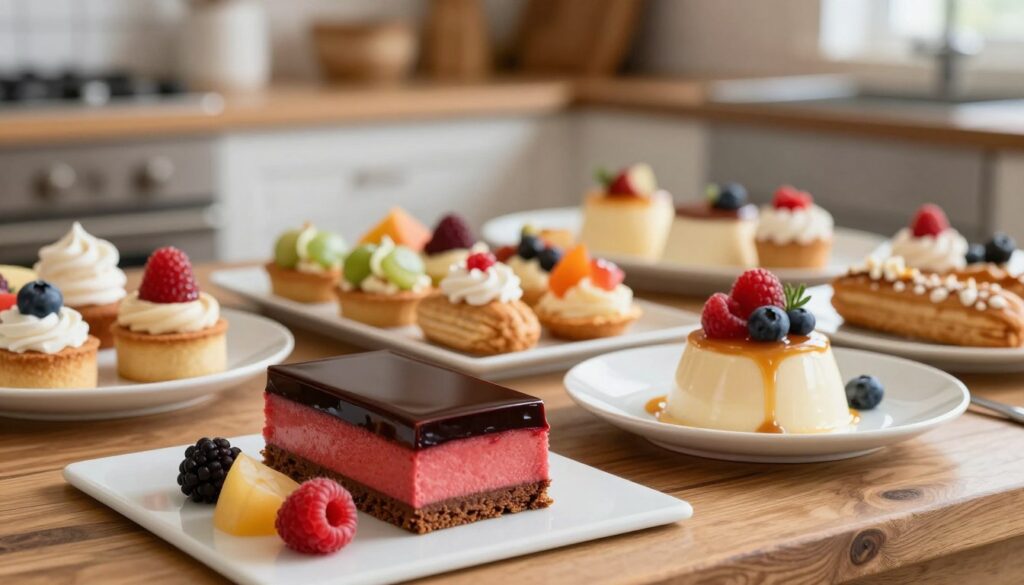
Have you ever looked at a French bakery window and wished you could make those cakes at home? It is a common dream. Many home bakers feel scared to try because they think it’s too hard. They might think you need years of school or fancy tools.
You can make these beautiful cakes in your own kitchen. We’ll show you easy ways to do it. This way, you can impress your friends with little effort. Learning to make easy entremets recipes will make you more confident in the kitchen.
Key Takeaways
- Mastering French pastry techniques is achievable for home bakers of all skill levels.
- Simplifying complex steps helps you create professional-grade desserts without unnecessary stress.
- Focusing on accessible methods ensures consistent and delicious results every time.
- You will learn to balance flavor and texture to achieve a perfect finish.
- Building your confidence in the kitchen opens the door to endless creative possibilities.
Understanding the Art of the Entremet
Many think French desserts are only for experts, but the entremet is perfect for home bakers. So, what is an entremets? It’s a fancy, multi-layered mousse cake. It’s all about balance in textures and flavors.
These chilled treats are made in a mold. This gives them clean lines and a pro look. They’re stunning on any table.
Exploring simple dessert creations helps you learn to layer. You’ll make sponges, creamy inserts, and light mousses. It turns simple ingredients into a culinary masterpiece.
Since these cakes are cold, they’re refreshing. They’re unlike traditional baked goods.
What is an entremet?
An entremet is a structured cake that shows off contrast. It has a sponge cake base, a fruit or cream insert, and a light mousse. It’s all covered in a beautiful glaze.
This way of baking makes sure each bite is a harmonious blend of flavors and textures.
Why these desserts are perfect for home bakers
Making simple french entremets at home is easier than it seems. You don’t need a big kitchen to get great results. Just patience and a few techniques.
These projects let you try new things with seasonal ingredients. You can use fresh blackberries or caramelized white chocolate. It’s a way to make something special that suits your taste.
Once you get the hang of it, homemade entremets will wow your guests. They’re a creative outlet that looks and tastes amazing. With practice, you’ll make your own unique versions of these elegant treats.
Essential Tools for Your Pastry Kitchen
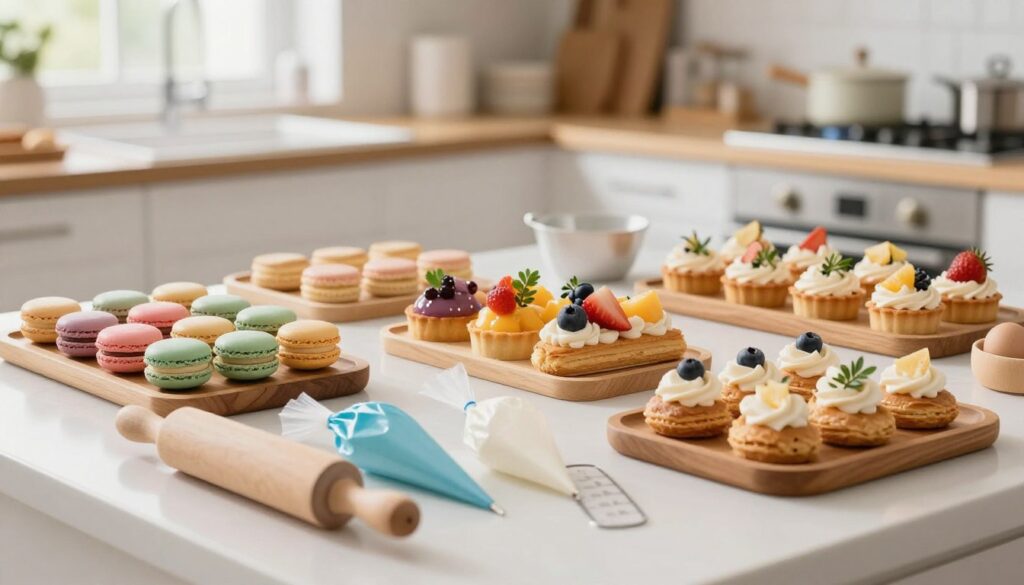
To succeed with your beginner pastry desserts, you need the right tools. Having top-notch equipment is key to getting consistent, professional results. The right tools make baking smoother and more fun.
Must-have silicone molds and rings
Silicone molds change the game for making elegant, uniform shapes. They let you unmold delicate items without harming them. High-quality silicone is also heat-resistant and lasts long, making it essential for any kitchen.
Don’t forget adjustable stainless steel rings. They help keep your layers straight and professional. Consistency is crucial for a great pastry chef, and these rings ensure it.
“Precision is the difference between a good dessert and a masterpiece.”
Precision tools for professional results
Baking is a science that needs exact measurements. A digital scale is a must for measuring ingredients like almond flour and gelatin accurately. Using a digital scale avoids the problem of inconsistent textures.
Using a digital scale takes the guesswork out of your recipes. It’s very helpful when starting with complex desserts. With these tools, your confidence in baking will grow with each success.
Mastering the Components of Easy Entremets Recipes
Making stunning desserts is easier when you break it down into key parts. Focus on the quality of each layer for easy entremets recipes that look pro. Each part adds structure, flavor, and beauty for a perfect finish.
The foundation: Sponge cakes and biscuits
The base of your dessert is key for stability. A joconde sponge cake is perfect because it’s moist and flexible. It won’t crack when you wrap it around your mold.
Creating silky mousses and creamy inserts
After setting your base, focus on the dessert’s heart. With easy mousse cake recipes, you learn to whip cream just right. This makes the mousse airy and delicious. Adding a fruit or chocolate insert adds a delightful surprise.
Balance the mousse’s richness with the fruit’s acidity. This mix of flavors is what makes how to make entremets rewarding. Freezing the layers properly ensures they stay distinct and clean when sliced.
The secret to a perfect mirror glaze
The mirror glaze is the final touch, giving your dessert a pro shine. It needs precise temperature control and a steady hand. When done right, the glaze seals and enhances your dessert’s look.
| Component | Primary Function | Key Characteristic |
|---|---|---|
| Joconde Sponge | Structural Base | Moist and Flexible |
| Mousse | Main Body | Light and Airy |
| Creamy Insert | Flavor Contrast | Smooth and Dense |
| Mirror Glaze | Visual Finish | High-Gloss Shine |
Step-by-Step Guide to Assembling Your First Entremet
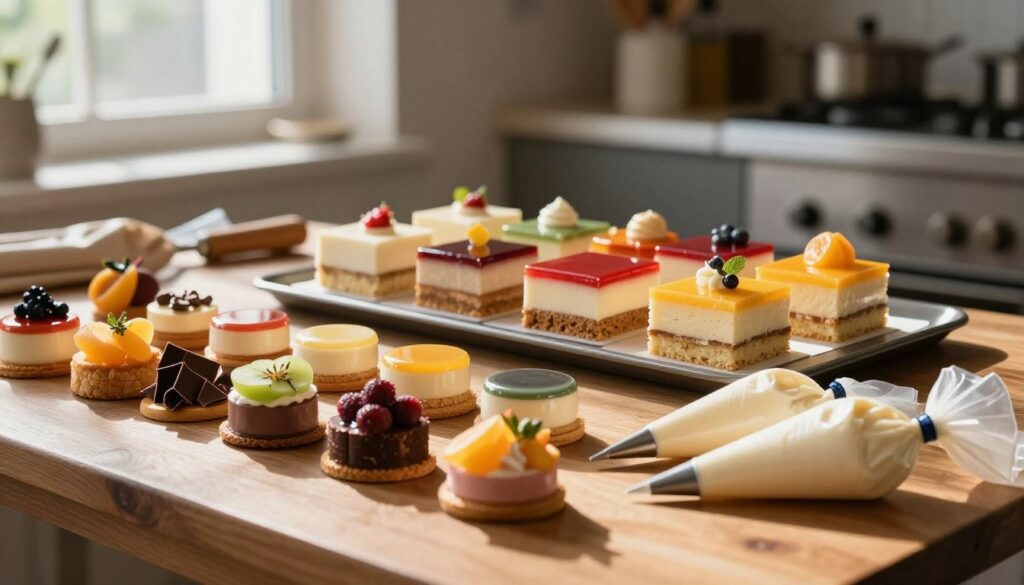
Learning to assemble your desserts is key to making them look great. This is where all your hard work comes together. It’s important to be patient and have a plan before starting.
Preparing your workspace and ingredients
Clear your counter to have enough space. Have your sponge, fruit, and mousse ready and chilled. This keeps the mousse from melting while you work.
Line your molds with acetate or parchment for clean edges. This makes it easier to unmold your desserts. Make sure your molds are on a flat tray that fits in your freezer.
Layering techniques for structural integrity
Start with the sponge base at the bottom. Then, add a thin layer of mousse, pressing it against the sides. Place a frozen insert in the center and cover it with more mousse.
Use an offset spatula to level the top. Precision is key for even layers. This makes your dessert look great when sliced.
The importance of the freezing process
Freezing is crucial for your dessert’s success. Let it freeze for at least twelve hours. This makes the mousse firm and stable.
If you try to unmold it too soon, it will fail. Wait until it’s solid, then remove the ring and glaze it. This ensures your desserts will wow your guests.
| Component | Preparation Status | Assembly Order |
|---|---|---|
| Sponge Base | Room Temperature | First Layer |
| Fruit Insert | Fully Frozen | Middle Layer |
| Mousse | Soft/Pipeable | Encapsulation |
| Final Glaze | Warm/Fluid | Post-Freezing |
Effortless Entremet Techniques for Beginners
You can turn your kitchen into a fancy patisserie with a few effortless entremet techniques. Many home bakers are scared of French pastry’s complex layers. But, you don’t need to be a pro to get amazing results. By following these easy steps, making beginner-friendly entremets becomes fun and easy.
Simplifying the mirror glaze process
The key to a perfect mirror glaze is controlling the temperature, not complex recipes. Aim for a glaze that’s runny but thick enough to coat the back of a spoon. If you want easy desserts for any skill level, mastering this will boost your dessert skills.
Make sure your entremet is frozen solid before adding the glaze. This temperature difference gives that shiny, pro look. If the glaze is too warm, it won’t stick; too cold, and it clumps.
Using shortcuts for complex textures
Save time with smart shortcuts that don’t lose quality. A great way to add interest is with a joconde imprime. This decorative sponge cake pattern bakes onto your cake’s sides, giving a fancy look with little effort.
Here are some tips to make your process smoother:
- Use top-notch store-bought fruit purees for inserts to save time.
- Get flexible silicone molds for easier unmolding.
- Choose easy entremets recipes for beginners that use simple mousse bases.
How to achieve elegant dessert presentations
The look of your dessert is as important as its taste. For elegant dessert presentations, keep garnishes simple yet meaningful. A single fresh berry, a sprinkle of edible gold leaf, or a small chocolate shard can make a big difference.
Remember, less is often more when plating. Put your entremet on a clean, simple plate to highlight its textures and colors. With these tips, you’ll wow your friends and family every time.
Top 5 Simple Pastry Desserts to Try at Home
Making bakery-quality treats at home is easier than you think. You don’t need a pro kitchen to make amazing desserts. Try these top 5 simple pastry desserts to impress your loved ones.
These simple pâtisserie recipes are great for beginners. You can change up the fruits or sugar to your liking.
Classic chocolate mousse cake
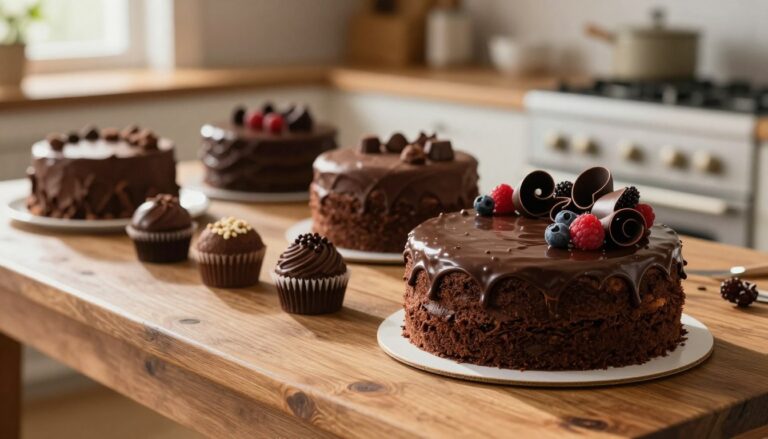
This recipe is perfect for beginners. It has a rich chocolate mousse on a moist cocoa sponge. The silky texture makes it feel like a pro dessert.
Refreshing fruit-infused layered entremets
A strawberry cheesecake entremet is great for learning to layer. It has a cake base, a tangy lemon cheesecake, and a strawberry mousse. It’s a perfect balance of acidity and sweetness.
Vanilla bean and berry delight
For a light and floral dessert, try this. It has a vanilla bean bavarian cream with a tart berry insert. The elegant presentation is perfect for dinner parties.
Hazelnut praline crunch entremet
This dessert is great for those who love texture. It has a crunchy praline base and a smooth hazelnut mousse. The contrast between the creamy and crispy elements is amazing.
Zesty lemon and white chocolate creation
This dessert ends with a bright, citrusy note. The white chocolate and lemon curd are a perfect pair. These simple pâtisserie recipes offer a variety of flavors to try.
No-Bake Entremet Recipes for Quick Results
Creating stunning, multi-layered treats doesn’t need hours of oven time. Focus on chilled, no-bake methods for quick, professional desserts. These quick entremet ideas let you play with flavors and textures, saving time in your busy life.
Advantages of no-bake pastry assembly
This method is super efficient. You skip baking sponges or biscuits, which need exact timing and temperature. Instead, use pre-made parts or simple chilled bases like cookie crusts.
It’s great for beginners who want to practice layering without baking stress. No-bake entremets ideas are forgiving, letting you adjust layers before setting. Your kitchen stays cool and easy to manage without heat.
Adapting recipes for gelatin-free options
Many pastries use gelatin for firmness. But, you can make no-bake entremet recipes gelatin-free with plant-based options. Agar-agar or pectin are good substitutes for a clean, professional set.
When using these, remember they set at different temperatures than gelatin. Whisk them well into your liquid base for a smooth texture. This makes your quick pastry recipes welcoming for everyone.
| Setting Agent | Source | Best Use | Setting Speed |
|---|---|---|---|
| Gelatin | Animal-based | Classic mousses | Moderate |
| Agar-Agar | Seaweed | Fruit jellies | Fast |
| Pectin | Fruit | Glazes/Fillings | Slow |
Tips for Perfect French Desserts Every Time
Want to make your home baking better? Focus on a few secrets from the pros. It’s not just about following a recipe. It’s about knowing the science behind your ingredients.
By using these tips for perfect french desserts, your desserts will look and taste better.
Temperature control and ingredient quality
Being precise is key for a great pastry chef. Use top-notch ingredients like high-fat butter and premium chocolate for the best taste. And remember, never skip the blooming process when working with gelatin.
Soften gelatin in cold water first. Then, dissolve it gently into your warm base. This step is crucial for a smooth texture in mousses and gelees.
- Use a digital scale for accurate measurements.
- Keep your workspace cool to prevent premature melting.
- Always check the temperature of your mixtures before folding in whipped cream.
Achieving the perfect shine on your glaze
A perfect, mirror-like finish is what you aim for. Pour your glaze at the right temperature, between 86°F and 95°F. If it’s too hot, it won’t stick; too cold, and it won’t spread evenly.
Make sure your entremet is frozen solid before glazing. This temperature difference helps the glaze set instantly. Follow these tips for perfect french desserts for a glossy finish like a Parisian bakery.
Consistency is key for that stunning shine. Always strain your glaze to remove air bubbles or undissolved particles. This step makes your dessert look as good as it tastes.
Common Mistakes to Avoid When Making Entremets
Ever wondered why your mousse collapsed or your glaze looked dull? You’re not alone. Even experienced bakers face challenges. Knowing the common mistakes to avoid is key to becoming a confident pastry maker. Understanding these pitfalls helps ensure your baking projects are successful and stress-free.
Troubleshooting sunken mousses
A sunken mousse often comes from over-mixing or aggressive folding. When adding whipped cream to the base, use a gentle folding motion to keep air bubbles. If your mousse doesn’t set, try chilling it longer or check your gelatin quality.
Fixing glaze consistency issues
A mirror-like finish is key for no-fail pastry desserts. Temperature is crucial. A too-thick glaze clumps, while a too-thin one slides off. Always check your glaze’s temperature with a thermometer, aiming for 85°F to 95°F.
Preventing condensation and texture loss
Condensation ruins a crisp dessert. To avoid moisture, don’t move your entremet from the freezer to a humid room. For more tips on stress-free dessert recipes, keep your textures perfect every time.
| Issue | Primary Cause | Quick Fix |
|---|---|---|
| Sunken Mousse | Over-folding | Use gentle spatula strokes |
| Dull Glaze | Wrong temperature | Reheat to 90°F |
| Texture Loss | Humidity/Condensation | Thaw in the refrigerator |
Conclusion
Making professional desserts at home is both fun and rewarding. It combines creativity with technical skills. You can now create complex desserts with just a pastry ring.
Start with a raspberry white chocolate entremet to practice. This cake shows that big projects can be broken down into smaller steps. Use top-quality white chocolate to make your vanilla flavors pop.
Your workspace affects your desserts. Serve them right away to keep the mousse fresh. Adding edible flower petals makes your desserts look stunning.
Don’t worry if you make mistakes. Each try teaches you something new about temperature and ingredients. Get your tools ready and start your next dessert project. Your loved ones will enjoy every bite of your creations.