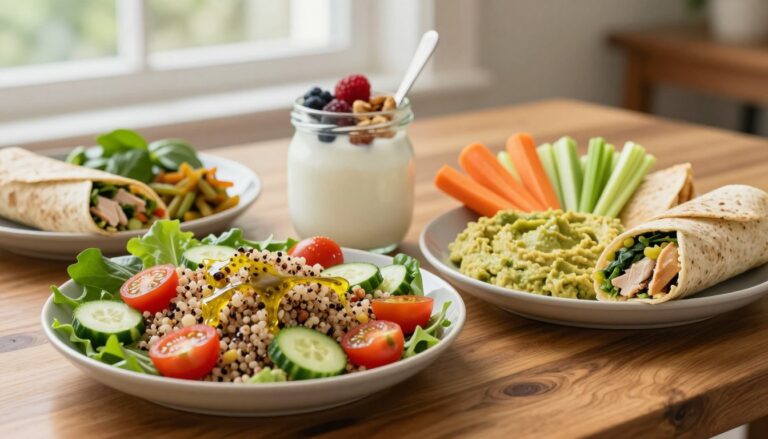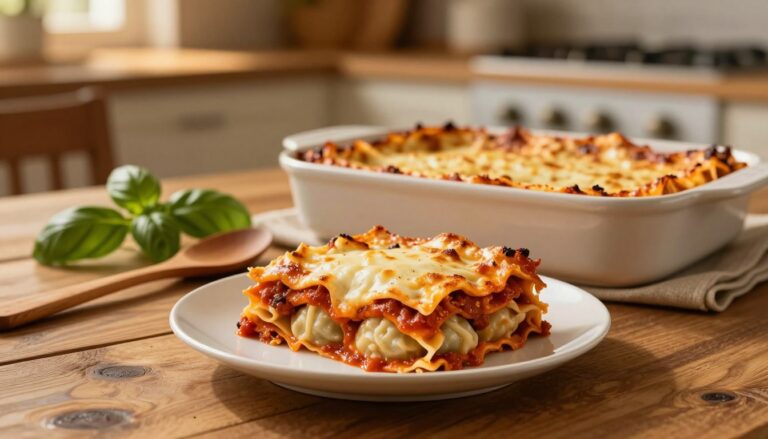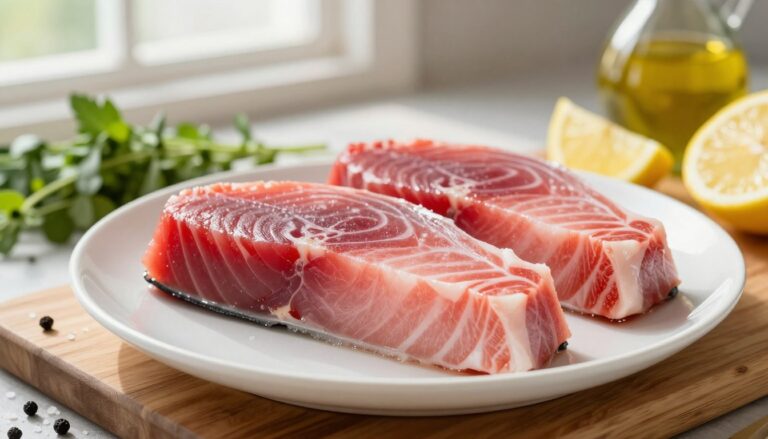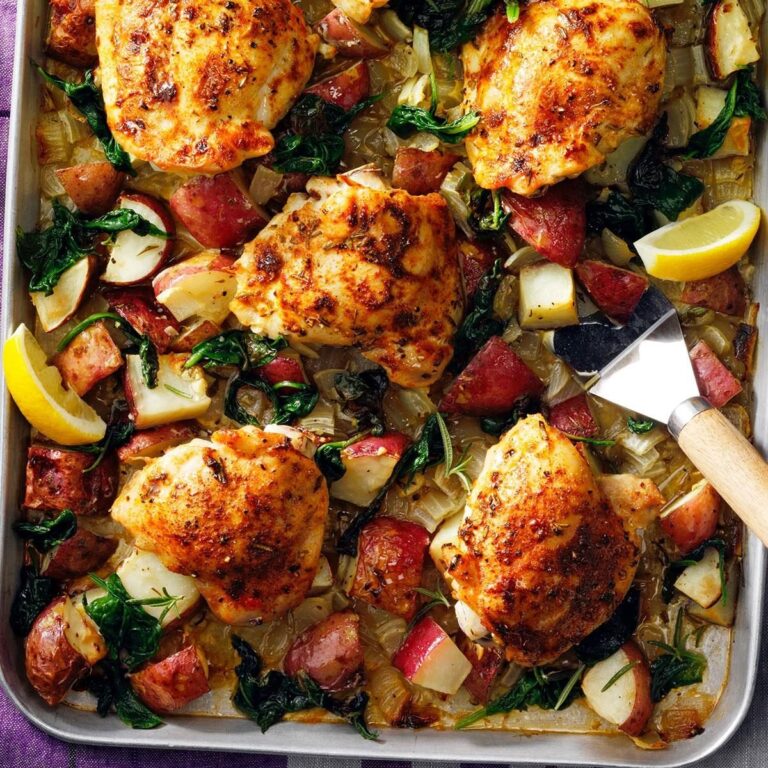
The Best Top 5 Tips for a Flavorful Easy Meal
Ever found yourself staring at the fridge at 5 p.m., feeling exhausted? Wondering what to make for dinner can be tough. These quick dinner recipes are here to help.
Creating a delicious and easy recipe shouldn’t be a hassle. With a few simple weeknight dinners, you can make cooking enjoyable. You don’t have to spend hours in the kitchen.
Need some ideas? Check out these dinner recipes when you don’t know what to cook. We’ve got the top five easy cooking tips to make dinner time easier. Let’s explore how to make your life simpler while keeping your meals tasty.
Key Takeaways
- Focus on pantry staples to reduce your grocery store trips.
- Use high-impact aromatics like chili crisp or sesame oil for instant depth.
- Prioritize one-pan or one-pot methods to minimize cleanup time.
- Keep a list of go-to proteins that cook in under twenty minutes.
- Incorporate fresh toppings like lime or cilantro to brighten any dish.
Mastering the Art of the Flavorful Easy Meal
To cook a truly flavorful easy meal, it’s key to grasp flavor profiles and how to use them well.
Flavor profiles mix different tastes to create a balanced flavor. Knowing and mastering these profiles can make your meals more delicious and varied.
Different cuisines have their own unique flavor profiles. For example, Italian food often uses Mediterranean flavors like olive oil, garlic, and herbs like basil and oregano.
To use flavor profiles in your cooking, first pick the cuisine or flavor you want. Then, choose ingredients that match that flavor. For a spicy Southwestern taste, use jalapenos, cumin, and cilantro.
| Flavor Profile | Key Ingredients |
|---|---|
| Mediterranean | Olive oil, garlic, lemon, oregano |
| Spicy Southwestern | Jalapenos, cumin, cilantro, lime |
| Asian-Inspired | Soy sauce, ginger, garlic, sesame oil |
Using different flavor profiles in your cooking can make your meals more exciting. For more effortless cooking and family-friendly meals ideas, check out our About Us page. We can help you make flavorful dinner options easily.
Tip One: Elevate Your Base with Aromatics
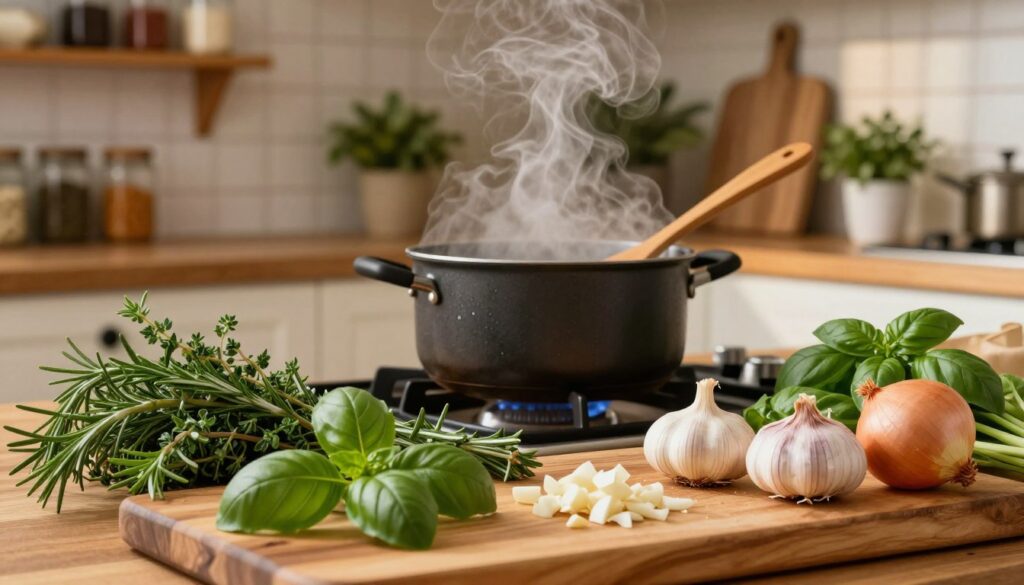
Aromatics are the heart of any great dish. Learning to use them well is key to making meals more flavorful. By adding the right aromatics, you can turn simple recipes into something amazing.
The Power of the Holy Trinity
The “holy trinity” of cooking includes onions, carrots, and celery. These three are the base of many classic dishes. They add a depth of flavor that’s hard to beat. For example, the Chicken Rice Bowl Recipe uses these aromatics to create its rich taste.
To use the holy trinity well, finely chop them. This ensures they cook evenly and release their flavors.
Sautéing Techniques for Maximum Depth
Sautéing quickly cooks ingredients in a pan with a bit of oil. For aromatics, aim to sauté them until they’re soft and fragrant. This releases their natural oils and boosts their flavors.
To get the most flavor, sauté over medium heat. This gentle heat prevents burning. Stirring occasionally helps the aromatics cook evenly.
| Aromatic | Preparation Tip | Flavor Profile |
|---|---|---|
| Onions | Chop finely to caramelize evenly | Sweet and savory |
| Carrots | Grate for quicker cooking | Subtly sweet |
| Celery | Slice thinly for better texture | Fresh and herbal |
Mastering sautéing aromatics and the holy trinity can greatly improve your meals. It makes them more enjoyable and satisfying.
Tip Two: Utilize High-Impact Pantry Staples
The secret to quick tasty meals is using the right pantry staples. High-impact ingredients can make your dishes taste better. This tip focuses on acidic ingredients and umami boosters.
The Magic of Acidic Ingredients
Acidic ingredients balance flavors and add brightness to meals. They can turn a dull dish into a vibrant one. Common acidic pantry staples include vinegar, citrus juice, and tomatoes.
For example, apple cider vinegar in braising liquid makes meat tender and tangy. Fresh lemon juice on roasted vegetables brightens their taste.
| Acidic Ingredient | Usage | Flavor Profile |
|---|---|---|
| Apple Cider Vinegar | Braising liquids, salad dressings | Fruity, tangy |
| Balsamic Vinegar | Salad dressings, glazes | Sweet, rich, tangy |
| Lemon Juice | Roasted vegetables, marinades | Bright, citrusy |
Umami Boosters You Should Always Keep Stocked
Umami is the fifth taste, adding depth to dishes. Common umami-rich pantry staples include soy sauce, miso paste, dried mushrooms, and fish sauce.
A teaspoon of soy sauce can deepen stir-fries. A spoonful of miso paste can enrich soups and sauces. Try quick dinner ideas with these umami boosters for tasty meals.
By using these pantry staples, you can make simple delicious food. Experiment with different combinations to find what works best for you. Enjoy the process of making your meals better.
Tip Three: Master the Technique of Proper Seasoning
Learning how to season food right is key to making great dishes. It turns simple meals into something special. By knowing how to use salt, herbs, and spices, you can make quick and easy flavorful meals for beginners that wow everyone.
Seasoning is more than just salt and pepper. It’s an art that lets you understand how ingredients work together. When done right, it brings out the best in your food, making it taste amazing.
Understanding Salt and Its Role in Flavor
Salt is essential for seasoning. It does more than just add saltiness. It also improves flavors, textures, and smells, making it crucial in cooking. To improve taste in cooking, learning how to use salt well is important.
Choosing the right salt and when to add it can change your dish a lot. Kosher and sea salt have different tastes and textures than table salt. Adding salt at different times can also affect your dish’s flavor.
When to Add Herbs and Spices
Herbs and spices are the secret to making food taste great. Knowing when to add them is key. Delicate herbs like basil and parsley should be added late to keep their flavor. Thicker herbs like thyme and rosemary can go in earlier to mix with other flavors.
Spices add depth and warmth to dishes. Whether it’s a stew or stir-fry, balancing your spices is important. This way, you can make easy cooking tips for busy people that taste amazing.
By getting good at seasoning, you can cook delicious meals with simple ingredients. This makes mealtime fun for you and your family.
Tip Four: Incorporate Fresh Herbs for Brightness
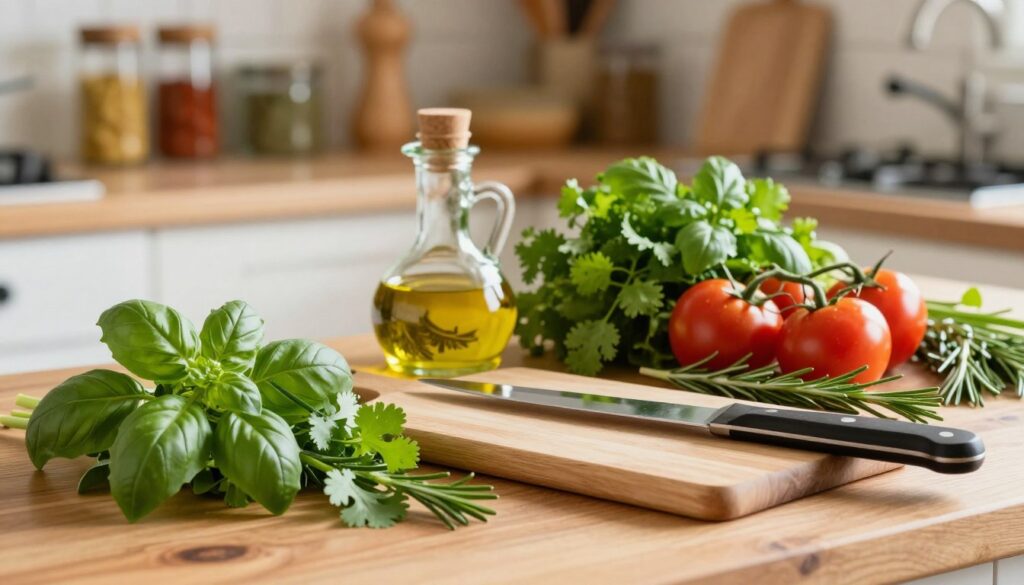
To make your meals better, add fresh herbs for a burst of flavor. They can make simple dinners taste amazing. The trick is knowing how to use them right.
Fresh herbs bring a special touch to food, making it more exciting. They’re key in many dishes, like Thai and Italian food. Chefs and home cooks love them for their unique taste.
Soft Herbs Versus Woody Herbs
Fresh herbs come in two types: soft and woody. Soft herbs, like basil and parsley, have soft leaves and a light taste. They’re great for salads and sauces.
Woody herbs, like rosemary and thyme, have a stronger taste and harder stems. They’re best for soups and roasted meats. Knowing the difference helps pick the right herb for your meal.
| Herb Type | Examples | Best Used In |
|---|---|---|
| Soft Herbs | Basil, Cilantro, Parsley | Salads, Sauces, Marinades |
| Woody Herbs | Rosemary, Thyme, Oregano | Soups, Stews, Roasted Meats |
How to Properly Store and Prep Fresh Greens
To keep fresh herbs fresh, store and prepare them right. For soft herbs, cut the stems and put them in water. Cover with a plastic bag to keep them moist. This keeps them fresh for days.
For woody herbs, wrap them in a damp paper towel and store in a sealed container. When ready, chop or bruise them to release their flavor.
Adding fresh herbs to your cooking boosts flavor and adds freshness. They’re perfect for simple weeknight dinners or new recipes. Fresh herbs elevate your cooking.
Tip Five: Embrace Texture to Enhance Perception
Texture is as key as taste in making a dish great. Mixing various textures can turn a simple meal into a feast for your senses. It makes eating more fun and engaging.
Texture brings depth and interest to your food. You can mix crunchy, creamy, soft, and toasted bits. For example, toasted nuts or seeds add a nice crunch to meat recipes. Creamy sauces, on the other hand, add richness and smoothness.
The Role of Crunch and Creaminess
Crunchy bits like toasted breadcrumbs or crispy veggies contrast well with soft foods. Creamy sauces or pureed veggies add a luxurious touch. Finding the right balance is crucial for a great meal.
A salad with crispy fried onions and creamy dressing is a hit. So is a creamy soup with crunchy croutons on top.
Balancing Soft Ingredients with Toasted Elements
Soft foods like pasta, mashed potatoes, or scrambled eggs get better with toasted bits. Toasting nuts, seeds, or bread adds a nice crunch. This contrast makes your dishes more enjoyable and looks good too.
Try pairing soft-cooked proteins with toasted veggies or crunchy toppings on comfort foods. This trick can turn simple easy flavorful recipes into fancy meals.
By playing with textures, you can make quick tasty meals that look and taste great. So, don’t hesitate to mix and match textures to enhance your meals.
Essential Kitchen Tools for Effortless Cooking
Effortless cooking starts with the right kitchen tools. The right tools can make a big difference in your cooking. They help you cook meals quickly and efficiently.
Whether you’re new to cooking or have lots of experience, the right gadgets are key. They make cooking easier and help you get better results.
Choosing the Right Pan for Searing
A good pan is essential in any kitchen. For searing, the right pan is crucial. A cast-iron or stainless steel pan is best because they keep heat well.
They help you get a nice crust on your food. Look for a pan that’s durable and has a heavy bottom for even heat.
Non-stick pans are great for delicate foods that might stick. But they’re not the best for high-heat searing. It’s smart to have both non-stick and stainless steel or cast-iron pans.
Time-Saving Gadgets That Actually Work
In today’s fast world, time-saving gadgets are a must. The Instant Pot or a pressure cooker can cut cooking time for many dishes. A food processor can chop, slice, and puree ingredients fast, saving prep time.
Other gadgets like electric kettles for quick boiling, immersion blenders for soups and sauces, and stand mixers for baking are also helpful. These tools save time and make cooking more fun and less hard work.
Investing in the right kitchen tools can make cooking better and more fun. By picking the right pan and using time-saving gadgets, you’ll cook effortlessly.
Adapting Simple Recipes for Family-Friendly Meals
You can make simple recipes into tasty meals for your family. Just tweak the flavors and amounts to fit your family’s taste and size.
Mealtime can be tough with different tastes and diets. Customizing flavors is key to making sure everyone likes their food. For picky eaters, start with a basic recipe and adjust it to their liking.
Customizing Flavors for Picky Eaters
Offering choices in a meal helps with picky eaters. For example, a BBQ Pork Skillet can be a base with various toppings. Find more healthy dinner ideas to adapt for your family.
Involve your family in cooking. Let them help with planning or prep. This can make them more eager to try new foods.
Scaling Ingredients for Larger Groups
Scaling ingredients is crucial for big groups. Increase amounts proportionally but watch cooking time and vessel size. Doubling a recipe might need a bigger pan and longer cooking time.
Organize recipes for easy scaling. This saves time and stress when cooking for many.
These tips help make easy meal ideas that everyone will enjoy. Whether it’s a few or many, being able to adjust recipes is essential for a successful meal.
Common Mistakes That Dull Your Dishes
To make dishes that taste great, avoid mistakes that can make them dull. Even skilled cooks can fall into bad habits. These habits can hurt the taste and quality of your meals. By knowing and avoiding these errors, you can improve your cooking and make your dishes more enjoyable.
Avoiding Overcrowding the Pan
One big mistake in cooking is overcrowding the pan. Adding too much food at once can make it steam instead of sear. This results in a less tasty dish. To fix this, cook in batches if needed. This way, each piece of food can cook evenly.
By giving your ingredients space, you help them brown properly. Browning is key for developing flavors. Whether you’re cooking proteins, veggies, or both, enough room in the pan makes a big difference.
The Dangers of Under-Seasoning Early
Another big mistake is under-seasoning your food early. Seasoning is more than just adding salt and pepper at the end. It’s about adding layers of flavor throughout cooking. If you don’t season enough at the start, your dish might end up bland, no matter how much seasoning you add later.
To avoid this, taste your food often as you cook and adjust the seasoning. This ensures your dish is balanced and flavorful. For more tips on avoiding kitchen mistakes, check out this resource.
By being careful of these mistakes and avoiding them, you can get better at cooking. You’ll make flavorful easy recipes that everyone will enjoy. The secret to quick dinner recipes that taste good is in the details and being ready to adjust your methods.
Conclusion
By following these top 5 tips, you’ll make your meals more flavorful. You’ll learn to use aromatics, pantry staples, and fresh herbs. This will greatly improve your quick dinner recipes.
These tips will help you make delicious meals easily. The secret is to keep it simple and try new things. This way, you’ll enjoy making tasty meals that everyone will love.
As you get better at cooking, making tasty meals will become second nature. So, start cooking today. Your taste buds will thank you for the effort.