The Best Easy Ratatouille Recipe
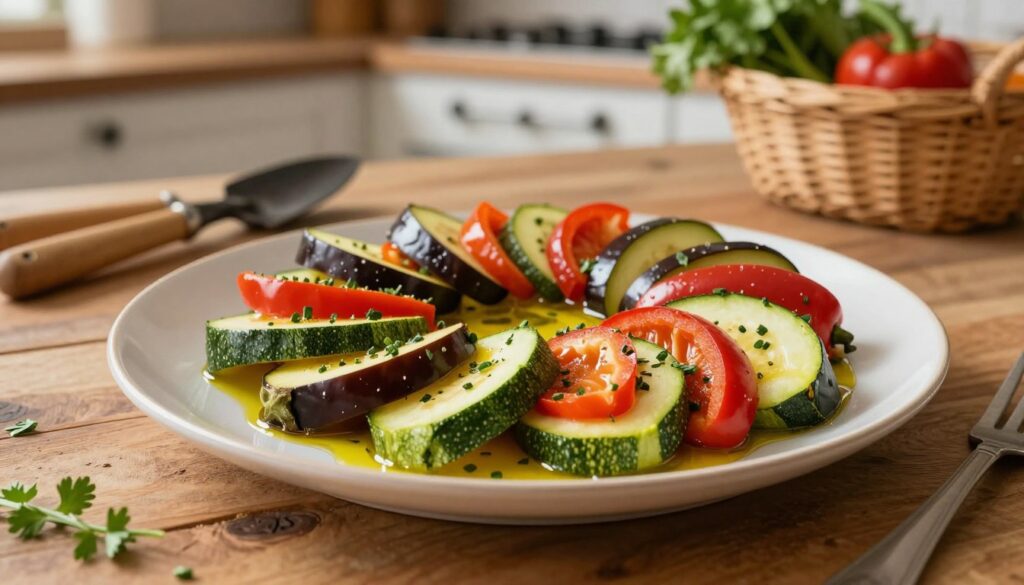
Imagine sitting on a sun-drenched porch as the golden hour glows around you. You can almost smell the fragrant herbs and simmering garden vegetables drifting from the kitchen.
You want a meal that feels like a warm hug from a dear friend. This easy meal provides the perfect culinary inspiration for your next quiet evening.
We combine fresh eggplant, zucchini, and yellow squash into one vibrant pot. Sweet bell peppers add a lively crunch to the simmering tomato sauce.
It is a nutritious and filling meal for any summer night. Our method simplifies the authentic preparation for modern kitchens without losing any depth.
You get the classic flavor without the long wait usually required. Cooking this homemade meal is a joy for the senses and your health.
Key Takeaways
- Features fresh eggplant, zucchini, and yellow squash.
- Uses a lively and savory tomato sauce base.
- Inspired by authentic Provencal flavors and traditions.
- Provides a classic taste with a much quicker method.
- Delivers homemade goodness in every nutritious bite.
- Perfect for using up vibrant summer garden produce.
What Is Ratatouille and Why You’ll Love This Classic French Dish
You might know it from the movies, but a real French ratatouille is a rustic masterpiece that belongs on your dinner table. This dish originated in the Provence region of France, in the sunny city of Nice. It started as a humble meal for farmers to use up their late-summer harvests.
Today, this traditional ratatouille is a global symbol of Mediterranean cooking. It’s a thick, hearty stew made by simmering fresh vegetables in high-quality olive oil. You use eggplant, tomatoes, onions, bell peppers, zucchini, and garlic to create its deep, savory flavor.
The beauty of this vegetable ratatouille lies in the slow cooking process. As the ingredients simmer together, they soften and release their natural sugars. This creates a rich sauce that coats every piece of produce without the need for heavy creams or fats.
You will quickly find that healthy ratatouille is one of the most nutritious meals you can prepare. It is packed with fiber, vitamins, and antioxidants from the variety of colorful plants used. Because it is naturally vegan and gluten-free, it is a great option for guests with different dietary needs.
“Ratatouille is a dish that tastes like the summer sun has been captured in a single pot.”
One reason you will adore this delicious ratatouille is its incredible versatility. You can serve it hot as a main course or cold as a refreshing appetizer on crusty bread. It even tastes better the next day after the flavors have had time to fully meld together.
Whether you are a beginner or a seasoned chef, this French ratatouille is easy to master. It celebrates the simplicity of fresh ingredients and the joy of slow cooking. You will love how this healthy ratatouille fills your kitchen with the aromatic scents of garlic and Provencal herbs.
Every spoonful of this delicious ratatouille offers a soft, melt-in-your-mouth texture. It is truly the ultimate comfort food for anyone who loves fresh produce. This vegetable ratatouille proves that simple ingredients can create a world-class dining experience in your own home.
| Key Ingredient | Flavor Contribution | Nutritional Benefit |
|---|---|---|
| Eggplant | Earthiness and creamy texture | High in fiber and antioxidants |
| Zucchini | Mild sweetness and moisture | Rich in Vitamin A and C |
| Bell Peppers | Bright color and slight crunch | Excellent source of Vitamin B6 |
| Tomatoes | Acidity and savory base sauce | High in Lycopene and Potassium |
Why This Is the Best Ratatouille Recipe You’ll Ever Try
This version of the classic French dish is special. It’s packed with summer veggie goodness. You’ll find eggplant, zucchini, yellow squash, and sweet bell peppers in a perfect tomato sauce.
Many recipes make things too hard. But we focus on fresh ingredients. This way, you get a meal that tastes like a pro chef made it, with just a few steps.
Authentic French Flavor Made Simple
Bringing France to your home is easy. This traditional ratatouille uses quality produce and slow cooking for its taste. The veggies’ juices mix to create a rich, savory base.
This guide is easy for anyone to follow. You need just a few ingredients to get an authentic result every time. It’s a stress-free way to enjoy a gourmet meal.
Packed with Healthy Mediterranean Vegetables
This French vegetable stew is a key part of the Mediterranean diet. It’s full of vitamins and fiber, but low in calories. It’s a healthy choice that fills you up.
The peppers add antioxidants, and the olive oil is good for your heart. Every bite is a wholesome experience that gives you clean energy. Fresh, sun-ripened veggies make a big difference in your health.
Perfect for Vegan and Vegetarian Diets
Finding a hearty main course for a plant-based diet can be hard. This classic ratatouille recipe is made from natural ingredients. It’s gluten-free and dairy-free, making it safe and tasty for almost anyone.
The eggplant’s meaty texture makes it great for meat-eaters too. You can serve it as a main dish or a side. Everyone will love the vibrant colors and bold flavors of this plant-based dish.
| Feature | Benefit | Key Ingredient |
|---|---|---|
| Simple Prep | Saves you time in the kitchen | Zucchini and Squash |
| Rich Texture | Provides a satisfying, meaty feel | Fresh Eggplant |
| Bold Color | Creates a beautiful presentation | Sweet Bell Peppers |
| Savory Base | Ties all the flavors together | Lively Tomato Sauce |
Ingredients You Need for Easy Ratatouille Recipe
Before you start cooking, let’s look at the simple, healthy ingredients for this French classic. You don’t need fancy tools or rare finds to make a healthy vegetable recipe that tastes like it came from a professional bistro.
This dish is simple yet vibrant. High-quality produce makes every bite sweet and savory. Freshness is your best friend when preparing this meal for your family or friends.
The Best Vegetables for Ratatouille
Eggplant is the star, offering a meaty texture. Choose firm, shiny eggplants for less bitterness.
Zucchini and yellow squash add color and a mild flavor. They’re light, nutritious, and cook quickly.
Bell peppers, onions, and garlic create a wonderful aroma. Use ripe, red tomatoes for a sweet sauce.
Essential Herbs and Seasonings
Herbs are the soul of this dish, giving it a French countryside aroma. Oregano and thyme are key for the authentic flavor of Provence.
“The secret of French cooking is simple: use the best herbs you can find and let them speak for themselves.”
Salt and black pepper enhance each vegetable’s flavor. Seasoning at every stage ensures a delicious result in your quick ratatouille recipe.
Quality Olive Oil Makes a Difference
Extra virgin olive oil binds the flavors together. It adds a silky texture and a peppery finish.
For a Mediterranean diet recipe, quality olive oil is crucial. Strong, cold-pressed olive oil adds luxury to your vegan ratatouille.
| Ingredient | Quantity | Key Benefit |
|---|---|---|
| Eggplant | 1 Medium | Provides a meaty, hearty texture |
| Zucchini | 2 Small | Adds mild sweetness and color |
| Bell Peppers | 2 Large | Creates a sweet, aromatic base |
| Olive Oil | 1/4 Cup | Enhances flavor and adds healthy fats |
| Fresh Thyme | 2 Sprigs | Delivers authentic French aroma |
Kitchen Equipment and Tools for Making Homemade Ratatouille
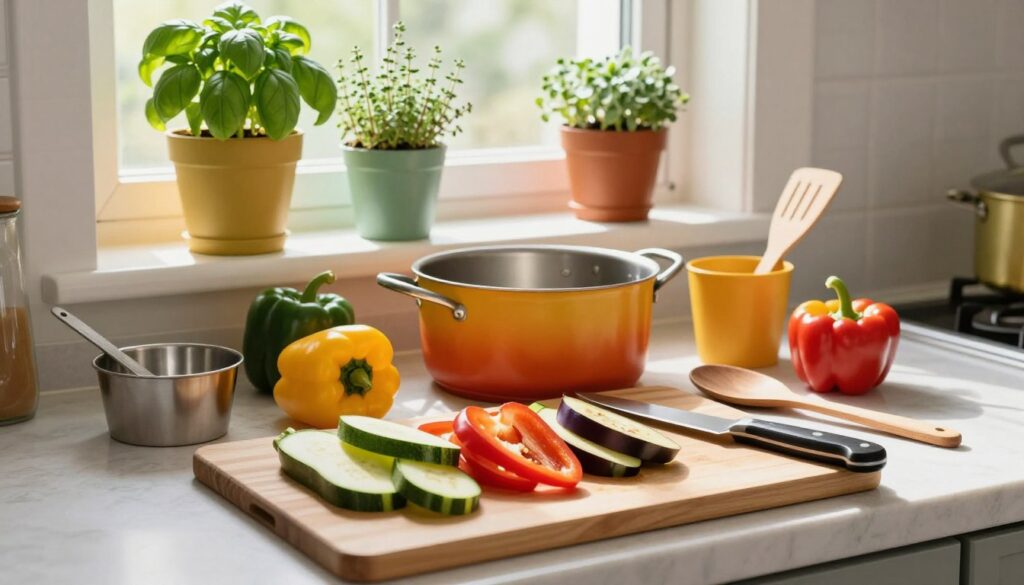
Having the right tools makes learning how to make easy ratatouille step by step easier. You’ll need a sharp chef’s knife and a sturdy cutting board for the Mediterranean veggies. Precision is key for even cooking and a beautiful dish.
A high-quality Dutch oven or large saucepan is key for simmering flavors. For a different texture, try baked ratatouille in a cast iron. These pans heat evenly, perfect for an authentic French ratatouille recipe easy for any night.
Have a large bowl ready for your sliced veggies. Organization is key for a quick and healthy ratatouille recipe. The right tools ensure veggies cook just right, without mush.
“Good equipment is the foundation of every great meal, allowing the fresh ingredients to truly shine.”
Investing in basic tools saves time and boosts flavor. Good equipment makes cooking a joy, not a task. Keep your workspace clean and tools ready before starting.
| Tool Name | Primary Purpose | Why It Matters |
|---|---|---|
| Chef’s Knife | Slicing vegetables | Ensures uniform pieces for even cooking |
| Dutch Oven | Slow simmering | Retains heat to develop deep flavors |
| Large Bowl | Ingredient prep | Keeps your workspace organized and clean |
| Cutting Board | Surface protection | Provides a safe and stable area for chopping |
How to Prepare Your Vegetables for Traditional Ratatouille
Getting your vegetables ready is key to making a delicious ratatouille. You want each bite to be tender and full of flavor. Start by picking firm, glossy produce at your local market.
Using high-quality ingredients makes your easy vegan ratatouille recipe taste like a gourmet dish. Wash and dry everything well before cutting. Freshness is the foundation of this classic dish.
Proper Cutting Techniques for Even Cooking
Try to cut your vegetables into bite-sized pieces that are roughly the same size. This ensures they cook evenly. It prevents some from getting mushy while others stay crunchy.
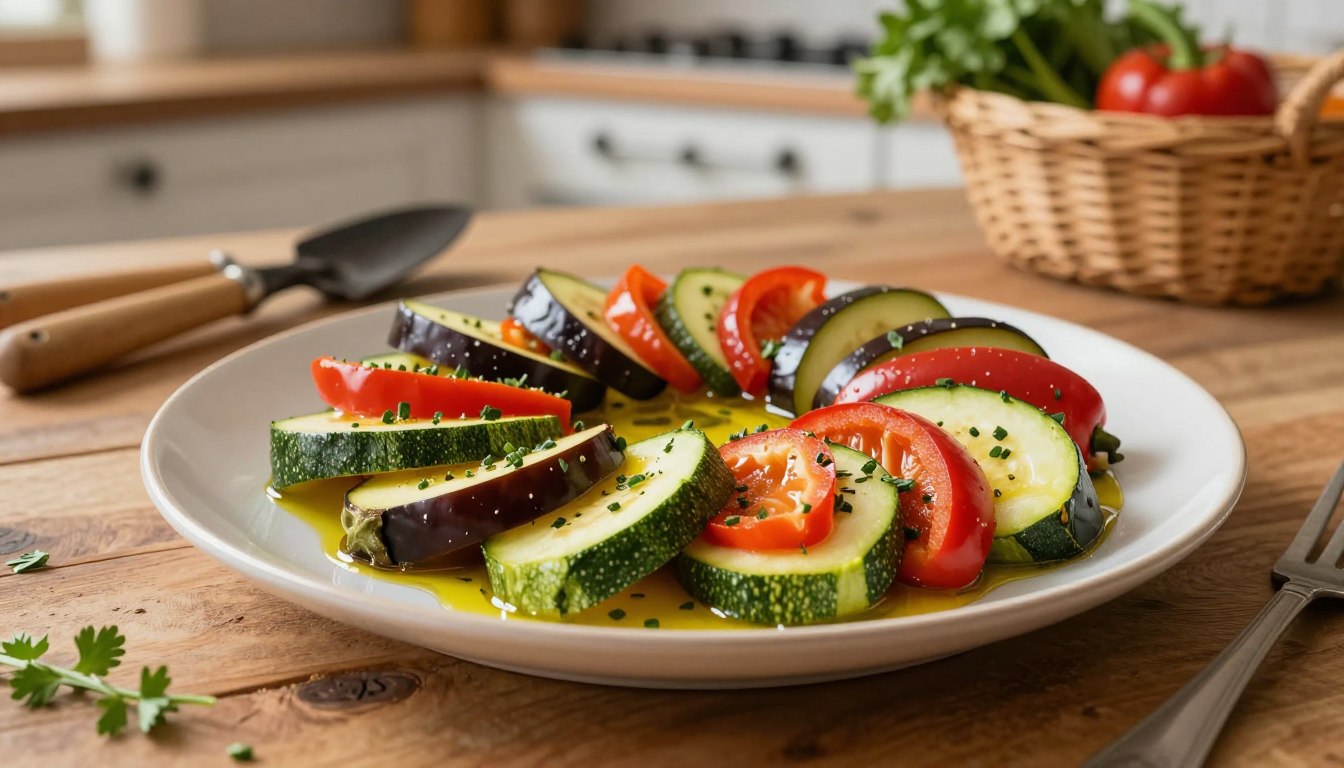
For a ratatouille recipe oven or stovetop, consistent slicing is crucial. For a rustic look, use large cubes. For a more elegant presentation, try thin, circular rounds.
Should You Peel Your Eggplant and Zucchini
Most chefs say to leave the skins on your eggplant and zucchini. The skins add a beautiful contrast of colors and help the vegetables hold their shape. They also make the dish look more appealing.
If the eggplant skin is thick or tough, you can peel away strips to create a zebra pattern. This makes it easier to chew. But for a truly make classic ratatouille recipe experience, keeping the skins intact is usually best.
Salting Eggplant to Remove Bitterness
Eggplants can sometimes taste slightly bitter, which is more common in older ones. To fix this, sprinkle your cubed eggplant with a generous amount of salt. Let the pieces sit in a colander for about 20 to 30 minutes.
As the salt draws out the bitter juices, you’ll see small beads of water forming on the surface. After the time is up, rinse the eggplant under cold water and pat it dry with a paper towel. This simple step ensures your best vegetables for ratatouille stay sweet and savory.
| Vegetable | Preparation Action | Primary Goal |
|---|---|---|
| Eggplant | Salt and rinse | Remove bitterness |
| Zucchini | Slice into uniform rounds | Ensure even cooking |
| Bell Peppers | Remove seeds and dice | Add sweetness and color |
| Tomatoes | Core and chop | Create the sauce base |
Step-by-Step Instructions for Classic Ratatouille Recipe
Now that your vegetables are prepped, it’s time to start cooking. The smell of garlic and herbs will fill your kitchen. This makes sure each vegetable stays fresh and flavorful.
Making this healthy low calorie ratatouille recipe needs patience and care. Follow these steps to turn your raw ingredients into a delicious stew. The order of adding vegetables is key for the right texture.
Sautéing the Aromatics
Heat a lot of olive oil in a big pot over medium heat. Add diced onions and a bit of salt to help them soften. Cook them until they’re soft and translucent, about five to seven minutes.
Then, add the bell peppers and minced garlic. Cook until the peppers are a bit soft and the garlic smells good. Be careful not to burn the garlic, as it can make the stew bitter.
Layering Your Vegetables Properly
Layering the vegetables right is crucial for this ratatouille recipe for beginners. Start with eggplant cubes because they take the longest to cook. Stir them well to coat them in the oil and onion mixture.
After the eggplant is soft, add the zucchini and yellow squash. They cook faster and release more water, so add them later. Then, add your fresh tomatoes or tomato purée to make the stew’s liquid base.
Simmering to Perfection
Lower the heat to a gentle simmer and cover the pot. This slow cooking lets the vegetables blend their juices. Stir the mixture now and then to prevent sticking.
| Cooking Phase | Time Estimate | Heat Setting |
|---|---|---|
| Aromatic Base | 8-10 Minutes | Medium |
| Primary Vegetables | 15-20 Minutes | Medium-Low |
| Final Simmer | 20-30 Minutes | Low |
How to Know When Your Ratatouille Is Done
Your healthy low calorie ratatouille recipe is done when the vegetables are tender but still firm. The sauce should be thick and rich. Taste a piece of eggplant; it should feel soft and buttery.
“The secret to a great ratatouille is to cook the vegetables until they lose their individual identity and become a single, delicious entity.”
If you want a thicker sauce, remove the lid for the last ten minutes. This lets excess moisture evaporate, making the flavors stronger. This ratatouille recipe for beginners is easy to follow, so trust your senses at the end.
Once the stew is the right consistency, turn off the heat. Let it sit for a few minutes before serving. This simple Mediterranean vegetable dish tastes even better the next day!
Ratatouille Recipe Oven or Stovetop: Choosing Your Cooking Method
Choosing the right heat source is crucial for a great simple Mediterranean vegetable dish. You can cook your meal on the ratatouille recipe oven or stovetop. Both ways result in a healthy, vibrant dish celebrating summer produce.
Both methods produce amazing results, but they differ in texture and time. Your choice might depend on your schedule or the look you want for your guests.
Traditional Stovetop Method
The stovetop method is classic for building deep flavors. Start by sautéing each vegetable separately to keep their juices and structure. It’s a great ratatouille recipe for beginners because you can adjust the seasoning as you go.
This method makes the vegetables blend together beautifully. You control the sauce’s thickness, making it just right. It feels like a true labor of love as you stir and watch the colors deepen.
Baked Ratatouille in the Oven
Baking your vegetables creates a stunning presentation. Arrange thin slices in a spiral pattern for a beautiful effect. If you love one-pan dinner recipes for easy cleanup, the oven method is perfect.
The oven’s dry heat roasts the vegetables, enhancing their natural sugars and adding a char. This method requires less stirring, letting you multitask while the oven works. You get a dish that’s both tender and visually stunning.
Quick Ratatouille Recipe for Busy Weeknights
For a quick, healthy meal, cut your vegetables into small cubes. This speeds up cooking, getting dinner ready in under thirty minutes.
Using high-heat sauté keeps the vegetables firm and fresh. This quick ratatouille recipe for beginners shows healthy eating doesn’t have to take hours. You get all the nutrients and flavors of the classic version with less effort.
| Cooking Method | Main Benefit | Ideal Texture | Total Time |
|---|---|---|---|
| Stovetop | Maximum flavor control | Silky and stew-like | 45-60 Minutes |
| Oven | Beautiful presentation | Tender with crisp edges | 60-90 Minutes |
| Quick | Speed and convenience | Firm and fresh | 20-30 Minutes |
Expert Tips for Making Delicious Ratatouille Every Time
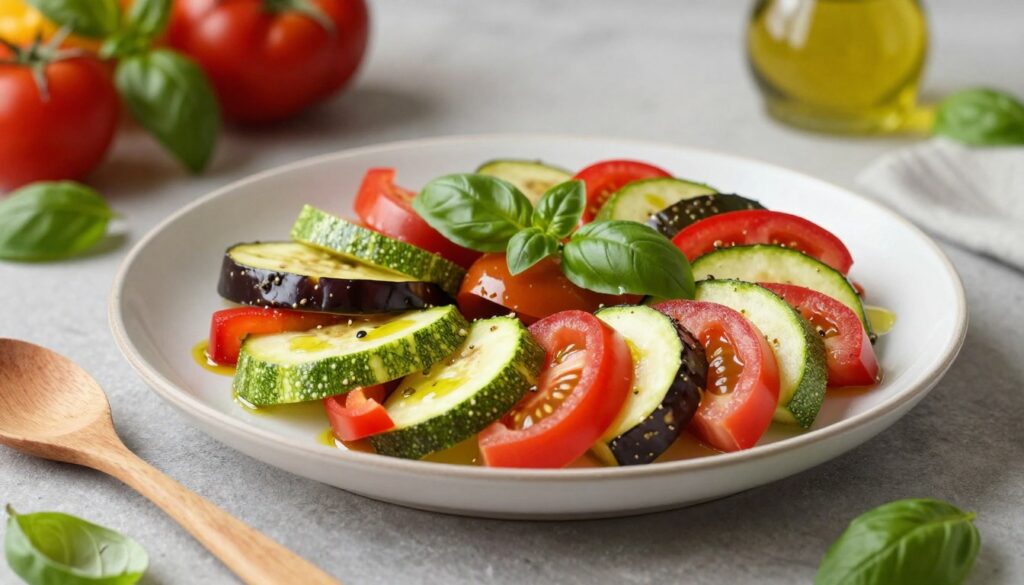
To make a healthy low calorie ratatouille recipe every time, follow these tips. It’s not hard if you focus on the basics.
Choose the best eggplants and zucchinis. They should be firm and heavy for their size. This means they have the best flavor and moisture.
Start with fresh, high-quality ingredients. This is key for a simple Mediterranean vegetable dish. Good ingredients need little seasoning to taste amazing.
Patience is key in cooking. Cook the vegetables slowly to bring out their natural sweetness. This creates a deep flavor.
For a ratatouille recipe for beginners, don’t rush. Slow simmering helps the juices thicken naturally. This prevents burning the bottom.
Taste your food often as it cooks. A little salt at different times builds layers of flavor. This makes the dish taste better, not just salty.
Let the dish rest before serving. The flavors will meld and improve. This makes the leftovers even better the next day.
| Tip Category | Expert Advice | Expected Result |
|---|---|---|
| Ingredient Choice | Use seasonal, firm vegetables | Better texture and natural sweetness |
| Cooking Speed | Simmer slowly on low heat | Rich, concentrated vegetable flavors |
| Seasoning | Add salt in small layers | Balanced and savory taste profile |
| Final Touch | Let it rest for 10 minutes | Harmonized and deep flavor profile |
How to Serve Your French Vegetable Stew
Now that you’ve mastered this simple Mediterranean vegetable dish, let’s explore the best ways to enjoy it. This stew is incredibly versatile and works well for many different occasions. You can serve it hot right off the stove, warm at room temperature, or even cold the next day.
The flavors often deepen after sitting, making it a fantastic make-ahead meal for your family. Whether you want a light lunch or a fancy dinner, your presentation makes a big difference. Plating your food with care helps bring the rustic charm of Provence right into your kitchen.
Best Side Dishes and Pairings
A crusty baguette is perhaps the most traditional partner for this meal. You can use the bread to soak up every drop of the flavorful tomato and herb sauce. It ensures that nothing goes to waste on your plate while adding a satisfying crunch.
For a heartier meal, try serving the stew over a bed of fluffy white rice or couscous. These grains absorb the juices perfectly and create a very filling base. If you want a more rustic feel, creamy polenta or mashed potatoes also make excellent pairings for this ratatouille recipe for beginners.
Serving Ratatouille as a Main Course
While many see it as a side, this healthy low calorie ratatouille recipe can easily take center stage. You can top a large bowl of the vegetables with a poached or fried egg. The creamy yolk adds a rich layer that balances the natural acidity of the tomatoes.
Another great option is to mix in some cooked chickpeas or white beans for added protein. This keeps the meal vegan while making it much more substantial for hungry guests. You might also layer the vegetables over your favorite pasta for a quick and satisfying weeknight dinner.
Wine Pairings for Your Mediterranean Dish
Choosing the right wine can elevate your dining experience significantly. Since this is a ratatouille recipe for beginners, you do not need to be an expert to find a good match. A crisp, chilled Rosé from Provence is the most authentic choice for this French classic.
If you prefer red wine, look for something light and fruity like a Pinot Noir or a Grenache. These wines will not overpower the delicate flavors of the summer squash and eggplant. Avoid heavy, tannic reds that might clash with the natural sweetness of this simple Mediterranean vegetable dish.
“Ratatouille is a dish that tastes like the sun, specially when you share it with friends and a good glass of wine.”
To help you plan your next meal, here is a quick guide to the best pairings for your healthy low calorie ratatouille recipe.
| Pairing Type | Best Suggestion | Why It Works |
|---|---|---|
| Classic Bread | French Baguette | Perfect for soaking up the savory sauce. |
| Hearty Grain | Creamy Polenta | Provides a smooth, comforting texture. |
| Protein Boost | Poached Egg | Adds richness and extra nutrients. |
| Ideal Wine | Dry Rosé | Balances the acidity and complements herbs. |
Storing and Reheating Your Healthy Ratatouille
After enjoying your simple Mediterranean vegetable dish, you might have leftovers. This meal gets even better with time, thanks to the herbs and juices. You’ll love how they blend in the fridge.
To keep your healthy low calorie ratatouille recipe fresh, cool it down first. Store it in an airtight container to keep moisture in and odors out. It stays good in the fridge for up to five days.
When you’re ready for more, you have two reheating options. This ratatouille recipe for beginners is easy to work with. Choose between the stovetop or oven based on your schedule.
For the stovetop, put the veggies in a pot or skillet. Heat them over medium-low heat while stirring gently. This method is quick and keeps the veggies tender.
“Ratatouille is often even better the next day when the vegetables have had time to fully absorb the garlic and herbs.”
For the oven, put the leftovers in a dish and cover it with foil. Heat at 350°F (175°C) for 15 to 20 minutes. This method is great for a bigger portion.
| Reheating Method | Ideal Duration | Best Used For | Heat Setting |
|---|---|---|---|
| Stovetop | 5-8 Minutes | Single servings | Medium-Low |
| Oven | 15-20 Minutes | Family portions | 350 Degrees |
| Microwave | 2-4 Minutes | Quick lunches | High Power |
Always make sure the dish is hot before serving. If the sauce is too thick, add a splash of water or broth. This helps keep your meal just right.
Common Mistakes to Avoid When Making Authentic Ratatouille
Even a simple Mediterranean vegetable dish can go wrong. Mistakes can mess up the texture. Following a ratatouille recipe for beginners is not enough. You need to watch the details closely.
Each vegetable should stand out while blending well with others. Avoiding common mistakes will help you make this healthy low calorie ratatouille recipe perfectly every time. Let’s explore the most common errors.
Overcrowding the Pan
One big mistake is cooking too many vegetables at once in a small pan. This lowers the pan’s temperature. The veggies steam instead of browning nicely.
To get the real flavor, cook your vegetables in batches. Patience is your best friend when making this stew. Make sure each piece of eggplant and zucchini has room to touch the pan.
Using Vegetables That Are Too Watery
Freshness is key for a simple Mediterranean vegetable dish. But moisture content is even more important. If your zucchini or eggplant is too wet, the stew will be thin and soggy. Choose firm, smaller vegetables with less water and fewer seeds.
If your produce is very juicy, try salting it first. This step removes excess liquid and makes the vegetables firmer. It keeps your healthy low calorie ratatouille recipe thick and hearty.
“Cooking is a subject you can never know enough about. There is always something new to discover.”
Not Seasoning Properly at Each Stage
Don’t wait to add salt, pepper, and herbs until the end. Seasoning at each step builds flavor. This makes a big difference between a bland dish and a great one.
When you follow a ratatouille recipe for beginners, remember salt helps bring out the sweetness in onions and peppers. Layering your seasonings creates a rich flavor. Always taste as you go to get the flavor just right.
| Common Mistake | Negative Result | Easy Solution |
|---|---|---|
| Overcrowding the pan | Soggy, steamed vegetables | Cook in small batches |
| Using old vegetables | Bitter taste and mushy texture | Use firm, fresh produce |
| Seasoning only at the end | Bland and flat flavor | Add salt at every stage |
| Skipping the sauté step | Lack of caramelized depth | Sauté aromatics thoroughly |
Conclusion
You now know how to make a healthy and tasty meal. This easy ratatouille recipe brings Mediterranean flavors to your kitchen. It’s a simple way to add fresh veggies to your diet and enjoy a French tradition.
The flavors blend beautifully after simmering. This recipe is great for all cooking levels.
Using an authentic ratatouille recipe lets you enjoy the natural sweetness of peppers and tomatoes. You can serve it at a fancy dinner or a quiet night at home. It goes well with crusty bread or a salad.
Choosing fresh ingredients from Whole Foods or your local market is key. Making homemade ratatouille is rewarding for any cook. It’s a colorful dish that impresses guests.
Many say this is the best ratatouille recipe for beginners. You only need basic kitchen tools to make it.
Put on your apron and enjoy the aromas in your home. Making homemade ratatouille will become a favorite hobby. Your friends will love it after one bite.
This classic ratatouille will make everyone happy at your table. You can serve it as a main dish or side. Try it with a glass of wine from E & J Gallo Winery for a complete experience.