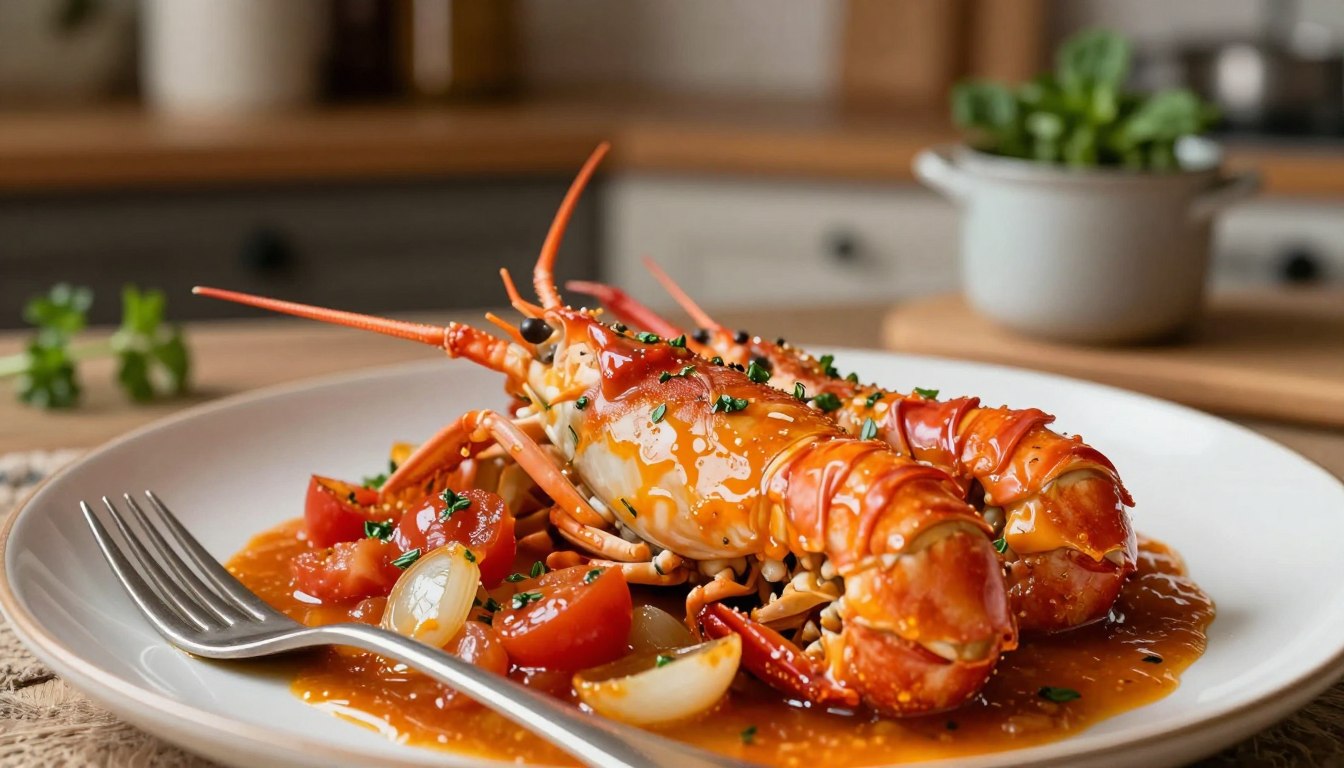
How to Make Langoustines à l’Américaine
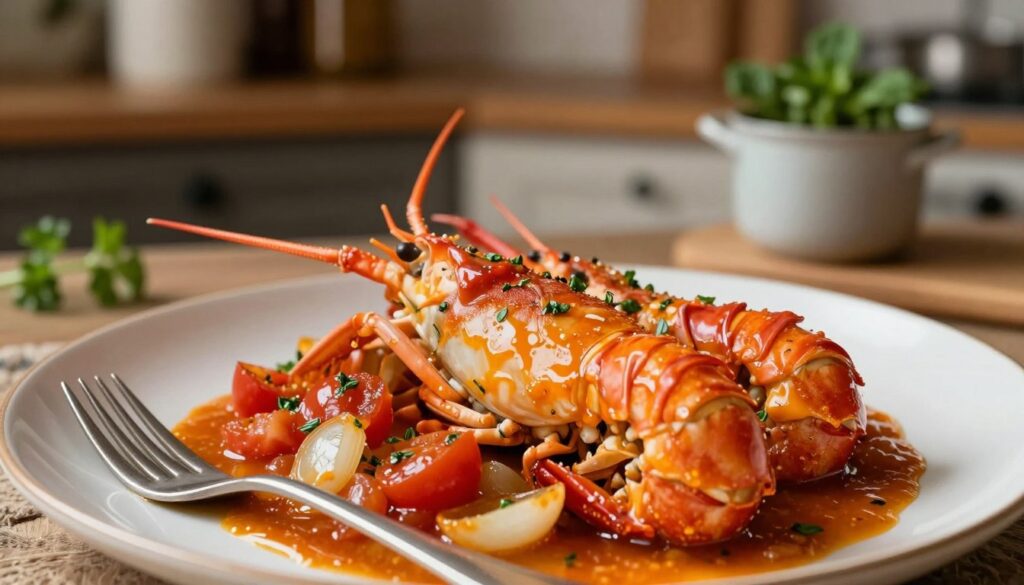
Ever had a meal that feels like a trip to a sunny French bistro? The magic of fresh seafood is unmatched. For many, a great langoustines recipe is the peak of cooking love and tradition.
This seafood dish is famous for its velvety, savory sauce. Despite its name, it’s a key part of French langoustine cuisine. You might also enjoy seafood a l’armoricaine, which has a similar coastal flavor.
Bringing this dish home might seem hard, but it’s a rewarding challenge. By learning to make the “Sauce Américaine,” you bring French history into your kitchen. Let’s dive into making this elegant langoustines à l’américaine with simple, quality ingredients and passion.
Key Takeaways
- Use fresh, high-quality seafood for the most authentic flavor.
- Master the classic “Sauce Américaine” base using a rich bisque.
- Incorporate a cognac flambé to add professional depth to the sauce.
- Serve the dish with fresh lemon slices and parsley for a bright finish.
- Follow a step-by-step guide to recreate restaurant-quality French food at home.
Discovering the Elegance of French Seafood Cuisine
French seafood is known for its elegance in the kitchen. It focuses on quality and refined techniques. French chefs treat each crustacean with great respect and care.
The key to a great dish is using langoustines ingredients that are fresh. Freshness is essential to capture the sea’s sweet flavor. You need the best seafood to make your meal authentic and vibrant.
Mastering a langoustines cooking method takes patience and a gentle touch. French cooking uses high heat for searing and slow simmering for sauces. This creates tender and rich flavors for your taste buds.
Proper langoustines preparation is more than just cleaning the shellfish. You must handle the shells carefully to get every flavor for the sauce. This detail is what makes French cooking sophisticated and unique.
Classic recipes like “Seafood à l’Armoricaine” blend land and sea beautifully. The aroma of simmering tomatoes, herbs, and spirits will fill your kitchen with luxury. You’re not just making dinner; you’re creating a memorable experience for your guests.
“French cooking is a matter of precision and passion combined into a single plate.”
To get that restaurant-quality result at home, remember these key points:
- Quality: Choose the freshest catch at your local market.
- Technique: Layer flavors slowly to build a complex taste profile.
- Presentation: Arrange your dish with color and balance in mind.
Understanding French seafood styles helps you appreciate the craft. The table below shows essential features of these elegant preparations.
| Feature | Standard Seafood Dish | French Elegance Style |
|---|---|---|
| Langoustines Ingredients | Basic herbs and butter | Cognac, wine, and fresh aromatics |
| Langoustines Cooking Method | Simple boiling or grilling | Flambéing and reduction simmering |
| Flavor Profile | Mild and straightforward | Complex, savory, and deeply aromatic |
What Is Langoustines à l’Américaine
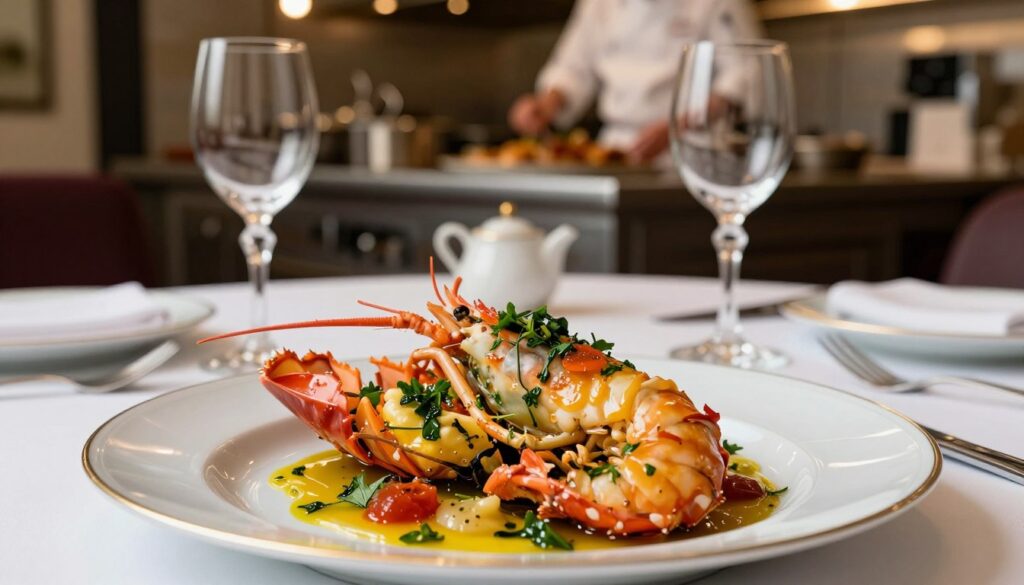
Langoustines à l’Américaine is a dish that shows luxury in a bowl. It combines tender shellfish with a rich sauce. The sauce is made from tomatoes, cognac, and white wine. This dish is a highlight of langoustines french cuisine.
This dish is more than food; it’s an experience. The sauce’s deep orange color matches the seafood’s delicate shells. Each bite is a mix of sweet and savory, making everyone want more.
Understanding Langoustines
Langoustines, also known as Norway lobsters or Dublin Bay prawns, are slim, orange-pink crustaceans. They look like tiny lobsters but have sweeter and more delicate meat. They live in the cold waters of the North Atlantic.
In a langoustines seafood recipe, the quality of the shellfish is key. Their shells are thinner than lobster shells, making them easier to handle but more fragile. They have a refined, silky texture that makes any meal special.
| Feature | Langoustines | Lobster | Shrimp |
|---|---|---|---|
| Flavor Profile | Sweet & Delicate | Rich & Briny | Mild & Sweet |
| Meat Texture | Soft & Silky | Firm & Meaty | Snap & Firm |
| Shell Thickness | Thin | Very Thick | Very Thin |
The Origins of Sauce Américaine
The sauce’s history is as rich as its taste. Chef Pierre Fraisse, who worked in Paris in the 1860s, is credited with its creation. He made it for late-night guests using what he had.
He mixed tomatoes, garlic, and cognac for a quick yet luxurious dish. Some say the name comes from “Armorica,” the ancient name for Brittany. But the American connection is the most popular story in french seafood recipe langoustines history.
“The sauce is the soul of the dish, transforming simple ingredients into a masterpiece of French culinary art.”
Why This Dish Deserves a Place in Your Recipe Collection
Adding this dish to your cooking is a big step up. It teaches you to balance strong flavors with delicate proteins. You’ll learn how to flambé and achieve a perfect reduction.
Try this langoustines seafood recipe for its stunning look. The sauce can also be used with other seafood, making it a versatile skill. It brings a taste of Parisian bistro culture to your kitchen.
This french seafood recipe langoustines is surprisingly easy once you understand it. It shows your friends you value fine ingredients and traditional cooking. Mastering this dish will boost your confidence as a home chef.
Gathering Your Langoustines Ingredients
To make a traditional sauce Américaine, you need specific ingredients. They must balance richness with fresh, coastal flavors. The secret is in the mix of sweet seafood and bold, aromatic base. Make sure your kitchen is ready and your pantry is stocked.
Having everything ready makes cooking smoother and more fun. You can focus on the technique without interruptions. Let’s look at what you need to make this French classic in your kitchen.
Fresh Langoustines: Your Star Ingredient
The quality of your seafood is key to the dish’s taste. When learning how to cook langoustines, choose fresh ones from a trusted fishmonger. Look for bright orange color and a sweet sea scent.
If fresh ones are hard to find, use high-quality frozen langoustines. Thaw them slowly in the fridge overnight. This keeps their texture soft and prevents toughness during cooking.
Aromatics and Vegetables for the Base
Your sauce needs a strong base from finely chopped veggies. Use yellow onions, carrots, and shallots for sweetness and depth. Add garlic and leek for a subtle complexity that’s typical of haute cuisine.
Dice these veggies small so they cook fast and release sugars. This step is crucial for a silky sauce. Take your time for a professional finish.
Liquids and Spirits: Cognac and Wine
Cognac is key for the flambé process, adding a toasted oak flavor. It balances the butter’s richness and enhances the shells’ sweetness.
A crisp, dry white wine like Muscadet or Sauvignon Blanc is also needed. Its acidity balances the cream and tomatoes. Avoid “cooking wines” from stores, as they’re too salty.
Tomatoes and Seasonings
Tomatoes add color and body to the sauce. Use tomato paste and fresh, peeled tomatoes for a thick consistency that sticks to the seafood.
Don’t forget fresh herbs and spices. Tarragon and parsley add freshness, while a bit of cayenne pepper adds warmth without spiciness.
| Ingredient Category | Key Item | Role in the Recipe |
|---|---|---|
| Seafood | Fresh Langoustines | The main protein and shell flavor. |
| Spirits | Cognac & White Wine | Adds depth and balances acidity. |
| Produce | Carrots & Shallots | Creates the aromatic flavor base. |
| Pantry | Tomato Paste | Provides color and thickens the sauce. |
“The quality of a dish is only as good as the ingredients you start with.”
With all these items ready, you’re set to cook langoustines like a pro. Having your ingredients prepped makes the next steps easy and enjoyable.
Essential Kitchen Tools for This Langoustines Recipe
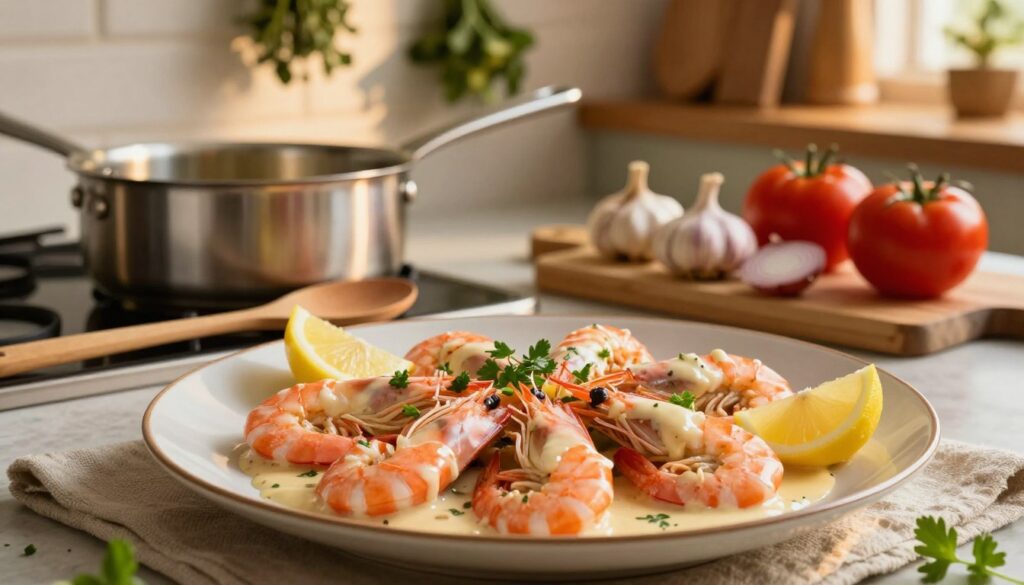
Getting your kitchen ready is key to making a top-notch seafood dish. Having all your tools in place lets you focus on the timing. This way, you can enjoy cooking without interruptions.
You don’t need a fancy kitchen to make this traditional french langoustines recipe with sauce américaine. A few special tools will help a lot. Most of these are common in any home kitchen.
A big sauté pan or a heavy skillet is crucial. It lets you cook the seafood evenly without overcrowding. If you like simple fish recipes, you probably already have these essentials.
Kitchen shears are a must for this best langoustines recipe for beginners. They help you cut through shells without hurting the meat. This keeps your dish looking neat and professional.
A fine-mesh strainer is also key for a smooth traditional french langoustines recipe with sauce américaine. It removes solids and shell pieces after simmering. This leaves you with a smooth, rich sauce.
“The right tool in the hands of a cook is like a wand in the hands of a magician.”
Remember a long-reach lighter for flambéing Cognac. Safety is important when using fire at home. Have a lid ready to put out the flame if needed.
Also, keep tongs and a whisk handy. They help you turn the seafood and mix the sauce perfectly. Having these tools ready makes cooking easier and less stressful.
| Tool Name | Primary Use | Why It Is Essential |
|---|---|---|
| Kitchen Shears | Shelling Langoustines | Protects the delicate meat from tearing |
| Fine-Mesh Strainer | Refining the Sauce | Creates a silky, restaurant-quality texture |
| Sauté Pan | Searing Seafood | Ensures even heat and proper browning |
| Long-Reach Lighter | Flambéing Cognac | Provides safety when igniting spirits |
| Whisk | Emulsifying Sauce | Blends butter and cream smoothly |
Preparing Your Langoustines for Cooking
Getting your ingredients ready is key to a great dish. For a restaurant style langoustines recipe, prep work is crucial. It makes sure every bite is clean, sweet, and tasty.
You don’t need to be a pro to do this. With patience and the right tools, you can make a stunning dish. Let’s go through the steps to get your seafood ready for cooking.
Cleaning and Deveining the Langoustines
Rinse your langoustines under cold water to get rid of grit or sand. Clean ingredients are the base of any great meal. Use sharp kitchen shears to cut along the back of the tail shell.
Then, gently pull the shell apart to find the dark intestinal tract. Use a small knife or your fingers to remove it. This step is important to avoid bitterness and make your easy gourmet seafood recipe at home taste like a pro’s.
Separating Heads from Tails
To make this easy gourmet seafood recipe at home, separate the heads from the tails. Hold the head and tail firmly and twist to pull them apart without crushing the meat.
If the meat stays in the head, use a small fork to guide it back to the tail. This way, you can cook the tail meat perfectly and use the heads for the sauce. It’s a simple trick that makes a big difference in the dish.
Reserving the Shells for Maximum Flavor
Don’t throw away the heads or shells after peeling the tails! They have the most flavor for a restaurant style langoustines recipe. Professional chefs always save every scrap to make a rich seafood base.
Put the shells and heads in a separate bowl for later. You’ll sauté them to release their oils and flavor. This step is what makes a home-cooked meal feel like a five-star experience.
| Preparation Task | Tool Needed | Primary Benefit |
|---|---|---|
| Rinsing Shells | Colander | Removes sand and debris |
| Deveining | Kitchen Shears | Ensures clean, sweet flavor |
| Shell Collection | Mixing Bowl | Creates a rich sauce base |
Creating the Rich Tomato Cognac Sauce
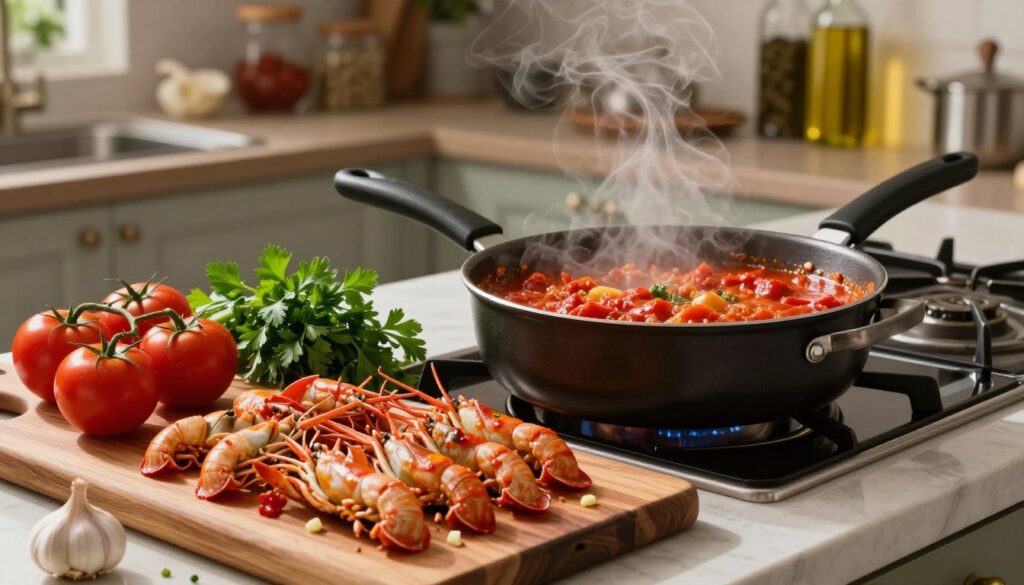
Making the perfect sauce turns simple seafood into a French masterpiece. This stage adds deep, complex layers to the dish. The kitchen fills with a wonderful aroma as the ingredients blend.
The sauce is the heart of the dish, connecting the seafood to the spices. It needs your focus for a few minutes. But the end result is a dish that looks like it came from a restaurant. Learning how to cook langoustines in tomato cognac sauce will wow your guests.
Building the Flavor Base with Aromatics
Start by heating butter and olive oil in a large pan over medium heat. Add diced shallots, carrots, and onions to the fat. These veggies add sweetness and “body” to the sauce.
Sauté the veggies until they’re soft and translucent, but not brown. This brings out their natural sugars without bitterness. Add minced garlic last to avoid burning.
| Aromatic | Role in Sauce | Preparation |
|---|---|---|
| Shallots | Mild Sweetness | Finely Minced |
| Carrots | Earthiness & Color | Small Dice |
| Garlic | Pungent Depth | Crushed or Minced |
Flambéing with Cognac Safely
The flambé is the most exciting part. Pour Cognac into the pan and warm it for a few seconds. This step is key for an authentic french seafood sauce recipe as it adds a unique warmth.
To stay safe, turn off your stovetop exhaust fan before lighting the alcohol. Use a long-reach kitchen lighter or a long match to ignite the vapors. Stand back and enjoy the brief blue flame as the harsh alcohol burns away, leaving only the rich essence behind.
Incorporating Tomatoes and Stock
Once the flames subside, stir in tomato paste and let it cook for a minute. This darkens the paste and removes the raw taste. Then, add crushed tomatoes and the reserved seafood stock or wine.
The liquid will deglaze the pan, picking up all the flavorful bits stuck to the bottom. Bring the mixture to a gentle simmer so the flavors can begin to concentrate. This is the foundation of how to cook langoustines in tomato cognac sauce with professional results.
Finishing the Sauce Américaine
To achieve a silky texture, strain the sauce through a fine-mesh sieve or chinois. Press down on the solids with a spoon to extract every drop of flavor before discarding the pulp. Return the smooth liquid to a clean pan over low heat.
“A great sauce is the signature of a great chef; it should be smooth, shiny, and full of character.”
Finish the sauce by whisking in cold cubes of butter or a splash of heavy cream. This technique, known as monter au beurre, gives the sauce a glossy sheen and a luxurious mouthfeel. Season with a pinch of salt and a dash of cayenne pepper for a subtle kick before serving.
How to Cook Langoustines Step by Step
Cooking your shellfish perfectly is key to a great langoustines à l’américaine. You need to handle them gently to keep them tender and tasty. The biggest mistake is overcooking, so watch the time closely.
They should be firm but also soft. High heat is best for this langoustines recipe. It sears the outside fast, keeping juices in and making the meat golden.
Timing and temperature are crucial in this langoustines dish. Cooking them too long makes the meat tough and loses its sweetness. Most methods need only a few minutes of heat to get it right.
| Method | Heat Level | Duration | Best Result |
|---|---|---|---|
| Sautéing | Medium-High | 2-3 Minutes | Rich and Savory |
| Boiling | High (Rolling) | 2 Minutes | Clean and Light |
| Steaming | Medium | 3-4 Minutes | Juicy and Sweet |
For a classic langoustines à l’américaine, sautéing is best. Heat a heavy skillet with a bit of oil or butter until it sparkles. Then, add the langoustine tails and listen for the sizzle.
Follow these steps for a chef-quality langoustines recipe:
- Sear the meat: Start with the tails flesh-side down for a quick color.
- Monitor the color: Look for the meat to turn from translucent to solid white.
- Add aromatics: Add garlic or herbs in the last thirty seconds.
- Rest briefly: Take them off the heat just before they’re fully cooked, as they’ll continue cooking.
“The key to great seafood is respecting the ingredient by not over-complicating the heat.”
Mastering timing makes this langoustines dish easier. Then, focus on how seasonings and the cognac sauce bring out the meat’s sweetness. Remember, freshness and precision are key to a great langoustines à l’américaine.
Bringing Together the Langoustines and Sauce Américaine
Now it’s time to bring your dish to life. Gently add the langoustines to their Cognac bath. This step is where all your hard work pays off, blending everything into a beautiful dish. The sauce will coat the shells, making them shiny and appealing.
Handling the langoustines ingredients with care is crucial now. You want to mix the seafood’s sweetness with the sauce’s savory flavors. Patience is your best friend during these final minutes of cooking.
Timing Your Final Cooking Stage
When cooking shellfish, timing is key. Add the langoustines when the sauce is just simmering. If it’s boiling too much, the meat will get tough.
The last step in langoustines cooking method uses the sauce’s heat. Cook the meat for 2 to 3 minutes. This short time lets the flavors soak into the shells without overcooking.
Achieving the Perfect Texture
A great seafood à l’armoricaine has tender, buttery langoustine tails. Since the sauce is ready, just warm the seafood. Avoid cooking them longer to keep the meat tender.
Look for the meat to turn opaque and firm. If using pre-seared langoustines, just toss them in the sauce. This keeps the juices inside for a burst of flavor.
Adjusting Seasoning Before Serving
Before serving, taste the sauce one last time. The langoustines ingredients might have added salt. Adjust the seasoning to balance the flavors.
If the sauce is too thick, a squeeze of lemon can help. Adding cold butter also makes the sauce silky and professional.
| Final Phase | Action Required | Ideal Outcome |
|---|---|---|
| Heat Management | Gentle Simmer | Tender, juicy meat |
| langoustines cooking method | 2-3 Minute Window | Perfectly opaque texture |
| Flavor Balance | Taste and Adjust | Savory and bright finish |
Expert Tips for Restaurant-Style Langoustines at Home
Learning to cook gourmet seafood at home is all about the details. You don’t need a fancy kitchen to make amazing dishes. Focus on a few key steps to elevate your meals.
To make a restaurant style langoustines recipe, be patient and pay attention to details. Chefs use high-quality fats and precise timing. Follow these tips to get similar results at home.
Focus on Freshness and Prep
Start with the freshest seafood for the best taste and texture. If live langoustines are not available, choose high-quality frozen ones. This is the base of an easy gourmet seafood recipe at home.
Clean each piece of seafood well before cooking. Remove the intestinal tract and rinse the shells. This step keeps the taste clean and sweet, avoiding grit in your sauce.
The Secret to a Glossy Finish
Professional chefs use a technique called “mounting with butter” for their sauces. This involves whisking in cold butter before serving. It makes the sauce velvety and rich, adding to the luxury feel.
Be careful not to boil the sauce after adding butter. High heat can ruin the emulsion, making it greasy. Keep the heat low and stir constantly for a perfect restaurant style langoustines recipe.
“Seafood is a gift from the ocean, and it deserves to be treated with the utmost respect in the kitchen.”
Elevating the Visual Appeal
Your dish should look as good as it tastes. Use wide, shallow bowls to display the langoustines and sauce. A drizzle of herb-infused oil adds a touch of elegance.
Don’t overcrowd the plate. Negative space makes the dish look more refined. Clean the plate edges to remove drips or fingerprints. These steps make your easy gourmet seafood recipe at home look professional.
| Feature | Home Approach | Restaurant Secret |
|---|---|---|
| Sauce Texture | Thick and chunky | Strained and emulsified |
| Cooking Time | Estimated by eye | Precise, high-heat sear |
| Ingredient Sourcing | Local supermarket | Specialty seafood purveyors |
| Finishing Touch | Basic seasoning | Cold butter and fresh herbs |
Plating and Serving Your Gourmet Seafood Dish
Your kitchen now smells like a Parisian bistro. It’s time to make your plate look like art. You’ve put a lot of love into your traditional french langoustines recipe with sauce américaine. A beautiful plate will excite your guests before they even take a bite.
Plating is your chance to show off your skills. You don’t need to be a pro to make it look stunning. With a few simple steps, you can turn a home-cooked meal into a five-star experience. Focus on balance, color, and temperature for the best look.
Traditional French Presentation
For a classic look, use large, white rimmed plates or shallow bowls. The white background makes the sauce’s vibrant colors stand out. Start by placing a small amount of sauce in the center of the plate.
Then, arrange the langoustine tails on top of the sauce. If you kept the heads on, place them toward the back for a dramatic look. This is a great choice for beginners because the seafood’s natural beauty does most of the work.
Finish by drizzling a little extra sauce over the meat. This keeps it moist and glistening. Make sure the plates are warm before you start. Cold plates can chill your seafood and ruin the sauce’s texture.
Garnishing for Visual Appeal
Garnishes add a professional touch to your dish. Fresh herbs contrast well with the sauce’s warm colors. Use finely chopped parsley or delicate chervil sprigs for a French touch.
“A dish must be beautiful to the eye before it can be delicious to the palate.”
You can also add a light dusting of piment d’Espelette or cayenne pepper around the rim. This adds a hint of heat and a professional look. But don’t overdo it, as you want the langoustines to be the main attraction.
Accompaniments That Complement the Flavors
The right side dishes enhance your traditional french langoustines recipe with sauce américaine. A simple bed of steamed Basmati or Jasmine rice is perfect for soaking up the sauce. For more ideas, check out these quick fish recipes for your next dinner party.
Crusty French bread is also essential. Your guests will love dipping it in the remaining sauce. This makes it the best langoustines recipe for beginners who want a complete meal without complex sides.
| Presentation Element | Classic Style | Modern Style |
|---|---|---|
| Plate Choice | Large white rimmed plate | Dark slate or matte bowl |
| Sauce Placement | Ladle over the seafood | Artistic dots or swooshes |
| Garnish Type | Fresh parsley sprigs | Micro-greens or herb oil |
Perfect Wine Pairings and Side Dishes
Your langoustines dish needs the right wine and side dishes to shine. The rich, tomato-based cognac sauce is the star. You’ve worked hard, so enjoy a perfect meal.
White wine is the best match for your langoustines dish. A crisp Chardonnay complements the sauce well. It keeps the seafood flavor in the forefront. For a lighter option, Sauvignon Blanc’s acidity is refreshing.
For a special touch, try a dry sparkling wine or Champagne. The bubbles refresh your palate between bites. It makes your meal feel like a celebration.
Choosing sides for your langoustines recipe is key. You want something that soaks up the sauce. Steamed Basmati rice or a simple herb pilaf are great choices. They let the sauce shine.
For a lighter option, a green salad with lemon vinaigrette is perfect. The lemon brightens the seafood. Roasted asparagus or sautéed spinach add color and freshness. They contrast nicely with the langoustines à l’américaine.
“The secret to a great seafood dinner lies in the balance between the wine in the glass and the food on the plate.”
| Pairing Category | Recommended Item | Why It Pairs Well |
|---|---|---|
| Dry White Wine | Chablis | High acidity cuts through the butter |
| Starchy Side | Saffron Rice | Complements the aromatic tomato base |
| Fresh Vegetable | Haricots Verts | Provides a crisp and clean bite |
Conclusion
You now know how to make a fancy dish in your kitchen. Use fresh seafood from Citarella to make your meals taste like they’re from a fancy restaurant. Follow each step in this langoustines recipe to build layers of flavor.
This turns simple ingredients into something amazing. Professional results need patience and careful preparation. It’s all about the details.
Families love the rich sauce and tender meat. This dish adds a touch of luxury to dinner. Try adding saffron or different herbs to make it unique.
Small changes can make your dish stand out. Being creative in the kitchen lets you shine. It’s a way to show off your skills.
Practice makes technique perfect. Keep trying new ways to serve langoustines à l’américaine for your guests. They’ll appreciate the effort you put into every bite.
Enjoy making restaurant-quality food at home with your family. Share these coastal delights with the people who matter most. Authentic meals bring people together.
High standards bring joy. Good ingredients lead to amazing results. It’s all about creating something special for your loved ones.