
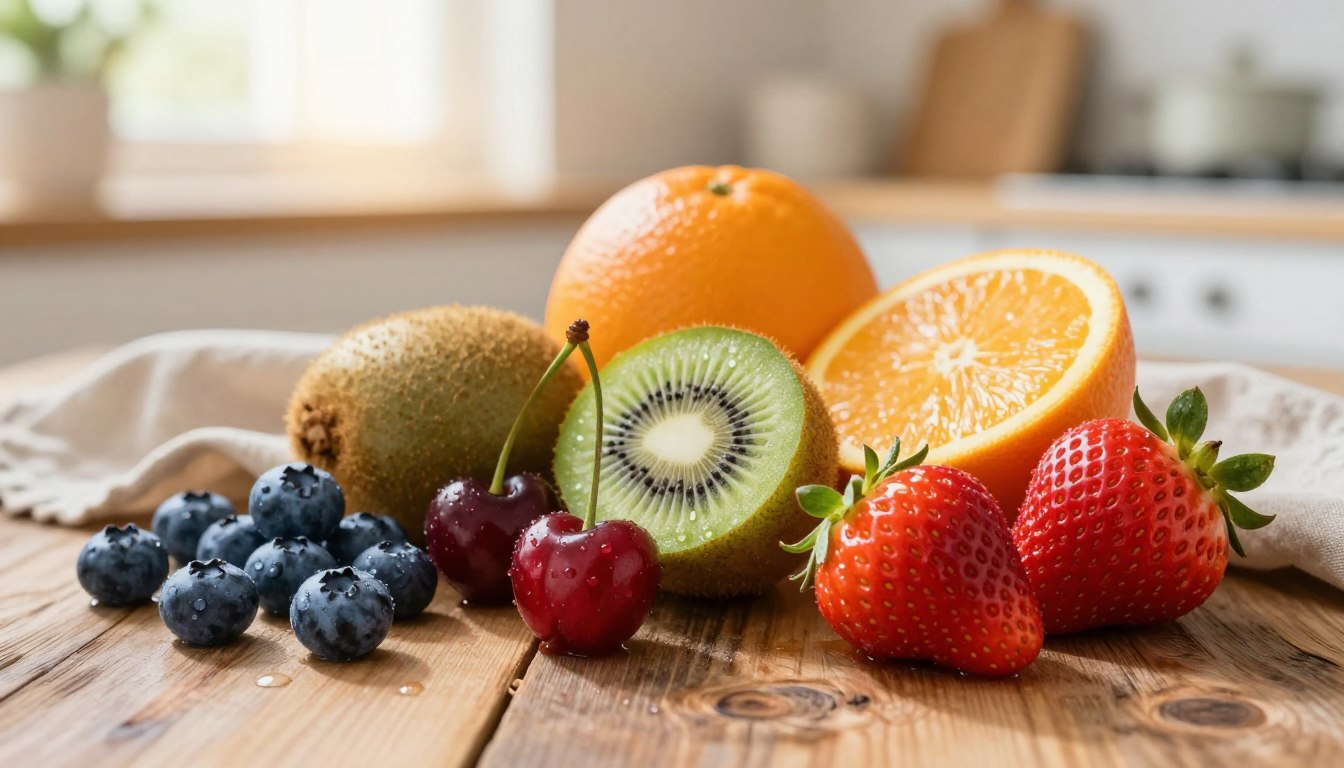
The Best Simple 5 Anti-Inflammatory Fruits to Eat
You wake up feeling stiff. Your joints ache. You wonder if this is just part of getting older. The truth is that inflammation might be working against your body right now, and you may not even realize it. Chronic inflammation quietly damages your heart, weakens your immune system, and puts you at risk for serious diseases. The good news? Nature has given you a powerful tool to fight back, and it tastes delicious.
Your body needs help to defend itself against the wear and tear of daily life. This is where anti-inflammatory fruits step in as your natural allies. These colorful, nutrient-packed foods contain compounds that work like tiny warriors inside your body, protecting your cells and reducing the inflammation that ages you faster.
When you eat just one-and-a-half to two cups of diverse fruits every day, something remarkable happens. Your antioxidant activity skyrockets. Your body becomes stronger at fighting off disease. You lower your risk of heart disease, diabetes, certain types of cancer, and digestive problems. All fruits offer wonderful health benefits through their fiber and vitamins. Yet some fruits stand out as true champions in the anti-inflammatory world. Berries, grapes, and pomegranates contain such powerful compounds that they deserve special attention.
You’re about to discover how the best fruits for inflammation can transform your eating habits. These are not complicated superfoods that cost a fortune. They’re simple, accessible anti-inflammatory fruits that you can find at any grocery store. Adding them to your daily routine takes just minutes but delivers real, lasting results for your health.
Key Takeaways
- Eating one-and-a-half to two cups of diverse fruits daily boosts your body’s antioxidant protection
- Anti-inflammatory fruits help prevent heart disease, diabetes, cancer, and digestive problems
- Berries, grapes, and pomegranates are rich in inflammation-fighting compounds
- All fruits offer health benefits, but certain varieties have exceptional anti-inflammatory properties
- Simple dietary changes with the best fruits for inflammation can have profound health impacts
- These anti-inflammatory fruits are affordable and easy to incorporate into your daily meals
Why Anti-Inflammatory Fruits Matter for Your Health
Your body sometimes needs inflammation to heal. It brings blood to injured areas and fights off germs. This kind of inflammation is temporary and helps you get better.
But, when inflammation lasts too long, it’s a problem. This is called chronic inflammation. It quietly damages your health and can lead to serious conditions like heart disease and diabetes. You might not even feel it happening inside you.
Eating natural anti-inflammatory foods is a great way to fight back. Fruits are full of compounds your body needs. Choosing fruits high in antioxidants helps protect your body.
Understanding Chronic Inflammation and Its Impact
Chronic inflammation is when your body stays in a state of alert for too long. It’s different from the sharp pain of a cut. Your immune system keeps sending out signals even when there’s no threat.
This constant alert damages your cells and tissues. It wears down your heart, brain, and joints. Research shows it plays a role in nearly every major disease today.
How Antioxidants in Fruits Fight Free Radicals
Free radicals are unstable molecules your body makes. They’re like tiny troublemakers that damage your cells. When there are more free radicals than antioxidants, your cells get hurt.
Antioxidants are like your body’s defense team. They find free radicals and stop them from causing harm. Fruits high in antioxidants contain vitamins C and E, and other nutrients. These work together to protect your cells.
- Antioxidants stop free radicals from damaging cells
- They reduce oxidative stress in your body
- They help lower chronic inflammation levels
- They support your immune system
Eating natural anti-inflammatory foods is an easy step to better health. Fruits taste great and your body loves them.
Berries: Nature’s Powerful Anti-Inflammatory Gems
When you think of fruits that fight inflammation, berries are key. These small fruits are full of nutrients that battle inflammation at the cellular level. The bright colors of blueberries, strawberries, raspberries, and blackberries are not just for show.
Berries’ secret lies in their plant compounds. They contain anthocyanins, powerful antioxidants that give them their colors. These compounds help your body fight oxidative stress and lower inflammation markers.
Here’s why berries are great for reducing inflammation:
- Packed with vitamin C for immune support
- Rich in fiber for digestive health
- Loaded with ellagic acid and anthocyanins
- Low in calories but high in nutrients
Different berries offer unique benefits. Blueberries protect your brain and lower type 2 diabetes risk. Strawberries have polyphenols that lower C-reactive protein, a key inflammation marker. Eating about 2.5 servings of fresh strawberries daily for 14 weeks can significantly lower inflammation markers.
Raspberries are full of vitamin C and anthocyanins. Blackberries and cranberries have unique phytochemicals that support health. Studies show that eating berries regularly can lower heart disease, Alzheimer’s, and diabetes risks.
When you eat a mix of berries, you’re protecting your body from inflammation. These fruits should be a part of your daily diet.
Stone Fruits That Reduce Inflammation Naturally
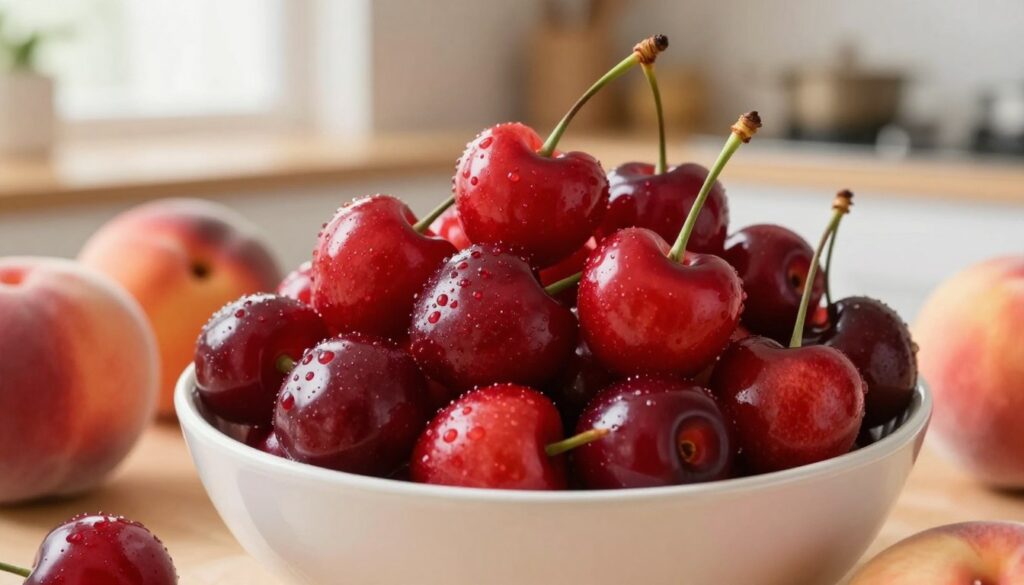
Stone fruits are packed with anti-inflammatory powers. They include cherries, peaches, apricots, and plums. These fruits are rich in fiber, vitamin C, potassium, and phytochemicals. Their vibrant colors hint at the health benefits they offer.
Stone fruits are great for your joints and muscles. They lower inflammatory markers in your body. If you’re looking for best fruits for joint pain relief, stone fruits are a top choice. Research shows these fruits contain powerful compounds that fight inflammation and support your overall wellness.
Cherries for Joint Pain and Muscle Recovery
Tart cherries are anti-inflammatory superstars. They contain high levels of phenolic compounds. Anthocyanins and quercetin in cherries reduce pain and swelling in your joints.
Cherries help your muscles recover after workouts. They lower inflammatory markers throughout your body. Athletes and fitness enthusiasts love cherries for easing muscle soreness and speeding recovery.
Cherries offer more than joint health benefits. Drinking tart cherry juice can improve blood pressure and lower “bad” LDL cholesterol. Studies suggest cherries may lower gout flare-up risk by up to 35 percent. This is great news for anyone with joint pain.
- Tart cherry juice reduces inflammatory markers in your blood
- Anthocyanins and quercetin ease arthritis symptoms
- Regular cherry consumption may decrease gout flare risk
- Cherries support muscle recovery after exercise
- Fresh and dried cherries both offer anti-inflammatory benefits
Apricots and Their Beta-Carotene Benefits
Apricots are anti-inflammatory powerhouses. Their orange color comes from beta-carotene. Beta-carotene fights inflammation and supports skin, eye, and immune health.
Apricots also contain flavonoids like catechins, quercetin, and rutin. These compounds battle free radicals and reduce oxidative stress. Eating apricots gives your body weapons against inflammation and aging.
You can enjoy apricots fresh or dried. Both forms offer anti-inflammatory benefits. Add them to breakfast, snack on them alone, or mix into salads and yogurt bowls.
| Stone Fruit | Key Anti-Inflammatory Compound | Main Health Benefit |
|---|---|---|
| Tart Cherries | Anthocyanins, Quercetin | Joint pain relief and muscle recovery |
| Apricots | Beta-Carotene, Flavonoids | Immune support and eye health |
| Peaches | Phenolic compounds | Overall inflammation reduction |
| Plums | Anthocyanins | Digestive health and antioxidant protection |
Stone fruits are the best for joint pain relief. Whether you choose cherries or apricots, you’re making a healthy choice. These fruits are abundant in spring and summer, offering perfect timing for their benefits.
Citrus Fruits and Their Inflammation-Fighting Properties
Citrus fruits are likely in your kitchen, but you might not know their power. Oranges, grapefruits, lemons, and limes do more than just offer vitamin C. They have anti-inflammatory compounds that help your health.
When you eat a citrus fruit, you get hesperidin, diosmetin, and naringin. These are strong anti-inflammatory compounds. Oranges have the most hesperidin, and grapefruits have the most naringin. Studies show they can lower inflammation in your body.
Vitamin C in citrus fruits has many benefits. It fights inflammation and helps your body heal. It can even make recovery after surgery faster and improve healing.
Key Anti-Inflammatory Compounds in Citrus Fruits
- Hesperidin—found mainly in oranges
- Diosmetin—found in oranges and lemons
- Naringin—most in grapefruits
- Vitamin C—found in all citrus fruits
Citrus fruits are great for reducing inflammation naturally. You can use every part, including the peels. Try zesting oranges and lemons into your food for extra nutrition.
Adding citrus to your day is easy. Start with an orange, add lemon to your water, or snack on grapefruit. These small actions can make a big difference in fighting inflammation.
Anti-Inflammatory Fruits: Tropical Varieties That Pack a Punch
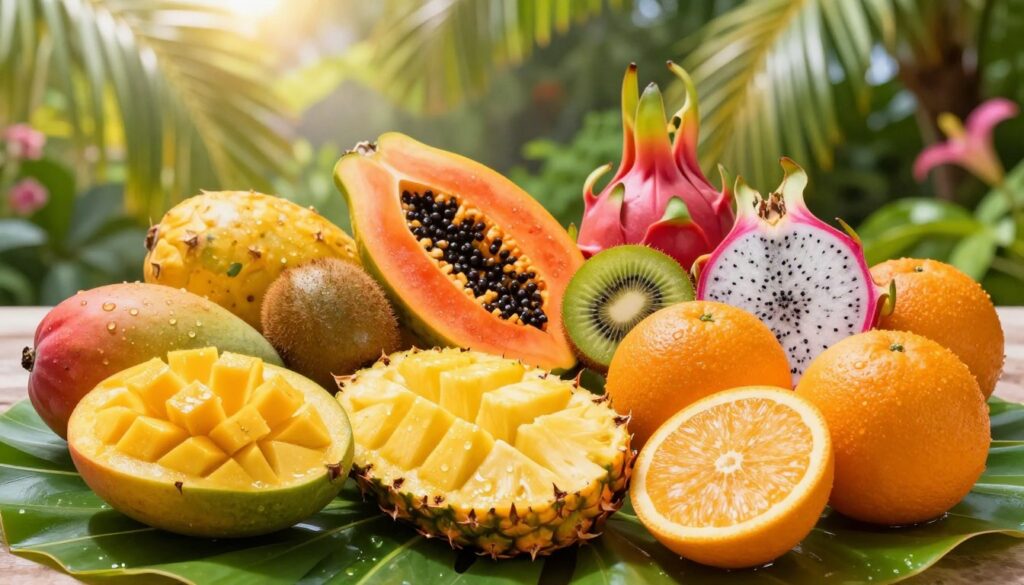
Adding tropical fruits to your diet is a smart move. These fruits are packed with nutrients that fight inflammation. They offer benefits that many common fruits can’t match. Your gut health and immune system will thank you for these additions.
Tropical fruits have special powers against inflammation. They contain plant compounds that target inflammation. Your body fights inflammation every day, and these fruits support your immune system.
Kiwifruit for Gut Health and Immune Support
Kiwifruit is a hidden hero against inflammation. Just two small kiwifruits give you 142% of your daily vitamin C. It has vitamin C, polyphenols, and flavonoids that affect your body’s inflammation.
Your gut health affects inflammation all over your body. Kiwifruit’s 4 grams of fiber feed good bacteria in your gut. This helps control inflammation. Eating kiwifruit regularly can improve digestion and balance your gut microbiome. Plus, kiwi skin is edible and adds fiber to your meals.
Mangoes and Their Powerful Plant Compounds
Mangoes are a treasure trove of anti-inflammatory compounds. They contain anthocyanins, kaempferol, and catechins that fight inflammation. Eating a mango is like getting a dose of nature’s strongest anti-inflammatory food.
Mangoes are high in fiber, which supports a healthy gut. This is linked to a stronger immune system. Mangoes increase beneficial bacteria in your gut, reducing body-wide inflammation. They may even help with inflammatory bowel disease. Enjoy mangoes on their own, in smoothies, or in vegan salad recipes.
| Tropical Fruit | Key Anti-Inflammatory Compounds | Vitamin Content | Fiber Per Serving |
|---|---|---|---|
| Kiwifruit | Polyphenols, Flavonoids | 142% Daily Vitamin C (2 fruits) | 4 grams |
| Mango | Anthocyanins, Kaempferol, Catechins | High Vitamin A and C | 3-4 grams |
When buying tropical fruits, look for suppliers that specialize in anti-inflammatory tropical fruits and roots. Having access to high-quality fruits makes your diet better. These fruits are not just for vacations; they’re year-round allies against inflammation.
Pomegranates: The Antioxidant-Rich Superfruit
https://www.youtube.com/watch?v=dgJkDtYIulw
Pomegranates are top picks for fighting inflammation because of their rich nutrients. The seeds, or arils, are full of vitamins C and K, potassium, fiber, and antioxidants. These nutrients help your body battle inflammation.
The secret to pomegranates lies in ellagitannins and ellagic acid. These compounds reduce inflammation-causing enzymes in your body. Ellagic acid works like some pain meds but is natural. Eating pomegranate arils or drinking pomegranate juice gives your body natural anti-inflammatory support.
Eating pomegranates boosts your gut health. They increase good bacteria in your gut, which helps with many health issues. Good gut bacteria can manage obesity, diabetes, and inflammation, and even support brain health. This is why pomegranates are great for reducing inflammation in your body.
Heart health is another reason to eat pomegranates. Studies show pomegranate juice can lower blood pressure and improve heart disease. The arils offer fiber and antioxidants, while juice is convenient with similar benefits. Whether you choose fresh arils or juice, it’s a smart choice for your heart and reducing inflammation.
- Vitamins C and K support immune function
- Ellagic acid decreases inflammation-promoting enzymes
- Arils provide fiber for digestive health
- Antioxidants reduce oxidative stress
- Gut bacteria improvements fight chronic disease
You can enjoy pomegranates fresh or as juice. Add arils to breakfast bowls with yogurt, or drink juice all week. Adding pomegranates to your diet is a smart move for your health.
Apples and Grapes: Everyday Fruits With Extraordinary Benefits
You don’t need rare fruits to fight inflammation. Apples and grapes, found in your kitchen, are powerful allies. They help protect your heart and reduce inflammation, supporting your overall health.
A study of nearly 35,000 women showed eating apples lowers heart disease risk. These fruits contain special compounds that fight inflammation. They are great for arthritis and other inflammatory conditions.
Why You Should Eat Apple Skins
Don’t peel your apples. The skin is where most of the benefits are.
Apples have several key components that fight inflammation:
- Fiber supports digestive health
- Vitamin C boosts immunity
- Pectin feeds beneficial gut bacteria
- Polyphenols reduce inflammation
Flavonoids in apples act as strong antioxidants. They reduce tissue damage and inflammation. They also protect against heart disease and some cancers. Keeping the skin on maximizes these benefits.
Resveratrol in Grapes for Cardiovascular Protection
Grapes are also key for heart health and fighting arthritis. They contain resveratrol, a compound in the skin that benefits your body.
Resveratrol in grapes significantly reduces inflammation and oxidative stress. This protects your heart. Grapes offer more benefits with each bite:
- Anthocyanins that reduce inflammation
- Vitamin C for immune support
- Vitamin K for bone strength
- Fiber for digestive wellness
Eating half a cup of grapes daily is easy. You don’t need rare foods to stay healthy. Your local grocery store has everything you need to fight inflammation naturally.
How to Incorporate These Fruits Into Your Daily Diet
Eating anti-inflammatory fruits is easy. Aim for one-and-a-half to two cups of different fruits daily. This boosts your body’s antioxidants and fights inflammation naturally. You can easily meet this goal with small meal changes.
Begin your day with berries in oatmeal or yogurt. Blend kiwis and mangoes for a quick smoothie. An apple with your morning adds fiber and antioxidants. These small steps start your day right.
Snacking gets easier with prep work. Store grapes in the fridge for quick snacks. Carry cherries or apricots for on-the-go nutrition. Kiwifruit is easy to eat straight from the skin for vitamin C.
At lunch and dinner, add strawberries or pomegranate arils to salads. Grill peaches as a side dish. Use orange and lemon zest in your cooking for flavor and health benefits.
Dessert time offers great options. Try easy anti-inflammatory dessert recipes like berry crumbles or baked apples. A simple fruit and yogurt mix is also great. These desserts are tasty and healthy.
- Keep fruit visible on counters and in your fridge
- Prep fruit at the start of your week
- Pair fruits with nuts or yogurt for staying power
- Drink tart cherry or pomegranate juice when fresh isn’t available
- Experiment with seasonal fruits for better flavor
You don’t need fancy recipes or big changes. Simple swaps and additions can make a big difference in reducing inflammation.
Eating With the Seasons for Maximum Anti-Inflammatory Benefits
Choosing fruits at their peak season is a smart move for anti-inflammatory benefits. Fruits are at their best when they’re in season. This is when they have the most nutrients to fight inflammation.
Seasonal eating is good for your health and wallet. Fresh fruits are cheaper because they’re grown locally. They also taste better than fruits that have been stored for a long time.
| Season | Best Fruits | Anti-Inflammatory Benefits |
|---|---|---|
| Spring | Strawberries, cherries, apricots, citrus fruits | High in vitamin C and anthocyanins for joint support |
| Summer | Grapes, peaches, plums, blueberries | Rich in resveratrol and quercetin for heart health |
| Fall | Apples, pears, figs, blackberries | Packed with fiber and polyphenols for gut healing |
| Winter | Pomegranates, persimmons, kiwis, grapefruits | Dense in punicalagins and vitamin E for immunity |
This natural rotation gives you a variety of anti-inflammatory compounds all year. Eating different fruits helps your body in ways that eating the same ones doesn’t.
What about pineapple anti-inflammatory properties? Fresh pineapple is available all year in most U.S. markets. It has bromelain, an enzyme that fights inflammation. Add fresh pineapple to your diet for an extra anti-inflammatory boost.
If fresh seasonal fruits are hard to find, frozen fruits are a good alternative. They’re frozen at peak ripeness, keeping most of their anti-inflammatory compounds. Keep frozen berries, cherries, and tropical fruits for smoothies and cooking.
- Buy from local farmers markets for peak-season fruits
- Check your grocery store’s seasonal produce section
- Join a community-supported agriculture (CSA) program
- Preserve seasonal fruits through freezing or light cooking
- Mix fresh and frozen options based on availability
Seasonal eating is flexible, not strict. It helps you enjoy delicious and affordable anti-inflammatory fruits. Start with one or two seasonal fruits each month and gradually add more.
Conclusion
No single fruit can magically cure inflammation or disease. Real change comes from eating a variety of fruits. These fruits support your body together.
The fruits mentioned in this article are packed with nutrients. Berries, stone fruits, citrus, tropical fruits, pomegranates, apples, and grapes all have unique benefits. When you eat them together, they help fight chronic inflammation.
The path to better health is simple. Aim for 1.5 to 2 cups of different fruits daily. Buy fruits in season and eat their skins. Snack on blueberries and drink pomegranate juice.
Research shows that blueberry supplementation can increase beneficial metabolites in your body. Don’t worry if you can’t do everything perfectly. Every fruit you add is a step in the right direction.
Remember, these fruits are part of a bigger picture. Eat them with whole grains, lean proteins, and vegetables. Exercise regularly, sleep well, and manage stress. This approach helps reduce chronic inflammation and lowers disease risks.
Health care doesn’t have to be hard. It can be as simple as enjoying a crisp apple or a glass of pomegranate juice. You have the knowledge and tools. Now, make these delicious fruits a part of your daily life and see your health improve.