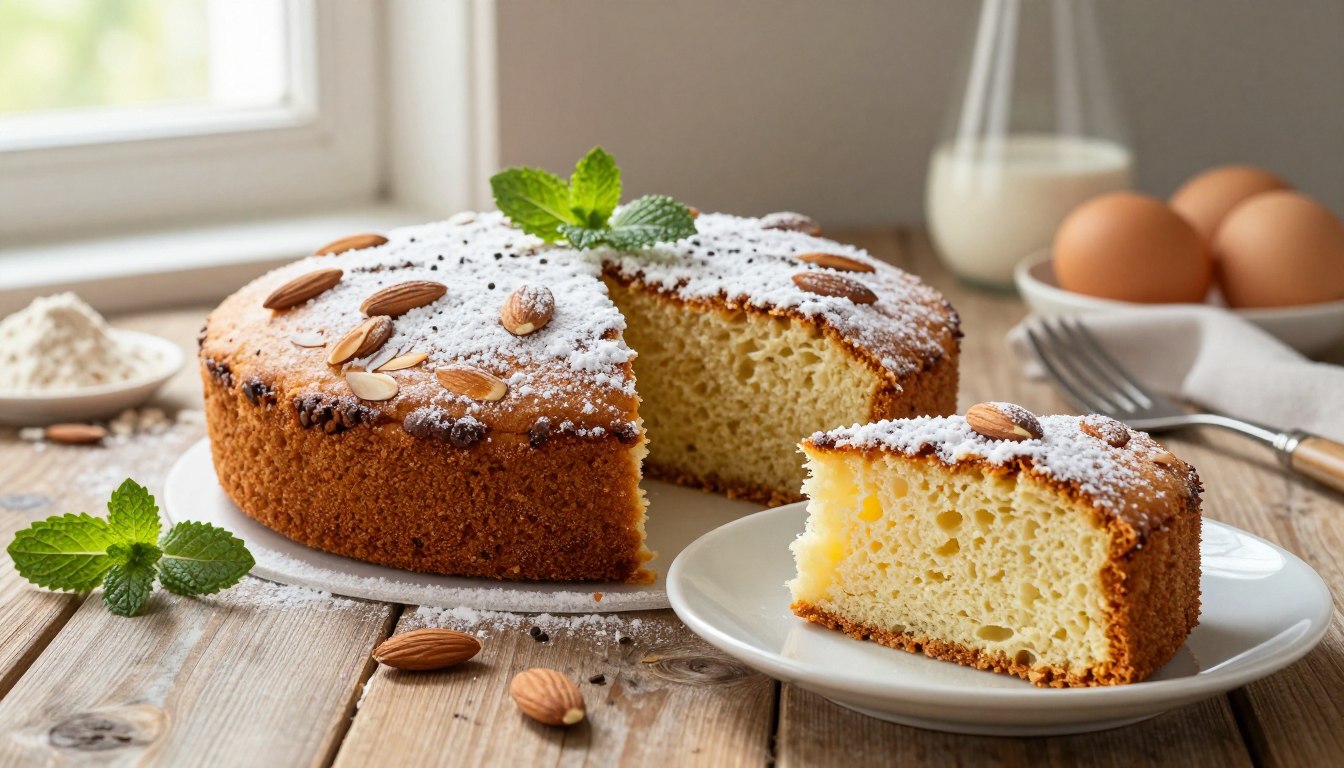
How to Make Almond Flour Cake
There’s something special about pulling a homemade cake out of the oven. The warm aroma fills your kitchen. Your family gathers around. You know you made something delicious with your own hands.
Maybe you’ve been searching for a dessert that fits your dietary needs. Or perhaps you simply want to try something different from the usual vanilla and chocolate options. An almond flour cake recipe offers you both comfort and change. It’s naturally gluten-free, surprisingly moist, and packed with subtle nutty flavor that feels elegant without being complicated.
The best part? You probably have most of the ingredients sitting in your pantry right now. This homemade almond cake comes together with just a few pantry staples. No special equipment is needed. No confusing techniques to master. Many versions require just one bowl and don’t even ask you to separate eggs.
Throughout this guide, you’ll discover how to make a moist almond flour cake from scratch. You’ll learn about the star ingredient and why it matters so much. You’ll find out exactly how to mix, fold, and bake your way to bakery-quality results. By the time you finish reading, you’ll feel completely ready to tackle this recipe with confidence.
Whether you follow a gluten-free diet by necessity or by choice, this almond flour cake recipe delivers what you’re looking for. It tastes impressive. It looks beautiful. It comes together faster than you’d expect. Let’s get started.
Key Takeaways
- Almond flour cake is naturally gluten-free and made with simple pantry ingredients
- This recipe requires minimal mixing and can be completed in one bowl
- You’ll achieve a soft, moist crumb texture without complicated baking techniques
- The recipe works for people following various dietary preferences and needs
- Basic equipment and straightforward steps make this dessert accessible to all skill levels
- You can customize the flavor with add-ins and variations once you master the base recipe
Why This Almond Flour Cake Recipe Is a Must-Try
This almond flour cake is a must-have in your kitchen. It’s perfect for those with dietary restrictions or anyone who loves homemade desserts. It’s a hit for both special occasions and everyday treats.
Naturally Gluten-Free and Grain-Free Benefits
This cake is naturally gluten-free and grain-free. It’s great for those with celiac disease or gluten sensitivity. It’s a delicious option that doesn’t compromise on taste or texture.
The cake’s texture is nothing short of magical. It’s light yet substantial. Your guests will love it without knowing it’s grain-free. Almond flour makes the cake moist, often better than traditional cakes.
You can enjoy almond flour cake without wheat flour without feeling like you’re missing out. It’s just as good as traditional cakes.
Simple Ingredients You Already Have
This recipe is simple and easy to make. You don’t need to search for special ingredients. Your pantry probably has everything you need:
- Eggs
- Sugar
- Almond flour
- Basic baking essentials
This cake is easy to make, unlike many other diet recipes. You won’t need to go shopping or buy expensive items. It’s a quick way to make a delicious dessert. Everyone will enjoy it, whether they follow a grain-free diet or not.
Essential Ingredients for Your Almond Flour Cake
Making a tasty almond flour cake is easy. You don’t need a long list of ingredients. Many things you already have in your kitchen can help you bake a delicious cake.
Almond flour baking is flexible. You can make a simple cake or add more ingredients for a richer taste. Here’s what you need for a simple keto almond flour cake and some variations:
| Ingredient | Basic Version | Enriched Version | Purpose in Your Cake |
|---|---|---|---|
| Almond Flour | 3½ cups | 2¾ cups | Creates structure and nutty flavor |
| Eggs (large) | 4 eggs | 6 eggs (separated) | Binds ingredients and adds lift |
| Granulated Sugar | 1 cup | 1¼ cups | Sweetens and creates golden crust |
| Unsalted Butter | Not needed | 12 tablespoons | Adds richness and moisture |
| Almond Extract | 1 teaspoon | ¼ teaspoon | Enhances almond flavor |
| Cornstarch | Not needed | 2 tablespoons | Creates tender, delicate crumb |
| Sea Salt | Pinch | ¾ teaspoon | Balances sweetness |
| Lemon Zest or Liqueur | Optional | 2 tablespoons | Adds depth and complexity |
Each ingredient has a special role in your cake. Almond flour gives it structure and a nutty taste. Eggs bind the ingredients and make the cake light. Sugar sweetens the batter and helps the cake turn golden.
Adding optional ingredients can make your cake even better. A pinch of salt balances the sweetness. Butter in the enriched version makes the cake moist. Cornstarch helps the cake stay delicate. Lemon zest or liqueurs add brightness and sophistication.
The best thing about baking with almond flour is you can start simple and then try new things. Begin with a basic recipe and then experiment with different flavors as you get better at baking.
Understanding Almond Flour: The Star Ingredient
Almond flour is key to a great gluten-free cake. It makes your cake light, tender, and tasty. The type of almond flour you pick changes the cake’s texture, color, and taste.
Getting the right amount of almond flour is crucial. Many bakers skip this and end up with a dense cake. But, once you know how to use almond flour, you’ll make a moist cake every time.
Blanched Almond Flour vs Almond Meal
Blanched almond flour and almond meal are not the same. Blanched flour comes from almonds without skins. It makes a cake that’s light and pale.
Almond meal, on the other hand, has skins and is coarser. It’s great for a rustic, hearty cake. The skins make the cake denser and with a different feel.
For a light, tender cake, choose blanched almond flour. Its finer texture and lack of skins are perfect for a delicate result.
| Type | Texture | Color | Best For |
|---|---|---|---|
| Blanched Almond Flour | Super-fine powder | Light, uniform pale | Delicate cakes with light crumb |
| Almond Meal | Coarse with particles | Brown with visible flecks | Rustic, denser cakes |
How to Measure Almond Flour Correctly
Measuring almond flour right is key. It’s lighter and more variable than wheat flour. Mistakes here can make your cake dense and dry.
The right way is simple:
- Spoon almond flour into your dry ingredients measuring cup
- Level off the top with a flat edge of a knife
- Never compress or pack the flour down
- Avoid scooping directly from the bag
Packing almond flour can add up to 50% more than needed. This makes your cake dense. Use the spoon-and-level method instead.
If your almond flour is clumpy, sift it first. This makes your cake smoother and ensures even mixing.
Preparing Your Ingredients and Equipment
Before you start mixing, getting ready to bake a homemade almond flour cake is key. Proper preparation ensures your dessert turns out right every time. A little extra time upfront makes baking smoother and more fun.
One crucial step is to warm your eggs to room temperature. This helps them whip up more air, making your cake light and fluffy. If your eggs are cold, warm them in a bowl of warm water for 5 to 10 minutes. Or, use water between 85 to 95 degrees Fahrenheit for 20 to 30 minutes.
- Grease your 8 or 9-inch round cake pan with non-stick spray
- Line the bottom of the pan with parchment paper for easy removal
- Preheat your oven to 350°F
- Bring eggs to room temperature (around 70 to 75 degrees Fahrenheit)
- Soften butter by microwaving at 50% power in 10 to 15 second bursts
- Gather all dry ingredients and measure them carefully
If your recipe needs butter, cut it into small cubes first. Soften it in the microwave at 50% power, stirring every 10 to 15 seconds. This way, the butter blends smoothly into your batter without losing air. These small steps are crucial for a perfect healthy almond flour dessert.
Step-by-Step Almond Flour Cake Recipe
Creating an easy almond flour baking project is simple when you follow each step. Each step is important, and doing them right makes your cake light and tasty. This method works for both almond flour pound cake and sponge-style cakes.
Whipping the Eggs and Sugar to Perfection
Whipping eggs and sugar is the first step in your baking journey. It’s what makes your cake rise and stay light.
- Beat whole eggs with an electric mixer fitted with a whisk attachment until frothy
- Add sugar gradually while the mixer runs
- Increase speed to medium-high and continue beating for 7 to 10 minutes
- Watch for the mixture to become very pale in color and triple in volume
- Test doneness by lifting the whisk—the mixture should fall in thick ribbons that slowly dissolve back into the bowl
This patience is worth it. Your hard work creates air bubbles that make your cake tender and moist.
Folding in the Almond Flour Without Deflating
Folding is crucial. You’ve built air bubbles, so now you need to add almond flour carefully.
- Divide your almond flour into three equal portions
- Use a wide rubber spatula for folding motions
- Cut down through the center of the mixture, sweep along the bottom, and fold up and over
- Rotate the bowl slightly with each fold
- Repeat this pattern until each portion of flour disappears completely before adding the next
- Scrape the bottom to catch any hidden flour pockets
Folding gently but thoroughly keeps your cake from becoming tough. It maintains the volume and ensures even flour distribution.
Baking Time and Temperature Guidelines
Baking temperatures are consistent in most recipes. Your oven setup greatly affects the result.
| Pan Size | Temperature | Baking Time | Doneness Signs |
|---|---|---|---|
| 8-inch round | 350°F | 30-35 minutes | Golden top, firm to touch |
| 9-inch round | 350°F | 35-40 minutes | Light brown top, toothpick clean |
| Loaf pan (almond flour pound cake) | 350°F | 40-45 minutes | Firm center, golden crust |
Most recipes bake at 350°F for 30 to 45 minutes, depending on the pan. Your pound cake should have a golden top and feel firm. A toothpick inserted into the center should come out clean, with a few moist crumbs okay.
Let your cake cool in the pan for 10 minutes. This helps it set without drying out. Then, turn it out onto a wire rack to cool completely before slicing or decorating.
Tips for Achieving the Perfect Texture
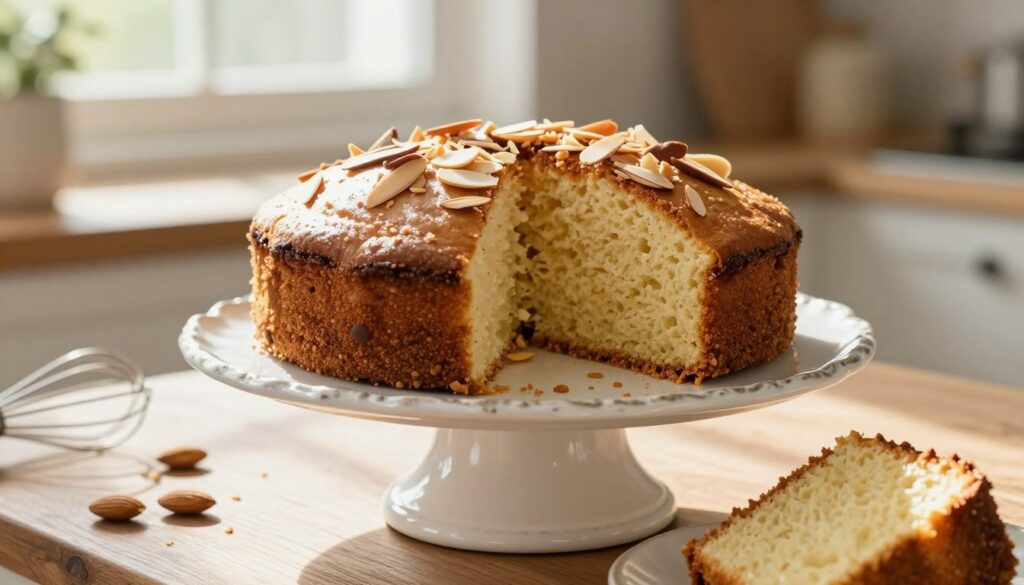
Getting the perfect texture in your moist almond flour cake is all about a few key techniques. It’s about finding the right balance between lightness and moisture. You want your cake to be soft, tender, and delicate, not dense or dry.
The secret to great texture starts with proper egg whipping. Whipping eggs and sugar together creates air pockets that make your cake light and fluffy. Take your time until the mixture is pale and thick. This step is crucial for a fluffy cake.
Folding in your dry ingredients needs to be done gently. Use a spatula to fold carefully and keep those air bubbles. Overmixing can deflate your cake, making it dense instead of fluffy.
Temperature control is very important. Use an oven thermometer to check if your oven is at the right temperature. The right temperature ensures your cake is even and fluffy. Also, measure your almond flour correctly to avoid dryness or denseness.
- Resist opening the oven door during the first 20 minutes of baking
- Let your cake cool completely before slicing
- Allow the cake to rest for several hours or overnight for even moisture distribution
- Use room-temperature ingredients for better mixing and emulsification
Almond flour has more fat than wheat flour, making your cake moister. This is great for texture but means you must avoid overbaking. Start checking for doneness a few minutes before the recipe suggests.
The beauty of a keto almond flour cake is its rich texture. The healthy fats make the cake velvety and rich. This makes your dessert feel like a special treat.
Learning about texture means your low carb almond flour cake is more than just healthy. It’s a real treat that rivals traditional cakes. Check out low-sugar desserts that still taste amazing for more tips on texture.
Your keto almond flour cake gets better with time. The moisture spreads evenly, making each bite better. Patience is key here. With these tips, your cake will be both indulgent and healthy.
Flavor Variations and Add-Ins
Your almond flour cake is a blank canvas waiting for creativity. The basic recipe works beautifully on its own. But, you can make it special by adding flavors that match your mood or occasion. Whether it’s for a birthday or just to try something new, simple add-ins can make a big difference.
The key is understanding how different flavors work with the rich, nutty base of your cake.
Citrus Zest Options for Brightness
Citrus zest brings freshness and brightness to your almond flour cake. Lemon zest is a classic choice—grate one large lemon and fold it into your batter for a sunny flavor. Orange zest works beautifully as well, offering a sweeter, more mellow citrus character that complements the almonds perfectly.
You can rub citrus zest directly into your sugar before whipping it with the eggs. This technique releases aromatic oils and distributes the flavor evenly throughout your cake. Try these combinations:
- Lemon zest for a tart, fresh finish
- Orange zest for warmth and sweetness
- Lime zest for a tropical twist
- Combined citrus zests for complexity
Serve your citrus-infused cake with lemon curd, strawberry sauce, or blueberry compote for added depth.
Liqueur Additions for Adult Desserts
Grand Marnier liqueur adds sophisticated orange-cognac notes that pair beautifully with almond. Add 1 to 2 tablespoons to your batter for an elegant dessert. Amaretto intensifies the almond flavor for a more pronounced nuttiness.
These liqueurs contribute moisture and complexity to your cake. If you prefer non-alcoholic options, use 1 tablespoon vanilla extract or almond extract instead. Many bakers find that almond flour cake with honey instead of sugar pairs wonderfully with vanilla extract and orange zest.
Beyond citrus and liqueur, consider adding spices like cinnamon or cardamom, chocolate chips for chocolate lovers, or even experimenting with alternative sweeteners. Your low carb almond cake remains nutritious while gaining exciting new dimensions. For detailed chocolate variations, explore almond flour chocolate cakes that show how versatile this ingredient truly is.
Decorating and Serving Your Almond Flour Cake
Your homemade almond cake is a feast for the eyes as well as the taste buds. It’s stunning whether you keep it simple or add fancy touches. A few easy steps can turn your almond flour dessert into a masterpiece in minutes.
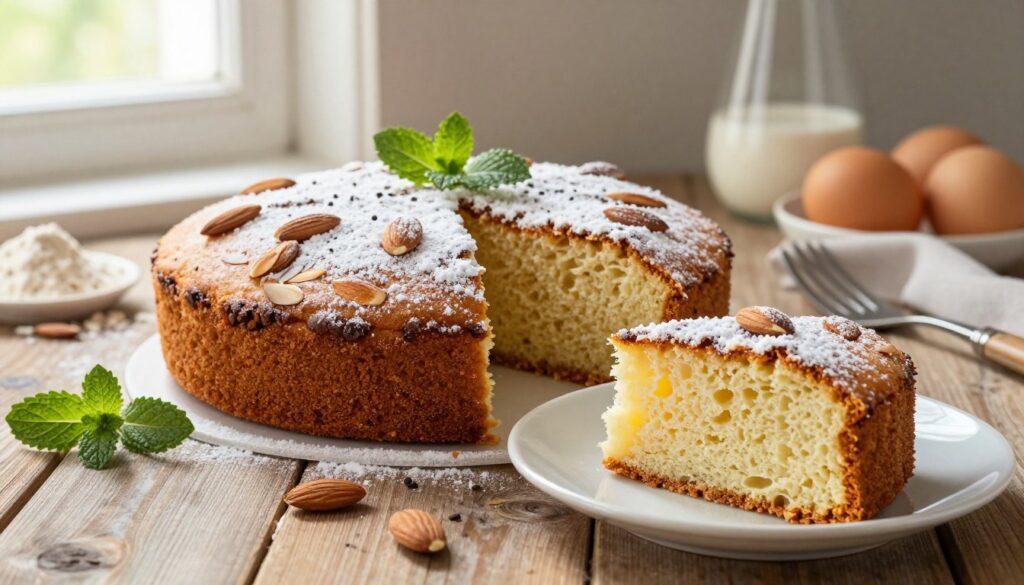
Start by dusting the top with powdered sugar. Use a fine-mesh sieve for an even layer. This gives it a bakery look with no effort. For extra texture, sprinkle sliced almonds on top before baking, or toast them and add them later.
Fresh fruits add color and brightness to your almond flour dessert. Here are some topping ideas:
- Fresh berries like strawberries, blueberries, and raspberries
- Sliced stone fruits such as peaches, nectarines, or figs
- Citrus slices that echo the zest flavors in your cake
- Macerated peaches for a juicy, sweet addition
For richer presentations, add drizzles and dollops to your gluten free almond cake:
| Drizzle Options | Serving Accompaniments |
|---|---|
| Chocolate ganache | Whipped cream |
| Caramel sauce | Vanilla ice cream |
| Simple lemon glaze | Greek yogurt |
| Dulce de leche | Vanilla buttercream |
For special occasions, stack two batches of your homemade almond cake. Use vanilla buttercream, chocolate cream cheese frosting, apricot jam, or peach preserves between the layers. This makes an elegant layer cake that wows dinner guests.
Choose your decoration based on the occasion. Keep it simple with powdered sugar for weeknights, or go all out for celebrations. Your almond flour dessert will be a hit, no matter how you serve it.
Storage and Make-Ahead Instructions
Your easy almond flour cake stays fresh for days. It gets even better with time. This makes it perfect for special events or unexpected guests.
Let the cake cool completely before storing. This prevents it from getting soggy. Then, you can store it for short or long periods using the methods below.
Refrigerating Your Cake for Maximum Freshness
Refrigeration is key for storing a moist almond cake. Wrap it tightly in plastic wrap or use an airtight container. Your cake will stay fresh in the fridge for 4 to 5 days.
Here are tips for fridge storage:
- Store the cake without frosting or powdered sugar to prevent sogginess
- Press plastic wrap or parchment paper directly against cut surfaces to lock in moisture
- Keep the container sealed to prevent your cake from absorbing refrigerator odors
- Add decorations and toppings just before serving for the best presentation
Freezing Tips for Long-Term Storage
Your grain-free cake freezes well for up to 3 months. First, wrap it in plastic wrap. Then, add aluminum foil or a freezer-safe container to prevent freezer burn.
Follow these freezing guidelines for best results:
| Storage Method | Duration | Thawing Time |
|---|---|---|
| Whole cake in freezer-safe container | Up to 3 months | Overnight in refrigerator |
| Individual wrapped slices | Up to 3 months | 1-2 hours at room temperature |
| Refrigerated in airtight container | 4-5 days | Ready to eat immediately |
Freezing individual slices separately lets you thaw exactly what you need. For the best texture, thaw your moist almond cake overnight in the refrigerator. If you’re in a rush, thaw it at room temperature for 1 to 2 hours. Your cake will taste as delicious as the day you baked it.
Troubleshooting Common Almond Flour Cake Issues
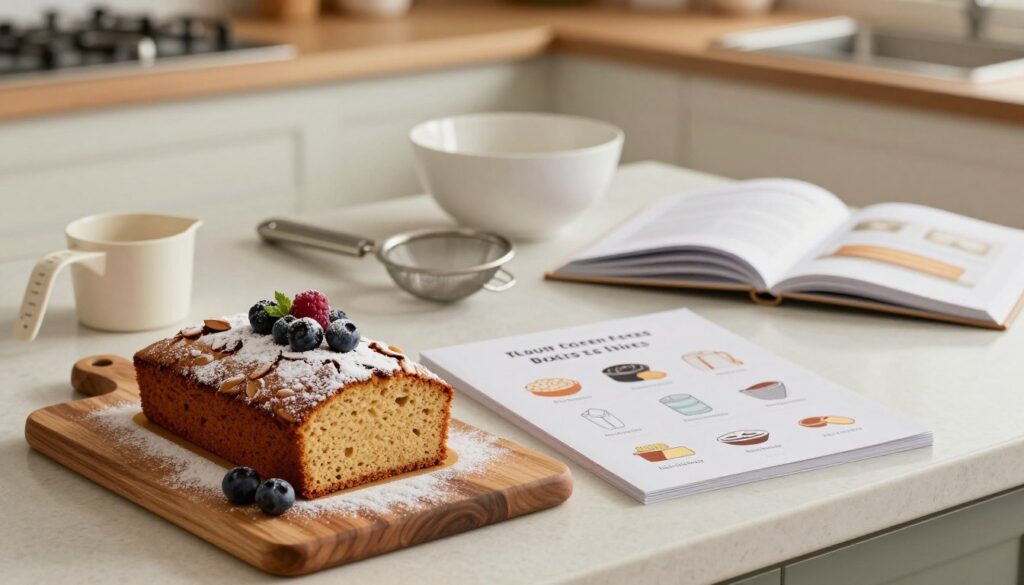
Baking with almond flour is fun and rewarding, but sometimes issues arise. The good news is that most problems have simple fixes. Knowing what went wrong helps you make a better gluten-free almond flour cake next time. Every baker faces challenges, and learning to troubleshoot turns mistakes into valuable lessons.
Your cake might be dense and heavy for a few reasons. Under-whipping eggs is a common mistake. The egg mixture needs enough air to be light and fluffy. Over-mixing after adding almond flour can also deflate air bubbles. Always measure flour correctly by spooning it into your cup and leveling it off.
A cake that sinks in the middle needs investigation. Opening your oven door too early can stop it from rising. Your oven temperature might be off, so use an oven thermometer to check it. Under-baking leaves the center wet and weak. Bake for 35-40 minutes and test with a toothpick. When it comes out clean or with just a few moist crumbs, your cake is done.
Dry or crumbly texture usually comes from over-baking. Remove your cake when the top turns golden and edges pull slightly from the pan. Over-baking dries out the delicate almond flour structure. Room temperature eggs and butter help create smooth batters. Cold ingredients don’t mix properly and can create uneven, holey crumbs. Let ingredients sit out for 30 minutes before starting.
A gummy center signals under-baking or uneven oven heat. Trust the toothpick test and your visual cues. How to make a moist almond flour cake from scratch depends on proper cooling too. Rest your cake in the pan for 15 minutes before turning it out. This cooling time allows the structure to set without collapsing.
Cakes that stick to the pan need better preparation. Grease your pan generously and line the bottom with parchment paper. Browning tops too quickly? Tent your cake loosely with foil halfway through baking. Easy almond flour baking becomes easier when you understand these common issues and their solutions. Check out how to make a moist almond flour for detailed guidance on perfect results.
Keep these troubleshooting tips handy:
- Dense cake: Whip eggs longer and measure flour correctly
- Sunken middle: Use an oven thermometer and avoid opening the door early
- Dry texture: Watch baking time carefully and use room temperature ingredients
- Gummy center: Extend baking time by a few minutes
- Sticking to pan: Line with parchment and grease thoroughly
- Browning too fast: Cover with foil partway through baking
Remember that baking is both science and art. Small adjustments based on your oven and ingredients lead to perfect cakes. You’ve got this.
Conclusion
You now have all you need to make a tasty homemade almond flour cake. This gluten-free cake is easy to make and tastes like it came from a bakery. You’ve learned how to whip eggs and fold in flour for that perfect texture.
This healthy dessert is great because you can make it simple or fancy. Add citrus zest and liqueurs for a special touch. The almond flour cake recipe is perfect for any occasion.
Storing this cake is easy. It stays fresh in the fridge or freezer, making it great for busy times. This recipe is perfect for those who love almond flour or need a gluten-free option. Baking is a joy, and making a homemade cake is incredibly rewarding.
Begin your baking journey today. Preheat your oven and get your ingredients ready. Experiment with flavors and make it your own. Share your creations with loved ones. Your kitchen will soon be filled with amazing smells.