The Best Easy Pesce in Umido recipe for beginners

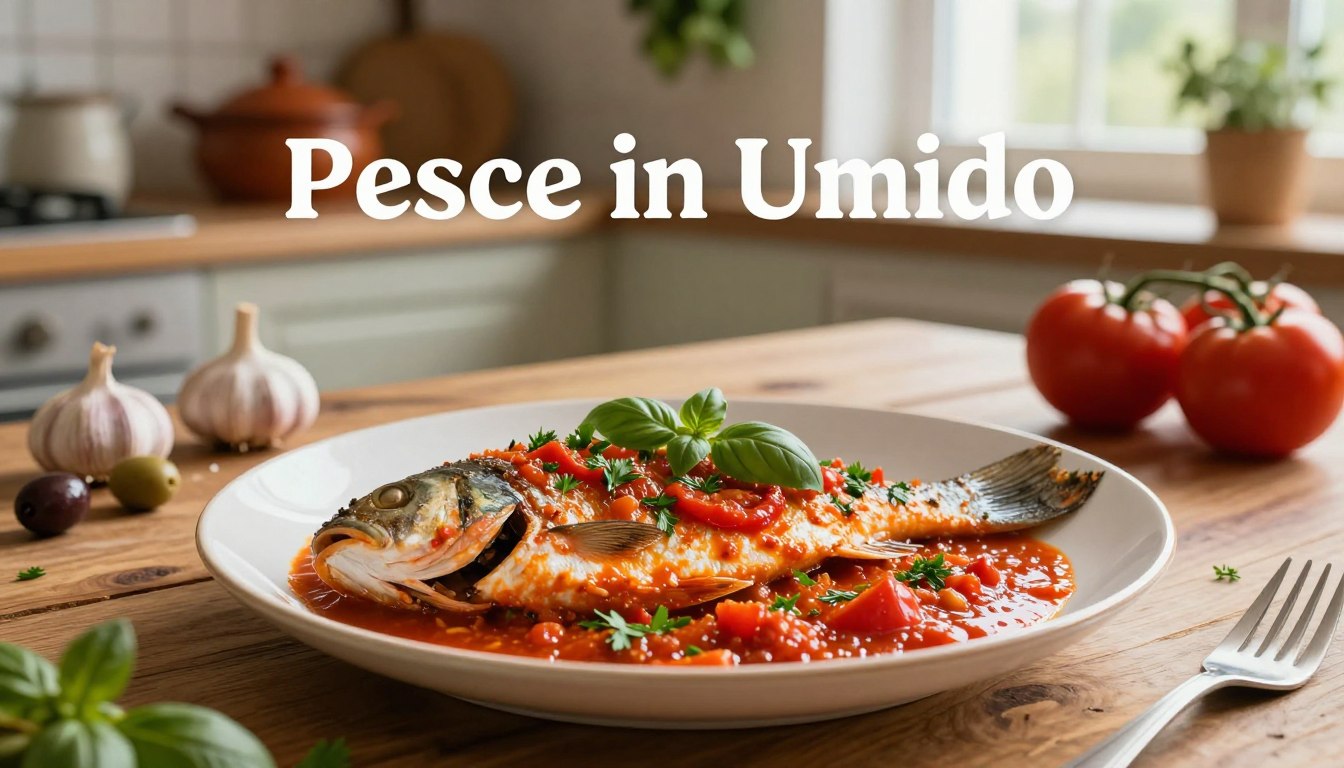
Sitting at a table with a steaming bowl of Italian fish stew is magical. The smell of tomatoes, garlic, and seafood fills the air. It’s amazing how something so delicious can be so simple to make.
Pesce in umido means braised fish in Italian. It’s a traditional dish that has warmed many family tables. The cooking method is easy, and the fish becomes tender and flavorful in minutes.
This recipe teaches you valuable cooking skills. You’ll learn to build flavors with olive oil, garlic, and fresh lemons. You’ll also learn how to cook fish so it stays moist and delicate.
This pesce in umido recipe is easy to make with minimal ingredients and simple steps. You won’t spend hours in the kitchen. Instead, you’ll have a beautiful, authentic Italian dish ready in about 30 minutes.
If you’re new to cooking fish, learning simple fish recipes opens up a world of healthy, delicious meals. The techniques you’ll master here work with many different types of seafood, giving you endless cooking possibilities.
Key Takeaways
- Pesce in umido is an Italian braised fish dish that’s perfect for beginner cooks
- This easy pesce in umido recipe uses minimal ingredients like tomatoes, garlic, olive oil, and white fish fillets
- The cooking process takes about 30 minutes from start to finish
- Your beginner-friendly Italian seafood recipe builds essential cooking skills you’ll use for years
- Fresh or frozen fish works equally well in this simple Italian fish recipe
- The tender fish and rich tomato sauce make this dish elegant enough for company
- You can pair pesce in umido with fresh vegetables and crusty bread for a complete meal
What is Pesce in Umido and Why You’ll Love This Italian Classic
Pesce in umido is a beloved Italian fish stew recipe. It brings the Mediterranean’s flavors to your dinner table. “Umido” means braised or stewed in Italian, making the fish tender.
This dish comes from coastal Italian cuisine. Families have made it for generations with simple ingredients.
This rustic italian seafood dish has won the hearts of many. Its beauty lies in its simplicity and forgiving nature. Fish cooks gently in a flavorful tomato sauce with garlic, olive oil, and herbs.
The Origins of This Traditional Mediterranean Fish Stew
This dish comes from Italy’s fishing communities. From Sicily to Calabria, fishermen’s wives made it with the daily catch and pantry staples. Each region had its own version based on local fish and traditions.
The traditional pesce in umido recipe is a true coastal Italian cuisine gem. These recipes were passed down through generations, not written in fancy cookbooks. Your grandmother’s grandmother might have made this dish when fish was plentiful and money was tight.
Key characteristics of this Mediterranean cooking method include:
- Slow braising in tomato sauce
- Use of fresh aromatics like garlic and parsley
- Minimal spices to let fish flavor shine
- One-pot cooking for easy cleanup
- Forgiving timing that doesn’t require precision
Why Pesce in Umido is Perfect for Beginner Cooks
You don’t need years of culinary experience to master this dish. The recipe requires basic cooking skills and simple ingredients. Your tomato sauce does most of the work while your fish cooks gently inside.
This traditional pesce in umido approach offers several advantages for new cooks:
| Benefit | Why It Matters for Beginners |
|---|---|
| Forgiving Cooking Time | Fish stays moist even if you cook it a few minutes longer |
| Simple Ingredients | No specialty items needed from Italian markets |
| One-Pot Method | Minimal dishes to wash after cooking |
| Restaurant Quality Results | Impressive presentation with minimal effort |
| Short Cooking Time | Dinner ready in under 30 minutes |
| Flexible Timing | Won’t dry out if held warm briefly |
You’ll feel confident preparing this authentic italian fish dish. The braising method keeps everything tender and full of flavor. Your coastal italian cuisine meal will taste like you spent hours cooking, even though your actual work time is minimal. This is the perfect entry point into Italian seafood cooking.
Essential Ingredients for an Authentic Pesce in Umido
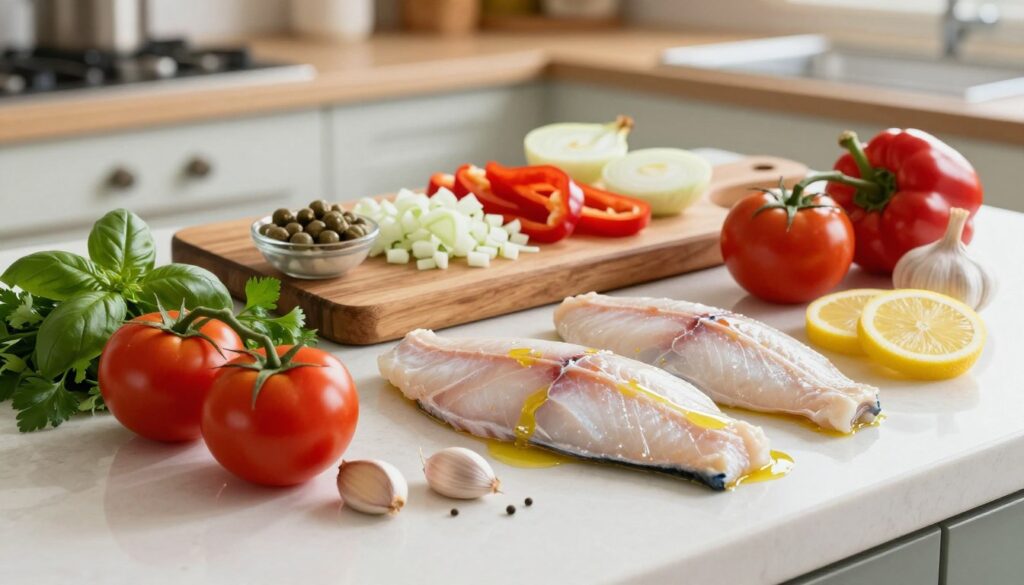
Creating a great authentic pesce in umido starts with the right ingredients. You don’t need fancy or hard-to-find items. This simple italian seafood stew uses quality basics that work well together. Let’s look at what you need to make this traditional Italian dish at home.
The base of your authentic pesce in umido is extra virgin olive oil. Use about one-quarter cup for the sauce base. Good olive oil adds rich, deep flavor that’s essential.
Minced garlic and tomatoes make the aromatic heart of your dish. Fresh garlic and tomatoes create a savory foundation that makes your stew taste authentic.
Your white fish fillets need quality treatment. Use about three pounds of boneless, skin-on fillets for eight people. The skin helps the fish stay together during cooking. Fresh parsley adds brightness and restaurant-quality appeal. Use fresh parsley, not dried, and remove the bitter stems before chopping.
Here’s your complete ingredient list for success:
- One-quarter cup extra virgin olive oil
- One large onion, finely diced
- Three cloves garlic, minced
- One-half cup fresh parsley, chopped
- One-half cup dry white wine
- Six ounces tomato paste
- Four cups water
- Three pounds white fish fillets
- One-half teaspoon dry oregano
- One teaspoon dry basil
- Salt and freshly ground black pepper to taste
The diced onion adds sweetness and body to your sauce base. Dry white wine deglazes your pan and adds subtle complexity. Tomato paste gives concentrated flavor that fresh tomatoes sometimes can’t match. Oregano and basil round out your seasoning profile, creating the Mediterranean character your dish needs.
When gathering your ingredients, remember that authentic Italian cooking keeps things simple. You’re building layers of real flavor with accessible items. Quality olive oil matters more than expensive specialty products. Fresh garlic and tomatoes bring brightness that transforms your cooking. According to flavor-packed fish recipes with simple ingredients, using straightforward components like lemon, herbs, and good oil creates restaurant-quality results at home.
Optional additions like capers and olives can enhance your Mediterranean character if you want extra depth. Some cooks add a touch of hot pepper flakes for warmth. Taste as you cook and adjust salt and black pepper to match your preferences. Your authentic pesce in umido comes together when you understand why each ingredient matters.
Choosing the Best Fish for Your Easy Pesce in Umido Recipe
Finding the right fish is crucial for a tasty mediterranean fish stew. You need a fish that stays firm and flaky in tomato sauce. The best fish should cook gently without falling apart.
Knowing your fish options at the market is key. This helps you make a dish that tastes like it came from a restaurant.
Your choice of fish greatly affects the dish’s taste. Some fish are perfect for slow cooking, while others fall apart. Let’s look at which white fish fillets are best and what to look for when shopping.
White Fish Fillets That Work Best
Cod is the top pick for pesce in umido. It stays firm even when slightly overcooked. Any firm, white, non-oily fish works well in this dish.
Here are some great options:
- Cod (the classic choice)
- Halibut (thick and hearty)
- Haddock (mild and tender)
- Sea bass (delicate flavor)
- Snapper (slightly sweet taste)
- Grouper (sturdy texture)
Avoid delicate fish like sole or flounder. They fall apart during cooking. Also, skip oily fish like salmon or mackerel. Their strong flavor can overpower the sauce.
Buy large fillets and cut them at home. This lets you adjust serving sizes and can save money. For a mediterranean fish stew, plan on three pounds of fish for eight people.
Fresh vs. Frozen Fish: What You Need to Know
Don’t worry if you find only frozen fish. Many frozen options are fresher than “fresh” fish. Fish recipes for every cooking style work well with frozen seafood simmered in tomato sauce.
When buying fresh fish, look for these signs:
- Clear, bright eyes
- Firm flesh that springs back when touched
- Fresh ocean smell (not fishy)
- Skin-on fillets (they hold together better)
If using frozen fish, thaw it slowly in the fridge overnight. Never thaw at room temperature to avoid bacterial growth. Skin-on fillets are better for this recipe. They help your fish stay in shape during simmering, keeping your dish looking great.
Easy Pesce in Umido Recipe

Want to make a tasty homemade Italian fish stew? This easy recipe brings Mediterranean flavors to your table with little effort. It serves eight and takes just over an hour to make. It’s perfect for weeknights or impressing guests.
This recipe uses simple pantry items you likely have. You’ll mix fresh fish, veggies, tomatoes, and herbs for a special dish.
| Ingredient | Amount | Purpose |
|---|---|---|
| White fish fillets (skin-on) | 3 pounds | Main protein |
| Extra virgin olive oil | 1/4 cup | Cooking base |
| Large onion, finely diced | 1 | Aromatic foundation |
| Garlic cloves, minced | 3 | Flavor enhancement |
| Fresh parsley, minced | 1/2 cup | Fresh garnish |
| Dry white wine | 1/2 cup | Depth of flavor |
| Tomato paste | 6 ounces | Rich tomato base |
| Water | 4 cups | Braising liquid |
| Dried oregano | 1/2 teaspoon | Italian seasoning |
| Dried basil | 1 teaspoon | Mediterranean herb |
| Salt and black pepper | To taste | Seasoning |
This recipe is simple. Start with onions and garlic, then add tomato paste for a rich sauce. Water and white wine mix in, followed by fish fillets. Let them cook until tender.
This stew tastes like a restaurant dish but is easy to make. It’s a family favorite you’ll make often. Plus, it’s a one-pot recipe, so cleanup is a breeze.
Step-by-Step Instructions for Making Pesce in Umido
Learning to make pesce in umido is easy. It’s a simple Italian dish you can make at home. It has two main parts. First, you make a flavorful sauce. Then, you cook the fish in that sauce until it’s tender.
This dish is great for beginners. Each step is easy and helps you build confidence in cooking.
Preparing Your Tomato Sauce Base
To start, cut your fish into 8 to 10 pieces. This makes it cook evenly and look good on the plate. Heat some olive oil in a large pan over medium heat.
Here’s how to make the sauce:
- Cook diced onion in olive oil until it’s translucent and slightly golden, about 5 minutes.
- Add minced garlic and cook for 1 minute until it smells good.
- Stir in fresh parsley and black pepper, cooking for 1 to 2 minutes without browning.
- Pour in dry white wine and cook until it’s all gone.
- Add tomato paste and sauté for 2 to 3 minutes, stirring until it darkens and smells sweet.
- Add water, oregano, basil, salt, and pepper, then boil gently for 20 to 30 minutes with the lid slightly ajar until the sauce thickens.
You can make this sauce ahead of time. Just refrigerate it and reheat it before adding the fish.
Cooking the Fish to Perfection
When your sauce is ready, it’s time to cook the fish. Knowing when to add the fish and how to cook it is key.
| Cooking Stage | Action | Time | Temperature |
|---|---|---|---|
| Adding Fish | Place fish skin-side down in sauce at medium boil, season with salt and pepper | Immediate | Medium boil |
| Cooking | Cover pot tightly, spoon sauce over fish occasionally | 20 minutes | Medium boil |
| Checking Doneness | Fish should flake easily with a fork and appear opaque throughout | At 20 minutes | Fully cooked |
| Final Adjustment | Taste sauce and adjust seasoning, thin with water if needed or simmer to reduce | 1-2 minutes | Medium heat |
When the sauce boils, add the fish skin-side down. Season the tops with salt and pepper. Cover the pot and cook for 20 minutes without turning the fish. This keeps it moist.
Your fish is done when it flakes easily and looks white. For more help, see the traditional pesce in umido method.
Before serving, taste the sauce and adjust the seasoning. If it’s too thick, add a little water. If it’s too thin, simmer it without the lid to thicken it.
Pesce in umido is easy to make and can be prepared ahead of time. It’s perfect for entertaining or busy weeknights when you want a great meal without stress.
Expert Tips for the Perfect Italian Fish Stew
Making a tasty tomato braised fish italian style dish is more than just a recipe. It’s about using professional techniques. The right tools and cooking methods can turn your stew into something amazing.
The size of your pan is key. A 15-inch rondeau or wide, deep sauté pan is best. It lets your fish cook evenly without breaking. If your pan is too small, cook the sauce first, then add the fish.
Getting the sauce right is what sets pros apart. Start with a thicker sauce than you think you need. As the fish cooks, it releases juices that thin the sauce perfectly. This way, you avoid a watery stew.
Don’t turn your fish while it’s cooking. Instead, spoon sauce over the top now and then. This keeps your fish intact and your dish looking great.
- Remove parsley stems before cooking to avoid bitterness
- Slide your fingers up the stem to pinch off just the leaves
- Make your sauce a day ahead for deeper flavor
- Reheat sauce and add fresh fish just before serving
- Adjust cooking time based on fish thickness
- Taste and adjust seasoning at the end
Timing is everything when making a mediterranean fish stew with fresh herbs. Take it off the heat quickly to avoid overcooking. Fish cooks fast, and overcooking makes it dry. A healthy italian fish stew recipe keeps it tender and flavorful.
Fixing a too-thin or too-thick sauce is easy. If it’s too thin, boil it down. Too thick? Add water slowly until it’s just right. Traditional Tuscan seafood dishes show us that being flexible in the kitchen is key. These tips help you make a stew that’s restaurant-quality every time.
Serving Suggestions and What to Pair with Your Pesce in Umido
Your quick Italian seafood recipe for dinner looks best in deep plates or shallow bowls. This lets you see the fish and tomato sauce beautifully. It makes your meal feel like a true Italian comfort food experience.
Think about what goes on the plate with your fish stew. The right sides soak up the sauce and enhance your dish. These pairings make your meal special, whether it’s a light and healthy dinner or a big family meal.
Traditional Italian Side Dishes
Your seafood lovers recipe needs sides that respect its flavors. Here are the classic Italian accompaniments that pair well with Pesce in Umido:
- Crusty Italian bread — Ciabatta, focaccia, or rustic country loaves are great for soaking up the sauce
- Steamed or roasted vegetables — Green beans, zucchini, or broccoli rabe add color and nutrition
- Brown rice or couscous — These grains soak up the flavorful broth well
- Fresh green salads — A simple salad with lemon juice and olive oil cuts through the richness
- Roasted sweet potatoes — Their sweetness complements the rustic Mediterranean flavors well
- Creamy polenta — This base makes your fish stew very satisfying
Exploring authentic fish recipe collections shows simple is best with Pesce in Umido. Start with a light antipasto of marinated olives and roasted peppers. It prepares your guests for the main course without filling them up.
Finishing touches are important. Add a squeeze of fresh lemon juice or a splash of quality vinegar. This brightens the dish and brings all flavors together. A drizzle of olive oil and fresh herbs like parsley or basil just before serving adds a nice touch.
| Wine Pairing | Flavor Profile | Why It Works |
|---|---|---|
| Pinot Grigio | Crisp and light | Cuts through the richness of the tomato sauce |
| Vermentino | Fresh with citrus notes | Enhances the Mediterranean flavors perfectly |
| Soave | Smooth and elegant | Complements white fish without overpowering it |
This meal is Italian comfort food at its best—satisfying yet light. Your guests will love the thoughtful sides that make the meal memorable. Pairing your main dish with these sides shows you care about serving a true Italian meal.
Common Mistakes to Avoid When Making This Mediterranean Fish Dish
Making a tasty traditional tuscan pesce in umido needs practice. But, knowing what to avoid can help. Many beginners make simple mistakes that ruin the dish. Learning these mistakes can help you make it right the first time.
One big mistake is how beginners treat the aromatics. You might think browning onions and garlic makes it better. But, it actually makes the dish bitter. Instead, cook them until they’re golden and fragrant.
Fish cooks quickly, so timing is key. Overcooking makes the fish dry and tough. Keep an eye on your fish stew recipe. It’s done when it flakes easily with a fork. Take it out of the heat right away, as it will keep cooking.
- Start with sauce that’s thicker than you think—it will thicken more as the fish cooks
- Never turn the fish during cooking—it breaks apart and ruins your presentation
- Use fresh parsley instead of dried—dried parsley lacks the bright flavor this dish needs
- Don’t skip the wine—it adds essential acidity and depth to your sauce
- Avoid crowding your pan—overlapping fish pieces steam rather than braise
Seasoning is important in your easy one pot mediterranean fish dish. Under-seasoning happens if you forget to taste and adjust at the end. Over-salting can sneak up on you if you’re not careful with tomato paste. Taste as you go and adjust as needed. Check out stress-free fish recipes for beginners to make cooking easier.
Choose the right fish for your traditional tuscan pesce in umido. Fish that’s too delicate falls apart easily, while oily varieties don’t work well. Medium-firm white fish is the best choice for your seafood simmered in tomato sauce.
Conclusion
You now have the recipe for an authentic easy pesce in umido recipe. It tastes like it came from an Italian kitchen. This simple seafood stew shows that great food doesn’t have to be hard.
With the steps and tips you’ve learned, you can make this homemade fish stew in under an hour. Your family and friends will be impressed by how good it tastes.
This recipe is simple and flexible. Once you learn the basic technique, you can experiment with different fish and ingredients. Sicilian cooking tradition emphasizes using quality ingredients simply.
Your pantry staples like olive oil, garlic, onion, tomatoes, and basil make bold flavors. These ingredients shine in every bite.
This dish is all about the beauty of Italian cooking—honest food that brings people together. You can enjoy it on weeknights or impress guests with little effort. Pesce in Umido is healthy and budget-friendly.
Embrace the Italian way of cooking. Choose the best ingredients, cook with care, and share with love. Your pesce in umido journey begins now. Buon appetito!