The Best Easy Ever Baked Salmon
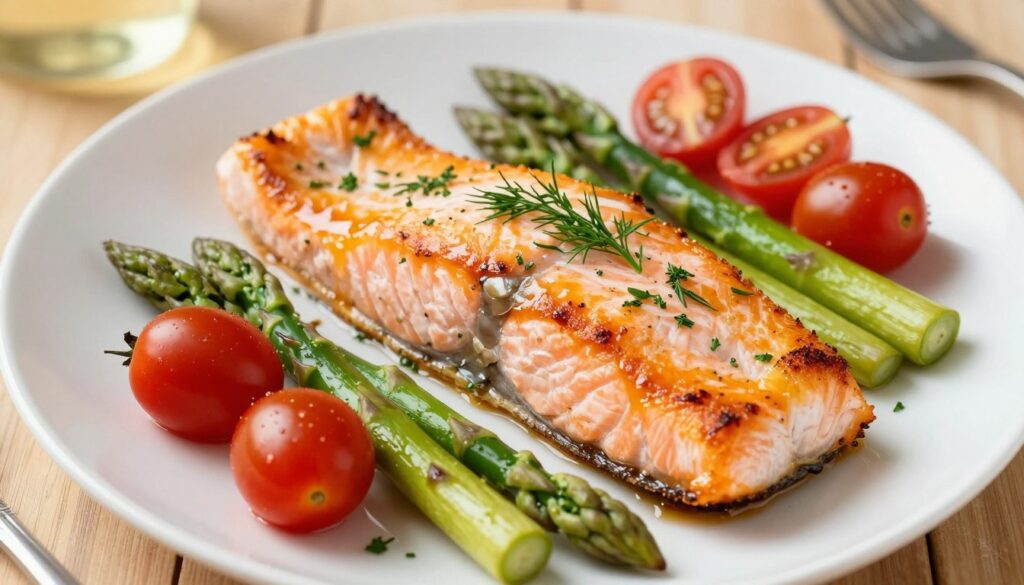
You’re in your kitchen on a Wednesday night. The kids need dinner, and your partner is hungry. You want something healthy but don’t have hours to cook. An easy baked salmon recipe is the answer. It’s quick, doesn’t need fancy skills, and tastes amazing.
Cooking salmon used to seem scary. You might have thought you’d mess it up or get dry, flaky fish. But, the truth is, the best easy baked salmon is simple. It takes less than 30 minutes with ingredients you likely have. Families in the Pacific Northwest have loved it for generations, and so will you.
This recipe is perfect for busy weeknights or when you have guests. It’s easy to make and always turns out great. Whether you’re new to cooking or looking to improve, this easy baked salmon is a winner. It’s a recipe you’ll make again and again because it’s so good.
Key Takeaways
- You can make best easy baked salmon in under 30 minutes from start to finish
- This baked salmon recipe easy method works perfectly for complete beginners and experienced cooks
- Simple ingredients create restaurant-quality results you’ll love
- Easy baked salmon works for busy weeknight dinners and impressive dinner parties
- Your family will ask for this recipe again and again
- You need minimal kitchen skills to master this dish
Why This Easy Baked Salmon Recipe Is Your New Weeknight Go-To
Finding a dinner that everyone likes can be tough. You want it to be quick, healthy, and simple. This beginner baked salmon recipe fits the bill perfectly. Real families say their kids love it, which is the best compliment.
This recipe is easy but flavorful. You don’t need to be a pro in the kitchen. It’s simple and stress-free.
Perfect for Beginners and Busy Families
This recipe is great for both newbies and busy families. It’s easy to follow and can’t be messed up. You won’t need any special ingredients or tools.
Even picky eaters enjoy this salmon. Parents say it’s a game-changer for weeknights. Check out stress-free fish recipes for beginners for more ideas.
- No complicated cooking techniques
- No special culinary skills needed
- No last-minute store trips required
- No confusing or hard-to-find ingredients
Healthy Dinner Ready in Under 30 Minutes
Your quick salmon recipe is fast. Here’s how it goes:
| Stage | Time Required | What You’re Doing |
|---|---|---|
| Prep Work | 10 minutes | Mix spices, prepare pan, season salmon |
| Baking Time | 10-15 minutes | Salmon bakes while you prepare sides |
| Total Time | 20-25 minutes | Healthy dinner ready to serve |
While your salmon bakes, you can do other things. Chop veggies, help with homework, or set the table. The oven works its magic while you multitask.
This recipe is perfect for busy nights. You don’t need to spend hours cooking. It’s quick, efficient, and delicious. Learn more about baked salmon preparation methods to improve your skills.
Your family gets a healthy meal in under 30 minutes. No need for takeout. Just enjoy a tasty, home-cooked meal.
Understanding Salmon: Types and What to Buy
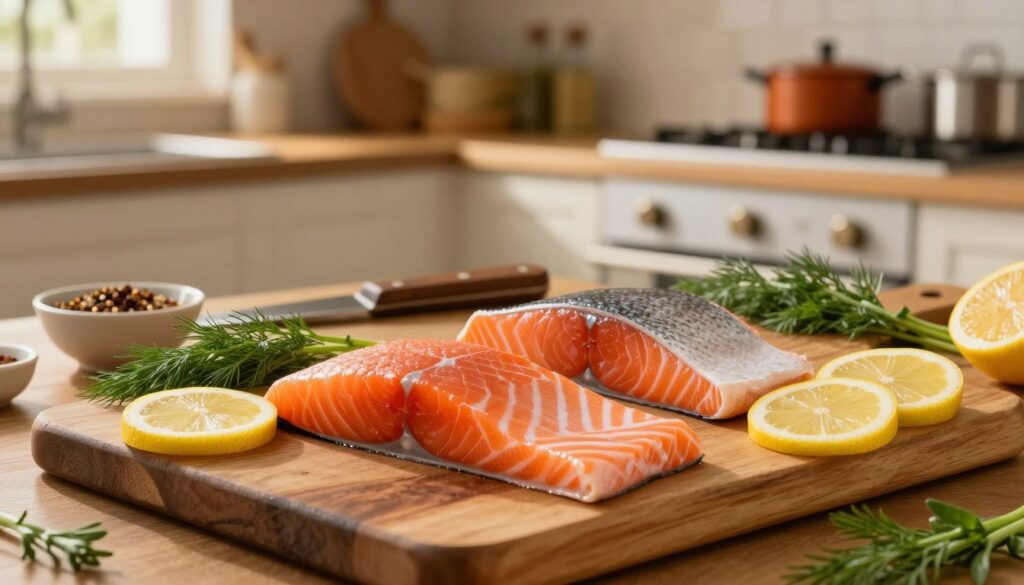
When you enter the seafood section, it can be overwhelming. You’re looking for salmon for your best baked salmon recipe. There are many types, each with its own taste and texture. Knowing what you’re choosing is key to a great simple salmon dinner.
Pacific salmon has five main types. You’ll often see Chinook (King salmon), Sockeye, and Coho. Pink salmon is usually canned, and Chum is mostly for roe. For whole fillets, you’ll mostly pick between these three.
Wild Sockeye salmon is lean and perfect for baking. Bristol Bay Alaska Sockeye is a top choice. It comes from the biggest sockeye run, caught by 8,000 fishermen in small boats. Their sustainable methods help protect fish for the future.
When buying salmon, look for these signs of quality:
- Vibrantly colored flesh with no gray or brown spots
- Moist appearance that looks fresh, not dried out
- Fresh ocean smell, not a strong fishy odor
- Shiny skin with firm texture
Flash-frozen salmon is very high quality. It’s frozen right after catching, keeping it fresh. Don’t think frozen is bad—it’s often better than “fresh” fish that’s been sitting for days.
Wild salmon tastes better and is more sustainable than farmed. Look for Marine Stewardship Council certifications. You can also check the Monterey Bay Aquarium’s Seafood Watch program for more info on salmon sources.
Essential Ingredients for Perfect Baked Salmon
Creating delicious baked salmon is easy with the right ingredients. You’ll need a quality salmon fillet, basic pantry items, and a tasty glaze. This dish is simple to make and tastes like it came from a restaurant.
When buying salmon, ask for a whole fillet. This means half a salmon with the skin on one side. A two-pound fillet is perfect for most families. Quality fish makes all the difference in your dish.
The Simple Glaze That Makes All the Difference
A great glaze can turn good salmon into amazing salmon. You have three great glaze options to choose from. Each one gives a different flavor.
| Glaze Type | Main Ingredients | Best For | Flavor Profile |
|---|---|---|---|
| Brown Sugar Version | Brown sugar, olive oil, paprika, salt, pepper, garlic powder | Families with kids | Subtle sweetness and warmth |
| Honey-Garlic-Soy | Soy sauce, olive oil, honey, Dijon mustard, minced garlic | Asian-inspired meals | Savory, tangy, and rich |
| Butter-Honey-Herb | Melted butter, honey, fresh garlic, dried oregano, fresh thyme | Special occasions | Aromatic and luxurious |
Your glaze needs oil or butter, sweetness, garlic, and herbs. Oil or butter keeps the fish moist and flavors stick. Sweetness balances the salmon’s flavor. Garlic adds depth, and herbs add aroma.
For garlic butter baked salmon, use fresh garlic or garlic powder. Fresh garlic gives more control, while garlic powder spreads evenly.
Here are some simple swaps if you’re missing an ingredient:
- Honey works perfectly when you don’t have brown sugar
- Olive oil substitutes for butter if you prefer
- Garlic powder replaces fresh garlic for even coverage
- Fresh parsley adds color as a finishing touch
Why Quality Matters When Choosing Your Salmon
The best technique can’t fix poor-quality fish. Starting with excellent salmon is essential. Even a simple glaze can make your dish magical.
Choose salmon that smells fresh and ocean-like. The flesh should be firm and vibrant pink. Ask your fishmonger when the salmon arrived. Fresh fish makes a big difference.
Quality salmon lets your dish shine without needing heavy sauces. You’re letting the fish’s flavor shine while the glaze enhances it.
How to Prepare Your Salmon for Baking
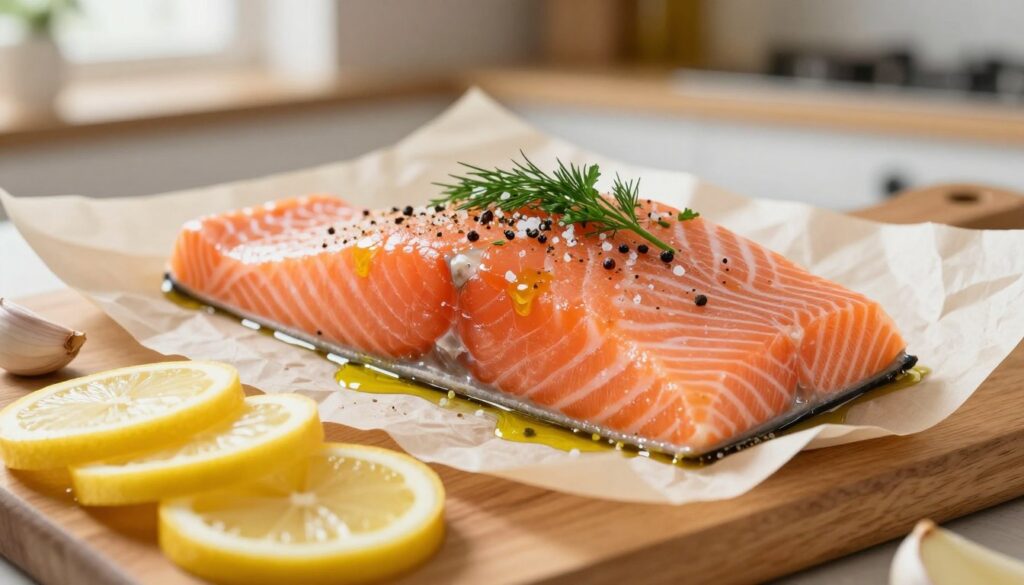
Preparing your baked salmon fillet for the oven is easy. Start by letting it sit at room temperature for about 15 minutes. This ensures it cooks evenly, avoiding overcooking on the outside and keeping the inside cold.
Pat the salmon dry with paper towels before seasoning. This step is crucial to prevent moisture from ruining the browning. Place the fillet skin-side down on the baking sheet, with the pink flesh up. The skin helps keep the salmon moist during cooking.
Season the salmon with salt and pepper generously. For a nice touch, place thin lemon slices on parchment paper before adding the fillet. These lemon slices roast with the fish, adding a delicious citrus flavor.
Brush the salmon with olive oil to prevent drying and help seasonings stick. According to expert guides on easy oven-baked fish recipes, keeping the skin intact is key for moisture.
Your salmon is now ready for the oven. After cooking, the skin will peel away easily with a thin metal spatula if you don’t want to eat it.
| Preparation Step | Time Required | Why It Matters |
|---|---|---|
| Let salmon reach room temperature | 15 minutes | Ensures even cooking from edge to center |
| Pat salmon dry | 2 minutes | Improves browning and texture |
| Season with salt and pepper | 1 minute | Enhances natural fish flavor |
| Brush with olive oil | 1 minute | Prevents drying and aids seasoning adherence |
| Position skin-side down | 1 minute | Keeps moisture locked inside the fillet |
By following these simple steps, your salmon will be perfectly ready for baking.
Step-by-Step Instructions for Baking Salmon in the Oven
Getting your salmon ready for the oven is a simple process. It starts with setting up your baking sheet and knowing the right timing. Let’s go through the steps to make a delicious meal at home.
Preparing Your Baking Sheet for Easy Cleanup
Your baking sheet setup is key. Start by lining your sheet pan with aluminum foil. Then add a layer of parchment paper on top of the foil.
The foil catches drips and spills, making cleanup easy. The parchment paper prevents lemon slices from touching the foil. It also stops your salmon from sticking to the pan.
Place your lemon slices on the parchment, then your seasoned salmon on top. Fold the edges of both the parchment and foil up around your fish. This keeps all the juices and glaze inside, preventing them from burning.
The Perfect Baking Temperature and Time
The best temperature for baked salmon is between 350°F and 400°F. Most home cooks prefer 375°F. The baking time depends on the salmon’s thickness and weight.
| Oven Temperature | Salmon Weight/Size | Baking Time | Additional Notes |
|---|---|---|---|
| 350°F | 3-pound fillet | About 25 minutes | Optional broiling for 4-6 minutes adds caramelized spots |
| 375°F | 2-pound fillet | 10-15 minutes | Ideal temperature for most home kitchens |
| 400°F | Standard fillets (1-1.5 inches) | 12-20 minutes | Apply glaze halfway through cooking |
For thinner fillets, bake for 12-15 minutes. Thicker fillets need 20-25 minutes. Many recipes use a two-stage glazing technique. Brush half the glaze before baking, then the rest halfway through.
Some recipes include a broiling step for 4-6 minutes. This adds caramelized spots on top. Just be careful not to burn it. Check out this best-baked salmon recipe for a detailed guide.
- Preheat your oven to your chosen temperature before you begin
- Line your sheet pan with foil, then parchment paper
- Arrange lemon slices in an even layer
- Season your salmon with salt and pepper
- Apply your glaze mixture
- Fold parchment and foil edges up to contain juices
- Bake for the time recommended for your salmon’s thickness
- Check for doneness at the minimum time
How to Tell When Your Salmon Is Perfectly Cooked
Knowing when your salmon is done is key to stress-free cooking. You have several ways to check. Your foolproof baked salmon recipe will be even better when you know the signs of perfect doneness.
The best way to check is with an instant-read thermometer. Stick the thermometer into the thickest part of the salmon, avoiding the pan. The FDA says it should be 145°F inside. But many prefer 125-130°F for a moist, buttery texture.
Your taste preferences play a big role in cooking flaky baked salmon. Different temperatures yield different textures:
- 115-125°F produces medium-rare salmon that’s very moist and tender
- 125-135°F gives you medium salmon that’s still juicy with a firmer texture
- 135-145°F results in well-done salmon that’s fully opaque throughout
Remember, your salmon will cook a bit more after you take it out of the oven. This is called carryover cooking. So, pull your fish out a few degrees before your target temperature. Salmon can go from perfect to dry fast, so watch it closely during the last few minutes.
Don’t have a thermometer? Try the fork-flaking method. Insert a fork into the thickest part and twist. If it flakes easily and looks opaque, it’s ready. Cooked salmon should flake into tender pieces, never dry or rubbery.
Experiment to find your perfect doneness level. Like steak, some like their salmon more done, while others prefer it less cooked. Each time you cook, you’ll get better at it and master this foolproof baked salmon recipe.
Health Benefits of Wild Salmon and Omega-3 Fatty Acids
Your healthy baked salmon recipe is more than just a meal. It’s packed with nutrients that are great for your health. Salmon is full of omega-3 fatty acids, which are good for your heart and body.
These omega-3s are essential fats that your body needs. They help reduce inflammation and keep your heart healthy. Choosing salmon for dinner means you’re protecting your family’s health.
Why Salmon Is a Nutritional Powerhouse
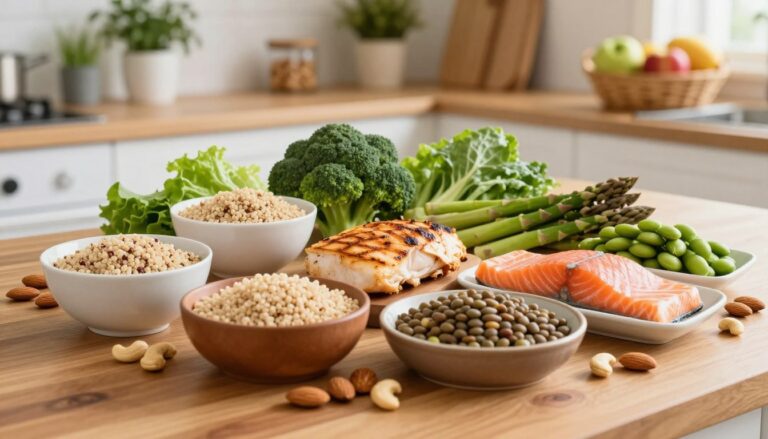
Wild salmon, like Bristol Bay Sockeye, is a nutritional superstar. They eat krill and plankton, which makes them pink-red and full of nutrients. A 6-ounce serving of salmon has about 34 grams of protein.
Salmon also has lots of vitamin A for your eyes and immune system. The real benefit is astaxanthin, a natural antioxidant. It fights free radicals and supports heart health.
| Nutrient | Amount per 6 oz Serving | Health Benefit |
|---|---|---|
| Protein | 34 grams | Builds and repairs muscles, supports immune function |
| Omega-3 Fatty Acids | 2.5-3 grams | Reduces inflammation, supports heart and brain health |
| Vitamin A | High levels | Supports eye health and cell growth |
| Astaxanthin | 5-12 mg | Powerful antioxidant, fights free radicals |
| Total Calories | Approximately 279 | Energy source with minimal carbohydrates |
When you serve salmon with little fat and seasonings, you’re celebrating its natural goodness. It has about 14 grams of healthy fat and few carbs. This makes it perfect for many diets, like low-carb and Mediterranean.
- Supports cardiovascular health by lowering triglyceride levels
- Improves skin health by maintaining moisture and elasticity
- Enhances brain function through essential fatty acids
- Helps regulate hormones naturally
- Provides protection against certain health conditions
Your family will love the taste and get the nutrition they need. That’s why salmon is a great choice for dinner.
Serving Suggestions and Side Dish Pairings
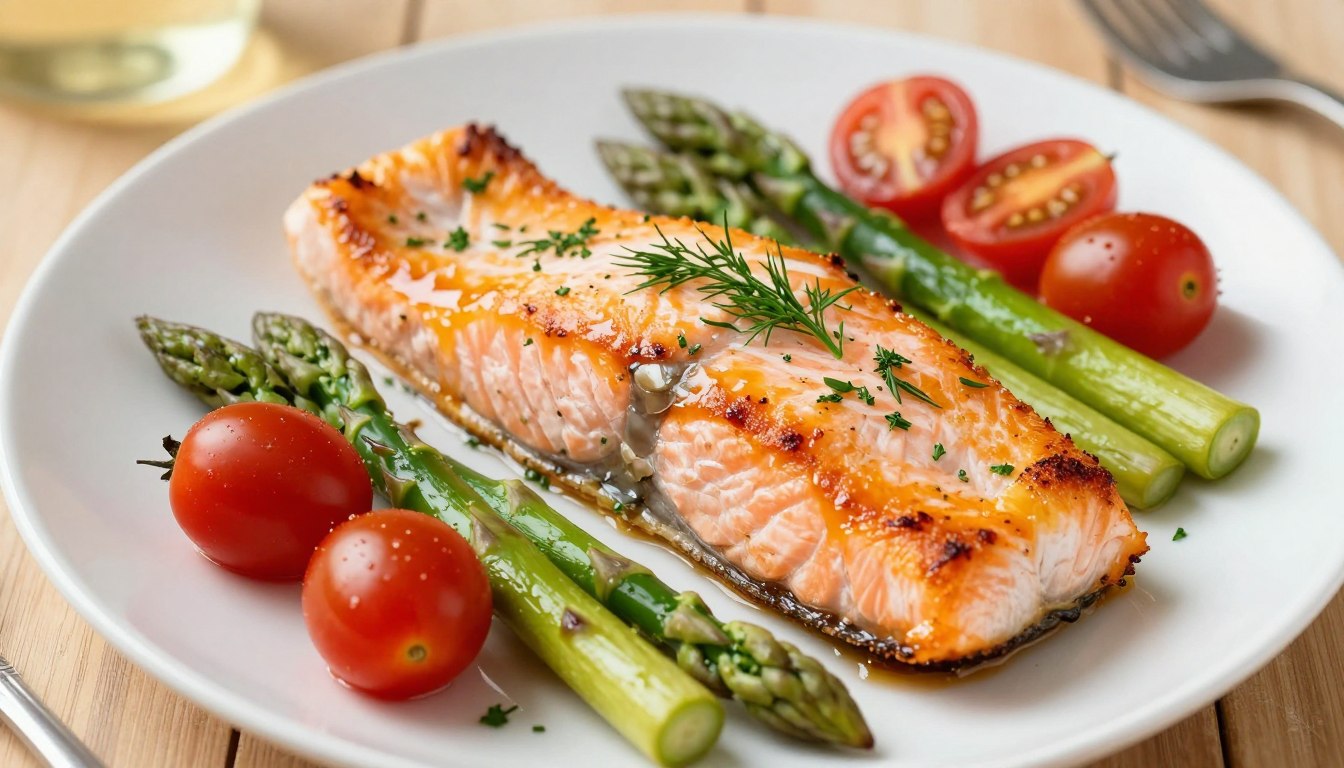
It’s easy to make a full meal with your baked salmon ready in 20 minutes. Pair it with a starch and a vegetable for a balanced plate. This turns your quick dinner into a meal fit for a restaurant.
Choose your starch based on what you like and what you have. Simple sides like white or brown are great for soaking up the salmon glaze. For a heartier option, try roasted or mashed potatoes.
Herb roasted potatoes add flavor, while chili oil smashed potatoes are a fun twist. They impress your guests.
Vegetable sides go well with baked salmon and cook at the same time. Roasted Brussels sprouts offer a crunchy contrast. Sautéed green beans are light and refreshing.
Air fryer asparagus, roasted broccolini, and steamed broccoli all pair well. For an Asian touch, try bok choy. Fresh salads like kale or cucumber and tomato add freshness.
| Starch Options | Vegetable Options | Special Additions |
|---|---|---|
| White or Brown Rice | Roasted Brussels Sprouts | Focaccia Bread |
| Roasted Potatoes | Sautéed Green Beans | Kale Salad |
| Mashed Potatoes | Air Fryer Asparagus | Cucumber and Tomato Salad |
| Herb Roasted Potatoes | Roasted Broccolini | Green Beans with Cranberries and Almonds |
| Chili Oil Smashed Potatoes | Bok Choy | Cauliflower Rice |
On busy weeknights, keep things simple with rice and steamed veggies. For a special occasion, add homemade focaccia and creative veggies. The beauty of baked salmon is that many sides cook together in the oven or air fryer.
Remember, leftover salmon is great on salads the next day. This makes salmon a practical choice for meal planning all week.
Storage Tips and Using Leftover Baked Salmon
Easy baked salmon in foil is great for meal prep and leftovers. Let it cool to room temperature before storing. Don’t leave it out for more than two hours. Once cooled, put it in an airtight container in the fridge. It stays fresh for three to four days.
Cooked salmon doesn’t freeze well. Raw salmon freezes great, but cooked salmon gets mushy. So, use leftovers within a few days instead of freezing.
Here’s a smart storage hack: if you used foil, refrigerate the salmon on the foil-lined pan. Just cover it with plastic wrap for a quick meal the next day.
Best Ways to Enjoy Salmon the Next Day
Leftover salmon tastes better cold than reheated. Cold salmon is actually delicious. It’s perfect for quick meals the next day. Here are some cold serving ideas:
- Flake cold salmon over fresh green salads with your favorite vinaigrette
- Mix it into salmon salad with mayo, celery, and fresh dill
- Add it to grain bowls with quinoa, rice, and fresh vegetables
- Use it in cold pasta salads with lemon dressing
- Create salmon cakes by mixing with breadcrumbs, egg, and seasonings, then pan-fry them
- Make salmon omelets or frittatas for a protein-packed breakfast
If you must reheat your salmon, do it gently. Try warming it in a low oven at 275°F for ten to fifteen minutes. Or use 50% power in your microwave with short intervals. Heating it gently in a covered pan on the stovetop works too. These methods help keep the salmon’s texture and flavor.
Conclusion
You now have all you need to make perfect oven baked salmon tonight. This recipe is simple, quick, and nutritious. Thousands of home cooks have mastered it, even if they were beginners.
Oven baked salmon is special because it meets all your needs. It’s ready in under 30 minutes. It’s full of omega-3s and protein your body loves. Plus, it tastes like a chef made it.
This dish is perfect for busy nights or when you’re hosting guests. It’s not just a one-time try. It becomes a family favorite. You’ll make it again and again.
Don’t worry about cooking fish at home. Just follow the steps and trust the process. Get creative with glazes and sides to make it yours. Share your success with others if you like.
Most importantly, know you’re making something delicious and healthy in your kitchen. Your family will love it. Now, go make that beautiful oven baked salmon.