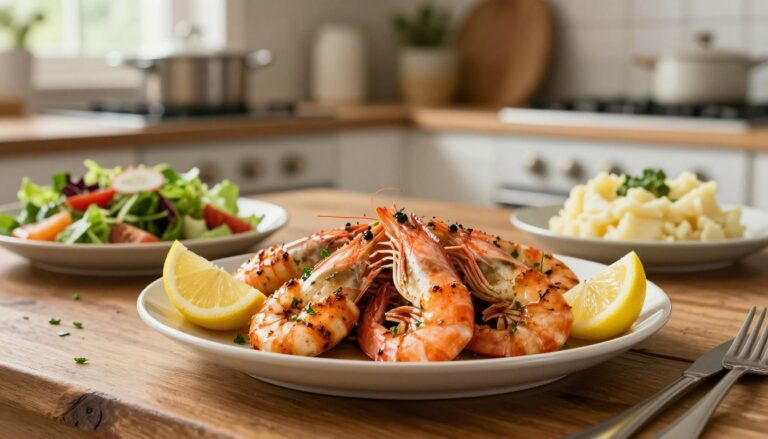

The Quick Tips to Make the BEST Seafood Dishes
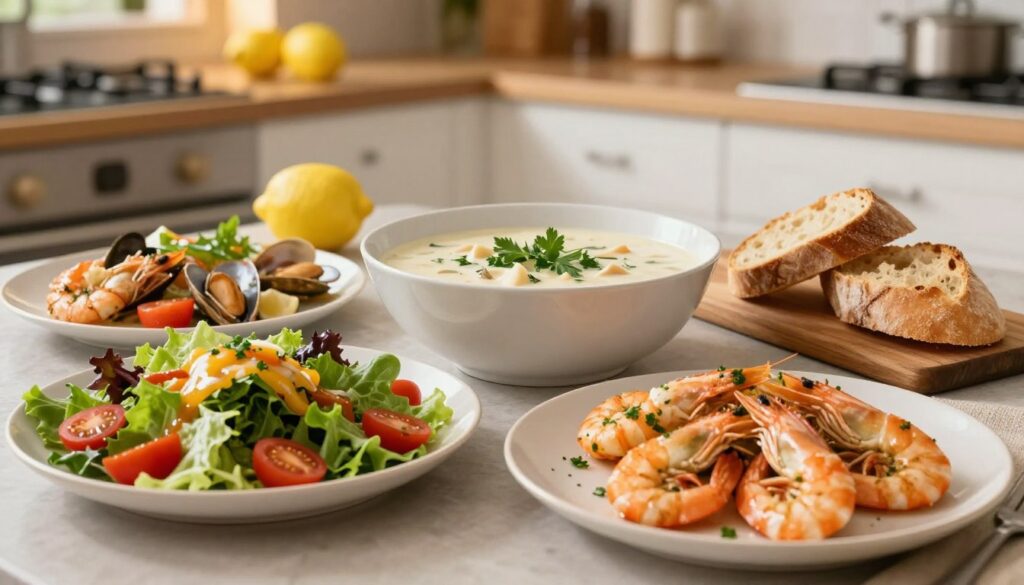
Imagine walking into your favorite seafood restaurant and ordering a dish that tastes amazing. You wonder, why can’t I make this at home? The truth is, you can. Many people love seafood but feel nervous cooking it at home. But, making seafood dishes at home is easier than you think.
Seafood is easy to cook once you know a few key tips. It cooks fast and needs little fuss. You don’t need fancy training or hard recipes to make great seafood dishes. This guide will help you feel confident and learn simple tips.
Whether you’re cooking for dinner or impressing guests, making the best seafood dishes at home is simple. Seafood is not scary; it’s easy to master. With quick tips, you’ll be cooking like a pro in no time. Ready to change how you cook? Let’s start and see how easy seafood dishes can become your new favorite kitchen creations.
Key Takeaways
- Seafood cooks much faster than chicken or beef, making it perfect for busy weeknights.
- The main challenge is avoiding overcooking, not complicated techniques or special skills.
- Fresh or frozen seafood both work well when you understand proper storage and timing.
- Simple marinades and basic cooking methods deliver restaurant-quality results at home.
- Shrimp and fish are the best starting points for beginners building confidence in the kitchen.
- Quality matters, so choosing good seafood is the foundation of great dishes.
- You can master seafood cooking with practice and a few essential quick tips.
Why Seafood Should Be Your Go-To Weeknight Protein
Seafood is a great choice for healthy meals at home. It’s full of nutrients, cooks fast, and fits into busy schedules. Whether you’re looking for quick meals or healthy dinner ideas, seafood is a smart pick.
Nutritional Benefits of Adding Seafood to Your Weekly Meal Plan
Seafood is packed with nutrients that few proteins have. Fish and shrimp have lots of Omega-3 fatty acids. These fats are good for your heart and brain, important for kids and adults.
Seafood also has lean protein without too many calories. A serving of fish gives you about 43 grams of protein. This protein helps build muscle and keeps your immune system strong. Eating seafood 2-3 times a week is good for your health.
Seafood also has vitamins and minerals like selenium, vitamin D, and iodine. These help your bones, immune system, and metabolism. Adding seafood recipes ready in 30 minutes to your meals makes healthy choices tasty.
| Nutritional Component | Benefit | Best Sources |
|---|---|---|
| Omega-3 Fatty Acids | Supports heart and brain health | Salmon, mackerel, sardines |
| Lean Protein | Builds muscle and keeps you full | Cod, tilapia, shrimp |
| Vitamin D | Promotes bone health | Salmon, halibut, tuna |
| Selenium | Supports immune function | Tuna, halibut, shrimp |
How Seafood Cooks Faster Than Other Proteins
Seafood is quick to cook, perfect for busy nights. Fish fillets cook in 6-10 minutes, and shrimp in just 3-5 minutes.
This quick cooking makes seafood ideal for fast meals. It lets you serve a nutritious meal without stress. Your family enjoys meals like restaurants, but faster.
Here’s how different proteins stack up:
- Fish fillets: 6-10 minutes total
- Shrimp: 3-5 minutes total
- Chicken breasts: 25-30 minutes
- Beef steaks: 30+ minutes
- Pork chops: 20-25 minutes
Seafood’s quick cooking opens up many dinner ideas. You can pan-sear, bake, or grill it fast. This means you can make fancy dinners at home without spending hours cooking.
Fresh seafood is best cooked within a day or two. But frozen seafood is also great, offering flexibility and nutrition. Both options are perfect for your kitchen, available all year.
Choosing Quality Seafood: The Foundation of Great Dishes

The secret to making outstanding seafood meals starts at the fish counter, not in your kitchen. Your choice of ingredients determines whether your dish will shine or fall flat. Building a strong relationship with your local fishmonger or seafood department staff makes all the difference. These experts can guide you toward the freshest catches and help you understand what makes quality seafood stand out from ordinary options.
When shopping for fresh seafood recipes and top seafood meals, look for these key signs of quality. Fish should have clear, bright eyes, never cloudy or sunken. Press the flesh gently—it should spring back immediately. The smell matters too. Quality fish smells like the ocean, clean and mild. A strong fishy odor signals that the seafood is past its prime. The meat should look moist and vibrant in color, not dull or faded.
Understanding fresh vs frozen seafood helps you make smart choices. High-quality frozen seafood, flash-frozen on the boat within hours of capture, can actually be fresher than “fresh” fish sitting on ice for days. If you buy frozen options, thaw them overnight in your refrigerator in a covered bowl. Quality seafood differs based on origin and processing, with coastal catches offering advantages like shorter time from harvest to your plate.
Sustainable seafood choices matter for both flavor and the environment. Look for certifications from the Marine Stewardship Council (MSC) or Aquaculture Stewardship Council (ASC) on packaging. Wild-caught, locally-sourced options often deliver superior taste and support better fishing practices. Plan your fresh seafood purchases strategically—buy fresh fish when you plan to cook it within a day or two, while frozen offers more flexibility for your weekly seafood cooking guide.
| Seafood Type | Fresh Storage Time | Best Uses | Quality Indicators |
|---|---|---|---|
| White Fish (Cod, Halibut) | 1-2 days | Baking, pan-frying | Firm flesh, mild smell, clear eyes |
| Salmon | 1-2 days | Grilling, baking, raw preparations | Bright color, elastic meat, ocean aroma |
| Shrimp | 1-2 days | Quick sautéing, steaming | Firm texture, no black spots, translucent |
| Frozen Quality Fish | 3-4 months | Any preparation method | No ice crystals, sealed packaging, MSC certified |
Your seafood cooking guide should always begin with smart shopping. Ask your fishmonger which fish arrived today and what’s being caught locally this season. Request special orders if you need specific varieties. Store fresh seafood on the coldest shelf of your refrigerator. Fish recipes for every cooking style work best when you start with premium ingredients that preserve natural sweetness and firm texture. Quality foundations lead to restaurant-quality results at home.
Essential Timing Tips to Avoid Overcooking Seafood
Learning to cook seafood perfectly is all about timing. Fish and shrimp cook fast, in just minutes. Unlike chicken or pork, seafood turns dry and rubbery quickly if overcooked. So, timing and temperature control are key.
Knowing a seafood temperature guide helps you know when it’s ready. Fish should reach 145°F (63°C) to be safe. A digital meat thermometer or visual cues can help.
Here are signs to avoid overcooking seafood:
- Fish should flake easily with a fork when fully cooked
- The flesh turns opaque throughout
- Juices run clear, not cloudy
- The thickest part feels firm but not hard
Using a Cake Tester to Check Fish Doneness
Professional chefs use a cake tester or thin metal skewer. It’s a secret weapon for cooking fish perfectly. Insert it into the thickest part of the fish fillet.
When it slides through with minimal resistance and feels warm, your fish is done. If it feels hard, it needs more time. This method beats guessing and helps avoid overcooking. Let your fish rest at room temperature for 10-15 minutes before cooking.
How to Tell When Shrimp Are Perfectly Cooked
Cooking shrimp is simpler because the signs are clear. Watch for them to turn from gray and translucent to bright pink and opaque. This color change means they’re almost done.
| Shrimp Size | Pan-Seared Time | Visual Cue | Doneness |
|---|---|---|---|
| Small (60-70 count) | 1-2 minutes per side | Pink throughout | Firm, slightly springy |
| Medium (40-50 count) | 2-3 minutes per side | Pink with slight curve | Firm but tender |
| Large (25-30 count) | 3-4 minutes per side | Bright pink, C-shaped | Cooked through |
Shrimp should curl into a gentle C-shape when cooked right. A tight O-shape means they’re overcooked. Stop cooking immediately when you see the color change and slight curl. This ensures consistent results every time.
The Power of Quick Marinades for Maximum Flavor
Marinades are a great way to add flavor to seafood quickly. Unlike beef or chicken, seafood needs a different approach. Fish and shrimp have proteins that react fast to flavorful liquids.
The science is simple. Acidic ingredients in marinades can “cook” your fish too long. This makes it mushy and loses quality. The key is to marinate for thirty minutes for the best flavor without damaging the meat.
Different marinade ingredients work in different ways. Salt and acid penetrate quickly, while oil and herbs work on the surface. Knowing this helps you create the best seasoning for seafood dishes. An easy Asian marinade combines garlic, ginger, green onions, soy sauce, lime juice, and sesame for amazing depth of flavor in just thirty minutes.
| Marinade Type | Key Ingredients | Ideal Marinating Time | Best Seafood Choices |
|---|---|---|---|
| Citrus-Based | Lemon juice, lime juice, garlic, olive oil | 20-30 minutes | Cod, halibut, sea bass, shrimp |
| Asian-Inspired | Soy sauce, ginger, sesame oil, green onions | 30-45 minutes | Salmon, tuna, tilapia, shrimp |
| Mediterranean | Olive oil, lemon, oregano, garlic, thyme | 15-30 minutes | Sea bass, snapper, swordfish |
| Herb & Wine | White wine, fresh herbs, garlic, butter | 20-30 minutes | Flounder, sole, grouper |
Quick marinade formulas deliver maximum impact in short timeframes. Try lemon-garlic-herb blends for classic flavors. Asian-inspired ginger-soy-sesame combinations bring bold tastes to your table. Mediterranean olive oil-citrus-oregano blends work beautifully with most white fish. For quick seafood recipes, you can prepare your marinade while your oven preheats or your grill warms up.
Dry rubs offer an excellent alternative to wet marinades. These work on the surface of your fish and shrimp without any soaking time. You can use simple fish recipes with quick marinades for maximum or create seafood sauce ideas that you prepare while your fish cooks. Adding sauce at serving time brings fresh flavor without the worry of overcooking your delicate proteins.
Here are key ingredients for powerful quick marinades:
- Fresh lemon or lime juice for brightness and acid
- Minced garlic for instant flavor enhancement
- Quality olive oil for moisture and richness
- Soy sauce or coconut aminos for salty depth
- Sesame oil for nutty complexity
- Fresh herbs like cilantro, parsley, or dill
- Ginger for spicy warmth
- Honey for subtle sweetness and balance
Seafood seasoning tips focus on balance and restraint. You don’t need hours to achieve restaurant-quality results. Your marinade should coat your meat thoroughly in a large ziplock bag. Keep your seafood in the refrigerator during marinating time. When you’re ready to cook, pat your fish or shrimp dry before heating your pan or grill. This helps you get better searing and prevents sticking.
Remember that thinner cuts of fish cook faster and pair better with longer marinating times. Your thick steaks need shorter marinating periods to avoid becoming mushy. Easy seafood recipes succeed when you respect these timing guidelines and understand how your proteins respond to acidic ingredients. Best seasoning for seafood dishes comes from knowing when to stop marinating and start cooking.
Simple Preparation Methods That Deliver Restaurant-Quality Results

Creating restaurant-quality seafood at home is easy. You don’t need fancy tools or hard techniques. Just a few basic tools and simple methods can make your fish dishes taste like they’re from a fancy restaurant. The key is to know how to sauté and pan-sear.
Learning to control heat and timing is your first step in cooking seafood. These simple methods are used in many popular fish dishes. They make quick weeknight dinners or impress guests with coastal cuisine favorites.
Sautéing Fish for Quick Weeknight Dinners
Sautéing is the quickest way to get dinner ready. Heat 1 tablespoon of olive oil in a pan over medium heat. Dry your fish with paper towels, then season it with salt, pepper, and herbs.
Put the fish skin-side down in the hot pan. Cook for 2-3 minutes until the skin is crispy. Flip it and cook the other side for 2 minutes until it’s opaque.
This method works best with white fish like cod, tilapia, or halibut. A little translucent flesh in the center is okay. It will cook more after you take it off the heat. Sautéing is fast and simple, needing only oil, salt, pepper, and a good pan.
- Use medium to medium-high heat for best results
- Keep your pan dry before adding oil
- Flip only once to prevent breaking the fish
- Cook skin-side down first for better texture
Pan-Searing Techniques for Crispy Perfection
Pan-seared seafood gives you that golden crust found in fancy restaurants. Searing needs a heavier pan and higher heat. Preheat your skillet until it smokes a bit, then add 2-3 tablespoons of oil.
Dry your fish well before cooking. Place it in the pan and do not move it. This helps get a crispy crust. Pan-fried fish cooks in under 5 minutes, with 3-5 minutes per side.
Finish with butter and lemon juice in the pan. This makes a simple sauce that complements the crust. Popular fish dishes are best with minimal seasoning. Let seafood rest a few minutes before serving to keep the crust crispy.
| Cooking Method | Temperature | Time Per Side | Best For |
|---|---|---|---|
| Sautéing | Medium Heat | 2-3 minutes | Quick weeknight dinners |
| Pan-Searing | Medium-High Heat | 3-5 minutes | Crispy, restaurant-quality crust |
These two methods are key to making coastal cuisine favorites at home. Start your journey to restaurant-quality seafood with these simple techniques.
Best Seafood Dishes to Start Your Home Cooking Journey
Starting your seafood cooking adventure doesn’t need to feel overwhelming. You can build confidence by choosing dishes that are forgiving and deliver impressive results. Shrimp stands out as the perfect entry point for beginners because it gives you clear visual signals—they turn from gray to bright pink when cooked. This makes it nearly impossible to mess up, letting you focus on flavor instead of timing.
Your journey begins with the easiest recipes and gradually builds your skills. Consider these beginner-friendly options:
- Cajun seasoned shrimp using pre-made spice blends
- Simple shrimp salads with fresh vegetables
- Grilled seafood entrees like shrimp skewers
- Fish taco bowls with crispy tilapia
- Pan-seared tilapia with lemon and butter
- Oven-baked salmon with herbs
- Poached fish in light broth
Shellfish recipes like steamed mussels require minimal effort but deliver restaurant-quality results. Baked seafood dishes work wonderfully for beginners because they’re hands-off and forgiving. Try lemon-herb baked cod or simple salmon fillets at 400°F for about 12 minutes.
Mediterranean seafood recipes shine because they use quality ingredients without complex techniques. These dishes highlight the natural flavors of fresh fish. Seafood meal prep works great with these recipes—pan-seared fish stays fresh for three days when stored properly in airtight containers.
Every expert cook started where you are now. These dishes are your stepping stones to seafood mastery. Pick one recipe that excites you, gather fresh ingredients, and begin your delicious journey today.
Smart Seasoning Strategies Without Overpowering Natural Flavors
Quality seafood speaks for itself. You don’t need a long list of ingredients to create the best seafood dishes. In fact, the top seafood meals rely on restraint and intention when it comes to seasoning. The secret to fresh seafood recipes lies in knowing when less is more. A UC Davis 2022 study found that 68% of poorly rated seafood dishes suffered from over-seasoning. Your goal is to enhance the natural taste, not mask it.
When you learn how to cook seafood without drying it out, you’ll discover that proper seasoning plays a key role. The right oil, salt, and pepper combination creates a protective barrier that locks in moisture while allowing the seafood’s pure flavor to shine through. Timing matters just as much as ingredients. Eighty-two percent of professional chefs season seafood immediately before cooking to prevent moisture loss and ensure better texture.
When to Use Oil, Salt, and Pepper Only
Some seafood needs nothing more than the basics. Delicate fish like halibut, sea bass, and fresh-caught snapper are naturally sweet and clean-tasting. These fish shine with just high-quality olive oil, flaky sea salt, and freshly cracked black pepper. This minimalist approach lets you truly appreciate what you’re eating.
Here’s your simple protocol for grilled seafood recipes and pan-seared preparations:
- Pat your seafood dry with paper towels
- Apply about one teaspoon of olive oil per six ounces of fish
- Season with salt and pepper 60 to 90 seconds before cooking
- Add fresh lemon juice after cooking
The oil creates a protective barrier that prevents sticking and keeps moisture inside. Salt enhances natural flavors but apply it just before cooking—early salting can draw out moisture. According to seafood seasoning guidelines from trusted culinary, this timing is critical for both texture and flavor absorption.
Fresh Herbs and Citrus Combinations That Enhance Seafood
When you’re ready to expand your flavor profile, fresh herbs and citrus open new possibilities. These natural ingredients complement seafood without overpowering it. Classic pairings work beautifully:
| Seafood Type | Best Herb Pairing | Best Citrus | Best Cooking Method |
|---|---|---|---|
| Salmon | Fresh dill | Lemon zest | Pan-searing or roasting |
| Shrimp | Cilantro | Lime juice | Grilling or boiling |
| White fish | Basil with tomato | Lemon or white wine | Baking or sautéing |
| Scallops | Parsley | Orange or lemon | Pan-searing |
For garlic butter seafood preparations, create a quick compound butter by mixing softened butter with minced fresh garlic and parsley. This works beautifully on top of hot fish right after cooking. Use raw garlic sparingly—it can burn during cooking. Reserve minced garlic mainly for robust shellfish in hearty dishes.
Fresh herbs work best as garnish when you add them after cooking. This preserves their bright flavor and aroma. Lemon wedges served alongside your meal let each person adjust the tartness to their taste. For the best seafood dishes with complexity, finish your plate with a drizzle of herb-infused oil or a squeeze of fresh citrus juice.
Common Seafood Cooking Mistakes and How to Avoid Them
Learning how to make the best seafood dishes at home means knowing what goes wrong. Many home cooks face the same challenges with fish and shrimp. Recognizing these errors helps you avoid them.
This beginner guide to cooking seafood tackles common problems. These mistakes happen to everyone. Fixing them can greatly improve your results.
Top Seafood Cooking Mistakes to Watch For
Understanding the main seafood cooking mistakes helps you prepare better meals. The biggest issue is overcooking. Seafood cooks fast, so you must watch it closely.
Using a cooking thermometer is key. Fish is done at 145°F internally. Remove it just before hitting this temperature. It will continue cooking from the heat it has.
Your seafood cooking guide should also cover moisture control. Wet seafood won’t brown well. Pat your fish or shrimp dry with paper towels before cooking.
Let the surface rest for ten to fifteen minutes. This lets moisture evaporate. This simple step improves texture and taste.
| Common Mistake | What Happens | Quick Fix |
|---|---|---|
| Overcooking | Dry, tough, rubbery texture | Use a thermometer; remove at 145°F |
| Wet Seafood | Steaming instead of browning | Pat dry with paper towels |
| Cold Pan | Sticking and uneven cooking | Preheat until water sizzles |
| Wrong Cooking Method | Harsh results on delicate fish | Use poaching for white fish; grill sturdier types |
| Too Much Salt | Overpowering flavors | Start light and adjust gradually |
| Excess Fat | Greasy texture and muted taste | Measure fats; use olive oil instead |
Another critical error is not preparing your pan correctly. A cold pan causes sticking and prevents browning. Heat your pan until a water droplet sizzles instantly.
This simple test tells you the temperature is right. Different seafood needs different cooking methods. Delicate white fish thrives with gentle poaching or baking. Sturdier fish and shellfish handle grilling and broiling better.
Preparation and Seasoning Mistakes
Proper preparation prevents most cooking problems. Before you start cooking, make sure you have everything ready. Fast-cooking seafood doesn’t give you time to gather ingredients mid-meal.
Remove bones and shells before cooking. Buy from trusted sources like Lombardi’s Seafood to ensure quality seafood free from preparation issues.
Seasoning errors ruin many dishes. Don’t salt your fish too early—salt draws moisture out and makes it dry. Salt right before cooking instead. Avoid heavy hands with seasoning.
Start with light salt and pepper, then adjust. Citrus juice and fresh herbs enhance seafood without overpowering it. Simple seasoning usually works best for fresh fish.
Additional Tips for Success
- Don’t flip fish multiple times—flip only once halfway through cooking
- Avoid crowding your pan, which drops temperature and causes steaming
- Let seafood sit at room temperature for ten to fifteen minutes before cooking for even heat distribution
- Never cook seafood straight from the refrigerator
- Use thicker pans that distribute heat evenly
- Consider healthier fats like olive oil instead of heavy butters
Your cooking skills improve with practice. Each mistake teaches you something valuable about seafood preparation. Cook fish or shrimp once a week until you feel confident.
This routine builds your skills and helps you understand timing better. Don’t give up if your first attempt isn’t perfect. There’s variety in both seafood types and cooking methods to explore.
Everyone makes these seafood cooking mistakes when learning. What matters is understanding why they happen and fixing them the next time. Your dedication to learning a quality seafood cooking guide leads to restaurant-quality results at home.
Conclusion
You now have everything you need to start cooking seafood at home with confidence. You learned that seafood is quick to cook once you know the basics. Quality ingredients and timing are key in the kitchen.
Start with simple recipes like shrimp or baked fish to build your skills. Try cooking seafood once a week until you feel more comfortable. Don’t worry if your first attempt is not perfect. Everyone starts somewhere, and each time you cook, you get better.
Over time, you will find the dishes you love making at home. These quick seafood meals get dinner ready in under 30 minutes. Your family will enjoy healthy seafood dinner ideas that provide real nutrition and great taste.
The mission at simple seafood tips for beginners is to make cooking enjoyable and save you time in the kitchen. You deserve meals that bring joy and comfort to your table. Visit your seafood counter this week and pick something fresh that appeals to you.
Apply what you learned in this article and create something delicious. You have the knowledge and the tools to make restaurant-quality seafood dishes right in your own kitchen. Start your journey today and discover how rewarding home cooking can be.