
The Best Heavenly Days of Chocolate Baking!
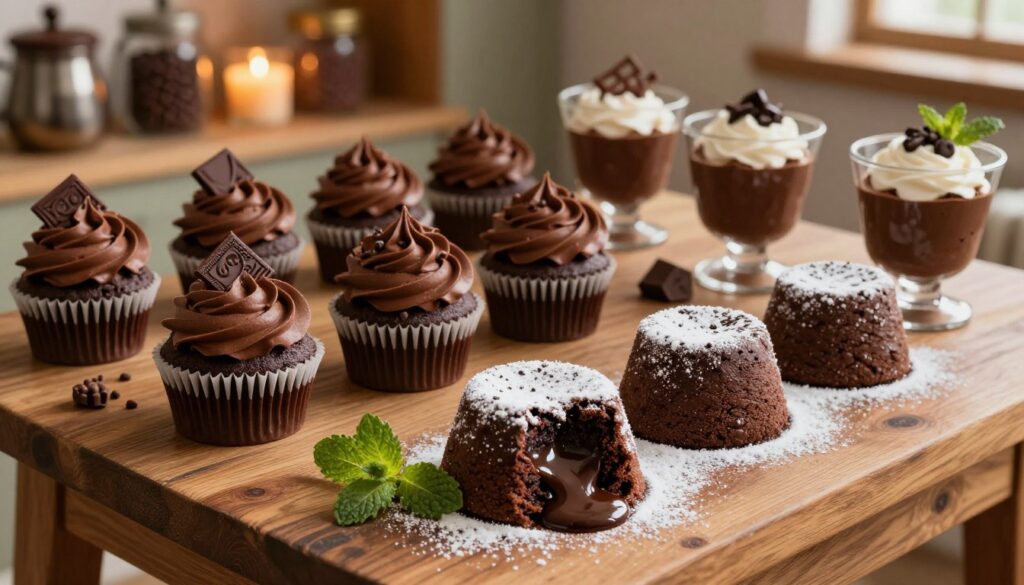
Do you remember the first time you tasted a slice of homemade chocolate cake? That moment was pure joy. This ultimate chocolate dessert guide for home bakers shares secrets and techniques. It turns simple ingredients into amazing treats.
Whether you’re new to easy homemade desserts or have been baking for years, this guide will help you grow. It shows that making desserts is more than just following a recipe.
It’s about knowing how ingredients work together and mastering simple methods. You’ll learn to make everything from simple cakes to complex layered desserts. Each step builds your confidence.
Professional bakers have shared their best tips for perfect crumb and flavor dessert lovers love. You’ll learn about moisture and how temperature affects texture.
Your kitchen will become a place of sweet indulgence and special moments. With the right help, even hard recipes become easy and fun.
Key Takeaways
- Professional bakery techniques are accessible to home cooks of all skill levels
- Understanding ingredient interactions creates better results than simply following recipes
- Mastering basic methods provides the foundation for creating impressive desserts
- Temperature control and timing are critical factors in achieving perfect texture
- Consistent practice builds confidence and transforms your kitchen into a dessert destination
- Both beginners and experienced bakers benefit from tested, reliable techniques
Why Chocolate Baking Creates Sweet Indulgence and Comfort Desserts at Home
When you take brownies out of the oven, magic happens. The smell fills your kitchen, and memories come back. You feel connected to all the bakers who loved this process.
Chocolate baking is special because it’s creative, comforting, and celebratory. It’s a unique experience in home kitchens.
Making comfort desserts is more than just baking. It’s a mindful escape from daily stress. Every step, from measuring to stirring, is calming and engaging. The sight and sound of chocolate melting add to the joy.
These desserts also connect us to family traditions and special moments. They remind us of birthdays and snow days. They turn simple evenings into memorable times with loved ones.
Baking chocolate desserts at home gives you control over quality and ingredients. You can choose how sweet and what chocolate to use. This way, you avoid additives found in store-bought treats.
With 75+ heavenly chocolate dessert recipes, you’ll never lack for ideas. From brownies to decadent chocolate desserts like lava cakes, there’s always something new to try.
Many think baking is hard because of fancy equipment or expensive ingredients. But it’s actually simple. Basic tools and ingredients can make amazing treats.
Homemade chocolate treats are always better than store-bought. They’re moist, flavorful, and warm. Making them yourself boosts your confidence and skills.
Chocolate desserts do more than just satisfy a sweet tooth. They comfort us, celebrate special times, and make great gifts. They bring people together and create lasting memories.
The joy of chocolate baking is in its accessibility and versatility. You don’t need to be an expert to make delicious comfort desserts. Beginners can follow simple steps and create amazing treats. As you get better, you’ll explore new flavors and styles.
Essential Ingredients for Heavenly Chocolate Baking Success
Premium ingredients make a big difference in your chocolate treats. They affect the flavor, texture, and overall taste of your desserts. Knowing how each ingredient works helps you choose better ones for your baking.
Professional bakers know that good ingredients are more important than fancy tools or hard techniques. What you pick from your pantry can make your chocolate desserts unforgettable.
The Science Behind Different Cocoa Varieties
Cocoa powder gives more chocolate flavor than solid chocolate. This fact changes how you use cocoa powder in your recipes. It spreads evenly, making every bite taste the same.
Dutch-process cocoa is smoother and darker, with a balanced taste. It’s treated with alkali to remove acidity, giving it a deeper color and milder flavor. Your brownies and cakes will have richer colors and tastes.
Natural cocoa powder has more acidity and a sharper chocolate taste. It works well with baking soda. Dutch-process cocoa is better with baking powder because it lacks acidity.
Knowing these differences is key for flavor and texture. The right choice of cocoa type affects how your baked goods rise. Your recipe results depend on picking the right type for your needs.
Choosing Quality Chocolate for Baking Applications
For unsweetened baking chocolate, use varieties with 99% cocoa content. Brands like Scharffen Berger offer the best results. This high cocoa content gives intense flavor and dark color, letting you control sweetness.
Cacao percentage affects the intensity and sweetness of your desserts. Semisweet chocolates have 60-70% cacao and are balanced for most recipes. Bittersweet chocolates, with 70-80% cacao, have stronger chocolate notes and less sugar.
Premium chocolates melt better because of their higher cocoa butter content. This makes your melted chocolate preparations smoother. Avoid compound chocolates with vegetable oils for better texture.
| Chocolate Type | Cacao Content | Best Applications | Flavor Profile |
|---|---|---|---|
| Unsweetened | 99-100% | Recipes with controlled sweetness | Intense, pure chocolate |
| Bittersweet | 70-80% | Rich chocolate confections, ganache | Bold with subtle sweetness |
| Semisweet | 60-70% | Cookies, general baking | Balanced chocolate and sugar |
| Milk Chocolate | 30-40% | Frostings, kid-friendly treats | Creamy, mild sweetness |
Chocolate chips have stabilizers that help them keep their shape in baking. They’re great for cookies but not as good for melted chocolate. Standard baking chocolate melts better for ganaches and glazes.
Flavor Enhancers That Maximize Chocolate Impact
Supporting ingredients can make your chocolate desserts even better. They add depth without overpowering the chocolate. Using them wisely can turn good desserts into amazing ones.
Espresso powder makes chocolate taste deeper without adding coffee flavor. Just a teaspoon can make a big difference. It’s a secret ingredient in many professional recipes.
Vanilla extract balances out the bitterness of chocolate and adds aroma. Use pure vanilla for the best results. Vanilla and chocolate together create a perfect flavor balance.
Salt enhances sweetness and balances flavors in surprising ways. A little salt can make chocolate taste more chocolatey. This is why salted caramel and chocolate are so good together.
- Light brown sugar: Adds moisture and softness, making baked goods tender
- Butter: Adds richness and carries chocolate flavors
- Eggs: Provide structure, moisture, and emulsification for smooth batters
- Sour cream or buttermilk: Tenderizes gluten and enhances chocolate depth
Light brown sugar adds moisture and softness to your baked goods. It keeps cakes tender and brownies fudgy. The caramel undertones complement chocolate without overpowering it.
Choosing the right ingredients is key to baking success. Quality ingredients lead to better taste, texture, and appearance. Investing in premium ingredients will make your desserts consistently impressive and loved by all.
Must-Have Tools and Equipment for Divine Chocolate Desserts
Building your chocolate baking toolkit doesn’t need to be expensive. Certain essential items make all the difference. The right equipment helps you achieve professional results with divine chocolate desserts.
You don’t need to buy everything at once. Start with the basics and add more as you grow. Quality is more important than quantity when choosing your equipment.
The right tools make all the difference. Invest in quality basics, and they’ll serve you for years of delicious creations.
Essential Baking Pans and Preparation Tools
Your pan collection is key to successful chocolate baking. Standard 8-inch and 9-inch round cake pans are great for layer cakes. A 9×13-inch rectangular pan is perfect for sheet cakes, brownies, and bars.
Light-colored aluminum pans distribute heat evenly. Dark pans absorb heat quickly, causing over-browning. Quality aluminum pans last for years.
A standard 12-cup muffin tin is great for chocolate cupcakes. For molten lava cakes, use individual ramekins that hold about 6 ounces each. These dishes are versatile for baking and presentation.
Proper pan preparation prevents sticking frustrations and ensures your creations release cleanly. Use parchment rounds with pull tabs and nonstick spray for easy release. Parchment strips catch stray frosting for quick cleanup.
Your preparation toolkit should include a kitchen scale for accurate measurements. Rubber spatulas are essential for thorough mixing and scraping.
Wire cooling racks promote even cooling and prevent soggy bottoms. Offset spatulas are practically essential for cake decorating with smooth frosting. These angled tools reach into corners for professional results.
Cake levelers or serrated knives create flat surfaces for easier assembly and frosting. Even layers stack better and look more professional. This simple step elevates homemade cakes to bakery quality.
| Pan Type | Best Material | Primary Use | Care Tips |
|---|---|---|---|
| Round Cake Pans (8-9 inch) | Light aluminum | Layer cakes, tortes | Hand wash to preserve coating |
| Rectangular Pan (9×13 inch) | Metal or glass | Brownies, sheet cakes | Reduce oven temp 25°F for glass |
| Muffin Tin | Nonstick aluminum | Cupcakes, muffins | Use liners to extend pan life |
| Ramekins | Ceramic or glass | Lava cakes, soufflés | Grease thoroughly before use |
Mixing Equipment and Temperature Control Devices
Your mixing equipment choice depends on recipe requirements and personal preference. Stand mixers are great for prolonged beating. Hand mixers are flexible for smaller batches.
Manual whisking gives you control for delicate folding and combining. Many bakers use all three methods for different tasks. Each tool has its own purpose in creating gourmet chocolate treats.
A basic whisk set should include a balloon whisk and a flat whisk. Silicone-coated whisks protect nonstick surfaces. Having multiple sizes allows you to match the tool to your bowl size.
Temperature control is key to successful chocolate baking because chocolate responds dramatically to heat changes. An instant-read thermometer checks internal doneness. Digital thermometers give quick readings without heat loss.
An oven thermometer verifies actual oven temperature. Many ovens run hot or cold by 25 degrees or more. Place it on the center rack for accurate readings.
Room temperature ingredients emulsify better for smoother batters. Butter should be soft enough to leave a slight indent but still hold its shape. Eggs mix more readily when they’ve sat at room temperature for 30 minutes.
Cake turntables function like lazy susans for cake, making decorating quick and easy. These rotating platforms allow you to spin your cake while holding your spatula steady. Professional decorators consider them indispensable for achieving bakery-quality finishes.
Investing in a few quality tools pays dividends across countless baking projects. Start with essential pans and basic mixing equipment, then add specialized items as your confidence grows. Your equipped kitchen becomes the launchpad for countless chocolate creations that bring joy to family and friends.
Fundamental Chocolate Baking Techniques Every Dessert Lover Should Master
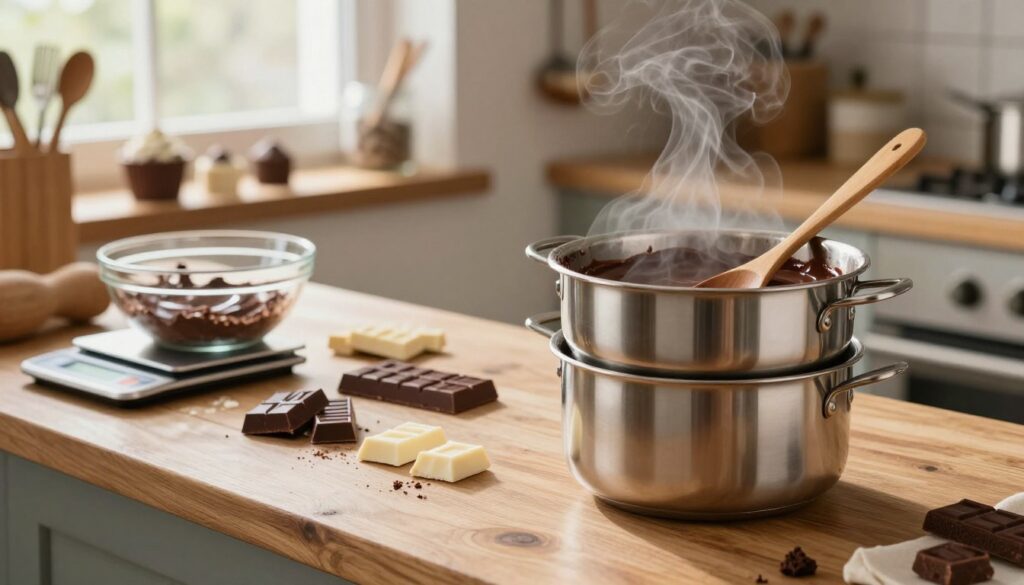
Every chocolate dessert lover can elevate their baking by mastering three essential techniques. These chocolate baking techniques separate professional results from disappointing outcomes. When you understand the science behind melting, texture development, and moisture balance, your chocolate creations will consistently impress.
The foundation of exceptional chocolate baking starts with proper technique execution. You’ll discover that small adjustments in method create dramatic differences in your final desserts. These skills apply across all types of chocolate treats, from simple brownies to elegant cakes.
Melting Chocolate Without Seizing or Burning
The most critical chocolate baking tips center on properly melting chocolate. Three reliable methods deliver consistent results when you follow specific guidelines. Each technique requires attention to temperature control and moisture prevention.
The double boiler method remains the safest approach for melting chocolate. You’ll place a heatproof bowl over a pot of simmering water, ensuring the bowl doesn’t touch the water directly. This gentle, indirect heat melts chocolate evenly without scorching. Keep all utensils completely dry, as even a single water droplet causes chocolate to seize.
For faster results, use the microwave method with careful attention. Heat chocolate at 50% power in 20-second intervals, stirring thoroughly between each burst. This prevents hot spots that burn the chocolate while other areas remain solid. The residual heat continues melting even after you stop microwaving.
The direct heat method works for experienced bakers using very low temperatures. You’ll place chocolate in a heavy-bottomed pan over the lowest heat setting, stirring constantly. This technique demands your full attention but works well when incorporating chocolate into warm mixtures. Understanding why chocolate seizes helps you prevent problems—water droplets cause cocoa particles to clump together, creating a grainy, unusable mass.
Achieving Rich and Fudgy Texture in Your Oven-Baked Treats
Creating that coveted rich and fudgy texture requires understanding ingredient ratios and their interactions. The proportion of fat to flour determines whether your desserts turn out cakey or fudgy. Higher fat content from butter, oil, or chocolate itself produces denser, more indulgent results.
The blooming technique unlocks deeper chocolate flavor in your baked goods. Pour boiling water over cocoa powder and espresso powder, then whisk until the mixture becomes smooth and glossy. This process releases fat-soluble flavor compounds in the cocoa, intensifying the chocolate taste dramatically. Set this mixture aside to cool completely before adding it to your batter.
Temperature matters significantly for rich and fudgy texture development. The cooled cocoa mixture must reach room temperature before incorporation, or it will prematurely activate baking soda and cause excessive doming. For best chocolate baking recipes featuring molten centers like the decadent chocolate lava cake, precise timing and temperature control create that signature flowing interior.
Your mixing technique directly impacts final texture quality. Create a well in your dry ingredients, pour in the wet mixture, then gently combine from the center outward. Mix only until ingredients are mostly incorporated—overmixing develops excessive gluten, creating tunnels in cakes and rubbery texture. The goal is to stop mixing while small flour streaks remain visible.
Balancing Moisture and Structure for Perfect Results
The secret to outstanding chocolate desserts lies in balancing moisture retention with proper structure. This equilibrium prevents both dry, crumbly results and sunken, undercooked centers. Multiple ingredient choices affect this delicate balance.
Cocoa powder delivers intense chocolate flavor without adding saturated fat that solidifies during cooling. When combined with oil instead of butter, your cakes stay softer and more flavorful longer. Solid chocolate firms up as it cools because it contains saturated fat like butter, creating tighter crumb and denser texture that dries out faster. Oil remains liquid at room temperature, maintaining moisture throughout storage.
Acidic ingredients like sour cream, yogurt, and buttermilk serve dual purposes in best chocolate baking recipes. They add moisture while their acidity tenderizes gluten strands, producing softer crumb texture. These ingredients also react with baking soda to create lift without excessive rising that leads to dry results.
Testing for doneness requires multiple assessment methods beyond relying solely on timers. Insert a toothpick into the center—for fudgy brownies, you want moist crumbs clinging to it rather than coming out completely clean. The touch test also works: gently press the surface, and it should spring back slightly while remaining soft. Visual cues include edges pulling away from the pan and a set surface with slight jiggle in the center.
Understanding that chocolate baking techniques include slight underbaking improves your results significantly. Chocolate desserts continue cooking from residual heat during cooling, so removing them when they appear barely done prevents overcooking. This principle applies to brownies, cookies, and cakes where moisture retention matters most. The difference between perfectly moist and disappointingly dry often comes down to just two or three minutes of baking time.
Step-by-Step Best Homemade Chocolate Cake for Beginners
Learning to bake moist chocolate cake is easier than you think. Break it down into simple steps for beginners. This guide will help you make a perfect chocolate cake without needing to be a pro.
For a great homemade chocolate cake, focus on three key things: preparation, technique, and patience. Each step is important for the cake’s texture and taste. Knowing why each step is crucial helps you make better choices and solve problems.
Preparing Your Workspace and Measuring Ingredients Accurately
Your baking journey starts with a clean workspace. Clear enough counter space and gather all tools and ingredients in one spot. This is called mise en place.
Make sure your pans are ready for easy cake release. Line two 8×2-inch round cake pans with parchment paper. Spray the parchment and pan sides with nonstick cooking spray. This prevents sticking and makes your cake layers look professional.
Preheat your oven to 350°F before mixing. Ovens take 15-20 minutes to reach the right temperature. Use an oven thermometer to check the actual temperature, as many ovens are off by 25 degrees.
Accurate measurement is key for consistent results. Here’s how to measure correctly:
- Spoon flour into your measuring cup and level with a straight edge—never scoop directly from the bag, which compacts flour and adds up to 25% more than intended
- Pack brown sugar lightly as specified in the recipe, pressing gently to remove air pockets without compacting too firmly
- Bring eggs and sour cream to room temperature for better emulsification—cold ingredients don’t blend smoothly and can create dense texture
- Use liquid measuring cups for wet ingredients and dry measuring cups for powders and sugars
Quick-temper cold eggs by placing them in a bowl of warm water for 5-10 minutes. This trick saves time and ensures the right temperature for mixing.
Mixing Techniques for Moist Chocolate Cake Every Time
This easy chocolate cake recipe uses special mixing methods for a tender, moist texture. The steps are designed to enhance flavor and prevent gluten buildup.
Start by blooming your cocoa powder. Mix 1 cup (85g) Dutch-process cocoa with 2 teaspoons instant espresso powder in a heatproof bowl. Add 1 cup (237g) boiling water and whisk until smooth. This blooming technique intensifies chocolate flavor by dissolving cocoa particles and releasing aromatic compounds. Let this mixture cool to room temperature before using—hot liquid would activate leavening agents prematurely.
While the cocoa mixture cools, prepare your dry ingredients. Whisk together 1¾ cups (222g) all-purpose flour, 1 teaspoon fine sea salt, and 1 teaspoon baking soda in a large bowl. Add 2 cups (400g) lightly packed light brown sugar to this mixture. Use your fingers to break up any brown sugar clumps, rubbing the mixture between your palms until it resembles damp sand. This distribution prevents sweet pockets in your finished cake.
Create your wet ingredient mixture in a separate bowl. Whisk together 1 cup (227g) room temperature sour cream, ½ cup (112g) neutral oil, 4 large room temperature eggs, and 2 teaspoons vanilla extract. Whisk vigorously for 30-45 seconds until the mixture thickens slightly and lightens in color. This aeration incorporates air that contributes to tender crumb structure.
Now combine wet and dry ingredients using the well method. Create a depression in the center of your dry ingredients. Pour the wet mixture into this well. Starting from the center, use a whisk to gradually incorporate the dry ingredients from the sides into the wet mixture. Work in circular motions, expanding outward until the mixture is mostly combined with only small streaks of flour remaining.
Add your cooled cocoa mixture and whisk until completely smooth with no flour streaks visible. This batter will be thin—thinner than typical cake batters—which is exactly right for creating a moist chocolate cake. The liquid consistency allows the batter to spread evenly and bake uniformly.
Baking Temperature and Time Guidelines
Divide your batter evenly between the prepared pans. A kitchen scale provides the most accuracy—aim for approximately 740 grams per pan. If you don’t have a scale, eyeball the division and adjust by transferring small amounts between pans until they appear equal.
Tap each pan firmly on the counter 3-4 times. This action releases large air bubbles trapped in the batter that would create holes in your finished cake. You’ll see bubbles rise to the surface and pop.
Position your oven rack in the lower third of the oven. This placement provides even heat distribution and prevents over-browning on top. Place both pans on the same rack with at least 2 inches of space between them and the oven walls for proper air circulation.
Bake for 32-35 minutes without opening the oven door. Opening the door releases heat and causes temperature fluctuations that can lead to sunken centers. The exact time depends on your specific oven—all ovens have hot spots and temperature variations.
Visual cues help determine progress. The cake should pull away slightly from the pan sides. The center should appear set rather than jiggly when you gently shake the pan. The surface should look matte rather than shiny.
Testing for Doneness and Cooling Properly
Multiple doneness tests provide confirmation that your moist chocolate cake is perfectly baked. Use at least two of these methods to ensure accuracy:
- Toothpick test: Insert a wooden toothpick or cake tester into the center of the cake. It should emerge with moist crumbs clinging to it—not wet batter, but not completely clean either. Those moist crumbs indicate a tender, fudgy texture.
- Spring-back test: Gently press the center of the cake with your fingertip. The surface should spring back slowly, leaving no indentation. If your finger leaves a permanent dent, the cake needs more time.
- Internal temperature: An instant-read thermometer inserted into the center should register 200-205°F for fully baked cake with ideal texture.
When your tests confirm doneness, remove the pans from the oven immediately. Place them on wire cooling racks and let them cool in the pans for exactly 30 minutes. This initial cooling period allows the cake structure to set, preventing crumbling when you remove the layers from the pans.
After 30 minutes, run a thin knife or offset spatula around the edge of each pan to loosen any stuck spots. Invert the pan onto your hand or a plate, then flip the cake right-side up onto a wire rack. Peel off the parchment paper carefully. Allow the cake layers to cool completely to room temperature before frosting—this takes approximately 2 hours.
For easier frosting application, chill your completely cooled cake layers in the refrigerator for 30 minutes before assembling. Cold cake is firmer and produces fewer crumbs during frosting. This optional step creates cleaner, more professional-looking results when you’re learning how to bake moist chocolate cake every time.
Store unfrosted cake layers wrapped tightly in plastic wrap at room temperature for up to 2 days, refrigerated for up to 5 days, or frozen for up to 3 months. This flexibility allows you to bake in advance for special occasions without compromising quality.
How to Make Fudgy Brownies From Scratch With Perfect Texture
Making fudgy brownies from scratch turns simple ingredients into a treat that satisfies every craving. The secret is balancing fat, flour, and chocolate for a dense interior. This balance makes the brownies moist and shiny on top.
Texture is key, and it’s all about the ingredients and how you mix them. Unlike cakes, brownies don’t need to rise. They reward you with flexibility and a rich, chocolatey taste.
The Secret Ingredient Ratio for Ultimate Fudginess
The secret to fudgy brownies is using more fat than flour. For an 8×8-inch pan, use ¾ to 1 cup of flour. This keeps the brownies dense and prevents them from becoming cakey.
Use generous amounts of melted butter and chocolate. This adds to the fat content and makes the brownies silky. Dutch-process cocoa powder adds deep flavor without acidity.
For intense chocolate flavor, use 4 to 6 ounces of quality chocolate with ¼ to ½ cup cocoa powder. This mix creates a rich taste.
The key to fudgy texture is balancing moisture with just enough structure to hold together when cut, but melting luxuriously on your tongue.
Sugar plays a big role in texture and appearance. Use a mix of granulated and brown sugar for a crackly top and moist interior. Aim for 1 to 1¼ cups of granulated sugar and ¼ to ½ cup of brown sugar.
Eggs are crucial for fudgy results. Use 2 to 3 large eggs for standard batches. Too many eggs make the brownies cakey, while too few make them crumbly.
Mixing Methods That Create Dense Rich Chocolate Confections
Your mixing technique is as important as the ingredients. Unlike cakes, brownies don’t need air for rise. Instead, you control gluten development for a smooth, dense batter.
Start by whisking eggs and sugar together vigorously for 2 to 3 minutes. This creates a shiny, crackly top. The sugar dissolves, and the eggs gain volume without too much air.
Next, gently fold in the melted chocolate and butter mixture. The chocolate should be warm but not hot. Use a spatula to fold with broad strokes, cutting down through the center and bringing the mixture up and over from the sides.
When adding flour, be delicate. Sift the flour, cocoa powder, and salt together, then fold into the wet ingredients using minimal strokes. Stop mixing as soon as no flour streaks remain. Overmixing can make the brownies tough.
Some bakers prefer adding dry ingredients in two additions with brief rests between. This allows flour particles to hydrate without aggressive mixing. Either technique works when you handle the batter gently once flour enters the equation.
For extra insurance against overmixing, consider mixing by hand after the egg-sugar stage. Your hands provide better feedback about texture and resistance, helping you stop at the perfect moment. This tactile connection often makes the difference between good and extraordinary brownies.
Determining Exact Baking Time for Your Preferred Texture
Baking time is crucial for achieving fudgy perfection. Use a temperature of 325°F to 350°F for most recipes. Lower temperatures produce more even cooking and reduce edge overbrowning. Position your rack in the center of the oven for consistent heat distribution.
Visual cues indicate when your brownies are done. The surface should appear set with a matte finish rather than wet or shiny. Look for a characteristic crackly top with slight wobble in the center when you gently shake the pan. This wobble is your friend—it indicates moisture that will set during cooling without being raw.
The toothpick test needs reinterpretation for fudgy brownies. Insert a toothpick or cake tester about 1 inch from the center. You want moist crumbs clinging to it, not wet batter or a completely clean tester. A clean toothpick signals overbaking, resulting in dry, crumbly brownies rather than the dense texture you’re pursuing.
Timing varies based on pan size and oven calibration, but general guidelines help establish your baseline:
- 8×8-inch pan: 25 to 30 minutes
- 9×9-inch pan: 22 to 28 minutes
- 9×13-inch pan: 20 to 25 minutes
- Individual ramekins: 15 to 20 minutes
Remember that residual heat continues cooking during cooling, a phenomenon called carryover cooking. Your brownies will firm up as they rest, so removing them when they seem slightly underdone produces optimal results. This understanding transforms your approach from guesswork to controlled precision.
Allow brownies to cool completely in the pan before cutting, ideally 2 to 3 hours or overnight. This patience pays dividends in clean cuts and fully developed flavor. Many bakers find that brownies actually improve after 24 hours as the moisture distributes evenly and the chocolate flavor deepens.
If you prefer varying textures within the same batch, adjust position rather than time. Edge pieces bake faster and develop more crust, while center pieces remain softer and fudgier. Some families fight over edges; others claim the center. Understanding this variation helps you satisfy different preferences from one pan.
For troubleshooting, greasy brownies indicate too much fat or insufficient baking time, while dry, crumbly results point to overbaking or excess flour. Adjust your ratios and timing in small increments—5-minute changes or 2-tablespoon ingredient adjustments—until you achieve your personal ideal texture. Keep notes on your experiments to build your brownie expertise systematically.
Creating Decadent Chocolate Lava Cake Recipe With Molten Centers
When you cut into a chocolate lava cake and watch warm chocolate flow onto the plate, you’ve created dessert magic. This impressive treat ranks among the most decadent chocolate desserts you can master at home. It requires simple techniques and ingredients. The secret lies in achieving the perfect balance between a fully baked outer shell and a gloriously liquid center.
Individual lava cakes work through precise timing and temperature control. You’ll bake the outer layer just until set while keeping the center flowing and warm. This creates one of those quick chocolate treats that delivers restaurant-quality results in your own kitchen.
The foundation of a chocolate lava cake recipe combines melted chocolate and butter with eggs, sugar, and minimal flour. Most recipes use only 2 to 4 tablespoons of flour, creating a batter that appears more liquid than traditional cake mixtures.
Preparing Individual Ramekins for Even Baking
Proper ramekin preparation makes the difference between cakes that release cleanly and those that stick stubbornly. You should always use room-temperature butter applied in upward strokes to coat every surface of your ramekins thoroughly.
Here’s the key technique: dust your buttered ramekins with cocoa powder instead of flour. Flour creates pale spots on dark chocolate cakes, while cocoa powder maintains the rich color and adds subtle flavor. Rotate each ramekin to distribute the cocoa evenly, then tap out any excess.
The size of your ramekins directly affects baking time. Standard 6-ounce ramekins work best for most recipes and create the ideal ratio of baked exterior to molten interior.
- Apply butter in vertical strokes from bottom to rim
- Cover every surface including the top edge
- Use 1-2 tablespoons of cocoa powder per ramekin
- Refrigerate prepared ramekins for 10 minutes to set the coating
- Fill ramekins only two-thirds full to prevent overflow
Timing Your Bake for Perfectly Flowing Centers
Timing represents the most critical element when creating simple chocolate dessert recipes with molten centers. Your lava cakes typically bake at high temperature—between 425°F and 450°F—for a remarkably short period.
Most recipes require 11 to 14 minutes depending on your specific oven and ramekin size. You’ll know your cakes are ready when the edges appear set and pull slightly away from the ramekin sides.
The tops should look set and may show small cracks, but the center must still jiggle slightly when you gently shake the ramekin. This jiggle indicates that liquid chocolate remains inside, waiting to flow when you cut into the cake.
| Ramekin Size | Oven Temperature | Baking Time | Visual Indicators |
|---|---|---|---|
| 4-ounce | 450°F | 10-12 minutes | Edges set, center soft |
| 6-ounce | 425°F | 12-14 minutes | Top cracked, slight jiggle |
| 8-ounce | 425°F | 14-16 minutes | Pulling from sides, center moves |
| Muffin tin | 450°F | 8-10 minutes | Edges golden, center glossy |
Several factors affect your baking time beyond ramekin size. Oven temperature accuracy varies between models, so using an oven thermometer helps ensure consistency. Batter temperature also matters—room temperature batter bakes more evenly than cold batter straight from the refrigerator.
Serving Immediately for Maximum Impact
Timing doesn’t end when your cakes leave the oven. You must serve these decadent chocolate desserts within 1 to 2 minutes of baking for the full molten effect. As the cakes cool, the centers begin to set and lose that dramatic flowing quality.
The inversion technique requires confidence but becomes easy with practice. Let your cakes rest for exactly 1 minute after removing them from the oven. This brief wait allows the edges to firm up slightly while keeping the center liquid.
Run a thin knife around the edge of each ramekin, cutting through any stuck portions. Place your serving plate upside down on top of the ramekin, then quickly flip both together. Lift the ramekin carefully—your cake should release cleanly onto the plate.
Presentation elevates these treats from delicious to unforgettable. Dust the top lightly with powdered sugar using a fine-mesh sieve. The white powder creates beautiful contrast against the dark chocolate surface.
Adding a scoop of vanilla ice cream beside your warm cake creates temperature contrast that guests love. The cold ice cream melts into the flowing chocolate, creating swirls of flavor. Fresh raspberries or sliced strawberries provide color and a tart counterpoint to the rich chocolate sweetness.
You can prepare the batter several hours ahead and refrigerate it in the prepared ramekins. Add 2 to 3 minutes to the baking time when working with cold batter. This make-ahead strategy lets you enjoy time with guests while still serving a warm, impressive dessert.
Mastering Moist Chocolate Cupcakes and Bakery-Style Chocolate Chip Cookies Homemade
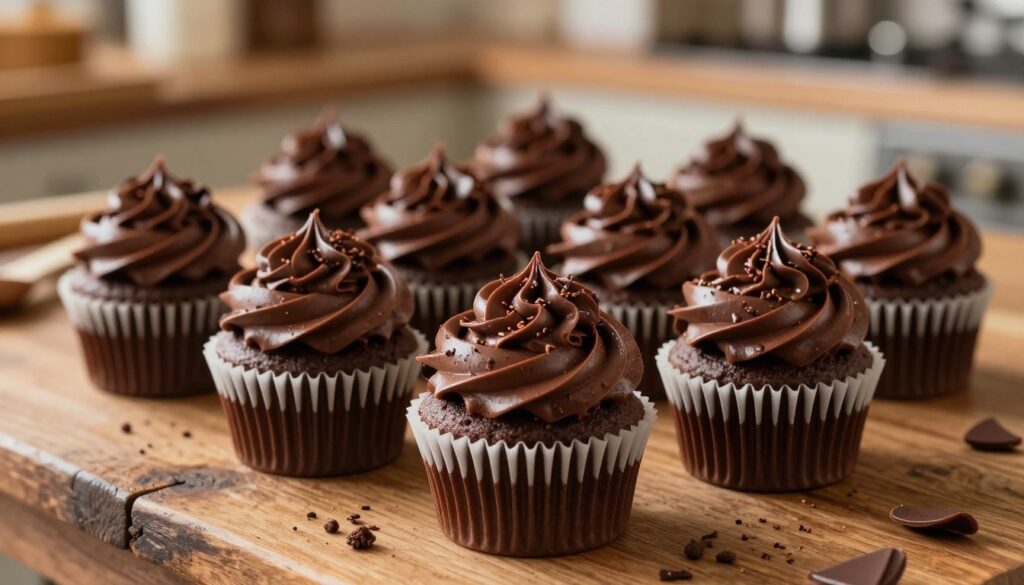
Every baker loves making tender cupcakes and irresistible cookies. These bakery-style chocolate desserts show off different baking skills. They help you make perfect treats for any time.
Learning these techniques will make your baking look like a pro’s. Your kitchen will be filled with treats that look like they came from a bakery. You’ll learn how to make cupcakes and cookies that everyone will love.
Achieving Perfect Cupcake Consistency and Rise
The batter’s consistency is key for your cupcakes’ texture and look. It should be a bit thicker than regular cake batter. This helps it hold toppings well and bake evenly.
Fill your liners two-thirds full to let the cupcakes rise right. This way, they’ll have nice domed tops without overflowing. Too much batter can make them look funny.
Bake at 350°F on the middle rack for even heat. This prevents your cupcakes from getting lopsided. They usually take 18-22 minutes to bake, but it depends on your recipe.
Checking if your cupcakes are done is important. Use a toothpick to see if it comes out clean. You can also check if they spring back when pressed.
Look for edges that pull away from the liners. The tops should look set, not wet. This means they’re done.
Let your cupcakes cool completely before frosting. This prevents the frosting from melting. Move them to a wire rack after five minutes to cool faster.
Creating Classic Bakery Favorites With Crispy Edges and Soft Centers
The secret to great chocolate chip cookies homemade is the texture. You want crispy edges and soft centers. This balance comes from special ingredients and techniques.
Use butter for flavor and an extra egg yolk for chewiness. Mix granulated sugar for crispy edges and brown sugar for moisture. This mix creates the perfect cookie.
Chill your dough for 30 minutes before baking. This helps it spread right and taste better. Cold dough also makes the edges thick and appealing.
Use parchment paper on your baking sheets to prevent sticking. Space cookies 2-3 inches apart for even baking. These steps make a big difference in your cookies.
Take cookies out when the edges are golden and the centers are slightly underdone. They’ll finish cooking on the pan. This keeps them soft and chewy.
Advanced bakers use cookie scoops for even sizes. Try banging the pan halfway through baking for texture. Sprinkle with flaky sea salt for a gourmet touch.
Finishing Touches and Decoration Ideas
Frosting can turn simple cupcakes into stunning desserts. Use different tips for swirls, rosettes, or stars. An offset spatula gives smooth finishes.
Dipping is a simple method for beginners. Turn the cupcake upside down and dip the top in frosting. Lift gently for a smooth dome. This works well with ganache or thick buttercream.
Decorations add personality to your homemade chocolate treats. Sprinkles are fun for celebrations. Chocolate shavings add elegance for adult events.
Fresh berries add beauty and flavor to chocolate. Edible flowers make cupcakes look like garden art. Choose decorations that fit the occasion.
For cookies, keep decorations simple to show off their texture. A light dusting of powdered sugar adds elegance. Extra chocolate chips on top add flavor and interest.
Perfecting Your Chocolate Ganache Recipe for Multiple Applications
Making chocolate ganache from scratch is a simple yet impressive technique. It’s a key part of simple chocolate baking recipes with few ingredients. You only need chocolate and cream to make frostings, glazes, and fillings. Ganache can change texture based on how you use it, making it crucial for home bakers.
Knowing how to make ganache lets you customize desserts with ease. The chocolate ganache recipe is versatile for many baking needs.
The Essential Chocolate-to-Cream Ratio
The chocolate-to-cream ratio affects your ganache’s texture and use. Learning these ratios turns one technique into many tools for your baking.
A 1:1 ratio makes thick frosting great for filling and decorating cakes. It holds its shape well when spread or piped. This is perfect for layer cakes and decorations.
The 2:1 ratio gives firm ganache for truffles or structural uses. This denser mix is stable for shaped treats and stays firm at room temperature. Chocolatiers use it for truffles and chocolate centers.
A 1:2 ratio creates pourable glaze for coating cakes or desserts. This thinner mix flows over chilled desserts, giving a glossy finish seen in bakeries.
Techniques for Frosting, Glazing, and Filling
Start by heating your cream until it simmers—not boiling. This prevents breaking the emulsion. Pour the hot cream over chopped chocolate in a heatproof bowl.
Let it sit for 2-3 minutes to soften the chocolate. This ensures even melting without air bubbles. Stir gently from the center to avoid bubbles.
Stir until smooth and glossy. This creates a stable emulsion. Avoid vigorous whisking, which introduces air and dulls the finish.
Temperature affects your ganache’s use. Warm ganache is pourable for glazes. Cool it to room temperature for frosting. Chill and whip for light, airy mousse.
Common problems and solutions keep your ganache perfect:
- Grainy texture: It cooled too much—rewarm over simmering water while stirring
- Broken or separated appearance: Add corn syrup or butter and whisk vigorously to fix
- Too thick: Warm slightly or add small amounts of cream for the right consistency
- Too thin: Add more chopped chocolate while warm for smooth incorporation
Use different methods for frosting, glazing, and filling. Spread frosting with an offset spatula or pipe borders. Pour glaze over chilled cakes for a smooth finish. Fill cakes or pastries with it.
Adding flavors like vanilla, liqueurs, or spices makes your chocolate ganache recipe special. These additions create unique flavors for various desserts and occasions.
Ganache is a fundamental technique for every baker. It’s versatile and essential for both beginners and experienced bakers. With practice, you’ll master adjusting ratios and temperatures for perfect textures.
Troubleshooting Common Problems in Dark Chocolate Desserts and Rich Chocolate Baking Recipes
Chocolate baking comes with its own set of challenges. These include sinking, doming, tunneling, dry edges, and sticky layers. Knowing how to fix these issues can make your baking experience much better.
Professional bakers test their rich chocolate baking recipes many times. They use this process to find out what goes wrong and how to fix it. The tips you’ll find here come from real-world experience and professional troubleshooting.
Fixing Dry, Dense, or Sunken Cakes
Dry cakes are a common problem in chocolate baking. There are three main reasons for this. You can prevent it by using the right chocolate baking techniques.
Overbaking is the main cause of dry cakes. Set your timer a few minutes early to check if the cake is done. Use a toothpick to check the center—it should have a few moist crumbs.
Too much flour also makes cakes dry. Measure flour accurately by spooning it into your measuring cup. This prevents packing too much flour.
Not enough fat in the recipe also leads to dryness. Make sure to measure fats like butter or oil carefully. Using room-temperature ingredients helps create a better texture in your dark chocolate desserts.
Dense cakes have their own set of solutions:
- Overmixing develops excess gluten, creating tough, heavy texture—mix just until ingredients combine
- Too many eggs add excessive protein that weighs down the crumb—measure carefully and use large eggs as specified
- Cold batter doesn’t incorporate air properly—allow eggs, butter, and milk to reach room temperature before mixing
- Expired leavening agents lose their rising power—check expiration dates on baking powder and baking soda regularly
Sunken cakes often mean the cake didn’t bake enough. Make sure to bake until a toothpick test confirms it’s done.
Opening the oven door too early can cause the cake to collapse. Wait until at least three-quarters through the baking time before checking. This prevents sudden temperature drops that can ruin your rich chocolate baking recipes.
Incorrect amounts of leavening can also cause problems. Too much baking soda or baking powder can make the cake rise too fast and then collapse. Adding hot cocoa mixture directly to the batter can also cause doming that later sinks.
Altitude affects baking a lot. At high elevations, you need to adjust leavening amounts, increase liquid, and reduce sugar. These changes help with the lower air pressure at high altitudes.
Preventing Seized Chocolate and Grainy Ganache
Seized chocolate is a big problem in baking. It happens when water touches melting chocolate. Knowing how to prevent it is key to mastering chocolate baking techniques.
Water is the enemy of chocolate when it’s melting. Even a small drop can cause chocolate to seize. Make sure all utensils, bowls, and equipment are dry before starting.
Overheating also causes chocolate to seize. Use low heat and constantly monitor it. Remove chocolate from heat just before it fully melts. This gentle approach prevents the proteins in chocolate from tightening and clumping.
Adding cold liquids to warm chocolate can also cause problems. Make sure both are at similar temperatures. Or, add chocolate to warm liquid instead of the other way around.
Quantity matters a lot. Small amounts of liquid can cause seizing, while larger amounts can create smooth mixtures. This is why ganache (which uses a lot of cream) stays smooth, while a few drops of water can cause disaster.
If chocolate does seize, try these rescue chocolate baking tips:
- Add vegetable oil or cocoa butter one teaspoon at a time while stirring vigorously
- Increase heat slightly and add more liquid (if recipe allows) to create an intentional emulsion
- Incorporate seized chocolate into recipes where slight texture differences won’t matter, such as brownie batter
Grainy ganache comes from different issues than seized chocolate. Overheating chocolate breaks down its structure, creating permanent graininess. Heat cream until steaming but not boiling, then pour over chopped chocolate. Let sit one minute before stirring.
The ratio of chocolate to cream affects texture. Higher cacao percentage chocolate needs slightly more cream to create smooth emulsion. Dark chocolate above 70% cacao needs additional liquid compared to milk chocolate.
Vigorous stirring breaks the emulsion in ganache. Stir gently from the center outward using circular motions. This technique creates smooth, glossy ganache for your dark chocolate desserts.
Solving Uneven Baking and Overbrowning Issues
Uneven baking is a common problem. Most ovens have hot spots. An oven thermometer can show if your oven runs hot or cold.
Rotate pans halfway through baking time. Turn them 180 degrees to expose all sides to different heat zones. This simple step dramatically improves evenness in your rich chocolate baking recipes.
Rack position affects baking results a lot. Lower racks provide more bottom heat, creating crispy edges and well-browned bottoms. Upper racks deliver more top heat, promoting surface browning. Center rack position offers the most even heat distribution for most desserts.
Tunneling—large holes throughout cake layers—indicates a different problem. This issue occurs when dry ingredients aren’t properly combined before adding to wet ingredients. Take time to sift flour, cocoa powder, baking powder, and salt together. This crucial step prevents pockets of leavening that create tunnels as they react during baking.
Overbrowning before proper baking completion requires multiple solutions:
| Problem Indicator | Root Cause | Solution |
|---|---|---|
| Dark edges, pale center | Oven too hot | Reduce temperature by 25°F and extend time |
| Top browns too quickly | Upper element too close | Move rack lower or tent with foil |
| Bottom burns, top undercooked | Rack position too low | Move to center rack position |
| Dark spots in patches | Uneven oven heat | Rotate pan and verify temperature with thermometer |
Pan color affects browning a lot. Dark pans absorb more heat, creating darker crusts and edges. Light-colored aluminum pans reflect heat, producing lighter, more even browning. Switch to lighter pans if your dark chocolate desserts consistently overbrown.
Tenting with aluminum foil protects desserts once they reach desired color. Loosely place foil over the top without crimping to pan edges. This allows continued baking while preventing further browning.
Temperature accuracy is crucial. Invest in an oven thermometer and check it regularly. Many ovens run 25°F hotter or cooler than their settings indicate. Adjust the dial to achieve the actual desired temperature for reliable results with all your chocolate baking tips.
Expert Tips for Easy Chocolate Baking Recipes for Family Gatherings and Special Occasions
Expert chocolate bakers know that successful family gatherings start with smart preparation. They prepare heavenly chocolate desserts for special occasions ahead of time. This makes their desserts taste fresh and look great.
Managing your time well is key to impressive results. Many chocolate desserts improve with advance preparation. This lets flavors develop and meld beautifully.
Make-Ahead Strategies for Simple Chocolate Dessert Recipes
Planning ahead makes baking easier. Unfrosted cake layers freeze well for up to two months. Wrap each layer tightly in plastic wrap to prevent freezer burn.
Add a second layer of aluminum foil for extra protection. This keeps moisture in and lets you bake when you want. Thaw the layers overnight in your fridge still wrapped.
Brownies and bar desserts are great for make-ahead. They taste better after sitting for 24 hours. Prepare them the day before your event and store them in airtight containers at room temperature.
Frosting preparation saves time. Ganache can be covered and refrigerated for up to two days before use. Bring it to room temperature naturally before using.
Buttercream frostings need a re-whip after refrigeration. This makes them fluffy again. It only takes a few minutes.
Cookie dough benefits from overnight refrigeration. This makes it easier to scoop and shape. You can refrigerate most chocolate cookie doughs for up to three days or freeze them for up to three months.
Proper storage keeps your desserts fresh. For unfrosted cakes, press plastic wrap directly against all surfaces. Store frosted cakes in airtight containers to prevent refrigerator odor absorption and moisture loss.
Freezing individual portions is convenient. Place dessert slices on a parchment-lined baking sheet and freeze until solid. Then wrap each piece in plastic wrap and place them in an airtight container. Thaw overnight in the refrigerator when needed.
Reheating methods restore just-baked qualities. Most cakes and cookies need a 30-minute to an hour rest at room temperature. Brownies and lava cakes benefit from gentle warming in a 300°F oven for 5-8 minutes. Individual portions can be revived with 10-15 second microwave pulses.
Scaling Recipes and Ingredient Substitutions
Adjusting recipes for different crowd sizes is easy. Doubling most simple chocolate dessert recipes works reliably. Your mixing equipment can handle double batches, and baking times remain the same.
Tripling or quadrupling recipes needs more careful attention. Check that your mixing bowls and stand mixer can accommodate the increased volume. Larger batches may require dividing the batter and baking in multiple rounds.
Pan size conversions help you adapt recipes. Two 8-inch round pans contain approximately the same volume as one 9×13-inch rectangular pan. Three 8-inch round layers convert nicely to two 9-inch round layers.
Baking times adjust based on pan depth and surface area. Larger, shallower pans generally require decreased baking times. Smaller, deeper pans need increased baking times as the center takes longer to set.
| Original Pan Size | Equivalent Alternative | Baking Time Adjustment |
|---|---|---|
| Two 8-inch rounds | One 9×13-inch pan | Decrease by 5-8 minutes |
| Three 8-inch rounds | Two 9-inch rounds | Increase by 3-5 minutes |
| 9×9-inch square | 8-inch round pan | Similar timing, check doneness |
| 9×13-inch pan | Two 9-inch rounds | Increase by 8-10 minutes |
Ingredient substitutions provide flexibility. Buttermilk or plain yogurt thinned with milk creates a good substitute for sour cream in heavenly chocolate baking. Use three-quarters cup yogurt mixed with one-quarter cup milk for every cup of sour cream.
Neutral oils work interchangeably in most chocolate recipes. Swap vegetable, canola, or grapeseed oil freely without concern. Avoid coconut oil unless specified, as it solidifies at room temperature and can affect texture.
Espresso powder substitutions require simple adjustments. Replace each teaspoon of espresso powder with two tablespoons of strongly brewed coffee. Reduce other liquid ingredients by two tablespoons to maintain proper batter consistency.
Cocoa powder types sometimes need chemical adjustments. When substituting Dutch-process cocoa for natural cocoa, increase baking powder by one-quarter teaspoon per three tablespoons of cocoa. This compensates for the difference in acidity levels.
Presentation Ideas for Heavenly Chocolate Desserts
Professional-looking presentations elevate homemade desserts. Creating smooth frosting surfaces requires a simple technique using offset spatulas and hot water. Dip your spatula in hot water, wipe it dry, then glide it across the frosting for a perfectly smooth finish.
Assembling cakes on turntables or cake stands with parchment strips prevents frosting mess. Place four strips of parchment paper under the cake edges before frosting. Once finished, gently slide out the strips for a clean presentation every time.
Decorative patterns add visual interest without requiring piping skills. Drag fork tines through frosting to create linear patterns or swirls. Use the back of a spoon to create organic waves and peaks that catch light beautifully.
Dusting techniques create elegant designs with minimal effort. Place paper doilies or stencils on your dessert surface before dusting with cocoa powder or powdered sugar. Carefully lift the stencil to reveal stunning patterns underneath.
Chocolate curls provide sophisticated garnishes for heavenly chocolate desserts for special occasions. Pull a vegetable peeler across a room-temperature chocolate block to create delicate curls. Chill the curls briefly before placing them on frosted desserts to prevent melting.
Fresh berries add color contrast and complementary flavors. Arrange strawberries, raspberries, or blueberries strategically on cake tops or around plate edges. The bright colors make chocolate desserts photograph beautifully and taste even better.
Edible flowers and gold leaf create luxury touches for milestone celebrations. Food-safe flowers like pansies, violas, and rose petals add natural beauty. Gold leaf sheets break into delicate flakes that shimmer against dark chocolate surfaces.
Plating techniques for individual desserts follow restaurant-quality principles. Create sauce drizzles by filling a squeeze bottle with chocolate ganache or fruit coulis. Drizzle in abstract patterns or precise lines across white plates for dramatic contrast.
Strategic powdered sugar dustings highlight specific dessert features. Use a fine-mesh sieve to dust sugar only on dessert edges or centers. This targeted approach creates focal points and dimensional interest.
Offset garnish placement adds professional polish to presentations. Rather than centering every element, position garnishes slightly off-center with intentional asymmetry. This technique creates movement and visual sophistication that draws the eye naturally across the plate.
Conclusion
You now know how to make amazing chocolate desserts. Start with simple recipes to build your confidence. A well-baked chocolate cake is more impressive than a fancy but flawed dessert.
Success in chocolate baking comes from three key things: accurate measurements, patience, and timing. Quality ingredients are more important than fancy tools. With the right knowledge, you can make incredible desserts in your own kitchen.
Chocolate desserts are more than just food. They celebrate special moments, offer comfort, and create memories. When you make desserts for special occasions, you show care and create lasting experiences.
Every time you bake, you join a long tradition of home bakers. They found joy in turning simple ingredients into something special. Your first tries might not be perfect, but that’s okay. Even pros keep learning.
Try out different chocolate dessert recipes to please all ages. Practice often, learn from your results, and adjust your methods. Your baking skills will grow with time and practice. Make baking a regular part of your life to spread joy through your desserts.