
How to Make Best Couscous for Fluffy
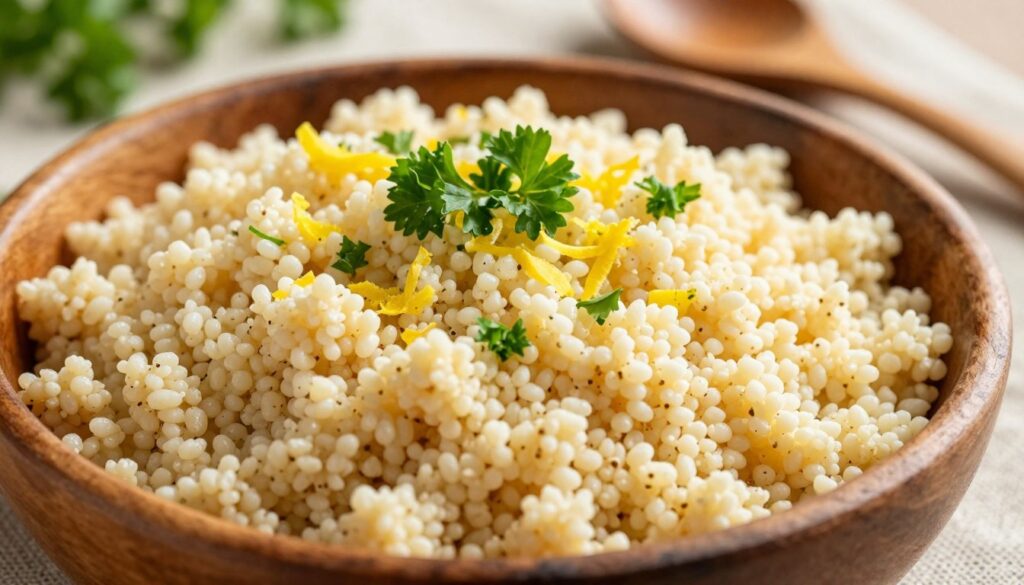
Ever made couscous at home and got a sticky mess instead of fluffy grains? You’re not alone. Many cooks follow package directions but wonder why their couscous isn’t like restaurant quality. The secret is simple: there’s a better way to make this versatile dish.
Couscous is a North African staple, like tiny pasta from semolina flour. Instant couscous is easy but doesn’t compare to homemade. The key to amazing couscous is understanding a few simple principles.
This guide will teach you to make couscous like Moroccan chefs do. You’ll learn how to get perfectly fluffy grains every time. Whether you’re new to couscous or have been disappointed before, this guide will show you how to make a fluffy couscous recipe that’s restaurant-quality. The best couscous recipe is simple, but it requires knowing the right steps.
You’ll learn about the different types of couscous and how to cook it perfectly in modern kitchens. You’ll understand why standard instructions often fail and what adjustments make a big difference. Soon, making fluffy couscous will be second nature.
Key Takeaways
- Couscous is actually a type of pasta, not a grain, which changes how you should cook it
- A 1:1 ratio of couscous to water creates the light, fluffy texture you want
- The five-minute resting period is essential for proper hydration without mushiness
- Fluffing with a fork after resting separates the grains and prevents clumping
- Adding olive oil and salt to boiling water prevents stickiness and adds flavor
- Instant couscous and Israeli couscous require different cooking times and methods
- A rice cooker works just as well as traditional stovetop cooking when you know the right technique
What Is Couscous and Why It Deserves a Place in Your Kitchen
Many people think couscous is like rice or quinoa. But, it’s actually a type of pasta. Knowing this changes how you cook it and what it tastes like.
Couscous has a long history in North Africa. The Amazigh people, also known as Berbers, made it centuries ago. It has become a global favorite, perfect for today’s kitchens.
Understanding Couscous as a Pasta, Not a Grain
Couscous starts with semolina flour, a coarse durum wheat product. Water is added to make a dough. Then, it’s rolled and pressed through sieves to make tiny granules.
It’s like cooking pasta. You add water or broth to couscous. The semolina absorbs it and becomes soft, giving it a fluffy texture.
The Different Types of Couscous Available
There are many couscous types in stores today. Each needs a different cooking method:
- Moroccan couscous — The finest, with grains smaller than rice. It’s used in traditional recipes.
- Pearl couscous (Israeli couscous) — Larger, round pearls with a chewier texture.
- Instant couscous — Pre-steamed and dried, cooks in minutes. It’s common in supermarkets.
Each type offers something unique. Moroccan couscous is best for light dishes. Pearl couscous is great for heartier meals. Instant couscous saves time without losing quality.
Key Ingredients for Perfect Fluffy Couscous
Making great couscous is simple. You only need a few basic ingredients. This makes the process elegant and easy.
The first step is to pick the right couscous. Look for “couscous” on the package, not pearl or Israeli. These small grains are perfect for traditional recipes.
The liquid you use is very important. Water keeps things simple, but broth adds flavor. Low-sodium broth adds depth and richness that’s similar to traditional Moroccan cooking.
Fat is your third key ingredient. You can use:
- Olive oil for a Mediterranean taste
- Butter for richness and indulgence
- Ghee for a nutty flavor
- A mix of any two for a balanced taste
Fat makes the couscous rich and fluffy. It also keeps the grains separate. Always use fat when following couscous cooking instructions. Salt brings all the flavors together beautifully.
| Ingredient | Amount | Purpose |
|---|---|---|
| Couscous | 1 cup | Base grain for texture |
| Water or Broth | 1 cup | Hydration and flavor |
| Oil or Butter | 1 tablespoon | Separation and richness |
| Salt | Pinch | Flavor enhancement |
Quality is key when buying ingredients. Choose good broth and real butter or olive oil. These choices make a big difference in taste and texture.
Starting with good ingredients yields noticeably better results than cutting corners.
Knowing what each ingredient does helps you make perfect couscous. Choosing quality ingredients makes every bite delicious.
The Traditional Moroccan Method vs. Modern Instant Couscous
Couscous is a big deal in Moroccan culture, most on Fridays. Families come together to enjoy this dish. Knowing the difference between old ways and new helps us see why some methods are better.
The story of couscous changing from handmade to instant is interesting. It shows how food and culture evolve together.
How Traditional Couscous Is Made by Hand
In Morocco, making couscous is a special process. They use a couscoussière, a two-tiered pot. The bottom cooks a flavorful broth with lamb, veggies, and spices.
The top part steams the couscous grains. To cook it right, cooks fluff the grains by hand after each steam. This makes sure each grain cooks evenly.
This old way takes hours and needs skill. The steam cooks the grains gently, adding flavor from the broth. The couscous turns out light and fluffy, with each grain separate. You can find real traditional recipes on detailed Moroccan couscous guides.
- Three separate steaming rounds for perfect texture
- Hand-fluffing between each round to prevent clumping
- Specialized equipment needed for authentic preparation
- Labor-intensive process taking several hours
Why Instant Couscous Became Popular Worldwide
Instant couscous changed everything. It’s pre-steamed and dried, so it only needs a quick soak to eat. This makes it fast and easy for anyone to make, unlike the old way.
Some people say instant couscous isn’t as good as the traditional kind. But, with the right techniques, you can make instant couscous taste like the real thing. This way, you can enjoy couscous without spending hours in the kitchen.
| Preparation Method | Cooking Time | Equipment Required | Skill Level |
|---|---|---|---|
| Traditional Moroccan | 2-3 hours | Couscoussière | Advanced |
| Instant Couscous | 10-15 minutes | Pot and bowl | Beginner |
The change from handmade to instant couscous shows how food traditions adapt. Now, you can make delicious couscous at home without needing hours or special tools.
How to Make Couscous: The Step-by-Step Method

Learning to cook couscous is easy and doesn’t need fancy tools. You can make this North African dish in minutes with two simple methods. Choose the stovetop or baking method to get light, fluffy couscous every time.
Preparing couscous is simple. It’s all about using the right amount of water and heat. Once you get the hang of it, you’ll make couscous like a pro at home.
The Quick Stovetop Method
This method is great for when you’re in a hurry. Here’s how to cook couscous perfectly:
- Pour one cup of water or broth into a medium pot
- Add one tablespoon of olive oil, butter, and salt to taste
- Bring the liquid to a rolling boil over medium-high heat
- Stir in one cup of couscous gradually while stirring constantly
- Remove the pot from heat immediately
- Cover the pot with a tight-fitting lid
- Let it steam undisturbed for five minutes
- Use a fork to fluff and separate the grains thoroughly
The Enhanced Baking Method for Superior Results
This method makes couscous fluffier and more evenly cooked. It’s perfect when you want couscous to be just right:
- Place one cup of dry couscous in a baking dish
- Pour one cup of room temperature water or broth over the grains
- Mix thoroughly until every grain gets moistened
- Allow the mixture to sit at room temperature for fifteen minutes
- Use your fingers or a fork to separate clumps gently
- Add one tablespoon of olive oil or melted butter and salt
- Mix everything together evenly throughout
- Cover the dish tightly with aluminum foil
- Bake at 350°F (175°C) for thirty to thirty-five minutes
- Fluff with a fork and taste before serving
| Method | Total Time | Liquid Temperature | Best For | Texture Result |
|---|---|---|---|---|
| Stovetop Quick | 10 minutes | Boiling | Busy weeknights | Good, can be slightly dense |
| Baking Enhanced | 50 minutes | Room temperature | Special meals | Exceptionally fluffy and light |
The main difference is in temperature. Using room temperature liquid helps couscous absorb moisture evenly. The oven’s heat cooks it gently, making it fluffy.
Couscous should feel light and fluffy. Each grain should separate easily. If it’s too dry, add a bit more liquid and wait a few minutes.
Both methods work well. Choose based on your schedule and preference. With practice, you’ll get the hang of making perfect couscous.
The Secret to Light and Fluffy Couscous Every Time
Getting light and fluffy couscous is easy once you know the two secrets. Many recipes and package instructions are wrong about temperature and liquid amounts. Learning the right way will stop you from making soggy couscous. The key to great couscous is knowing these two important factors.
Why Room Temperature Water Works Better Than Boiling
Most recipes tell you to use boiling water over couscous and cover it. But this often makes couscous overcooked, mushy, or sticky. The issue is simple: boiling water creates too much steam at once.
This steam cooks the outside of the grains too fast. It doesn’t let the inside absorb water evenly. Instant couscous is already cooked. It just needs gentle rehydration, not hot water.
Using room temperature or cold water lets the grains absorb moisture slowly and evenly. This keeps each grain separate and tender. Your couscous will be light and fluffy, without clumping.
The Importance of Using Less Liquid Than You Think
The second secret is to use less water than the package says. Most recipes suggest a 1:1 or 1:1.5 ratio of couscous to liquid. But this makes couscous soggy and clumpy.
A better ratio is closer to 1:0.5 or 1:0.6—about half the liquid most people use. Instant couscous is partially cooked. It doesn’t need as much water as dried pasta does.
Test your couscous by squeezing a few grains between your fingers. They should feel plump and soft but still hold their shape. This simple test tells you when your couscous is perfect.
| Couscous Amount | Traditional Ratio | Best Water Ratio | Result |
|---|---|---|---|
| 1 cup | 1 to 1.5 cups liquid | 0.5 to 0.6 cups liquid | Light, fluffy grains |
| 2 cups | 2 to 3 cups liquid | 1 to 1.2 cups liquid | Separated, tender texture |
| 0.5 cup | 0.5 to 0.75 cups liquid | 0.25 to 0.3 cups liquid | Perfect individual grains |
These two changes—cooler liquid and less of it—make a huge difference. Your meals will improve instantly when you use these proven methods instead of following conventional wisdom.
Common Mistakes That Make Couscous Sticky and Clumpy
Even experienced cooks can face disappointment with couscous. It’s all about knowing what goes wrong. By avoiding common mistakes, you can achieve perfect results every time.
One big mistake is using boiling water. It makes the couscous mushy and clumpy. Instead, use room temperature or warm water for better control.
Using too much liquid is another common error. Many recipes call for more water than needed. This makes couscous mushy. Start with less water and adjust as needed.
Timing is crucial when preventing couscous from sticking. Fluff it while it’s still warm. If it cools down, the grains stick together.
The tool you use for fluffing is important. Spoons can press grains together. Forks are better, but your hands offer the best control.
Don’t skip adding fat like butter or oil. They coat each grain, preventing sticking. This is key for fluffy couscous.
Lastly, the quality of your couscous matters. Use couscous made from 100% semolina durum wheat for the best results.
- Use room temperature water instead of boiling liquid
- Reduce the liquid amount from package directions
- Fluff immediately while couscous is still warm
- Choose a fork or your hands for gentle fluffing
- Always add butter or olive oil to coat the grains
- Select high-quality couscous made from pure semolina
By avoiding these mistakes, you can make couscous perfectly fluffy every time. Each small change brings you closer to your goal.
Choosing High Quality Couscous for Best Results
The quality of your couscous is crucial. It’s simple to make and the ingredients shine. So, picking the best couscous at the store is key. It makes cooking easier and tips more effective.
Find couscous in the rice and pasta aisle. Look for just “couscous” on the label. Reading the ingredient list is the first step to making great couscous.
What to Look for on the Package Label
Make sure the package says “100% semolina durum wheat” or “100% durum wheat semolina.” Semolina is a special flour. It makes couscous tender yet firm.
Lower quality brands might use regular wheat. This can make couscous uneven, gummy, or taste bad.
- Check that the ingredients list is short and simple
- Look for pale golden-yellow color in the granules
- Verify uniform grain size throughout
- Avoid products with additives or preservatives
- Steer clear of ambiguous “wheat flour” listings
Specialty stores and Middle Eastern markets have top brands like Dari, Tria, and Mazyana. These brands offer the quality found in Morocco. Even regular supermarkets have good couscous if you read labels well. Quality couscous ensures your cooking is a success.
| Brand Type | Location | Quality Level | Price Range |
|---|---|---|---|
| Dari | Specialty/Online | Premium | Higher |
| Tria | Specialty/Online | Premium | Higher |
| Mazyana | Specialty/Online | Premium | Higher |
| Supermarket Brands | Regular Stores | Good (if labeled correctly) | Lower |
“The quality of your ingredients directly influences the quality of your final dish.”
Choosing high quality couscous makes your cooking better. It ensures your couscous turns out perfectly fluffy.
Fluffing Techniques: Hands vs. Fork for Separated Grains

Fluffing couscous right after steaming is key to a light and airy dish. It separates grains so they don’t stick together. You can fluff with your hands or a fork, each with its own benefits.
Using your hands is the traditional Moroccan way. It lets you feel the grains, helping you avoid clumps. Your fingers can gently separate the couscous, ensuring even distribution.
If hands aren’t your thing, a fork is a good alternative. Choose a fork over a spoon to avoid mashing the grains. Hold the fork at an angle and gently rake through the couscous. For more details, check out how to cook couscous properly with both methods.
| Fluffing Method | Best For | Advantages | Disadvantages |
|---|---|---|---|
| Hands | Traditional approach | Better control, tactile feedback, thorough separation | Requires handling warm couscous |
| Fork | Quick fluffing | No hand contact, easy cleanup, effective separation | Less precise control, may miss clumps |
Timing is critical for fluffing couscous. Do it while it’s still warm, right after steaming. Warm grains are easier to separate. If you wait too long, they’ll stick together and become dense.
- Fluff immediately after steaming or soaking
- Use warm couscous for best results
- Work through the entire batch systematically
- Apply gentle pressure to avoid crushing grains
- Choose hands or fork based on your comfort level
Whether you prefer hands or a fork depends on your style. Hands offer a tactile experience, while a fork is quicker. Remember, warm couscous is essential for a fluffy texture. Work gently and quickly to achieve the perfect side dish.
The Oven Method for Perfectly Cooked Couscous
Baking couscous in the oven is a game-changer. It makes creating an easy couscous recipe a breeze. The oven’s gentle heat ensures fluffy results every time.
The oven method changes how you make couscous. It takes the guesswork out of cooking. This lets you use your stovetop for other dishes while your couscous cooks perfectly.
Why Baking Promotes Even Cooking
The oven’s steady heat cooks every grain evenly. Stovetop methods can lead to hot spots and uneven results. The oven’s moderate temperature prevents sticky, clumpy grains.
Your couscous soaks up liquid before baking. The oven then warms it to the perfect texture. The foil keeps just enough moisture in, preventing clumping.
Temperature and Timing Guidelines
Here’s how to make a quick couscous side dish:
- Preheat your oven to 350°F (175°C)
- Cover your baking dish tightly with foil
- Bake for 30 to 35 minutes until grains are fully tender and hot
- Check smaller portions at 25 minutes
- Check larger quantities at 40 minutes
Your couscous is ready when it’s hot and fluffy. This method is almost foolproof, with little chance of burning or overcooking.
Adding Flavor with Broth, Butter, and Olive Oil
Starting a healthy couscous recipe means picking the right liquid. Water is okay, but it makes couscous taste plain. Using broth instead makes your dish special. It brings real Moroccan flavors to your kitchen.
Choosing the right liquid is key. Here are some options for adding flavor:
- Chicken broth goes well with almost everything and is great for a simple couscous technique
- Vegetable broth makes your couscous recipe plant-based
- Beef broth adds deeper, richer flavors for heartier meals
- Low-sodium versions let you control the salt level yourself
Using chicken or vegetable stock as your cooking liquid is like traditional Moroccan cooking. It lets grains soak up flavorful vapors from steaming broth below.
Fat is important in your couscous recipe. Butter and olive oil both have key roles:
| Fat Type | Flavor Profile | Best Use |
|---|---|---|
| Butter | Rich, slightly sweet | Classic comfort dishes |
| Olive Oil | Fruity, peppery | Mediterranean meals |
| Combination | Balanced richness | Versatile with any cuisine |
Oil is optional, but it makes couscous taste better. Drizzle fat over couscous after it absorbs liquid. This prevents grains from sticking and ensures even cooking.
By adding layers of flavor with broth and fat, you turn basic couscous into a memorable side dish. It perfectly complements any meal.
Serving Suggestions and What to Pair with Your Couscous
Once you’ve mastered making fluffy couscous, the exciting part begins. You get to decide what flavors and dishes will complement your perfectly cooked grains. Couscous is incredibly versatile and works with many different cuisines and flavor profiles. Your fluffy couscous becomes the perfect canvas for creating memorable meals.
A traditional moroccan couscous recipe shines when paired with tagines. These slow-cooked stews feature lamb, chicken, or vegetables in aromatic sauces. The rich spices like cumin, coriander, cinnamon, and saffron create depth. Your fluffy couscous soaks up these delicious sauces beautifully. Try chicken tagine with preserved lemons and olives, or lamb tagine with apricots and almonds.
Beyond classic tagines, your traditional couscous preparation pairs wonderfully with many other dishes:
- Braised and stewed dishes like beef stews, short ribs, or ratatouille
- Grilled meats such as lamb kofta, chicken skewers, or merguez sausages
- Roasted vegetables like eggplant, zucchini, bell peppers, and cherry tomatoes
- Fresh couscous salads with chopped tomatoes, cucumbers, and herbs
- Dishes with spicy elements like harissa chicken or red pepper sauce
Light couscous salads make excellent warm or cold options. Toss your couscous with fresh vegetables, herbs like parsley and mint, lemon juice, and olive oil. Add toasted nuts, dried apricots, or chickpeas for texture and flavor. This approach works perfectly for meal prep or warm-weather dinners.
| Pairing Type | Best Couscous Serving Style | Flavor Profile |
|---|---|---|
| Tagines and Stews | Warm fluffy mound | Aromatic and spiced |
| Grilled Meats | Light and fluffy side | Smoky and savory |
| Couscous Salads | Room temperature or warm | Fresh and tangy |
| Roasted Vegetables | Warm fluffy bed | Earthy and rich |
Couscous is the ultimate team player in the kitchen, adapting to whatever flavors you bring to the table.
Your couscous pairs beautifully with dishes that have a little heat, like sticky-spicy honey harissa chicken. The neutral base balances rich, saucy dishes without competing for attention. Whether you’re serving it with traditional moroccan couscous recipe classics or creating your own combinations, your fluffy couscous delivers consistent results that impress everyone at your table.
Conclusion
You now know how to make couscous perfectly every time. It’s easier than you think, turning simple semolina into a fluffy dish. This dish is perfect for your family and guests.
Remember, couscous is pasta, not a grain. Use warm water, not boiling, and less than the package says. Fluff it while warm to keep it fluffy. Choose high-quality couscous for the best taste.
The oven method is best for perfect results. Add broth for flavor and butter or oil to prevent sticking. Knowing these tips helps avoid common mistakes.
Whether you’re in a rush or celebrating, you can make fluffy couscous. It goes well with Moroccan dishes, grilled meats, and salads. This versatile dish is a must-have in your kitchen.
Now, it’s time to try making couscous. You’ll see how proper technique improves your cooking. Soon, couscous will be your go-to for quick, tasty meals.