
The Best 15 Simple Meal Prep And Wraps Lunches
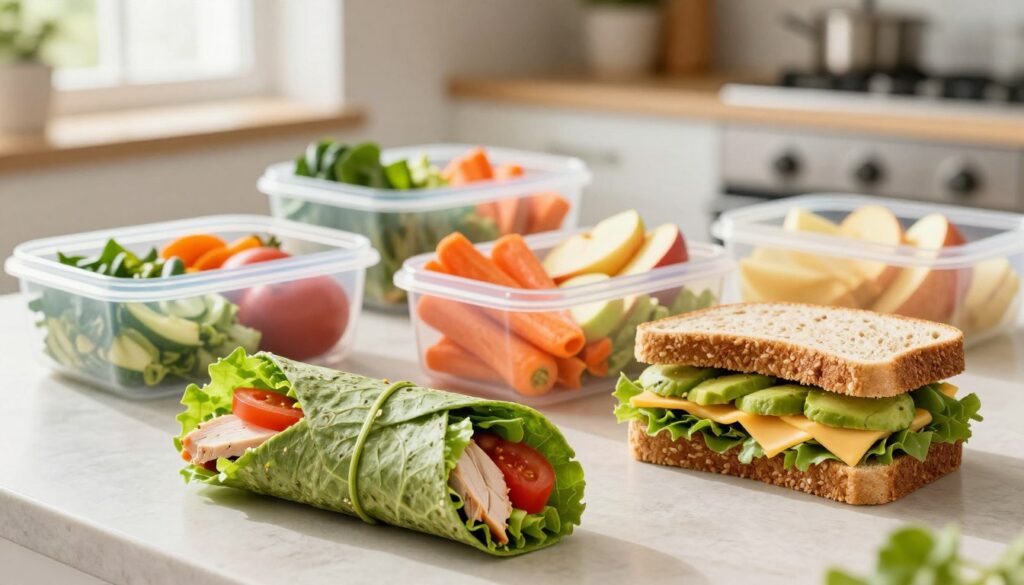
Monday morning arrives, and you’re staring at your lunch options. You could grab something expensive from a restaurant. Or spend thirty minutes making lunch when you’d rather sleep. Or, you could find a delicious meal you prepared over the weekend in your fridge.
Eating healthy takes planning. You want meals that are nutritious and taste great. You also want to save money and avoid daily stress about what to eat. But, many lunch ideas don’t stay fresh when prepared in advance.
The good news is that simple meal prep lunches can work well with the right techniques. Wraps and sandwiches are perfect for meal prep if you know how to prevent common problems. This guide offers fifteen tested recipes, including vegan, vegetarian, and meat-based options.
Whether you’re new to easy lunch meal prep ideas or looking to refresh your weekly rotation, you’ll find options that fit your life. These make ahead lunch recipes take just a few hours to prepare and can be customized to your taste. You’ll learn how to keep bread crispy and toppings fresh.
Key Takeaways
- Simple meal prep lunches save you time and money throughout your work week.
- Toasting your bread and using smart layering prevents soggy sandwiches in advance.
- You can prepare make ahead lunch recipes in under thirty minutes with the right approach.
- Vegan, vegetarian, and chicken wraps offer protein-packed options for every dietary preference.
- Keeping components separate in your container lets you assemble fresh meals when you eat.
- Easy lunch meal prep ideas work best when you choose recipes that hold up well overnight.
Why Simple Meal Prep Lunches Are Perfect for Busy Schedules
Life is fast, and so should your lunch routine. When you’re busy with work, family, and more, eating well seems hard. Simple meal prep lunches make it easy by letting you prep in just a few hours a week. This smart move changes your week for the better.
You don’t need special skills or fancy tools to start. A weekly lunch prep plan lets you cook in bulk on one day, usually Sunday. Then, enjoy healthy meals all week. This simple change brings big benefits to your schedule, wallet, and health.
Save Time and Money with Weekly Lunch Prep
Buying lunch daily costs a lot. People spend $12 to $15 per meal, adding up to $60 to $75 weekly. That’s $3,000 to $3,900 a year just on lunch. But, meal prep lunches can be as cheap as $3 to $5 per meal when you cook at home.
Time is also valuable. Deciding, preparing, or waiting in line wastes hours. With meal prep lunches ready, you save 2.5 to 4 hours weekly.
- Buy ingredients in bulk at lower prices
- Reduce food waste by using everything intentionally
- Eliminate daily meal preparation stress
- Skip expensive restaurant visits
- Spend just 2 to 3 hours once weekly preparing food
Health Benefits of Planning Your Meals Ahead
Planning meals lets you control what you eat. You pick the veggies, protein, and portion size. Without planning, fast food might seem like the only option.
Meal planning reduces decision fatigue. Making too many choices daily exhausts your brain. Planning once a week frees up mental energy for more important decisions. You’re more likely to eat balanced meals when you’ve prepared them.
| Benefit | Impact on Your Week |
|---|---|
| Complete ingredient control | Know exactly what you’re eating every day |
| Portion management | Support weight management goals |
| Reduced decision fatigue | Save mental energy for important choices |
| Avoided unhealthy choices | Skip temptation when unprepared |
| Consistent nutrition | Maintain balanced meals daily |
The secret isn’t fancy cooking—it’s consistency. Committing to a weekly lunch prep plan with simple recipes makes healthy eating easy. You’re not fighting yourself every lunchtime. Start with three days if full-week planning feels too much. Gradually add more as the routine becomes natural.
Essential Tips for Successful Lunch Meal Prep

Starting meal prep doesn’t need to be perfect. Your main goal is to create a system that fits your life and schedule. Many think they need fancy tools or hard recipes to start. But, it’s simpler than that.
Start small and stay flexible. Adjust your method as you find what works for you. This way, you can learn and grow in your meal prep journey.
Prepping your most-used ingredients ahead of time is a smart move. Think about cooked chicken, hard-boiled eggs, roasted veggies, and grains like rice or quinoa. These items can be mixed and matched to create many different lunches.
Try using a template for your batch cooking. Pick meal types you like, like grain bowls, wraps, or salads. Each week, just change out the ingredients to keep things fresh and exciting.
- Keep your favorite proteins prepped and ready
- Prep fresh vegetables and grains in advance
- Use beginner meal prep containers that are stackable and leak-proof
- Choose recipes with overlapping ingredients to simplify shopping
- Set aside one dedicated prep day each week
Don’t waste dinner leftovers. Turn them into lunch by adding fresh herbs, sliced avocado, and crunchy nuts or croutons. This trick makes your meals exciting again and saves time.
If you’re new to meal prep, start with lunches for just three days. This will help you build confidence. Remember, trial and error is normal. If a recipe doesn’t work, try something different next week.
👉 Healthy Eating for Better Digestion and Gut Health
How to Prevent Soggy Sandwiches and Wraps
Keeping meal prep wraps and sandwiches fresh and crispy is a big challenge. Moisture can turn them soggy. But, there are simple ways to keep them crisp for days.
Understanding how moisture harms your food is key. Assembling sandwiches too early lets liquids soak into bread and tortillas. Trapped steam and condensation are the main culprits. Let your fillings cool for 30 to 60 minutes before covering and refrigerating them. This step helps prevent sogginess.
Toast Your Bread for Better Texture
Lightly toasting your bread helps stop moisture from soaking through. You don’t need to make it crispy or brown. Just a slight drying out is enough.
For wraps, warming tortillas in a dry pan works the same way. The heat dries the surface without making them brittle. Also, pat dry wet ingredients like tomatoes or cucumbers with paper towels before adding them to your sandwich. This removes excess moisture that could harm the bread later.
Smart Layering Techniques for Fresh Wraps
Place drier ingredients like lettuce or spinach against the bread or tortilla first. This creates a protective layer. Use spreads like hummus, pesto, or mayo sparingly if you’re assembling more than a day in advance. Better yet, pack these spreads separately in small containers and add them right before.
For wet fillings with dressings or marinated vegetables, prep all components separately. Assemble your wrap the morning you plan to eat it or even at lunchtime. This keeps your wraps fresh and prevents sogginess. Use sturdy greens like romaine, kale, or spinach that hold up better than delicate varieties.
| Ingredient Type | Best Storage Method | Assembly Timing |
|---|---|---|
| Bread or Tortillas | Toast lightly before use | Assemble same day or next morning |
| Wet Vegetables (Tomatoes, Cucumbers) | Pat dry with paper towels; store separately | Add within 2-3 hours of eating |
| Spreads (Mayo, Hummus, Pesto) | Pack in separate small containers | Add immediately before eating |
| Leafy Greens (Romaine, Kale, Spinach) | Store in airtight container with paper towel | Layer against bread as barrier |
| Protein (Chicken, Turkey, Beans) | Cool completely before assembling | Add after protective vegetable layer |
Follow these practices consistently throughout the week. Your meal prep wraps will stay fresh, crispy, and delicious. Prevent sogginess by keeping components separate until eating time. These small changes will make your lunchtime experience better and more enjoyable.
Best Containers and Tools for Meal Prep Lunches

Choosing the right containers and tools makes meal prep easier. You don’t need to spend a lot to get started. Good containers keep your food fresh and save you money over time.
Glass containers with snap-lock lids are great for meal prep. They don’t hold odors or stains like plastic does. They’re also safe for the microwave, dishwasher, and freezer.
Look for leak-proof designs to avoid spills. Compartmentalized containers are perfect for keeping wet and dry ingredients separate. This is great for wraps where you add sauce just before eating.
For wraps, use foil or reusable beeswax wraps to keep them together. Wide-mouth Mason jars are perfect for grain bowls and salads. Place dressing at the bottom and greens on top to keep them crisp.
| Container Type | Best For | Key Features | Price Range |
|---|---|---|---|
| Glass Snap-Lock Containers | All meal types | Microwave-safe, dishwasher-safe, leak-proof | Budget-friendly |
| Compartmentalized Bento Boxes | Wraps and sandwiches | Multiple sections, keeps items separate | Affordable |
| Mason Jars | Salads and grain bowls | Wide mouth, freezer-safe, durable | Very affordable |
| Insulated Lunch Bags | Temperature control | Keeps food cold, portable | Moderate |
Tools like an electric kettle make meal prep faster. Small ice packs keep food at safe temperatures. Portion control containers help you balance your meals. An insulated lunch bag keeps your food safe from temperature changes.
You don’t need to spend a lot to start. Many affordable options work well. Choose containers that are microwave-safe, dishwasher-safe, and leak-proof. Start with a few good pieces and add more as needed.
- Choose glass over plastic when possible
- Look for compartmentalized designs for wraps
- Invest in a good insulated lunch bag
- Keep ice packs ready for cold items
- Select leak-proof containers to avoid spills
- 👉 The Best One-Pan Dinner Recipes for Easy Cleanup
The right container system makes meal prep feel effortless rather than like a chore.
Starting your meal prep journey doesn’t require a huge investment. Pick beginner meal prep containers that fit your budget and lifestyle. With the right tools and affordable wraps, you’ll support your healthy eating goals all week long.
Protein-Packed Vegan Wrap Ideas
Plant-based eating doesn’t mean you have to give up taste or nutrition. You can make delicious wraps that are both filling and healthy. These vegetarian wrap ideas show that vegan lunches are just as good as any other. With just a few ingredients and quick steps, you can make tasty meals in no time.
One of the best things about these wraps is how flexible they are. You can make parts of them ahead of time and mix them together fresh each day. This keeps your wraps crispy and prevents them from getting soggy, saving you time in the morning.
Chickpea and Avocado Mash Wraps
This wrap filling is a mix of two great ingredients. You mash ripe avocados with chickpeas, then add salt and lemon or lime juice. The citrus stops the mixture from browning and adds a burst of flavor.
To make your wrap, spread this mix on a whole grain tortilla. Add crisp lettuce, diced tomatoes, and shredded carrots. This mix gives you:
- Complete plant-based protein for lasting energy
- Healthy fats that keep you full for hours
- Fresh vegetables packed with vitamins
- Preparation time of just five minutes
BBQ Jackfruit Sandwiches for Plant-Based Protein
Young green jackfruit is a great meat substitute with a pulled texture. You can find canned jackfruit at most grocery stores. Cook it with BBQ sauce and spices for thirty minutes to make a tasty filling.
To keep your meal prep successful, store your jackfruit separately from bread or wraps. Assemble your sandwich just before eating to keep it fresh and prevent soggy bread.
| Component | Storage Method | Duration |
|---|---|---|
| Cooked BBQ jackfruit | Airtight container in refrigerator | 4-5 days |
| Whole grain buns or wraps | Separate in sealed bag | 3-4 days |
| Coleslaw or toppings | Sealed container | 2-3 days |
These vegetarian wrap ideas can make your lunch routine exciting and healthy. Your taste buds and body will love the choice of protein packed meal prep lunches.
Vegetarian Meal Prep Wraps and Sandwiches
Vegetarian meal prep wraps and sandwiches offer endless flavors without meat. They make filling lunches that keep you excited all week. Plus, many vegetarian wraps get better in flavor as they sit in the fridge overnight.
Roasted vegetable wraps are a great choice for low calorie lunches. Start by roasting colorful veggies like zucchini, sweet potato, and beets on Sunday. Then, mix these with creamy spreads like hummus or ricotta cheese. You can use these veggies in different ways all week—wrap them up on Monday, serve them over quinoa on Tuesday, and add them to a grain bowl on Wednesday.
👉 Fresh and Healthy Salad Recipes You’ll Love
Try Thai-inspired veggie wraps with crunchy veggies, fresh cilantro, mint, and tangy peanut or almond butter sauce. These wraps are refreshing and packed with fiber and nutrients. They’re perfect for a healthy weight loss lunch.
Don’t overlook egg-based options like breakfast burritos with scrambled eggs, cheese, beans, and sautéed vegetables. These are great for lunch too. Tempeh bacon adds a satisfying crunch and smoky flavor to any sandwich or wrap.
For easy options, check out easy lunch recipes for beginners. These recipes teach basic techniques. You’ll find that simple seasonings and prepping ahead make vegetarian meal prep easy and fun.
- Roasted veggie wraps with hummus and ricotta
- Thai veggie wraps with peanut sauce
- Egg burritos with beans and sautéed vegetables
- Tempeh bacon sandwiches
- Hummus and veggie combinations
Use whole grain wraps and fresh ingredients for your vegetarian wraps. Layer your veggies first, add protein, and spread sauce last. You’ll have fresh-tasting wraps all week. These wraps are low in calories but keep you full and satisfied.
Simple Meal Prep Lunches with Chicken and Turkey
Chicken and turkey are great for a high protein lunch meal prep. They pair well with fresh veggies and tasty sauces. This makes meals you’ll enjoy eating. They help with muscle building and keeping your energy up.
Chicken and turkey are very versatile. You can grill, bake, or slow-cook them at the start of the week. Then, mix them into different wraps and bowls for variety. This keeps meal prep interesting and supports your fitness goals.
Making a make ahead chicken wrap lunch takes just 15 minutes. Prep your cooked protein and fresh veggies and sauces separately. This keeps everything fresh. When you’re ready, layer them in your wrap for a tasty meal.
Thai Chicken Wraps with Peanut Sauce
Thai chicken wraps are a hit without needing to reheat. Use tender, marinated chicken thighs. Add crispy cabbage, shredded carrots, fresh cilantro, and mint in a whole wheat tortilla.
The creamy peanut sauce adds rich flavor. Make a big batch of sauce at the start of the week. It lasts up to seven days. The mix of textures keeps your lunch exciting and prevents boredom.
- Marinate chicken thighs overnight for maximum flavor absorption
- Prep vegetables on Sunday for quick assembly throughout the week
- Store peanut sauce separately to prevent soggy wraps
- Pack wraps in parchment paper for easy handling
Turkey Cranberry Wraps for Year-Round Enjoyment
Turkey cranberry wraps bring Thanksgiving flavors to any time. Sliced turkey breast, tart cranberry sauce, creamy cheese, and peppery greens are a perfect mix.
Add sliced apples or pecans for extra nutrition. This mix is balanced with protein, sweetness, and fresh greens. These wraps are great all year, adding comfort to your lunch.
For more protein-packed ideas, check out ground turkey meal prep recipes. You’ll find quick high protein lunch options that are easy to make.
| Wrap Type | Protein Content | Key Ingredients | Prep Time |
|---|---|---|---|
| Thai Chicken | 28-30g | Marinated chicken thighs, cabbage, carrots, peanut sauce | 5 minutes assembly |
| Turkey Cranberry | 25-28g | Sliced turkey breast, cranberry sauce, goat cheese, arugula | 3 minutes assembly |
“Prepping your proteins at the start of the week transforms quick assembly into an effortless lunchtime ritual.”
Both wraps offer satisfying nutrition for your busy days. Store cooked proteins, veggies, and sauces in clear containers. This makes it easy to assemble your lunch quickly, whether at your desk or on the go.
👉 Best Easy Healthy Breakfast Ideas for Busy Mornings
Make-Ahead Lunch Components for Mix and Match Meals
Creating your own healthy meal prep bowls doesn’t mean you have to eat the same thing every day. The component-based approach makes meals flexible and keeps them interesting. Instead of making five identical lunches, you prepare versatile ingredients. Then, you mix them in different ways each day.
Start by cooking large batches of whole grains. You can make quinoa, brown rice, farro, or wheat berries in one go. These grains stay good in your fridge for four to five days. They’re great for salads, warm bowls, or even fried with veggies.
Next, cook multiple protein options at once. Make a batch of black beans, roast chickpeas until crispy, and bake marinated tofu. Having three different proteins ready means you can choose based on your mood each day. This way, you avoid boredom and get real variety.
Roast several vegetable types together on sheet pans. Sweet potatoes, broccoli, cauliflower, and Brussels sprouts roast at similar temperatures. Fill your oven with pans and finish a week’s worth of veggies in one session. Roasted veggies are great in grain bowls, wraps, pasta dishes, or as simple sides.
The key is preparing two to three sauces or dressings. A tahini sauce, chipotle sauce, and cilantro lime dressing can change the same base ingredients into distinct meals. This strategy takes minutes but adds a lot of flavor.
| Component Type | Prep Examples | Refrigerator Life | Mix-and-Match Uses |
|---|---|---|---|
| Whole Grains | Quinoa, brown rice, farro, white rice | 4-5 days | Cold salads, warm bowls, fried rice |
| Plant-Based Proteins | Black beans, chickpeas, lentils, baked tofu | 4-5 days | Bowl bases, wrap fillings, salad toppers |
| Roasted Vegetables | Sweet potatoes, broccoli, Brussels sprouts, asparagus | 4-5 days | Grain bowls, wraps, pasta, side dishes |
| Flavorful Sauces | Tahini, chipotle, green goddess, peanut, lemon vinaigrette | 5-7 days | Dressing, drizzle, dip for all components |
This mix-and-match method works best when you enjoy variety and want flexibility throughout your week. You’re not stuck eating the same meal every day. Your schedule changes? You can pick different components. Feeling adventurous? Try a new sauce combination. This keeps your meals fresh and exciting while being convenient.
Component meal prep gives you the structure of meal planning without the monotony of eating the same thing daily.
Use this strategy if you get bored easily, travel for work, or want flexibility between lunch and dinner options. Your healthy meal prep bowls become customizable creations. This makes it easier to stick with your meal prep routine all week long.
Budget-Friendly Meal Prep Ideas Under Thirty Minutes
You don’t have to spend hours cooking or break the bank to enjoy healthy lunches all week. Budget-friendly meal prep shows that eating well doesn’t have to be expensive. It’s all about using affordable ingredients and smart shopping to make quick meals.
Smart shopping stretches your dollars. Buy proteins on sale and freeze them. Choose store-brand products that are just as good but cheaper. Shop your pantry first to save money. These habits help you make the most of your food budget.
Using affordable staples is key to budget-friendly meal prep. Rice, pasta, potatoes, and bread are very cheap. Dried beans and eggs are also affordable. Seasonal veggies are cheaper than out-of-season ones, stretching your budget even more.
Homemade foods save money and taste better. Homemade hummus is cheaper and quicker to make than store-bought. Making a double batch of food is efficient, giving you more meals with little extra time.
Quick Assembly Lunch Wraps for Work
Quick lunches for busy people focus on easy, no-cook meals. A rotisserie chicken is as cheap as raw chicken but saves time. Tortillas are better than specialty wraps because they’re cheaper and last longer.
Meal prep lunches ready in 30 minutes are easy to make:
- Hummus with pre-cut vegetables
- Peanut butter with banana and honey
- Canned tuna mixed with pre-made coleslaw
- Rotisserie chicken with store-bought salsa and lettuce
- Black bean spread with avocado and tomato
Chicken salad takes just 15 minutes to prepare. Hummus veggie wraps are easy and cheap. BBQ jackfruit wraps are quick and offer plant-based protein without the high cost.
| Wrap Option | Prep Time | Cost Per Serving | Storage Days |
|---|---|---|---|
| Hummus Veggie Wraps | 10 minutes | $2.50 | 2 days |
| Chicken Salad Wraps | 15 minutes | $3.00 | 3 days |
| BBQ Jackfruit Wraps | 30 minutes | $2.75 | 3 days |
| Tuna & Coleslaw Wraps | 12 minutes | $2.25 | 2 days |
Success with quick lunches for busy people comes from planning. Set aside one evening a week for prep work. Wash and chop veggies, cook grains, and prep proteins. This way, assembly is quick all week.
“Smart meal planning isn’t just about eating better—it’s about taking control of your time and your budget.”
Budget-friendly meal prep makes excuses about time or money invalid. You can eat well even with a busy schedule. With these tips, quick meal prep lunches become your new routine, saving you time and money.
👉 Simple Comfort Lunch Recipes That Feel Homemade
Storage and Reheating Guidelines for Prepped Lunches
Getting your make ahead lunch ideas right means understanding how to store and reheat them properly. When you prepare healthy meal prep for work, storage matters just as much as the ingredients themselves. Your prepped meals stay fresh in the refrigerator for three to five days when placed in airtight containers. Always cool hot foods to room temperature before refrigerating them. Never leave cooked food sitting out for more than two hours, as this allows bacteria to grow.
Let hot foods cool completely before putting them in containers. This prevents condensation buildup that makes your lunch soggy and unsafe. Labeling your containers with the prep date helps you track freshness and avoid eating spoiled food.
Freezing Your Meal Prep for Extended Storage
Many of your cold lunch meal prep ideas freeze beautifully for up to three months. Cooked grains, beans, soups, burritos, and cooked proteins all work well in the freezer. This gives you backup meals for extra busy weeks. Transfer frozen items to your refrigerator the night before eating them. You can also use the microwave defrost setting when you need faster thawing.
Best Reheating Methods by Food Type
Not all lunches need reheating. Grain salads, wraps with sturdy vegetables, and cold lunch meal prep ideas like spring rolls taste great straight from your refrigerator. These work perfectly if your workplace lacks a microwave.
| Food Type | Best Reheating Method | Storage Time |
|---|---|---|
| Wraps and Burritos | Toaster oven or air fryer | 3-5 days |
| Soups and Stews | Stovetop or microwave | 3-5 days |
| Grain Bowls | Microwave with damp paper towel | 3-5 days |
| Hard-Boiled Eggs | No reheating needed | 5 days |
| Egg Salad | No reheating needed | 3 days |
| Cooked Proteins | Microwave or stovetop | 3-5 days or 3 months frozen |
Essential Food Safety Rules
- Always reheat food to 165°F for safety
- Use a food thermometer if you’re uncertain about temperature
- Never leave perishable foods at room temperature beyond two hours
- When in doubt about freshness, throw the meal out
- Store grain salads dressed, as hearty vegetables hold up well
Your healthy meal prep for work stays delicious and safe when you follow these guidelines. Proper storage and reheating techniques ensure your meals taste fresh throughout the week while keeping your health protected.
Conclusion
You now have 15 simple meal prep lunch and wrap ideas for your busy life. These recipes save time, money, and stress during the week. Starting your meal prep journey is not about being perfect.
It’s about finding what works for you. Your first tries might not be perfect, and that’s okay. The goal is to find what fits your lifestyle and tastes.
Start with one or two quick wrap recipes that appeal to you. Master those first. Once you’re confident, add more to your rotation.
The key principles you’ve learned will help you succeed. These include toasting bread, using smart layering, picking the right containers, and storing food safely. Whether you prefer vegan chickpea wraps, vegetarian roasted veggie sandwiches, or protein-packed chicken options, there’s a meal prep solution for you.
Spending a few hours on the weekend to prepare these wraps pays off all week. You’ll save time, money, and mental stress. Don’t be afraid to adjust recipes to match your preferences and what you have at home.
The best meal prep solution is one you’ll enjoy. Pick a recipe from this guide now. Set aside time this weekend. Experience the joy of having delicious, healthy lunches ready to grab and go every day.