
The Best Moroccan Simple Fish Tagine – Spices and Slow Cooking
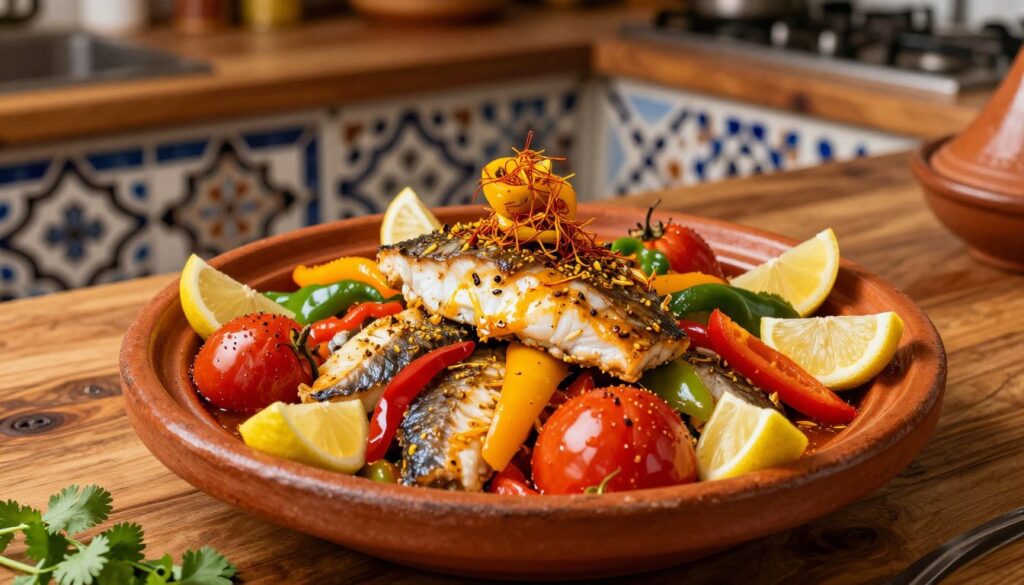
The first time I tried a Moroccan fish tagine, it felt like uncovering a secret recipe passed down for ages. The scents of saffron, preserved lemons, and spices took me straight to Marrakech’s lively markets. This simple fish tagine is more than a recipe; it’s a trip into North African cooking’s heart.
Picture turning regular fish into a meal that tells a tale of tradition and taste. A homemade Moroccan fish tagine brings the cozy feel of Moroccan kitchens to your home. It shows that complex tastes can be easy to make.
Your cooking journey starts with the magic of slow cooking and the skill of mixing spices. Whether you’re an experienced chef or just starting, this guide will help you make a real Moroccan fish tagine. It will wow and please everyone.
Key Takeaways
- Discover the authentic flavors of Moroccan cuisine
- Learn traditional slow-cooking techniques
- Master the art of spice blending
- Transform simple ingredients into an extraordinary meal
- Explore the cultural significance of tagine cooking
Understanding the Traditional Moroccan Fish Tagine
Explore the world of traditional Moroccan cooking and discover the tagine. This cooking method is more than a dish; it’s a cultural experience that shows the true taste of Moroccan cuisine.
The term “tagine” has a special meaning in Moroccan cooking. It refers to both the unique cooking vessel and the delicious dish made in it.
What Makes a Tagine Unique
A traditional tagine is a clever piece of cookware made from clay or ceramic. Its design is truly remarkable:
- Circular bottom dish for cooking and serving
- Distinctive cone-shaped lid that captures steam
- Innovative moisture recycling system
The cone-shaped lid acts like a natural pressure cooker. It traps steam and returns liquid to the dish. This method uses little water and makes ingredients tender, a smart solution for areas with limited water.
The Dual Meaning of Tagine in Moroccan Cuisine
When you look at a Moroccan tagine recipe, you’ll find two meanings. First, it’s the clay pot with its special shape. Second, it’s the slow-cooked stew made in this pot.
| Tagine as Cookware | Tagine as Dish |
|---|---|
| Clay or ceramic construction | Slow-cooked stew |
| Cone-shaped lid | Typically includes meat, fish, or vegetables |
| Designed for moisture retention | Rich in aromatic spices |
Knowing about the tagine’s dual nature lets you see the depth and complexity of Moroccan cooking. Each tagine shares a story of culinary innovation, cultural heritage, and culinary art.
Essential Ingredients for Authentic Seafood Tagine
To make a real Moroccan seafood tagine, you need the right ingredients. It’s all about mixing fresh fish, colorful veggies, and spices that smell amazing.
Choosing the right fish is key. Pick firm white fish that can cook slowly without falling apart:
- Halibut
- Bass
- Cod
- Tilapia
For a great seafood tagine, don’t forget these veggies:
- Tomatoes: They make a tasty base sauce
- Potatoes: They soak up all the spice flavors
- Carrots: They add a sweet touch
- Green Peppers: They bring color and a bit of taste
Here are some special ingredients that make your tagine stand out:
- Preserved lemons (both pulp and rind)
- Assorted olives (green and black)
- Fresh herbs like cilantro and parsley
- High-quality olive oil
Remember, the secret to a great Moroccan seafood dish is using top-notch ingredients. Each part is important for a dish that tastes like Morocco.
The Magic of Moroccan Spices in Fish Dishes
Discover the world of Moroccan spices that turns a simple fish dish into a feast for the senses. These spices add depth and complexity, making every bite a delight.
Moroccan cuisine is all about its spice blends. These blends transform a basic fish tagine into a memorable experience, like stepping into Marrakech’s markets.
Creating the Perfect Chermoula Marinade
Chermoula marinade is key to Moroccan seafood. It brings life to any fish dish with its mix of herbs and spices.
- Fresh herbs: Cilantro and parsley
- Spices: Paprika, cumin, chili pepper
- Aromatics: Garlic and preserved lemon
- Liquid base: Olive oil
Understanding Ras El Hanout and Spice Combinations
Ras El Hanout, or “top of the shop,” is the peak of Moroccan spice blending. It combines up to 14 spices, each adding its own flavor to your fish tagine.
| Spice | Flavor Profile |
|---|---|
| Paprika | Sweet, mild warmth |
| Cumin | Earthy, deep undertones |
| Saffron | Luxurious, floral notes |
| Ginger | Bright, warming sensation |
Pro tip: Use fresh, high-quality spices for authentic flavors. Grinding whole spices before cooking enhances their aroma.
Preserved Lemons: The Secret to Authentic Moroccan Flavor

Preserved lemons are a hidden treasure that makes a simple tagine into a feast for the senses. They’ve been a key ingredient in Moroccan fish dishes for centuries. Their unique flavor is unmatched by fresh lemons.
The art of preserving lemons has been around since the 11th century. Moroccan cooks found a way to keep lemons fresh for longer. They also created a flavor that’s the heart of many dishes.
The Preservation Process
Making your own preserved lemons is easier than you think. Here’s what you need:
- 3-4 organic lemons
- Sea salt or kosher salt
- Clean glass jar with tight-fitting lid
- Extra lemon juice
The traditional method has a few key steps:
- Thoroughly wash the lemons
- Quarter the lemons, keeping them attached at the base
- Pack generously with salt
- Press into a clean jar
- Cover completely with lemon juice
For your traditional Moroccan fish dishes, preserved lemons add a transformative flavor. This flavor makes the whole meal better. The fermentation process softens the rind and mellows the bitterness. It creates a salty-sour taste that’s uniquely Moroccan.
Pro tip: Keep your preserved lemons in the fridge for up to six months. Use both the pulp and rind in your cooking. The rind is often the most prized part of the preserved lemon.
Choosing the Right Fish for Your Tagine Recipe
Choosing the right fish is key for a great fish tagine recipe. The right fish can make your dish delicious and authentic. It’s all about the taste and the experience.
Look for firm white-fleshed fish that can cook slowly. These fish keep their shape and soak up the Moroccan spices well.
- Cod: A classic choice with mild flavor and affordable price
- Halibut: Premium option with sweet, delicate taste
- Sea Bass: Firmer texture with more pronounced flavor
- Tilapia: Budget-friendly and widely available
- Haddock: Similar to cod with slightly sweeter notes
Avoid delicate fish like sole or flounder that fall apart easily. Also, skip oily fish like salmon or mackerel. They can overwhelm the Moroccan spice blend.
When picking your fish, look for these key quality indicators:
- Firm flesh
- Clear eyes (if buying whole)
- Clean ocean smell
- No strong fishy odor
For the best results, aim for six-ounce fillets or 1.5 to 2 pounds of fish cut into bite-sized pieces. Choose sustainable fishing to make your tagine eco-friendly.
Clay Pot Cooking Versus Modern Alternatives
Learning to make Moroccan fish tagine doesn’t need a lot of special pots. Clay pot cooking is traditional, but you can use modern alternatives in your kitchen.
Clay pot cooking has special benefits. The clay’s pores spread heat evenly. This makes your Moroccan fish tagine taste amazing.
Adapting Traditional Cooking Methods
You don’t have to buy expensive pots to make a real tagine. Many kitchen items can help you cook like a pro:
- Dutch ovens with tight-fitting lids
- Heavy-bottomed casserole dishes
- Ceramic cookware that keeps heat well
Practical Cookware Options
Today, brands like Le Creuset make tagine pots that are both traditional and durable. When picking cookware for clay pot cooking, look for these features:
- Thick walls that keep heat in
- A lid that fits tightly to keep steam in
- Can handle low, steady heat
The key to a great Moroccan fish tagine isn’t the pot. It’s the slow cooking method. This way, flavors blend well, making a dish that feels like a trip to Marrakech.
Step-by-Step Guide to Making Simple Fish Tagine
Making a traditional Moroccan fish tagine is all about careful prep and patience. It turns simple ingredients into a stunning dish that shows off Moroccan flavors.
Start by getting your ingredients ready. You’ll need to:
- Peel and slice ripe tomatoes
- Remove seeds from green peppers
- Cut carrots into thin circles
- Slice potatoes thinly
For the chermoula marinade, mix fresh herbs like parsley and cilantro with garlic and lemon. This blend will give your fish a rich flavor.
Layering is key in a traditional Moroccan fish tagine. Begin with carrots at the bottom. Then, coat the fish with chermoula and place it on top. Add layers of potatoes, tomatoes, and green peppers, seasoning each layer well.
Cooking this stew takes time. Simmer it on low heat for about an hour. This lets the flavors mix and the fish get tender. You’ll end up with a dish full of spices that feels like a trip to Morocco’s coast.
Pro tip: The key to an exceptional fish tagine is maintaining low, steady heat and resisting the urge to stir frequently.
Layering Techniques for Perfect Slow Cooked Fish Tagine

Making a true mediterranean fish stew is all about layering ingredients right. The slow cooked fish tagine turns simple parts into a rich, tasty dish. It’s all about how you layer them.
Knowing how each part adds to the flavor is key. Layering is more than just stacking. It’s about building a dish that gets deeper and more complex.
The Foundation of Flavor
Begin your slow cooked fish tagine with a strong base. Here’s the best way to layer:
- Spread carrot slices at the bottom
- Cover carrots with thin onion slices
- Put a rich homemade tomato sauce on top of the onions
- Place fish fillets on the vegetable base
- Add preserved lemon pulp and lemon slices
Strategic Ingredient Placement
Every layer in your mediterranean fish stew is important. Carrots keep things moist, while onions sweeten up. Tomato sauce prevents sticking and adds flavor.
| Layer | Purpose | Cooking Effect |
|---|---|---|
| Carrots | Base foundation | Moisture retention |
| Onions | Flavor development | Caramelization |
| Tomato Sauce | Moisture and binding | Flavor integration |
| Fish Fillets | Main protein | Gentle steaming |
Finish with olives around the fish and pour in the marinade. This careful method makes sure every bite is a mix of great tastes and textures.
Cooking Times and Temperature for Mediterranean Fish Stew
Getting the cooking time and temperature right is key for a true Moroccan fish tagine. It takes about 3 to 4 hours, from start to finish. This includes prep and marinating time.
When cooking, watch the heat and timing closely. Here are some tips for the best results:
- Stovetop Method:
- Use the lowest heat setting
- Maintain gentle bubbling
- Simmer for approximately 1 hour
- Oven Method:
- Preheat to 350°F
- Cook vegetables for 30 minutes
- Uncover and bake for additional 20-25 minutes
Look for these signs to know when it’s done:
- Potatoes should be easily pierced with a fork
- Fish should flake easily and appear opaque
- Vegetables should be tender but not mushy
Pro tip: Let your tagine rest for 5-10 minutes after cooking. This helps flavors meld and makes serving easier.
Remember, tagines are forgiving dishes. A bit of overcooking on veggies is okay, but watch the fish to avoid drying. Your patience will pay off with a rich, flavorful Mediterranean fish stew.
Serving Your Homemade Moroccan Fish Tagine
Bringing the Moroccan fish tagine to the table is the highlight of your cooking journey. The way you present it can turn a simple meal into a special occasion.
- Bring the traditional clay tagine directly to the dining table
- Serve family-style, allowing guests to appreciate the dish’s visual appeal
- Use generous garnishes to enhance flavor and presentation
Ideal Side Dishes for Your Tagine
Choosing the right sides can make your meal even better. Here are some great options:
- Fluffy Couscous: The traditional Moroccan staple
- Crusty bread for soaking up rich sauces
- Saffron-infused rice
- Low-carb cauliflower couscous
Wine and Beverage Pairings
Find drinks that match your tagine’s flavors. White wines like Sauvignon Blanc or Pinot Grigio are perfect. They balance the rich olive oil and lemon flavors.
A well-chosen wine doesn’t just accompany a meal—it completes the culinary story.
For those who prefer not to drink alcohol, Moroccan mint tea is a refreshing choice. Serve it with appetizers like zaalouk or taktouka. This will make your meal feel like a trip to Marrakech.
Tips for Perfecting Your Spicy Fish Dish
Making the perfect Moroccan fish tagine needs focus and some special techniques. Spices are key, so keeping them fresh is vital for great flavors.
Fresh spices make all the difference between a good and an amazing tagine. Here are some key tips to make your seafood cooking better:
- Replace ground spices every 6 months to ensure maximum flavor intensity
- Store spices in airtight containers away from heat and direct sunlight
- Test spice freshness by checking their aroma – they should smell potent and vibrant
- Toast whole spices before grinding to unlock deeper flavor profiles
Improving your tagine’s quality is all about cooking techniques. Don’t overcrowd the pot, as it can steam instead of braise. Always give your ingredients room to breathe.
“The secret to a great tagine is patience and attention to detail.” – Moroccan Cooking Proverb
Fixing common problems can save your dish:
| Problem | Solution |
|---|---|
| Watery Tagine | Remove lid for last 10 minutes to reduce liquid |
| Dry Dish | Add small amounts of fish stock or water |
| Overcooked Fish | Reduce cooking time by 10-15 minutes next attempt |
Pro tip: Make your chermoula marinade a day ahead. This lets the flavors fully develop. Your patience will be rewarded with a truly authentic Moroccan seafood experience.
Conclusion
Learning to make Moroccan fish tagine is more than just a recipe. It’s diving into a world of flavors and traditions. Your kitchen will fill with the smells of spices and slow-cooked seafood. This creates a special experience that goes beyond just cooking at home.
With every tagine recipe you try, you’ll grow to love North African cooking more. It’s about the small details that make a big difference.
Tagine cooking is easy to get right and full of possibilities. You’ve learned that using fresh spices and cooking slowly are key. Your dishes will impress everyone at your table, whether it’s a weeknight dinner or a big event.
Don’t be shy to try new things. Use different fish, change the spice levels, or add your own twist. Just remember the basic techniques.
Cooking connects us to culture, tradition, and loved ones. Your Moroccan fish tagine is more than food. It’s a link to Morocco’s rich history. As you keep cooking, each dish will tell its own story, taking you to Morocco’s markets and kitchens.
Start your cooking journey, trust your taste, and enjoy the tasty outcomes. Your tagine is not just a meal. It’s a story waiting to be shared.