
The Best and Simple Healthy Lunch Ideas for Kids
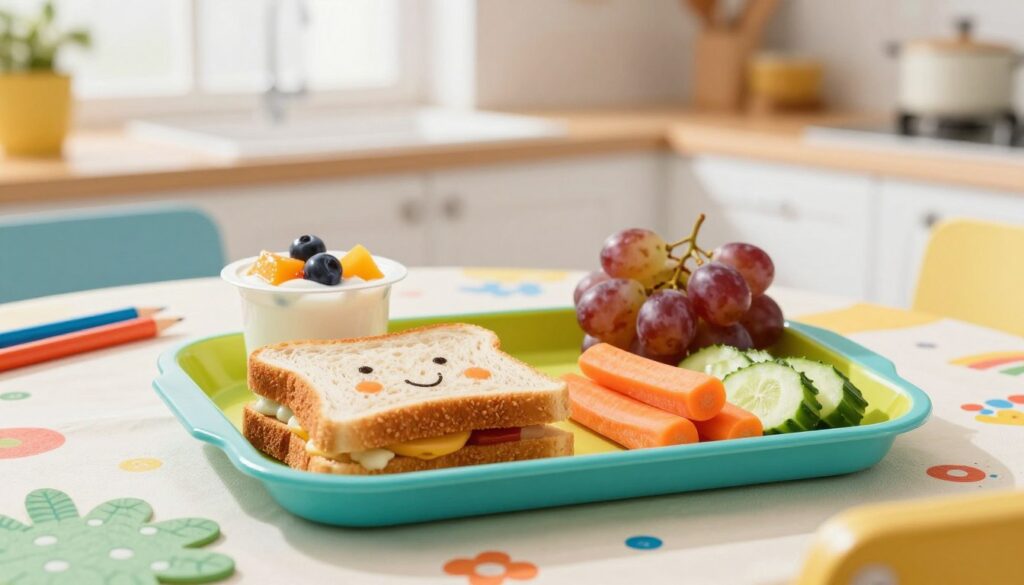
Some mornings, I stand at the counter with a sleepy child and a buzzing calendar. I wonder how to turn whole foods into lunchboxes that kids will eat. I’ve learned that good intentions aren’t enough. Parents need reliable, fast strategies that balance taste, nutrition, and school rules.
When I say simple and healthy, I mean meals made from a few whole ingredients. They have minimal added sugar and simple steps. I use lean proteins, whole grains, fruits, and vegetables in straightforward assemblies. This way, you can make easy homemade lunches for kids without stress.
This guide follows the U.S. Dietary Guidelines for children. It focuses on fruits, vegetables, whole grains, lean protein, and limits added sugars and saturated fat. It also includes time-saving strategies like batch cooking and five-minute assembly. Plus, it offers tips for packing lunches within typical U.S. school constraints.
Throughout the article, you’ll find healthy lunch ideas for kids. These are simple, practical for busy families, and believable for picky eaters. I’ll show balanced plates, quick recipes, packing hacks, budget swaps, and portion guidance. This way, you can leave the morning rush feeling confident.
Key Takeaways
- Simple healthy lunches for kids focus on whole foods, limited added sugar, and few ingredients.
- Follow U.S. Dietary Guidelines: fruits, vegetables, whole grains, and lean protein matter.
- Time-savers include batch cooking, make-ahead components, and five-minute assembly tricks.
- School constraints like allergies and temperature limits shape practical lunch packing.
- My aim is easy homemade lunches for kids that balance nutrition, taste, and convenience.
Why simple healthy lunches for kids matter
I focus on meals that help kids grow and make school days easier for families. A nutritious lunch does more than just fill a plate. It gives kids protein, iron, calcium, vitamins A and C, fiber, and healthy fats.
Health and development benefits
A good lunch gives kids what they need to grow. Protein and iron help muscles and focus. Calcium and vitamin D are key for strong bones.
Vitamins A and C protect cells and help with vision and immunity. Fiber and healthy fats keep digestion steady and support brain growth.
I follow the Academy of Nutrition and Dietetics and the American Academy of Pediatrics. They guide me in planning meals that meet kids’ nutrient needs.
How balanced lunches support learning and energy
Stable blood sugar helps kids stay focused. Combining complex carbs with protein and fat prevents energy crashes. For example, whole-grain pita with hummus and apple slices keeps energy steady.
Research shows that balanced meals improve memory and classroom behavior. This is because they mix carbs, protein, and healthy fats.
My approach to practical, everyday nutrition for busy families
I focus on whole foods and simple swaps. I suggest Greek yogurt instead of sugary yogurt and avocado or nut butter for healthy fats. I keep favorite flavors and introduce new foods slowly.
My visual plate rule is helpful: half fruits and vegetables, a quarter whole grains, and a quarter protein. I use the two-bites rule to reduce battles and let kids choose between two healthy options.
healthy lunch ideas for kids

I plan lunches with a few clear goals: keep them balanced, colorful, portable, and quick to assemble. I use USDA MyPlate guidance as my baseline. Then, I tailor portions and flavors for each child. https://s.click.aliexpress.com/e/_c2uen4Nz
My focus is on whole grains, lean proteins like turkey or chicken, beans, and a fruit plus a vegetable. This helps me hit nutrients without long prep.
Core principles I use when planning lunches
I aim for variety so children get different nutrients across the week. I blend protein, carbs, and healthy fats in every meal to keep energy steady. Texture contrast matters; crunchy carrot sticks next to creamy hummus invites tasting.
Portability guides my choices, so wraps, skewers, and bento-style boxes are common. I stay allergen-aware when packing for schools. I limit prep time by using pre-cooked grains and sliced fruit.
Examples of balanced plates I prepare
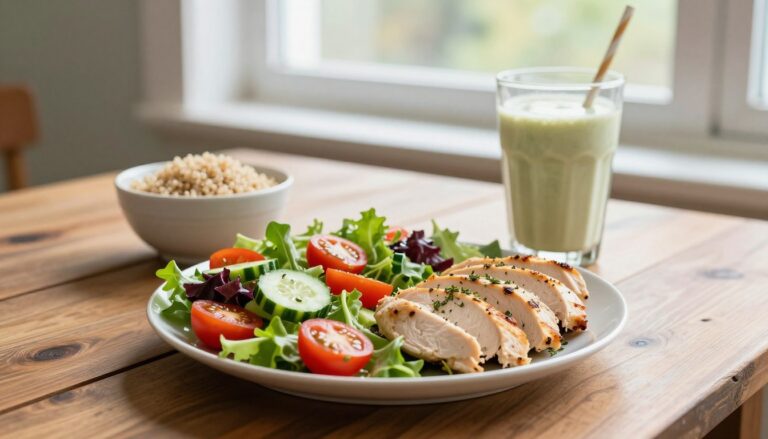
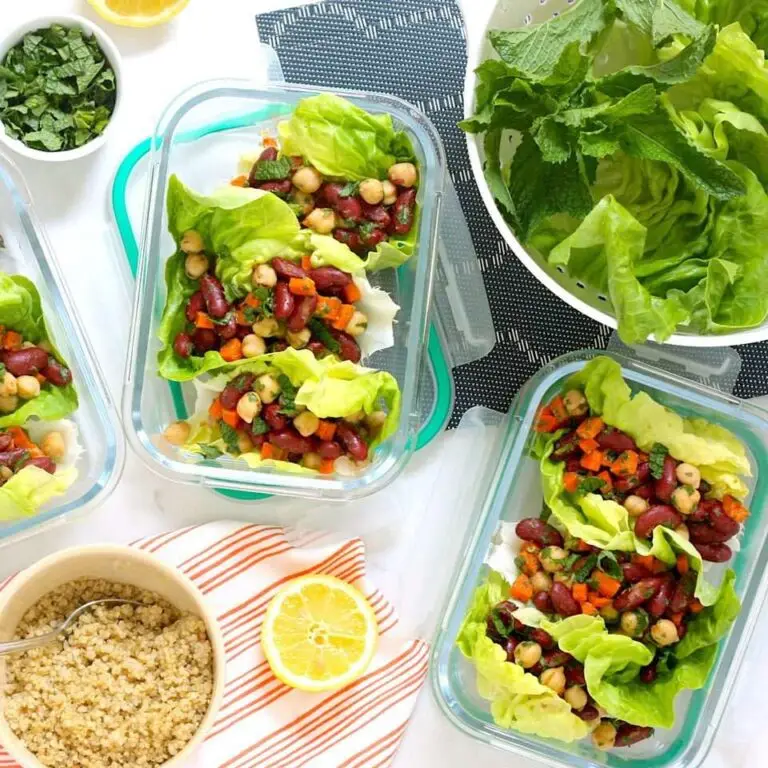
Turkey and avocado whole-grain wrap with carrot sticks and apple slices is a regular favorite. It pairs lean protein and healthy fat with fiber from whole grains. I also make a mini-quinoa salad with chickpeas, cucumber, cherry tomatoes and string cheese for calcium.
Another go-to is a whole-wheat pita with hummus, cucumber and bell pepper strips plus a small bunch of grapes. These options are reliable for simple healthy lunches for kids and fit well into quick lunch ideas for kids when mornings are tight.
How to adapt ideas for age and appetite
For toddlers I offer smaller portions and more finger-food style pieces. I cut grapes and cherry tomatoes to prevent choking and avoid whole nuts. Preschoolers get slightly larger portions and simple seasonings.
Elementary kids receive full-size servings with a side of yogurt or cheese. Tweens can handle bolder flavors and higher protein amounts; I add extra beans, sliced turkey, or a larger whole-grain roll. I follow pediatric portion guidance and adjust based on each child’s activity level.
| Age Group | Typical Portion | Portable Examples | Choking-Safe Tips |
|---|---|---|---|
| Toddlers (1–3) | Small bites; 1/4–1/2 cup servings | Mini wrap pieces, steamed veggie sticks, mashed beans | Cut grapes; avoid whole nuts; soft-cooked veggies |
| Preschool (3–5) | 1/2–3/4 cup per item | Half sandwich, fruit slices, string cheese | Quarter grapes; thin apple slices; supervise mealtime |
| Elementary (6–11) | 3/4–1 cup per item | Turkey-avocado wrap, quinoa salad, hummus with veggies | Offer bite-sized pieces; teach safe chewing |
| Tweens (12+) | Full adult-style portions as needed | Grain bowls, hearty wraps, Greek yogurt with fruit | Encourage mindful eating; avoid high-risk textures for small kids |
Easy kids lunch recipes that are quick to prep
I have a list of quick, tasty ideas for packing lunches for kids. These recipes save me time in the morning. They make it easy to prepare simple, healthy lunches that kids enjoy.
One-bowl and sheet-pan options I rely on
Sheet-pan chicken with veggies is a favorite for busy days. I cook chicken, potatoes, carrots, and broccoli on one tray. It’s seasoned with olive oil, oregano, and lemon for a kid-friendly taste.
One-bowl pasta salad is another quick choice. I mix pasta with peas, tomatoes, mozzarella, and olive oil. Grain bowls with rice, beans, corn, and salsa are also a hit.
Five-minute assembly ideas for rushed mornings
On busy mornings, I make simple combos in five minutes. Cheese and crackers with apple are a favorite. Turkey roll-ups and cucumbers are easy to pack in a bento box.
Peanut butter or sunflower butter with banana on bread is quick and satisfying. Adding fruit with cottage cheese gives a protein boost that kids like.
Meal-prep tips to save time during the week
I cook proteins like chicken, eggs, and veggies on Sunday. I also cook quinoa or rice and portion it out. Labeling containers helps me keep track of what’s in them.
Freezing healthy muffins and mini frittatas is a lifesaver. They thaw or reheat quickly, making it easy to prepare lunches even on the busiest days.
- Use mild herbs and lemon for kid-friendly seasoning.
- Store dressings and granola separately to keep textures fresh.
- Follow basic food safety: refrigerate within two hours and reheat leftovers to 165°F when needed.
Kid-friendly healthy meals that picky eaters will try

I focus on small wins that build trust at the table. I serve kid-friendly meals with predictable portions, mild flavors, and varied textures. This makes kids feel safe trying new things.
Flavor and texture tricks I use to win them over
I offer sauces and dips on the side so kids control the amount they use. Mild cheeses like mozzarella or Colby melt well on sandwiches and wraps. This makes simple lunches feel familiar to kids.
Roasting carrots or sweet potatoes with a touch of honey or cinnamon brings out sweetness without added sugar. I add crunchy elements like toasted pumpkin seeds or baked pita chips. This contrast is often what picky eaters crave.
Arranging food in fun shapes or bite-sized pieces helps, too. A grilled cheese cut into stars gets more attention than a plain slice. This makes healthy lunch ideas for picky eaters easier to accept. https://s.click.aliexpress.com/e/_c2uen4Nz
Sneaking extra nutrients without fuss
I blend pureed roasted vegetables into tomato sauce for pasta. This way, the flavor stays comforting while the veggies hide in plain sight. Simple healthy lunches for kids can include grated zucchini or carrot in muffins and meatloaf with no texture complaints.
Mixing beans into smoothies adds protein and fiber without changing taste much. I choose fortified milk or whole-grain cereals to boost vitamins and minerals at no extra prep time.
Swap ideas for common dislikes
If a child resists plain vegetables, I sneak them into wraps or whip them into hummus. Seed butters like sunflower or tahini replace nuts for schools with nut-free policies. They keep creamy, spreadable texture.
For spreads, I swap traditional mayonnaise for Greek yogurt-based mixes. This increases protein and reduces fat. When a child dislikes whole-grain bread, I use whole-wheat tortillas or pita pockets. This delivers the same benefits in a format they prefer.
I keep a short list of five to six go-to recipes and rotate them. For more beginner-friendly options, see this collection of easy lunch recipes that match my approach: easy lunch recipes for beginners.
Lunchbox ideas for kids that stay fresh and appealing
I focus on keeping food safe and looking good until lunch. Using the right containers and simple templates makes packing easy. These tips help with healthy and quick lunch ideas for kids without stress.
Packaging and temperature tips I recommend
I use insulated lunch bags with reusable ice packs for yogurt and hummus. Stainless steel containers from U.S. stores are great for sandwiches and salads. They keep food at the right temperature for a long time.
Leak-proof containers are essential for dips and dressings. Bento-style boxes offer portion control and a neat look that kids love. I keep wet items separate to avoid soggy snacks.
Mix-and-match templates for variety
I use simple templates to make lunches feel new every day. One favorite is: Protein + Grain + Fruit + Veg + Treat. Swapping items in each group keeps things interesting.
- Dip + Veg + Crackers + Cheese + Fruit for snack-style lunches.
- Wrap + Veg sticks + Yogurt + Whole-grain snack when time is tight.
- Mini sandwich + Roasted chickpeas + Apple slices + Sweet bite for balance and fun.
Portable snacks and dips that travel well
I pick snacks that don’t need reheating. Roasted chickpeas and low-sugar granola bars are great for travel. Nut or seed butter packets with apple slices or celery are also good.
Hummus with pretzels or cut veggies is okay if chilled. Greek yogurt fits in an insulated container. Pack dips in small, airtight containers to avoid spills and keep flavors bright.
Affordable healthy lunches for kids on a budget
I find ways to feed kids well without spending too much. Making small changes, cooking smart, and buying seasonal produce helps. Here are some tips for making healthy lunches affordable every week.
Cost-saving ingredient swaps I use
Beans and lentils are cheap and great in many dishes. Canned tuna or salmon is a quick protein option when fresh fish is expensive. Frozen veggies are nutritious and reduce waste when fresh produce is out of season.
Brown rice and oats are cheap and fill meals. I choose store-brand items and plain yogurt for affordable dairy options.
Batch-cooking strategies to lower costs https://s.click.aliexpress.com/e/_c3cNG3uf
I make big pots of soup, casseroles, and grain bowls for the week. Muffins and frittatas freeze well for quick breakfasts. Leftover chicken makes great sandwiches or pasta salads.
These habits cut down on waste and make lunches quicker to prepare.
Seasonal produce picks that stretch your dollar
In fall, I buy apples and pears for snacks or with nut butter. Summer berries and stone fruit are perfect fresh; I freeze them for smoothies later. Winter squash and carrots are cheap in cooler months and add fiber to meals.
I shop at farmer’s markets and look for sales to save money.
Here’s a comparison I use for planning meals. It helps me choose budget-friendly ingredients for healthy lunches.
| Ingredient | Typical Cost per Serving | Ways I Use It | Storage/Prep Tip |
|---|---|---|---|
| Dry lentils | $0.25 | Stews, salads, veggie patties | Cook in batches; freeze portions |
| Canned tuna | $0.60 | Sandwiches, pasta salads, wraps | Drain and mix with yogurt or avocado |
| Frozen mixed veg | $0.40 | Stir-fries, soups, grain bowls | Keep several bags for quick meals |
| Brown rice (bulk) | $0.15 | Bowls, sides, stuffing for peppers | Cook large batch; refrigerate for 4 days |
| Plain Greek yogurt | $0.50 | Dips, parfaits, dressings | Buy larger tubs for savings |
| Apples/pears (seasonal) | $0.30 | Snacks, baked slices, fruit salads | Store whole in fridge to extend life |
| Eggs | $0.20 | Frittatas, hard-boiled snacks, sandwiches | Make batches of hard-boiled eggs for the week |
Simple and healthy lunch ideas for kids for school days
I pack lunches that follow school rules and make kids happy. I focus on variety, easy prep, and safe swaps to avoid morning stress. Here are nut-free options, quick favorites, and a prep routine that saves time without sacrificing nutrition.
Nut-free and allergy-aware packing options
I use sunflower seed butter, soy nut butter, or powdered peanut butter as safe spreads. I always check labels for “made in a facility with” to avoid hidden nuts or peanuts.
I work with school allergy policies and label items when needed. For protein, I choose seeds, canned tuna, cheese sticks, and hard-boiled eggs when allowed.
Quick healthy lunchbox ideas for school that kids enjoy
My favorite combos are quick to make and loved by kids. Turkey and cheese roll-ups, whole-wheat bagels with cream cheese and fruit, veggie sushi, and frozen yogurt tubes are always a hit.
I include whole-grain crackers, hummus, and rainbow carrots for crunch. These ideas keep lunch interesting and nutritious.
How I balance convenience and nutrition for school routines
I prep core items the night before: wash and slice fruit, portion veggies, and make grain salad. This saves morning time for just assembly.
I keep healthy convenience items like whole-grain tortilla chips, applesauce, and cheese on hand. Rotating favorites keeps lunch exciting and easy.
I rely on planning and simple swaps for healthy lunches that fit busy school days and safety rules.
Nutrition tips for a balanced lunch for children
I focus on simple rules for packing a balanced lunch for kids. My goals are steady energy, appetite control, and easy digestion. I use familiar pantry items and small tweaks to make meals nutritious.
Target macronutrient balance I aim for
I aim for a plate with 15–25% of calories from protein, complex carbs, and healthy fats. For protein, I use lean turkey, tuna, Greek yogurt, or hard-boiled eggs. Complex carbs come from whole-grain bread, brown rice, or quinoa.
Healthy fats like avocado, nut butter, or olive oil add satiety. This mix supports digestion and energy without sugar crashes.
Portion guides by age that I follow
Toddlers (1–3 years): I offer small portions, about 1–2 tablespoons each of proteins and grains. I serve soft, bite-sized fruits and veggies. Choking safety is key; I cut grapes, steam carrots, and avoid whole nuts.
Preschool and early elementary (4–7 years): I increase servings modestly. A small sandwich half, one egg or 2 tablespoons of beans, a quarter cup of whole grains, and two small fruit or vegetable portions work well. https://s.click.aliexpress.com/e/_c4BKObjd
School-age (8–12 years): I pack larger portions with more whole grains and protein. A full sandwich or wrap, a serving of yogurt or chicken, and a cup of mixed fruit and vegetables give good balance.
Teens: I provide near-adult portions tailored to activity level. Sports teens may need extra whole grains and protein to refuel.
Including fruits, veggies, protein, and whole grains without battles
I use small, practical tricks to keep resistance low. Dips like hummus, yogurt, and guacamole make veggies and fruit more fun. Cutting fruit into star or heart shapes helps at preschool age.
I pair one familiar item with one new item so kids feel secure. Keeping fruit and veg visible and easy to reach in the lunchbox increases bites. I pack raw carrot sticks with a favorite dip, apple slices with a squeeze of lemon to prevent browning, or whole-grain crackers next to cottage cheese.
These choices turn a healthy lunch ideas for kids list into simple wins at lunchtime. I check portion guidance from pediatric dietary recommendations and use evidence-based strategies to raise fruit and vegetable intake. Small changes add up, and steady exposure makes healthy choices feel normal to kids.
Conclusion
I’ve shared tips on balance, simplicity, and variety for packing healthy lunches for kids. Making small changes, like choosing whole grains and adding veggies, can greatly improve their energy and growth. These changes also follow USDA and pediatric nutrition guidelines.
Start by picking a few simple, healthy lunch ideas for kids. Create a basic meal-prep plan and use reusable containers to make mornings easier. Try out the sample ideas and adjust them to your family’s taste. Share your favorite quick and healthy lunches that kids love.
Don’t be afraid to try new recipes each week. Use batch-prep strategies to save time. For more ideas, check out creative kids lunch ideas from Else Nutrition. Healthy lunches can be affordable, quick, and flexible, helping kids perform well in school and stay happy and healthy.
FAQ
What do you mean by “simple” and “healthy” lunches for kids?
How do balanced lunches help my child’s learning and energy at school? https://s.click.aliexpress.com/e/_c4WX4gH5
What core principles do you use when planning lunches?
Can you give quick examples of balanced lunch plates I can make this week?
How do I adapt lunches for age and appetite—what portion sizes should I use? https://s.click.aliexpress.com/e/_c4NG1iBZ
What are fast, five-minute lunch ideas for rushed mornings?
How do you save time with meal prep for school lunches?
My child is a picky eater. How can I get them to try new, nutritious foods?
Are there sneaky ways to add more nutrients without battles?
What lunchbox containers and temperature tips do you recommend?
How do I create variety without buying a lot of different ingredients?
What are affordable, healthy proteins and swaps you recommend? https://s.click.aliexpress.com/e/_c4Sc31WL
Can you share school-safe, nut-free lunch ideas my child will enjoy?
How do I prevent lunches from getting soggy by lunchtime?
What macronutrient balance do you aim for in a child’s lunch?
How can I make packed lunches that travel well and stay appealing?
Any tips for using seasonal produce to save money and keep lunches fresh? https://s.click.aliexpress.com/e/_c3haGnYf
How do you handle food allergies and school policies when packing lunches?
What are simple swaps to make classic kid lunches healthier?
How can I keep a sustainable, rotating lunch menu without getting bored?
Do you have quick ideas for picky eaters who refuse veggies?
What are safe choking-prevention tips for young children?
🌐 URL
/simple-healthy-lunch-ideas-for-kids