“Build the Perfect Dinner Bowl”
Build the Perfect Dinner Bowl: A Step-by-Step Guide to Healthy, Delicious Meals
Are you tired of the same old dinners every night? Dinner bowls are the ultimate solution to a balanced, colorful, and customizable meal. Whether you’re looking for a high-protein option, a plant-based delight, or a low-carb alternative, building the perfect dinner bowl can transform your weeknight dinners into a fun, nutritious experience.
In this guide, we’ll walk you through the essential components, flavor combinations, and tips to create your perfect dinner bowl.
What is a Dinner Bowl?
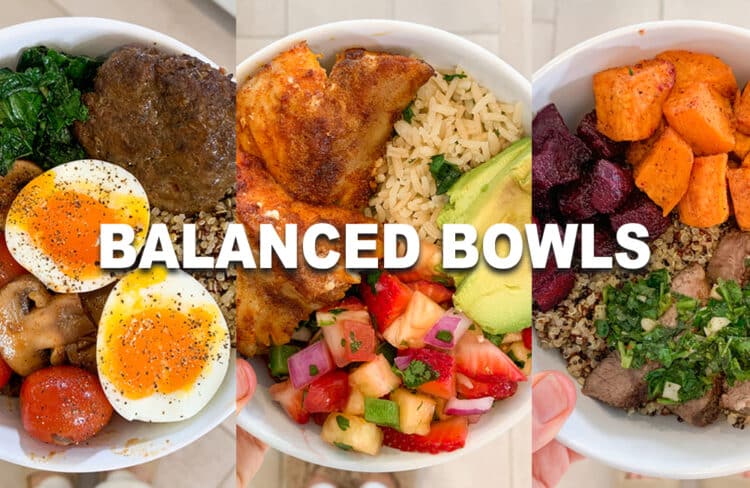
A dinner bowl is a meal served in a single bowl that combines several elements: protein, vegetables, grains, and healthy fats. Unlike traditional plated meals, dinner bowls are versatile, visually appealing, and easy to customize according to your dietary needs.
Benefits of Dinner Bowls:
- Quick and convenient meal prep
- Balanced nutrition in one bowl
- Fun, colorful, and Instagram-worthy
- Helps control portions and reduces food waste
Step 1: Start with a Base
The base of your bowl sets the stage for the rest of your ingredients. Consider the following options:
Grains:
- Brown rice
- Quinoa
- Barley
- Couscous
Greens:
- Spinach
- Kale
- Mixed salad greens
- Romaine lettuce
Tips: Mix grains and greens for added texture and nutrients.
Step 2: Add Protein
Protein is essential for satiety and muscle repair. Choose from a variety of sources depending on your preferences:
Animal-Based Protein:
- Grilled chicken
- Baked salmon
- Turkey meatballs
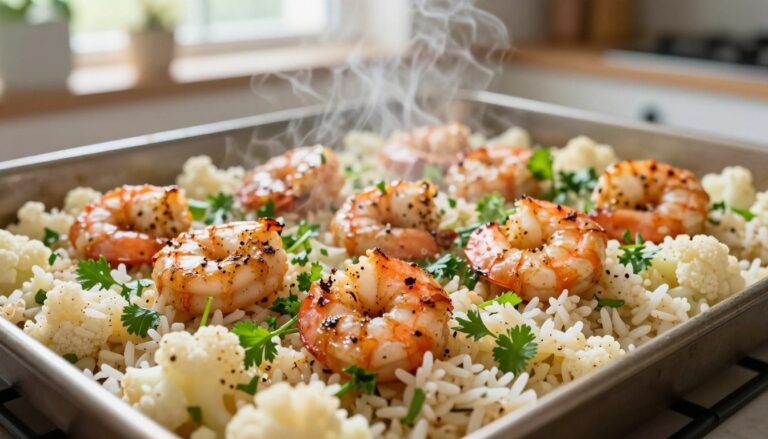
- Shrimp
Plant-Based Protein:
- Chickpeas
- Tofu
- Tempeh
- Lentils
Tip: Aim for at least 20–30 grams of protein per bowl for a satisfying meal.
Step 3: Load Up on Vegetables
Vegetables add color, texture, and vital nutrients to your dinner bowl. Include a mix of raw and roasted options for depth of flavor:
Vegetable Ideas:
- Roasted sweet potatoes
- Steamed broccoli
- Cherry tomatoes
- Avocado slices
- Bell peppers
Tip: Try to fill half your bowl with vegetables to maximize vitamins and fiber.
Step 4: Include Healthy Fats
Healthy fats enhance flavor and help your body absorb fat-soluble vitamins. Some great options:
- Avocado
- Nuts (almonds, walnuts, cashews)
- Seeds (chia, pumpkin, sunflower)
- Olive oil or tahini drizzle
Tip: Don’t overdo it—just a small handful or drizzle adds enough healthy fat.
Step 5: Choose a Flavorful Dressing or Sauce
A delicious dressing can tie all the components together. Consider:
- Lemon-tahini dressing
- Greek yogurt herb sauce
- Soy-ginger dressing
- Spicy sriracha mayo
Tip: Keep dressings healthy by making your own or using low-sugar store-bought options.
Step 6: Top It Off
Toppings add crunch, flavor, and an aesthetic appeal:
- Fresh herbs (cilantro, parsley, basil)
- Pickled vegetables
- Crumbled feta or goat cheese
- Toasted seeds or nuts
Tip: Toppings make your bowl more visually appealing, which can encourage mindful eating.
Dinner Bowl Ideas to Try
- Mediterranean Bowl: Quinoa, grilled chicken, cucumber, cherry tomatoes, olives, feta, and lemon-tahini dressing.
- Asian-Inspired Bowl: Brown rice, shrimp, steamed broccoli, carrots, edamame, and soy-ginger dressing.
- Vegan Power Bowl: Lentils, roasted sweet potatoes, kale, avocado, pumpkin seeds, and lemon-tahini sauce.
- Protein-Packed Bowl: Barley, turkey meatballs, roasted peppers, spinach, and spicy sriracha mayo.
Tips for Meal Prep and Storage
- Batch cook grains and proteins for the week
- Chop vegetables ahead of time
- Store sauces separately to prevent sogginess
- Use airtight containers for easy grab-and-go meals
Final Thoughts
Building the perfect dinner bowl is about balance, flavor, and creativity. By combining the right base, protein, vegetables, healthy fats, and dressing, you can enjoy a meal that is not only nutritious but also satisfying and exciting.
Experiment with different combinations, seasonings, and textures. With a little practice, your dinner bowls can become the star of your weeknight dinners—and your Instagram feed!